I started running this year — well, technically, I began easing into it back in November 2024. I started with slow jogs on the treadmill, just 5 minutes at a time. Little by little, I worked my way up to 10 minutes, then 20, until eventually I was able to run a full 30 minutes without stopping.
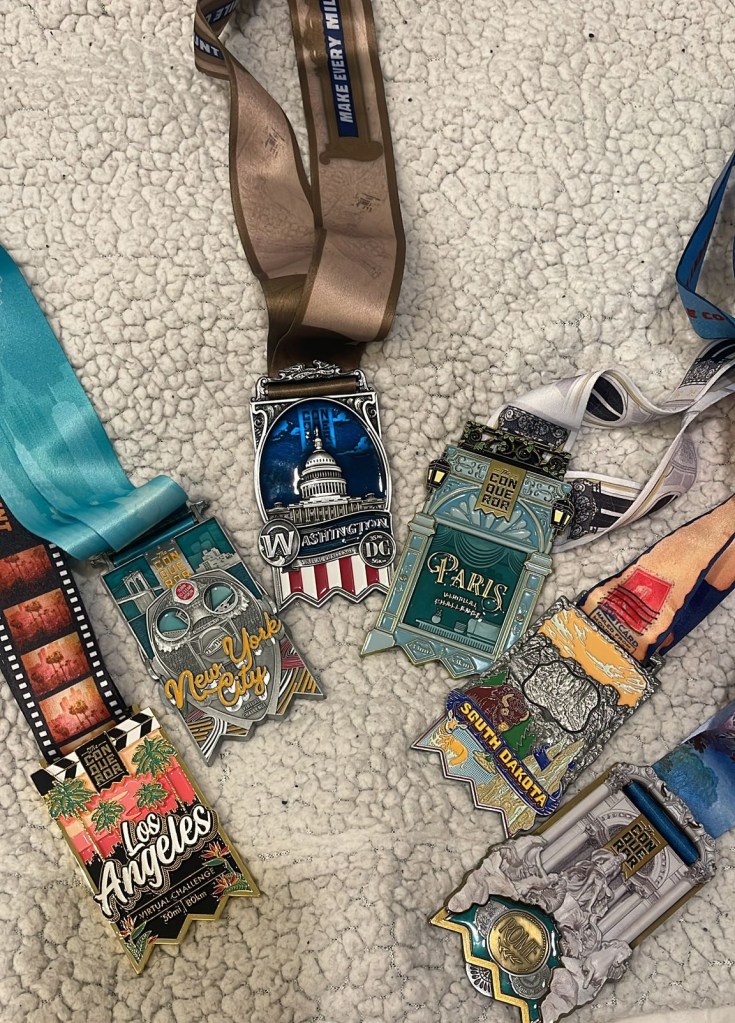
To stay motivated, I began signing up for virtual runs. By accident, I ended up registering for six of them — but I completed each one successfully. After that, I felt ready for something more. That’s when I decided to try an in-person race. So in February 2025, I signed up for my first 5K at Griffith Park.
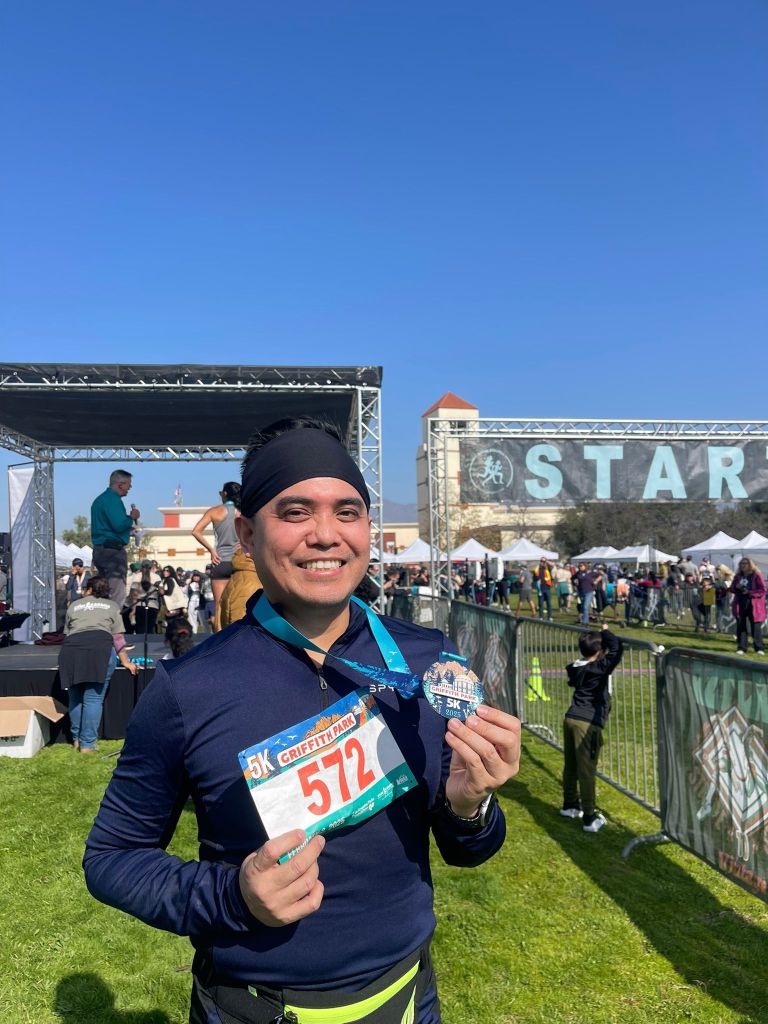
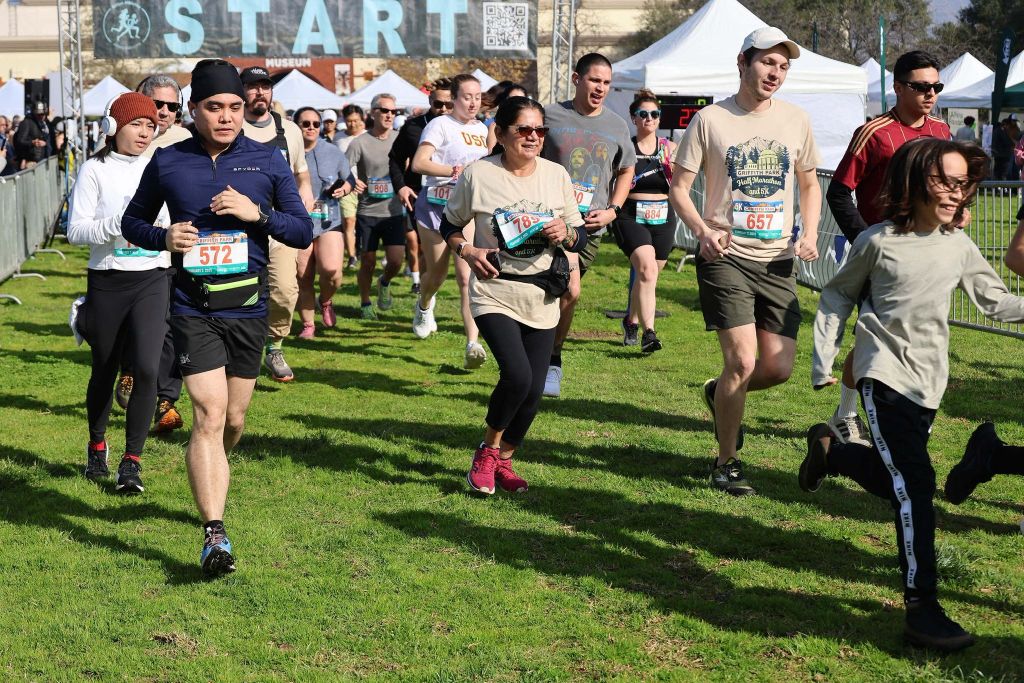

This race was really meaningful to me. It was my first official 5K, and I was genuinely proud of myself. Not too long ago, even walking for five minutes was painful because of my plantar fasciitis — so being able to run an entire race felt like a big personal victory.
I went alone that morning. The race started around 7am, and I didn’t have anyone there cheering me on. My friends were probably still asleep — it was a Saturday, after all — and I didn’t expect anyone to rearrange their day just to watch me run. It was just me, showing up for myself. And honestly, that made it even more special.
After that race, I knew I wanted to keep going. I started signing up for more events — the LA 5K in March, the Venice Beach Half Marathon & 5K in May (I did the 5K), and the Santa Monica 10K in September. I had also registered for the Thrive Half Marathon in San Diego on November 1, but I decided to hold off on that one for now. I wasn’t quite ready yet, and I wanted to honor where my body is at instead of pushing myself too soon.
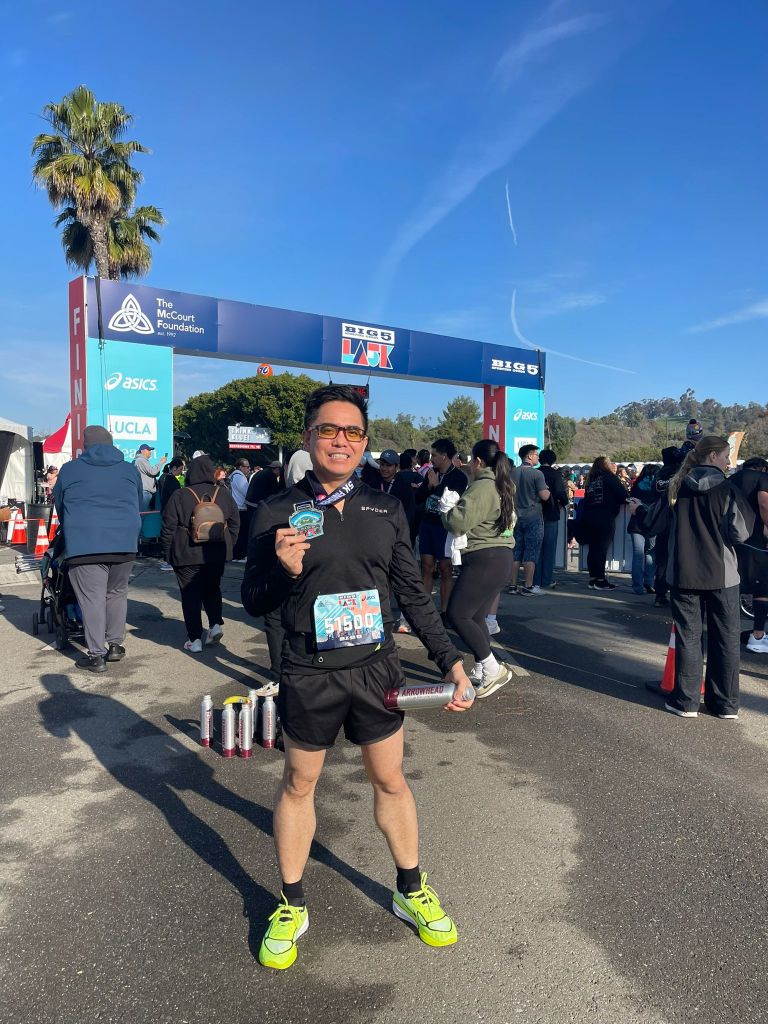

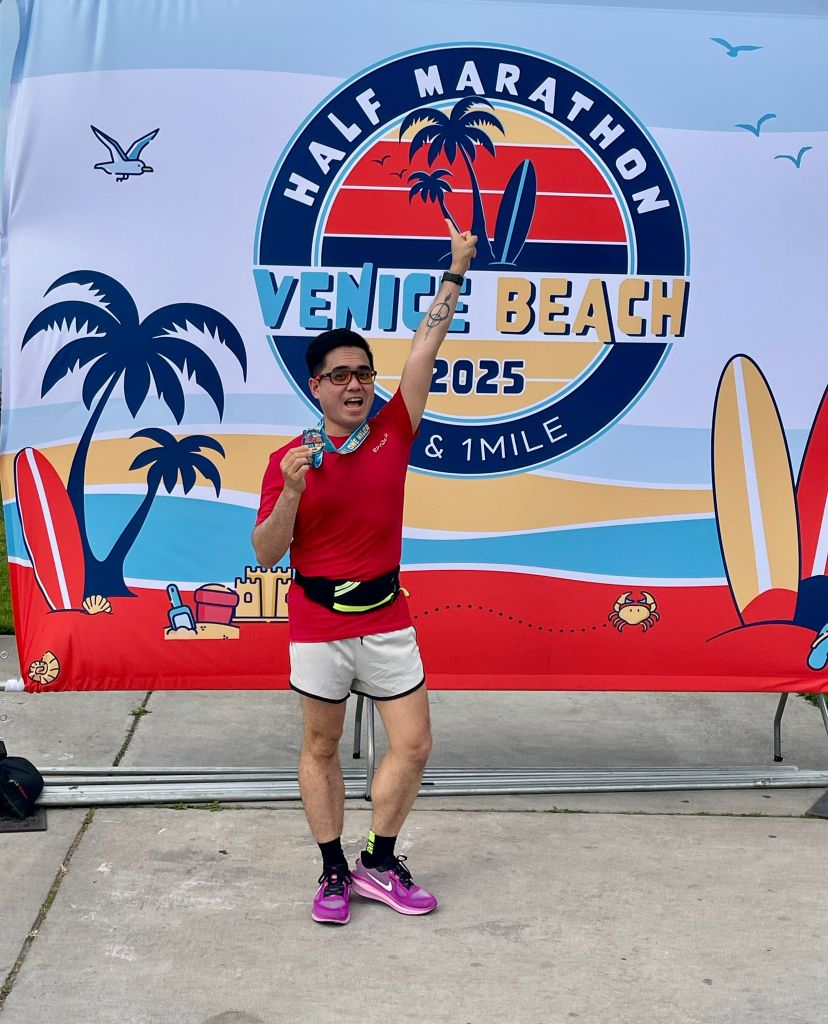
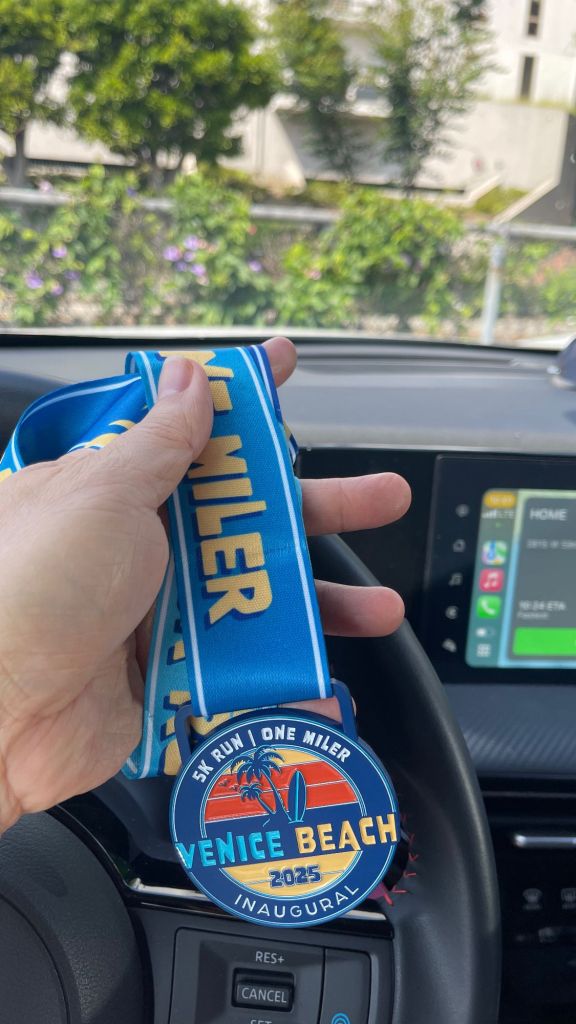
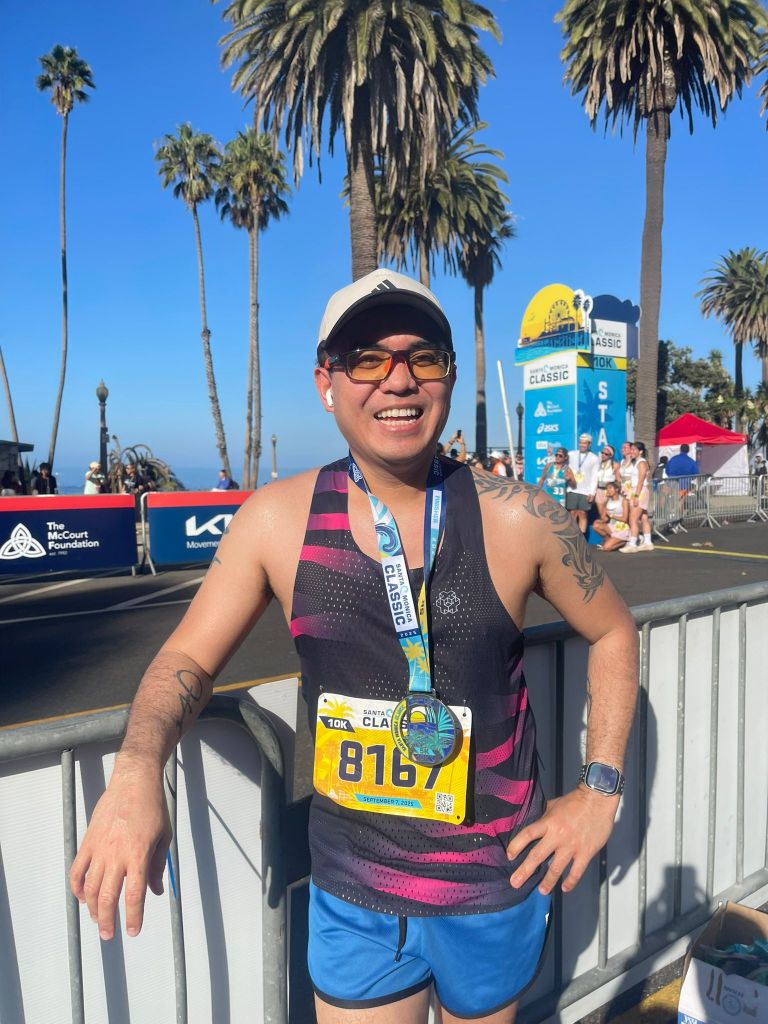

A lot of people assume running is an easy sport. And in some ways, it is — you just put one foot in front of the other. But if you’re training for races like a 5K, a half marathon, or even a full marathon, there’s a lot more to it. You have to prepare, be consistent, and take care of your body. It’s definitely not as effortless as it looks.
It can also get surprisingly expensive if you want to avoid injuries. One of the biggest things is investing in good shoes. I didn’t realize how important that was until I found myself with 5 pairs — each for a different purpose. I’ve always been loyal to Nike, so I have one pair for casual walks, another pair for daily training, one for trail runs, and my Vomero 18s for race day. They’re not elite shoes or anything, but they’re really comfortable for me, and that matters.
Comfortable running clothes are also really important. I haven’t splurged on high-end gear like Lululemon or Nike Elite yet — I don’t think expensive clothing automatically makes you run faster. For now, I stick to Spyder and a few generic brands, which work just fine. That said, I’m thinking of treating myself to some Lululemon gear soon.
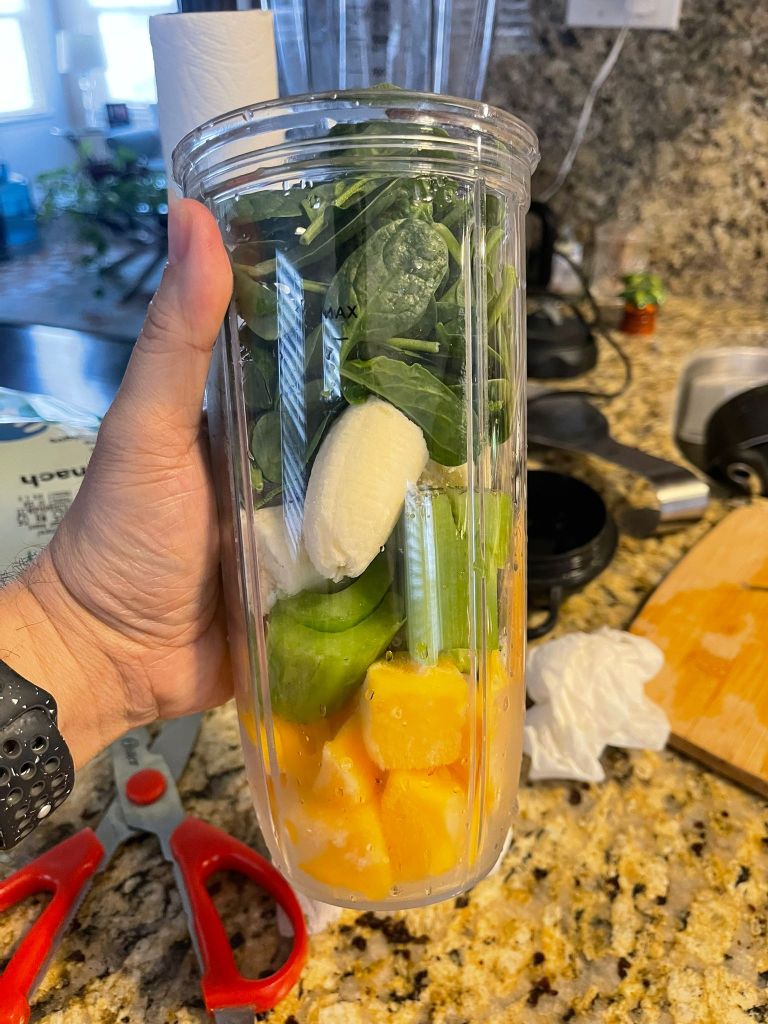
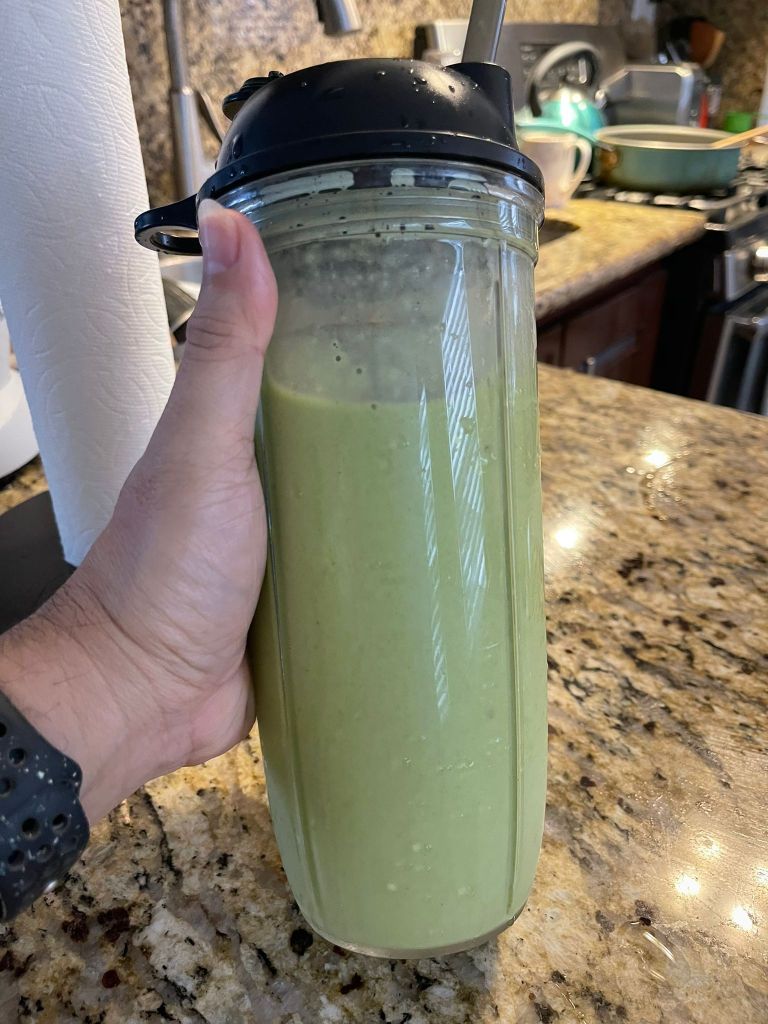
Nutrition is also a big part of my running routine. For breakfast, I usually have green smoothies, and I also make beet juice and ginger shots. I always have salad. On top of that, I include protein drinks to help with recovery and keep my energy up.

The most important lesson I’ve learned from running is to enjoy it. I don’t want to force myself or pretend to be an elite athlete, posting photos on Instagram or Facebook to show the world what I’m doing. This journey is very personal to me — not long ago, I could barely manage long walks, and now I’m running 5K and 10K races.
I may not be as young or as strong as I once was, but at 45, I feel proud of what I’ve accomplished — especially compared to many of my peers. That said, I still have to be careful and listen to my body. If something feels off, I don’t push it. For me, running should always remain fun, personal, and noncompetitive.
 Angelino AF (Asian Flavor)
Leave a comment