I left Los Angeles at 8:00 a.m. on a Saturday, hoping to beat the usual traffic. It turned out to be a great decision. The drive to Ventura took only about 1 hour and 10 minutes.
Before beginning my visit, I stopped by Harbor Cove Café for breakfast. I ordered their breakfast burrito, and it was easily one of the best I’ve ever had. It was the perfect way to start the day before exploring another chapter of California’s history.
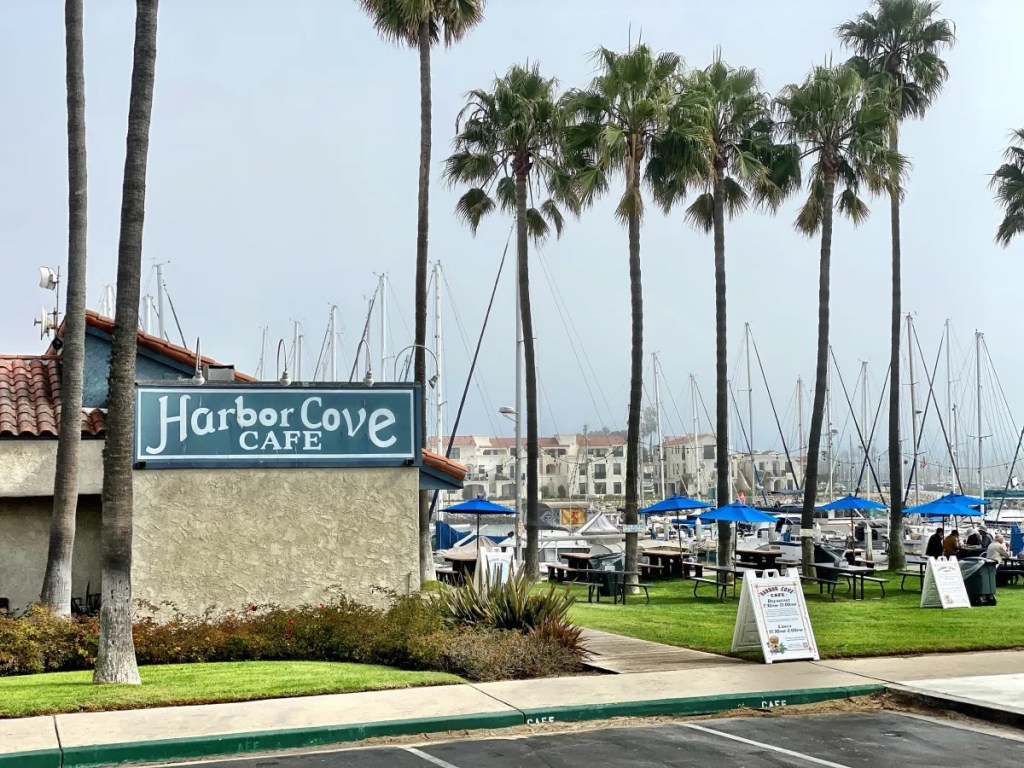

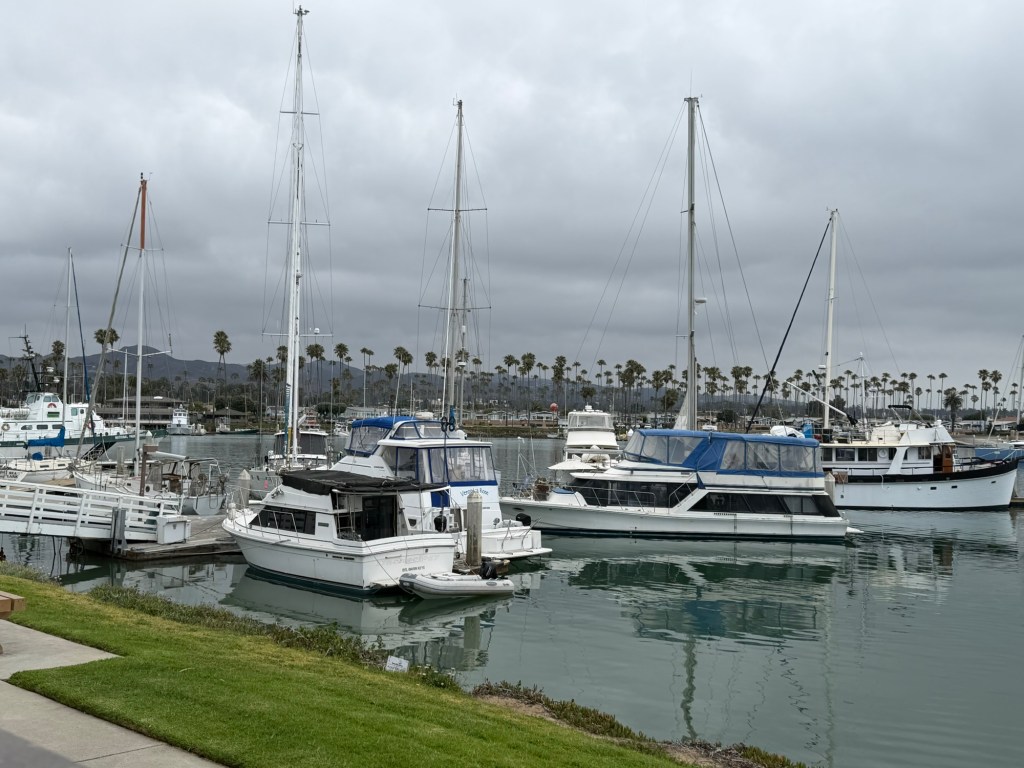
From there, I drove straight to Mission San Buenaventura, conveniently located in the heart of Downtown Ventura. The mission is easy to find, and one thing I immediately appreciated was the abundance of free public parking nearby.
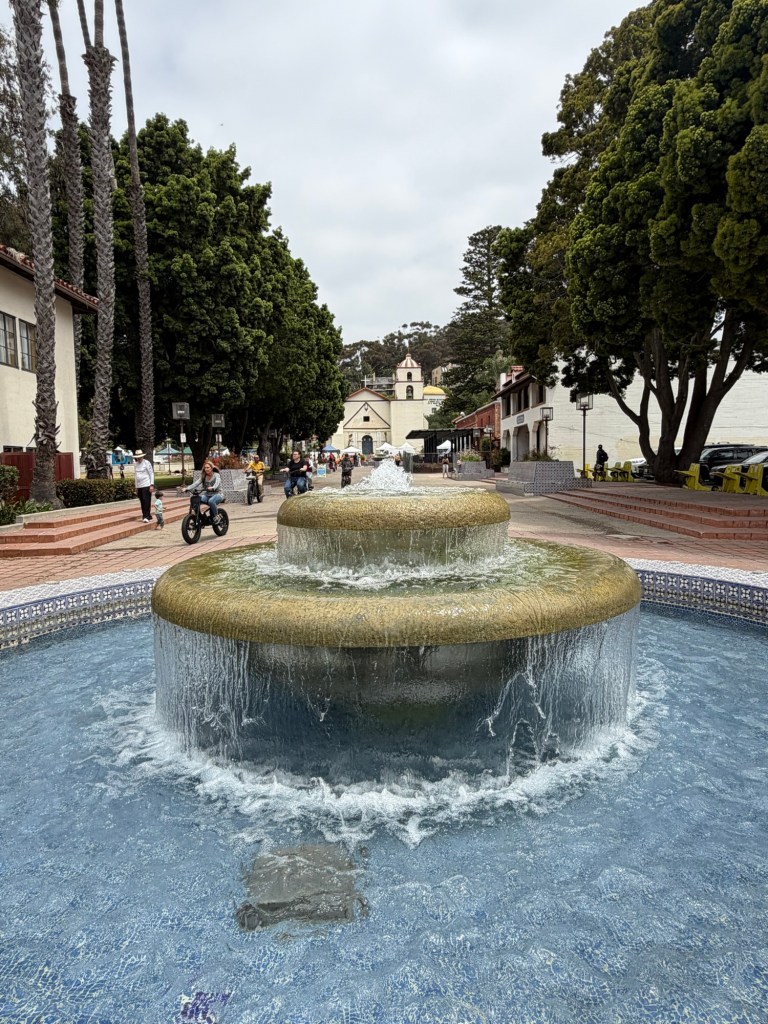
The exterior of the mission is beautiful and welcoming. Standing in front of the church are two elegant fountains connected by flowing water. As I learned more about the mission, I discovered that Mission San Buenaventura was once supplied by an impressive seven-mile aqueduct system built largely through the labor and engineering of the Chumash (Native Californians). Seeing the fountains made me wonder if they are connected to that remarkable water system or inspired by it. It’s a reminder that behind these beautiful structures were Native people whose knowledge, labor, and resilience made them possible.
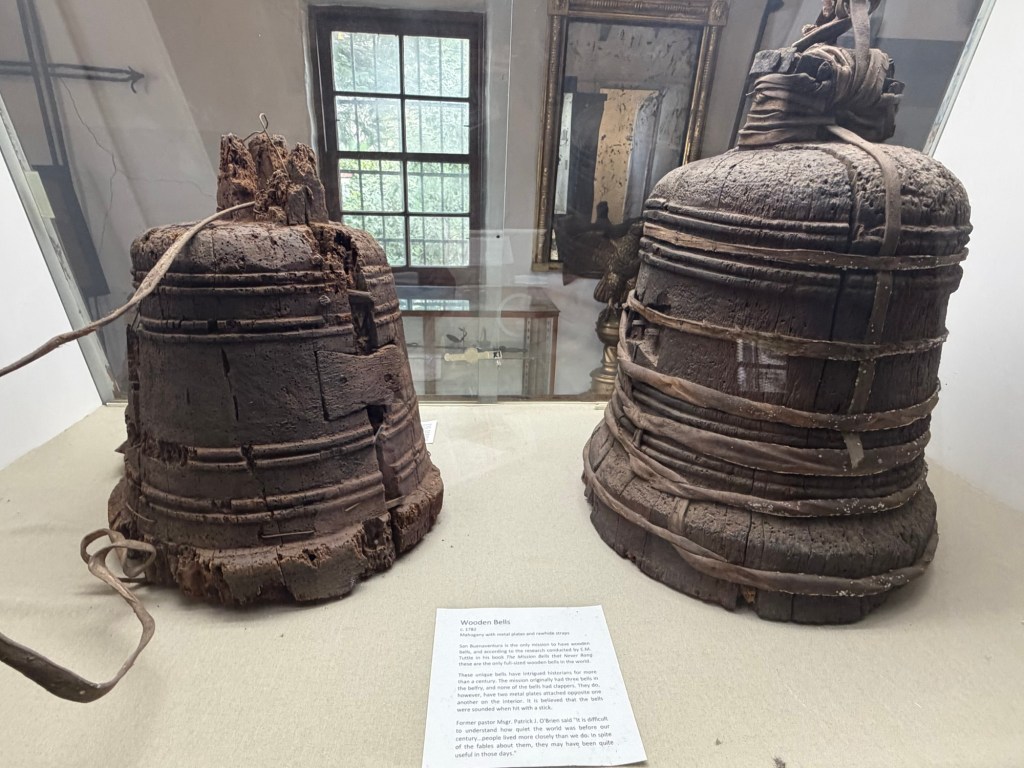
Before entering the church, I visited the small museum next door. Though modest in size, it contains a fascinating collection of artifacts that help tell the story of the mission. One item that especially caught my attention was the beautifully crafted wooden bell, a unique piece that stood out among the exhibits.
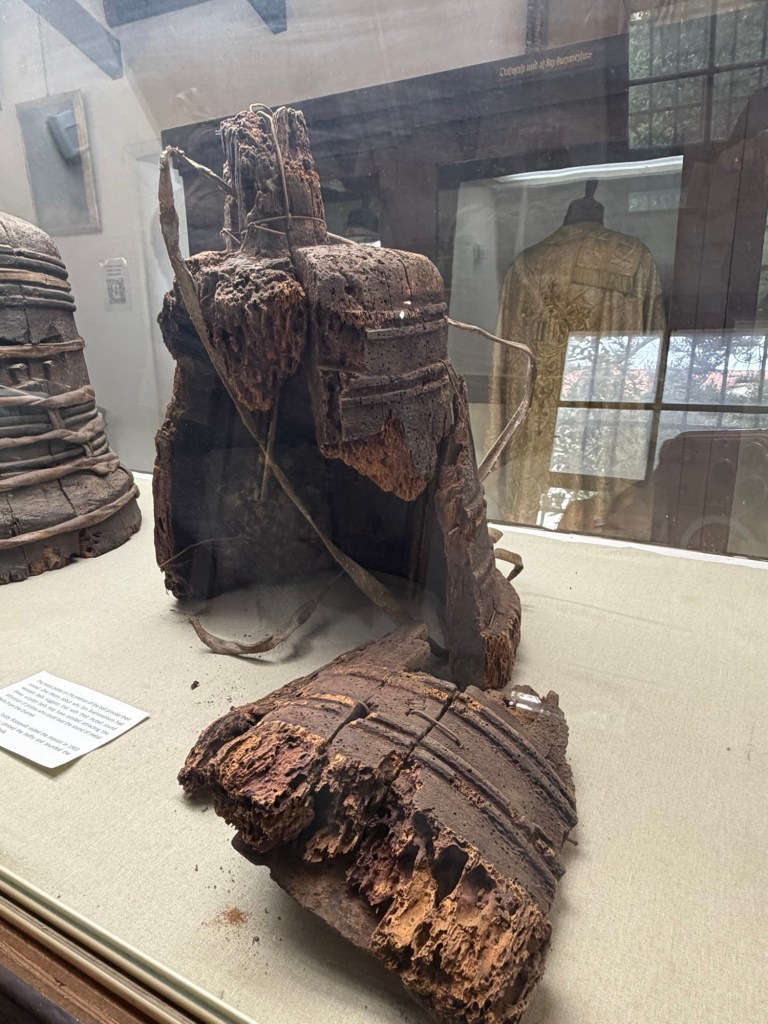
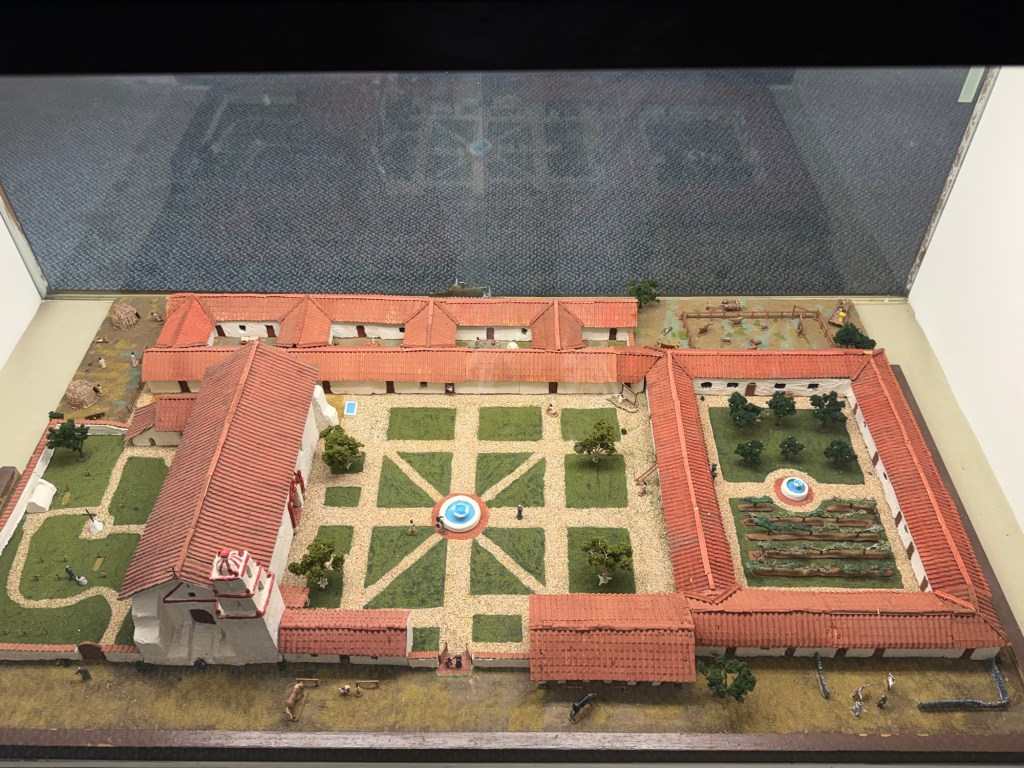
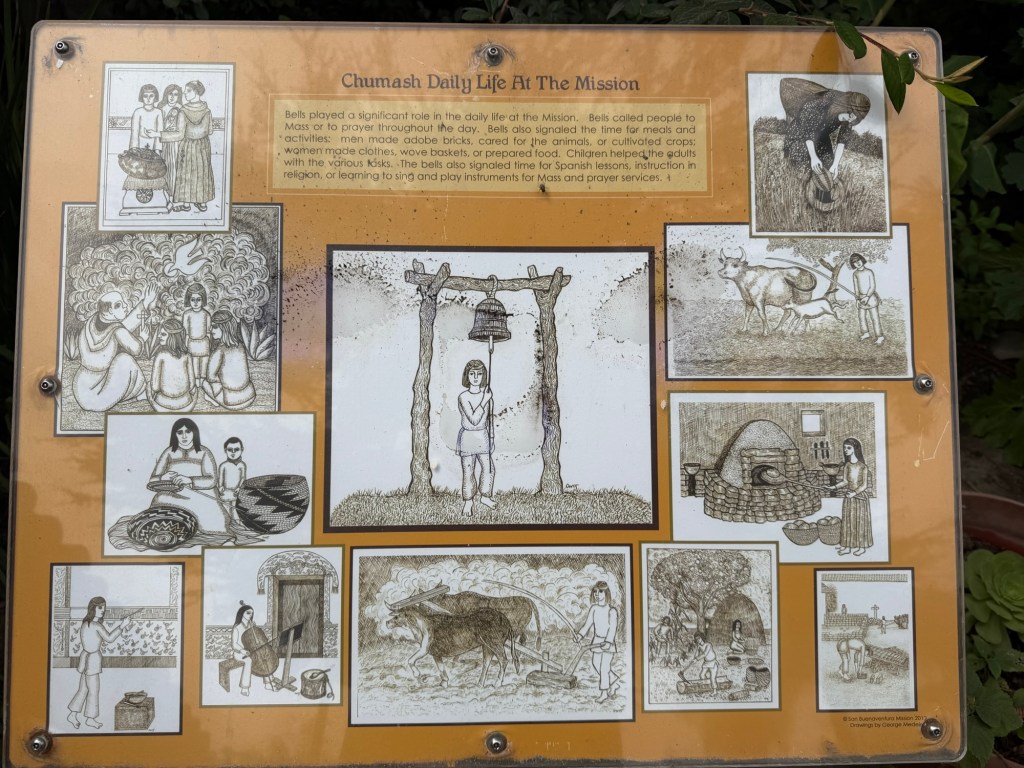
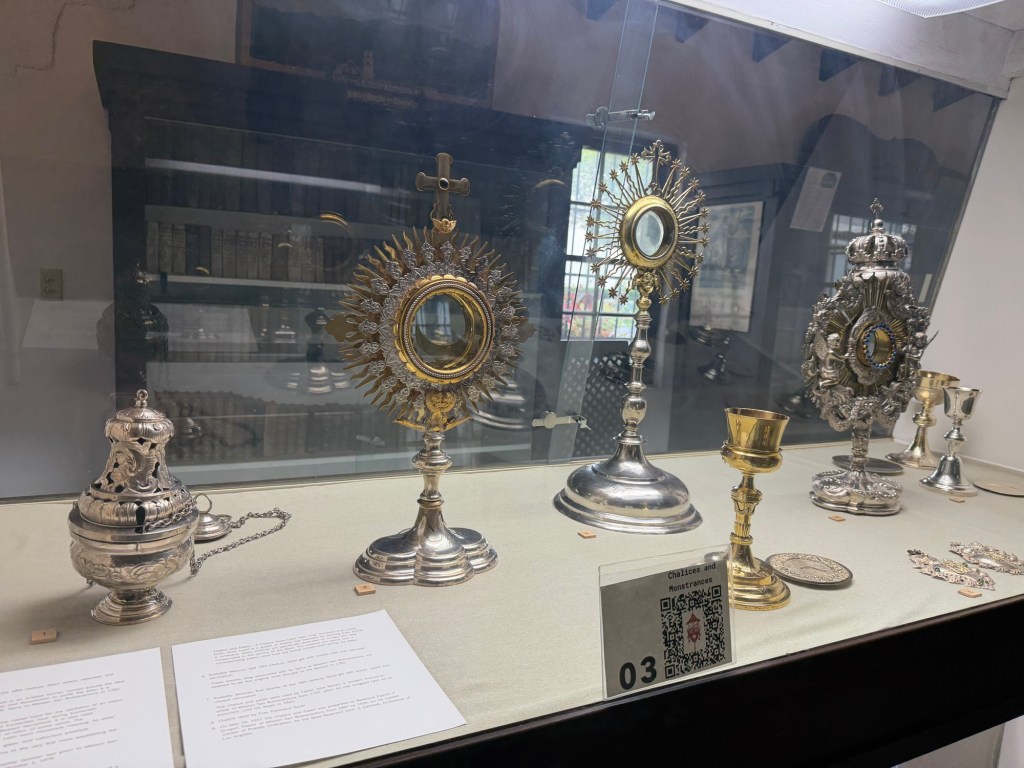
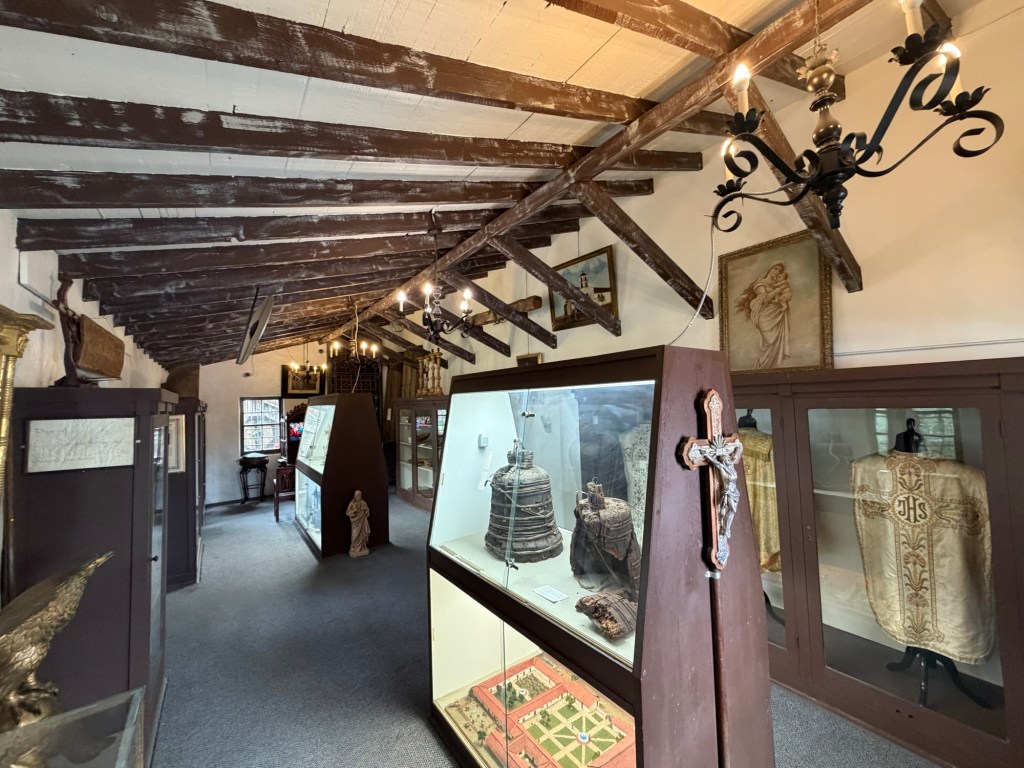
The museum also features a short video acknowledging the painful history of California’s missions. Rather than presenting only a romanticized version of the past, it speaks about learning from past mistakes and the importance of reconciliation with Native Americans. I found that especially meaningful, and I plan to write a separate blog dedicated to that subject.
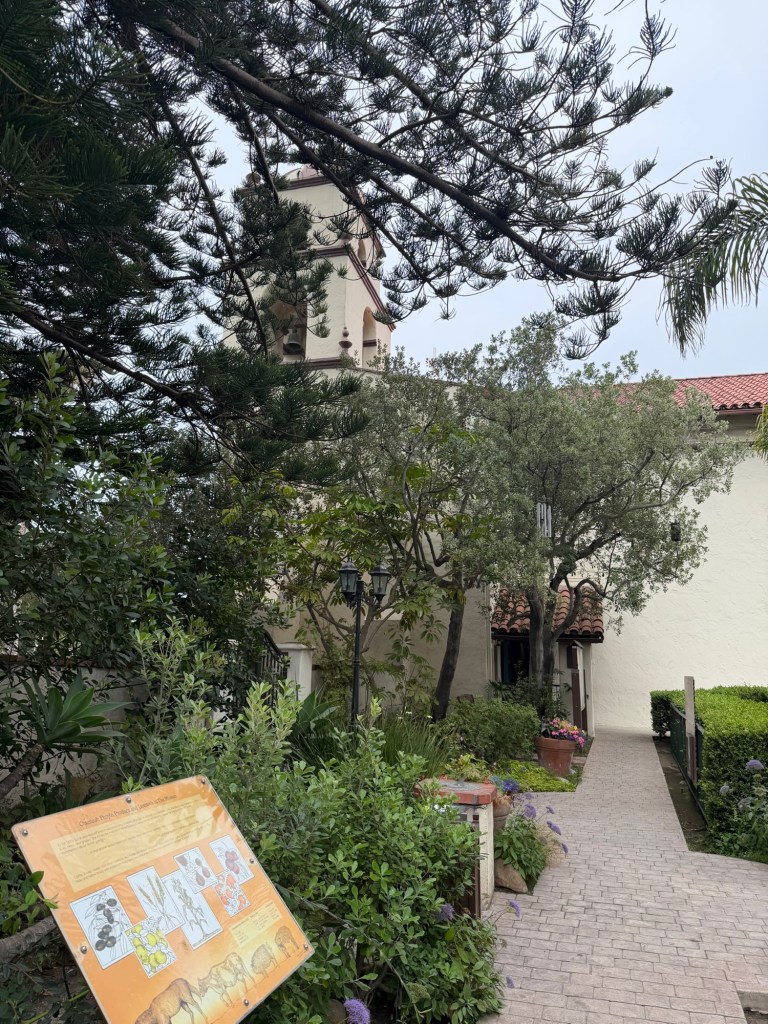
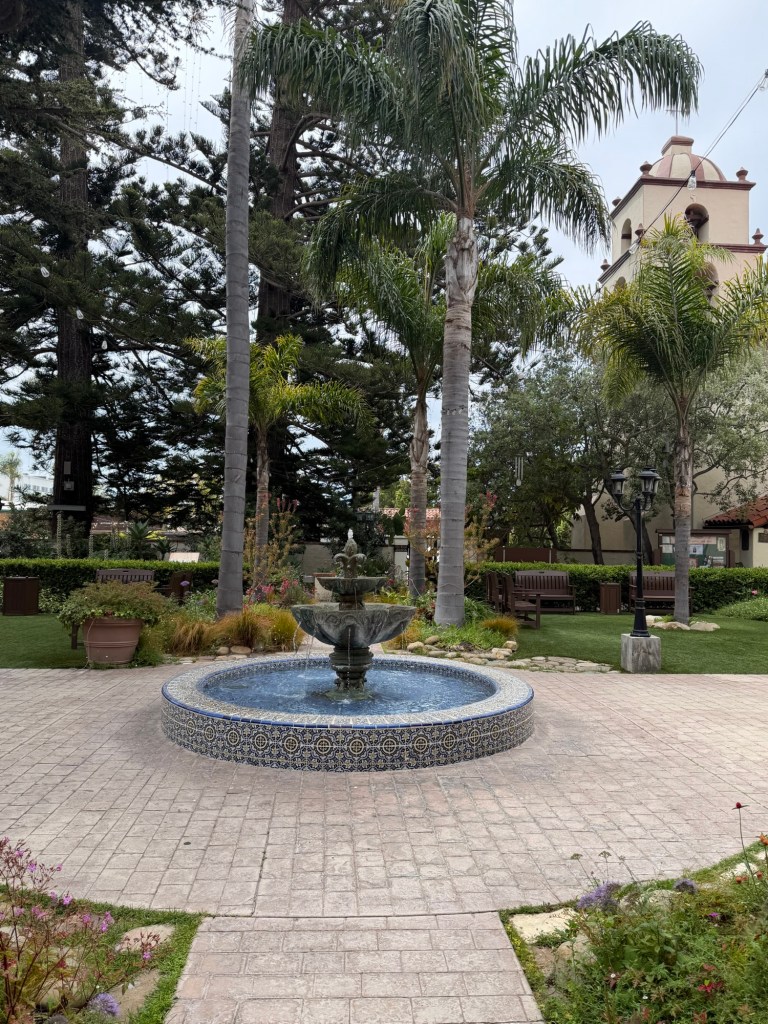
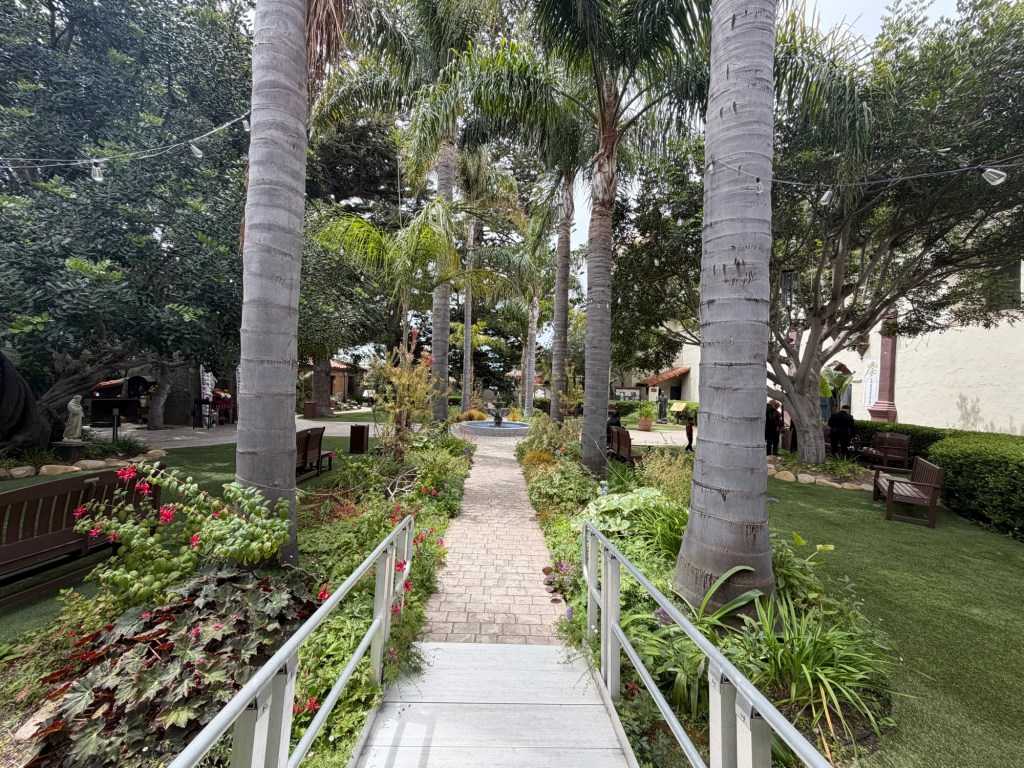
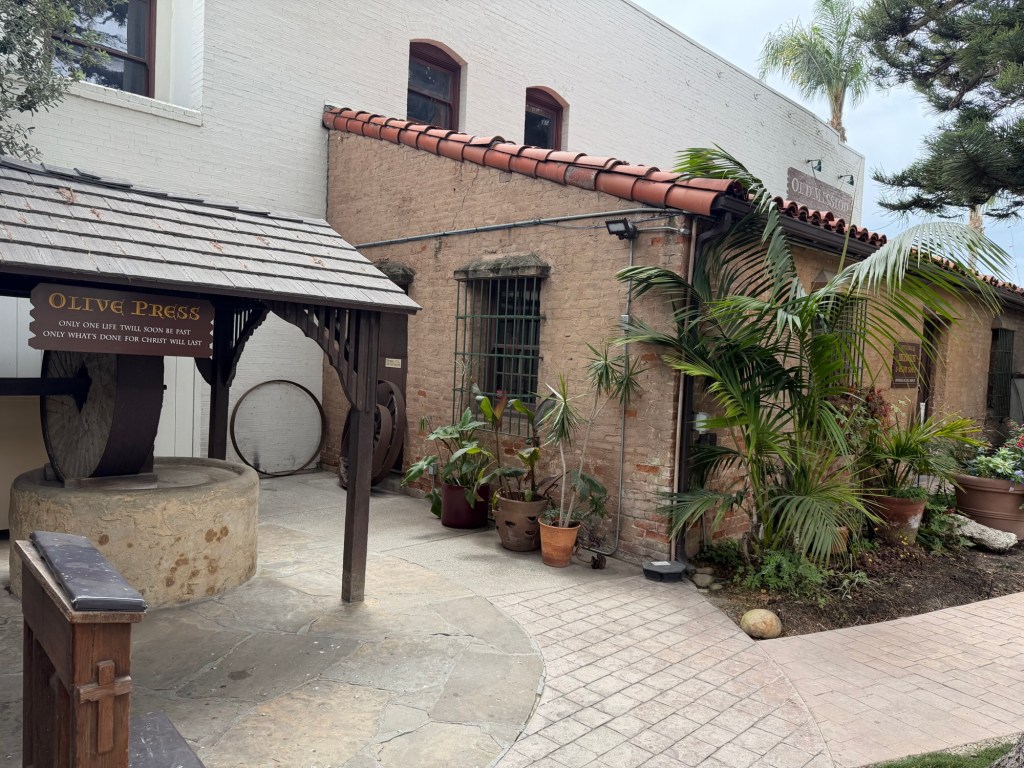
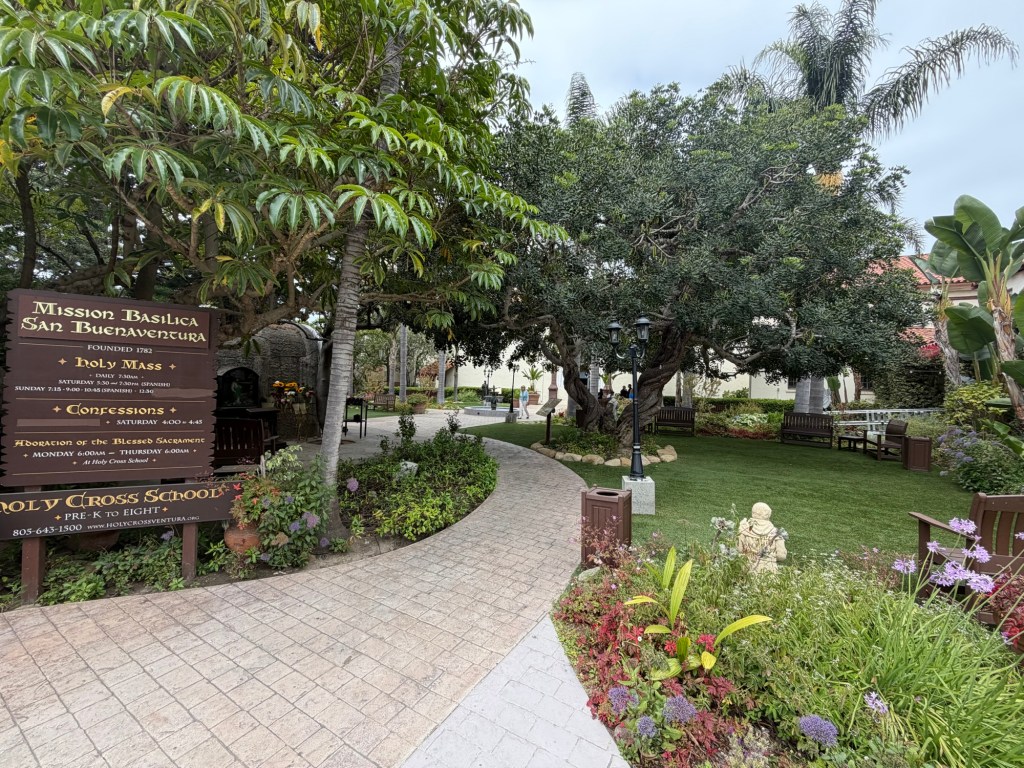
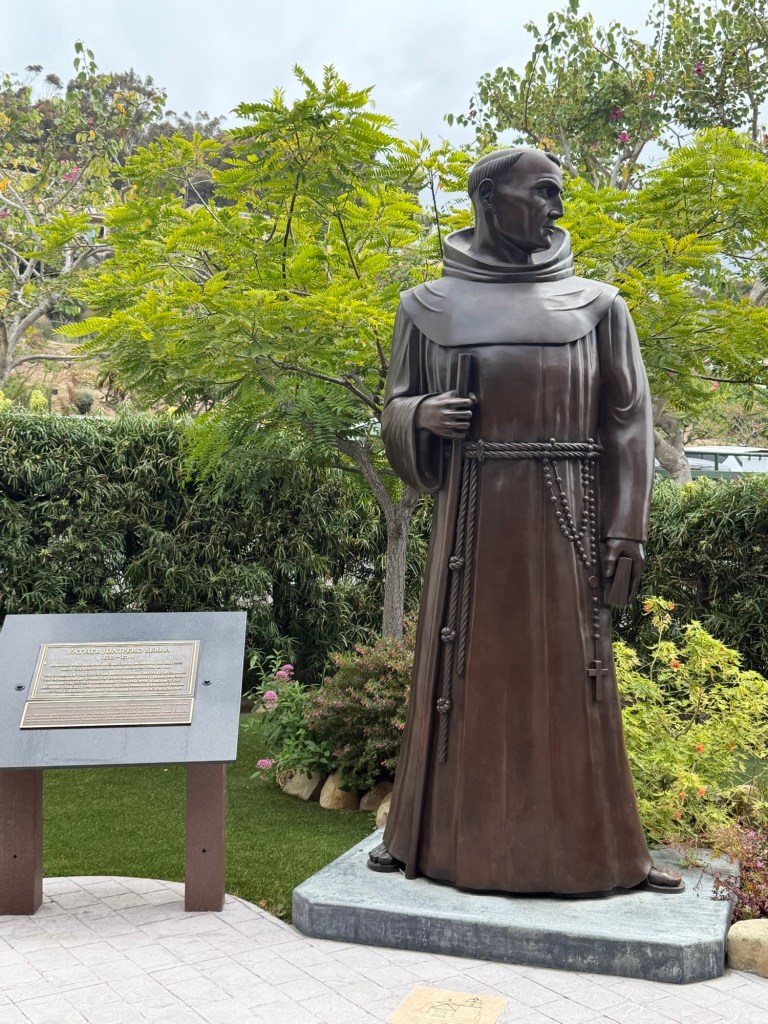
After spending time inside the museum, I wandered into the mission’s peaceful courtyard. It felt like stepping away from the busy streets of downtown Ventura into a quiet sanctuary. The garden is beautifully maintained, with colorful flowers, mature trees, and shaded walkways that invite visitors to slow down and reflect.
Stepping inside the church was a peaceful experience. The sanctuary is simple yet breathtaking, filled with natural light that highlights its white walls and historic architecture. Despite being one of California’s oldest missions, the church feels alive, continuing to serve both as a place of worship and as a living piece of history.
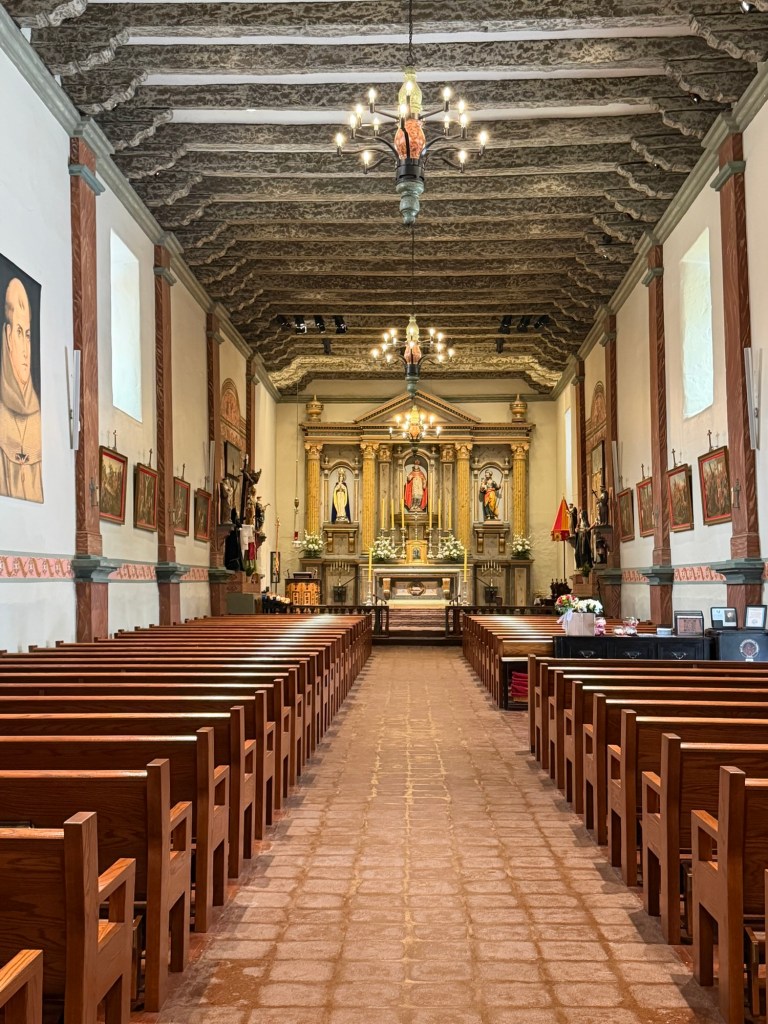
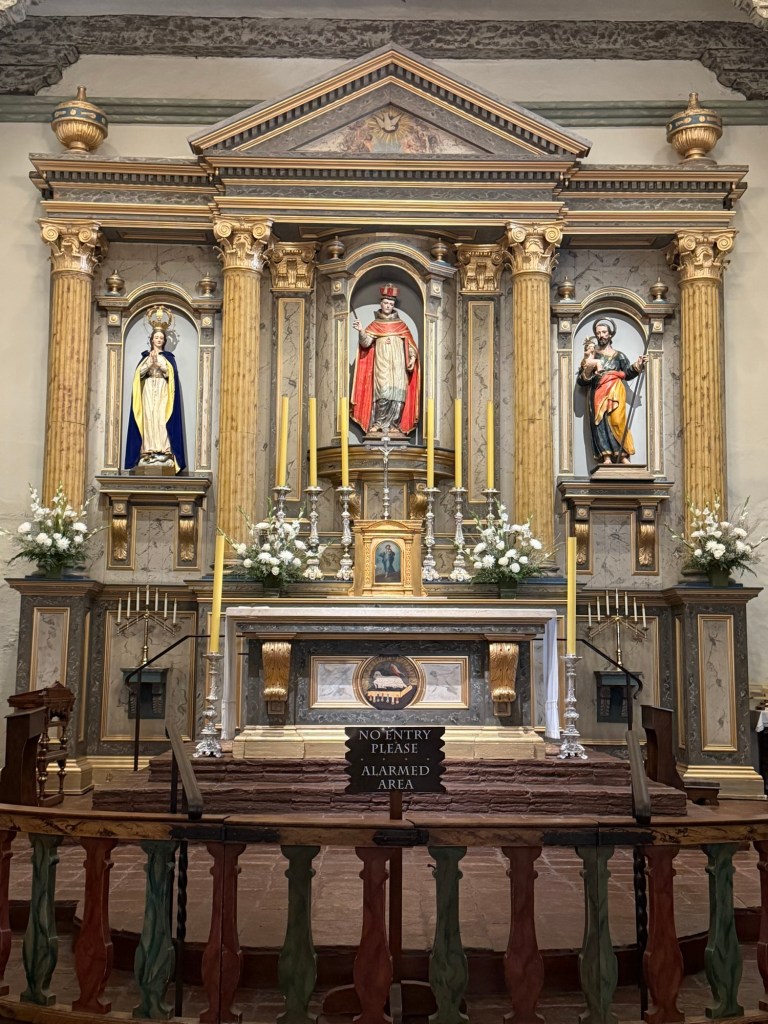
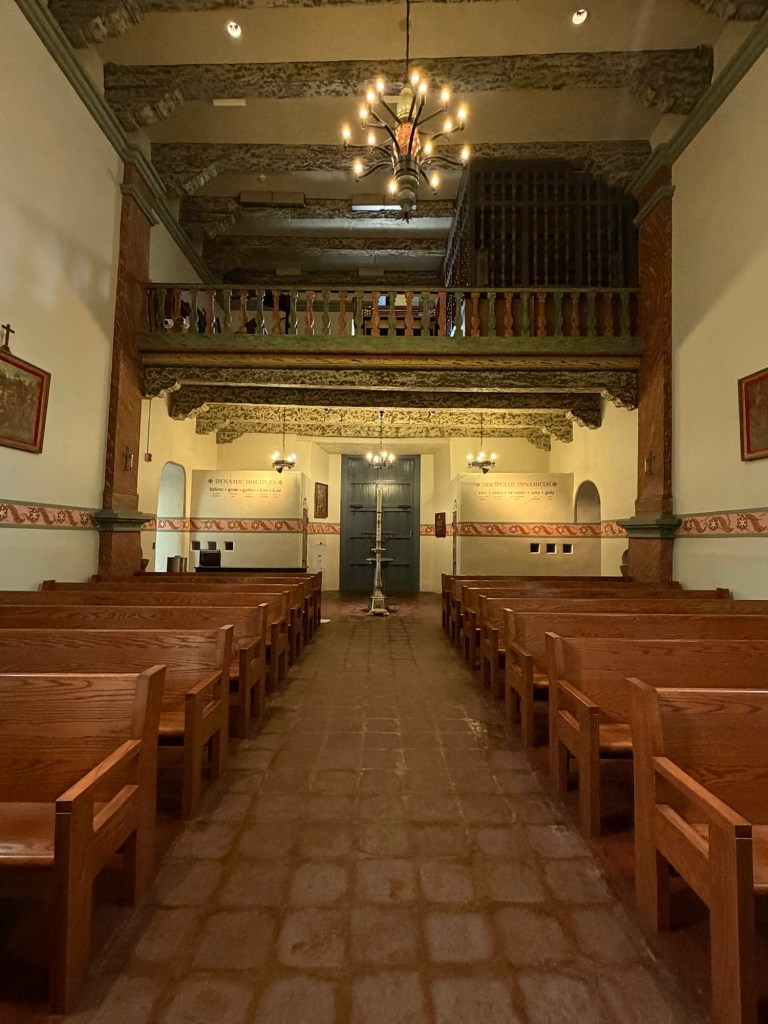
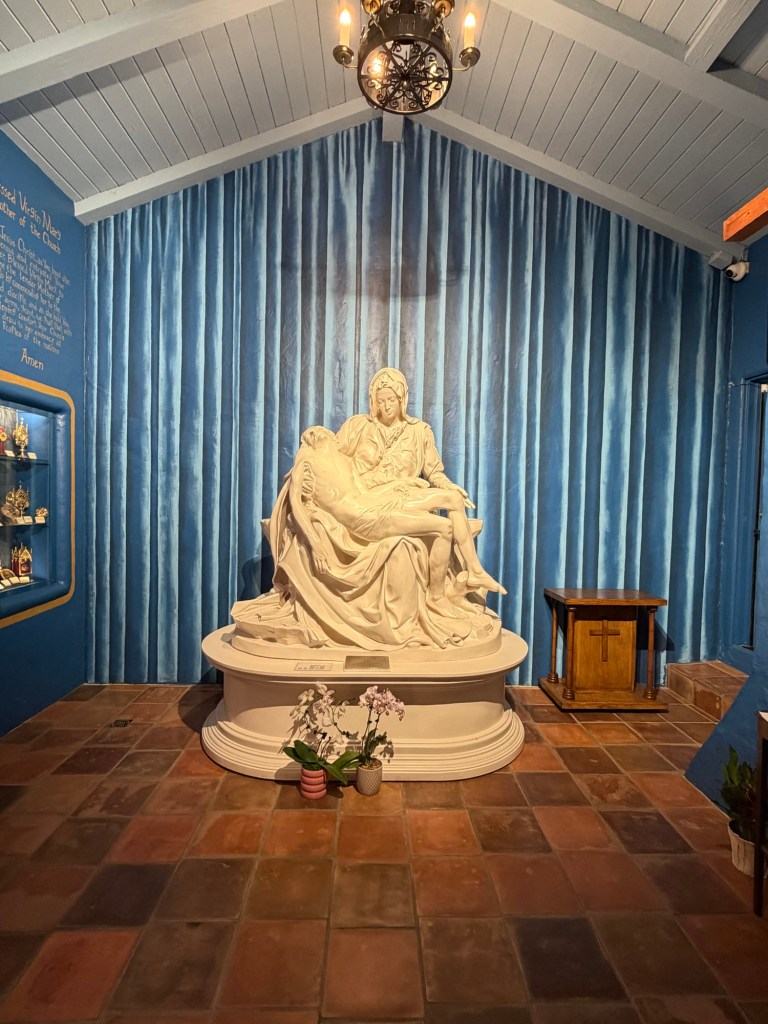
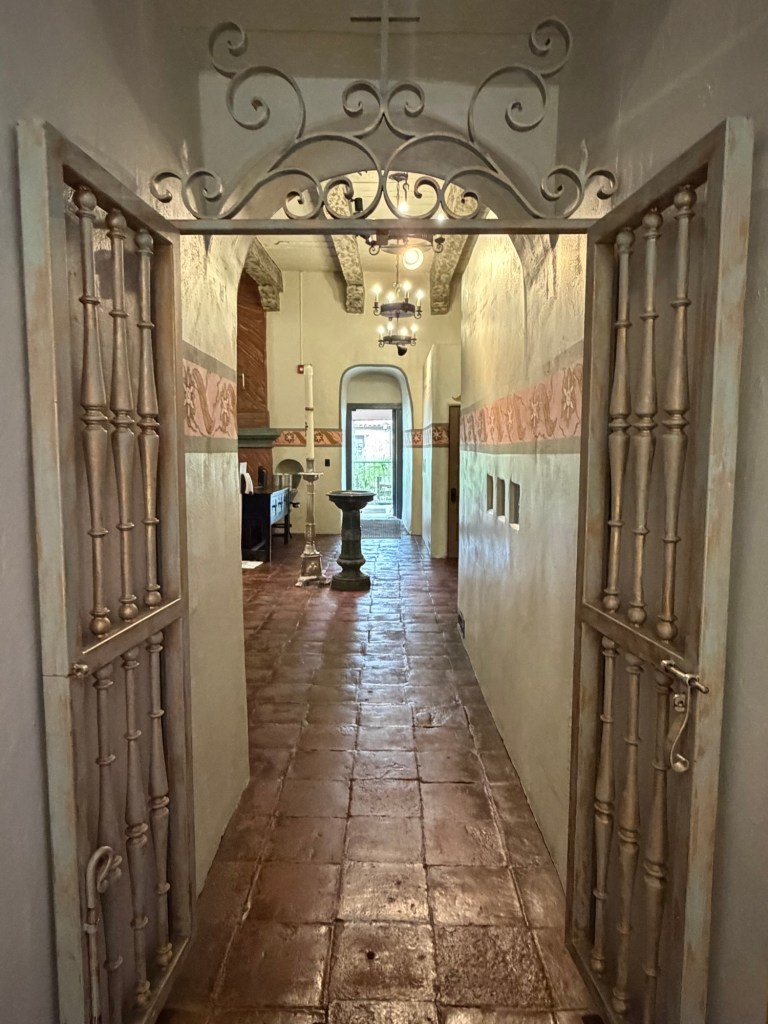
The altar immediately draws your attention. Beautifully designed and rich in detail, it reflects the Spanish colonial style while creating a sense of reverence and quiet reflection. Whether you’re religious or simply interested in history, it’s difficult not to appreciate the artistry and craftsmanship that have been preserved for generations.
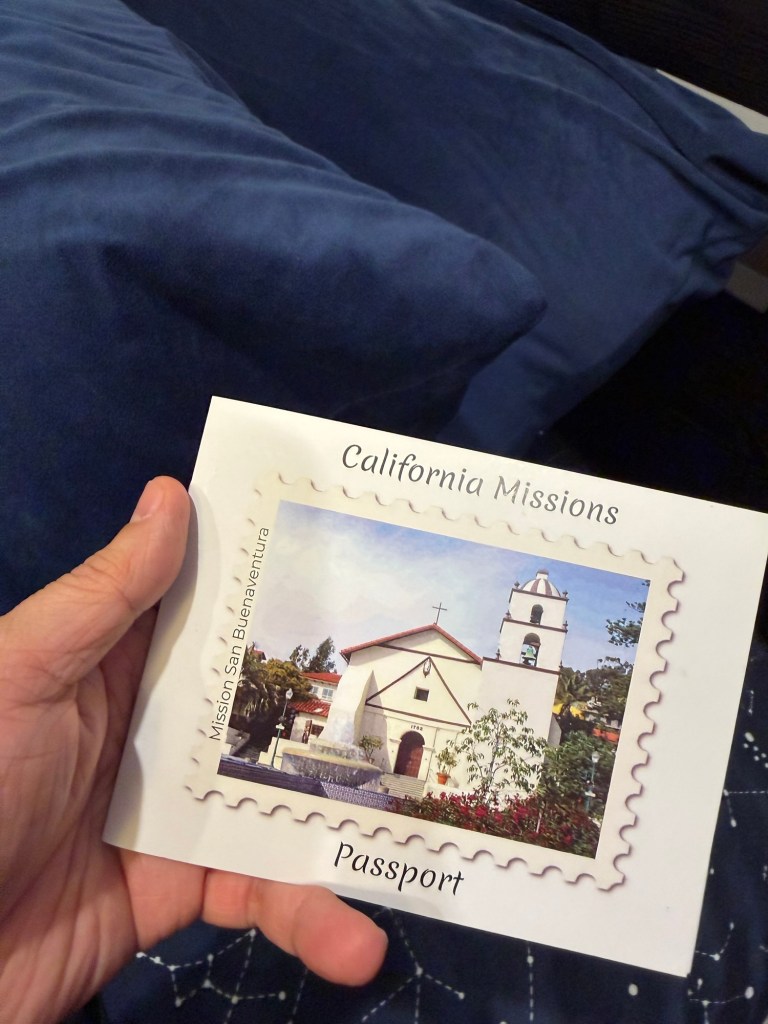
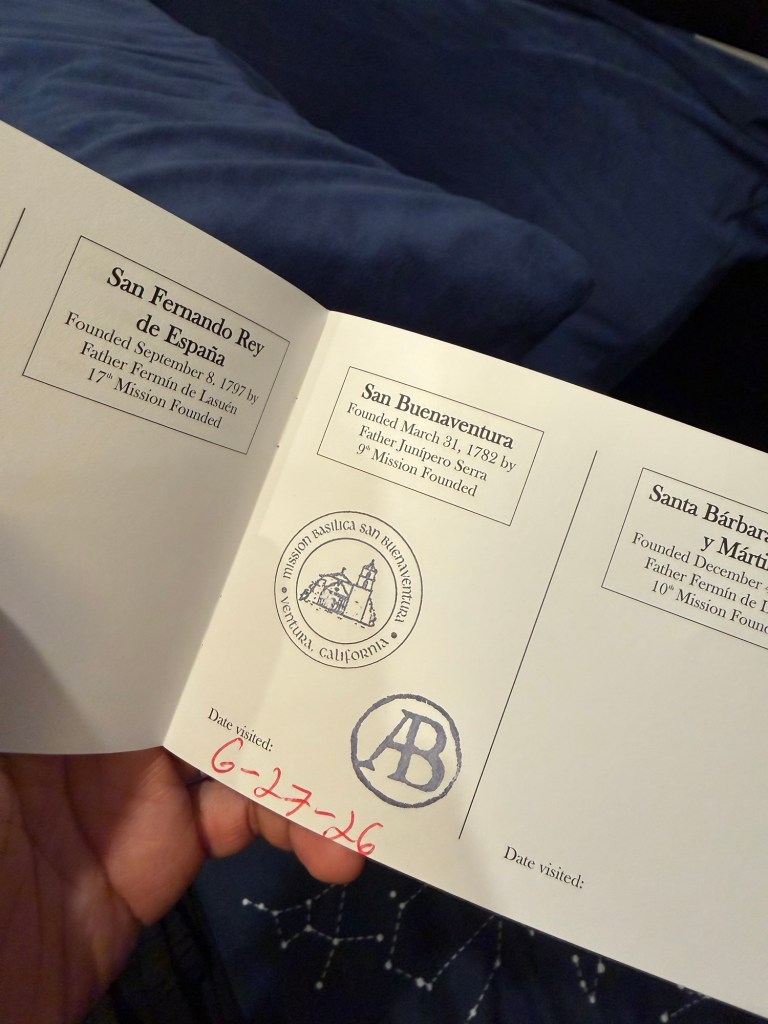
One tradition I’ve started on this mission journey is carrying my California Missions Passport. At every mission I visit, I look forward to getting it stamped. It’s a simple keepsake, but with every stamp it reminds me that I’m not just collecting destinations—I’m learning the stories behind each mission and deepening my understanding of California’s history, one visit at a time.
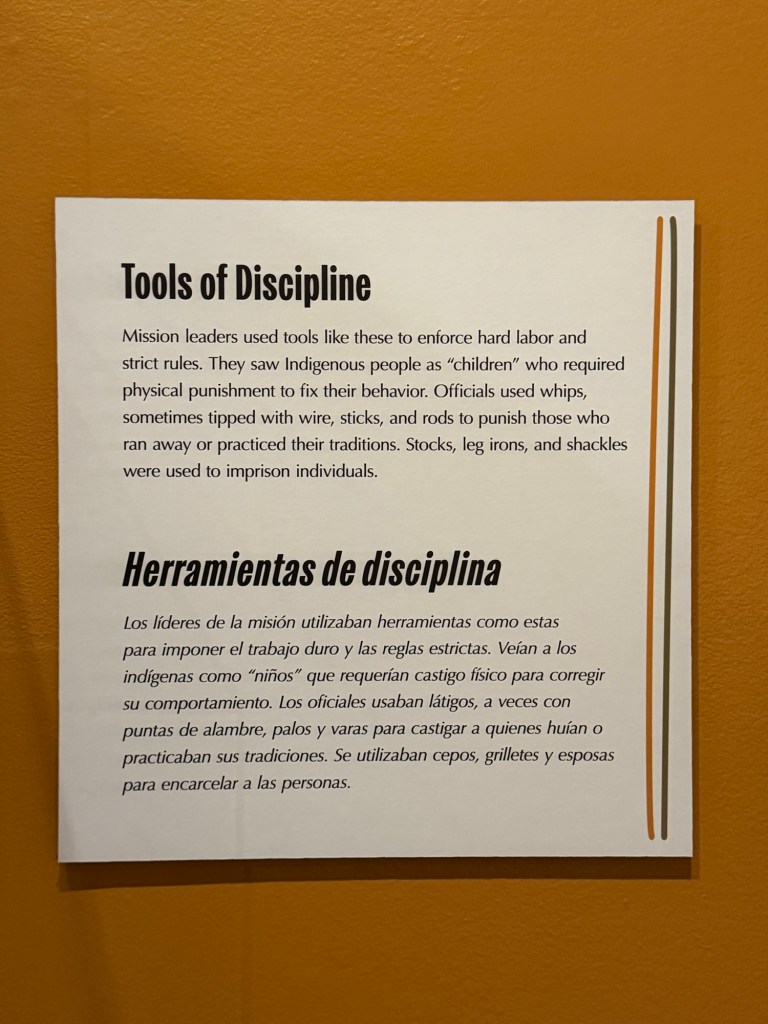
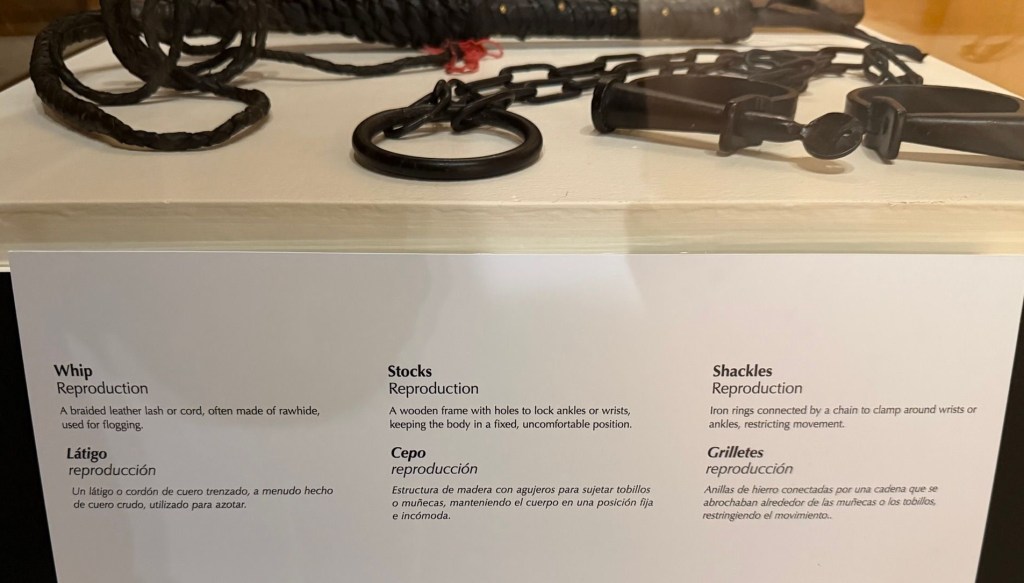
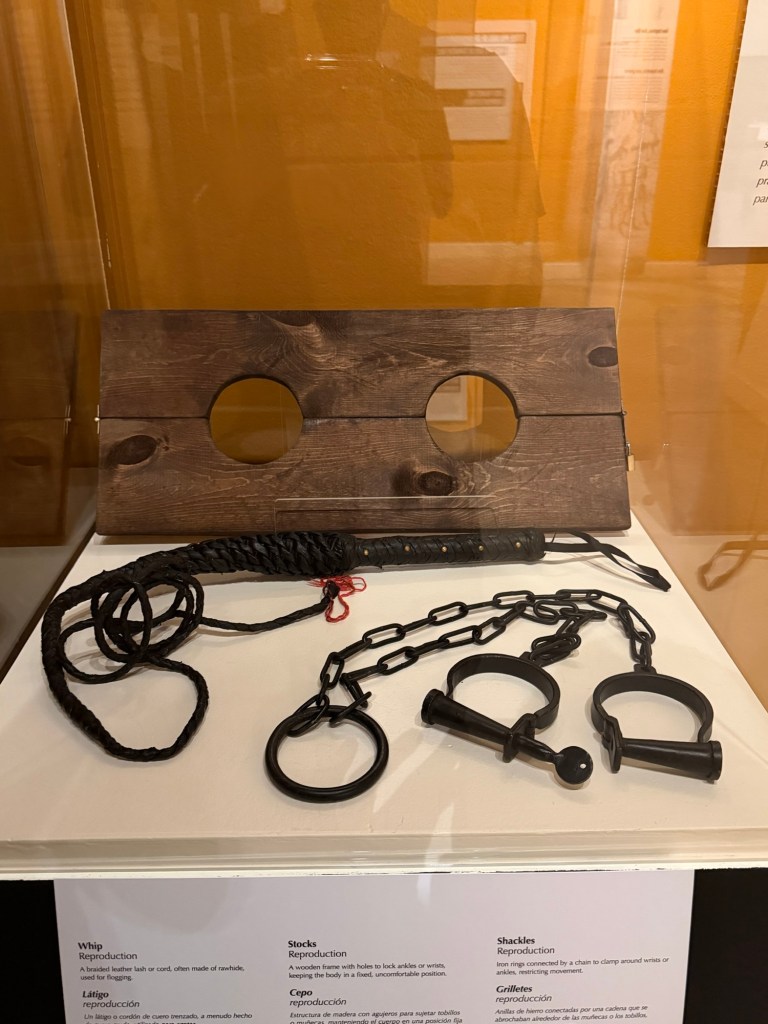
I also make it a point to pause for a quiet prayer—not only inside the church, but especially for the Native people who built these missions. I pray for the countless men, women, and children whose blood, sweat, and tears made these structures possible. I remember those who suffered, those who died, and those whose voices were silenced. Their lives and sacrifices must never be forgotten. They are not a footnote in California’s history—they are an essential part of it.
Mission San Buenaventura is more than just another stop on the California Mission Trail. It is a place where beauty, faith, history, and difficult truths exist together. Visiting with an open mind allows us to admire the beauty of the church while also honoring the Native communities whose labor, culture, and lives became intertwined with its story.
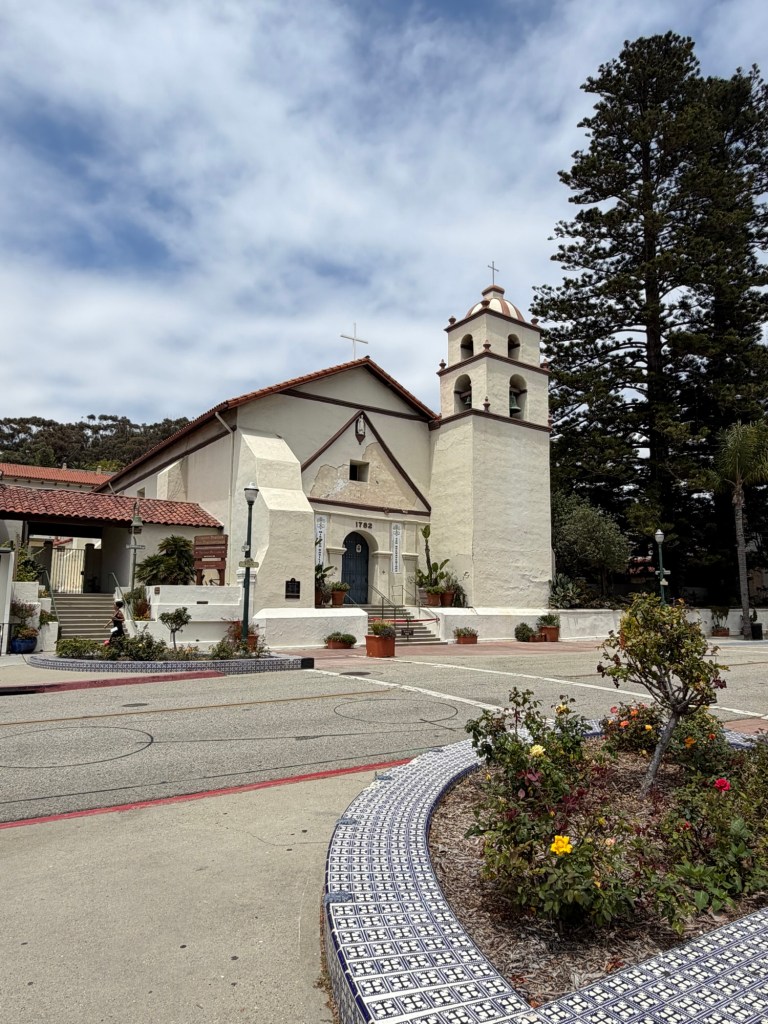
As I continue my journey to all 21 California missions, I hope each visit reminds me that understanding history means embracing both its beauty and its complexities. Only then can we truly appreciate the past and ensure that every part of the story—including those who have too often been overlooked—is remembered.


Leave a Reply