My interest in California’s missions began after my visit to Mission Santa Barbara. I arrived in Santa Barbara carrying a heavy heart, but I left with a renewed sense of purpose—a goal to visit all 21 California missions.
As a Filipino, I feel a special connection to these Spanish missions. The Philippines was under Spanish rule for more than three centuries, so the influence of Spanish Catholicism and mission life is familiar to me. As a Catholic living in California, I believe these missions are places worth visiting. And as an immigrant who now calls California home, I feel that learning about them is essential. Ignoring the history of the place where we live is a missed opportunity, because understanding the past helps us better understand the present and where we are headed.
After returning from Santa Barbara, I decided to begin my journey to all 21 missions. Living in Los Angeles, the closest missions are Mission San Gabriel Arcángel and Mission San Fernando Rey de España. I chose to start with Mission San Gabriel, eager to learn more about California’s rich and complex history.
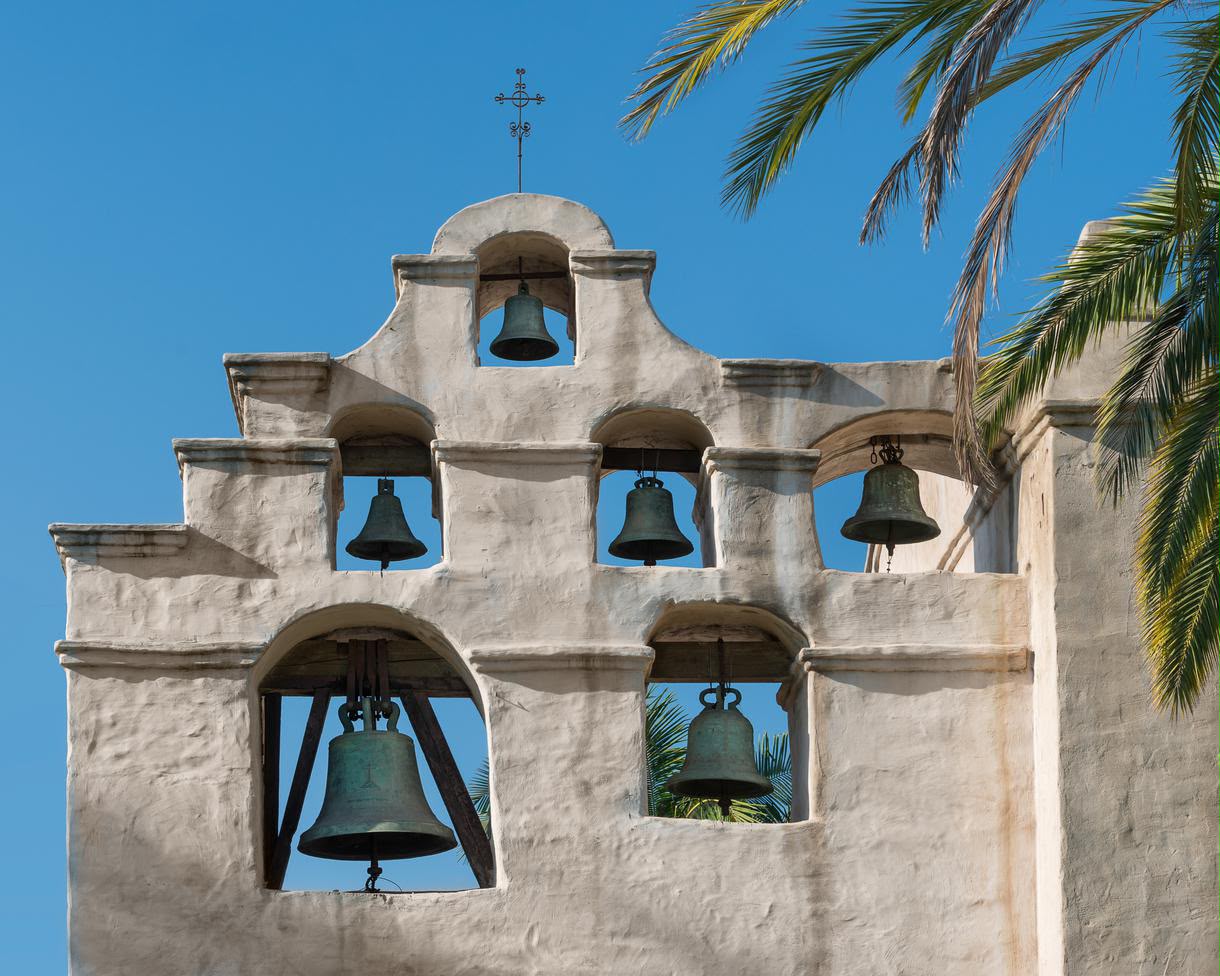
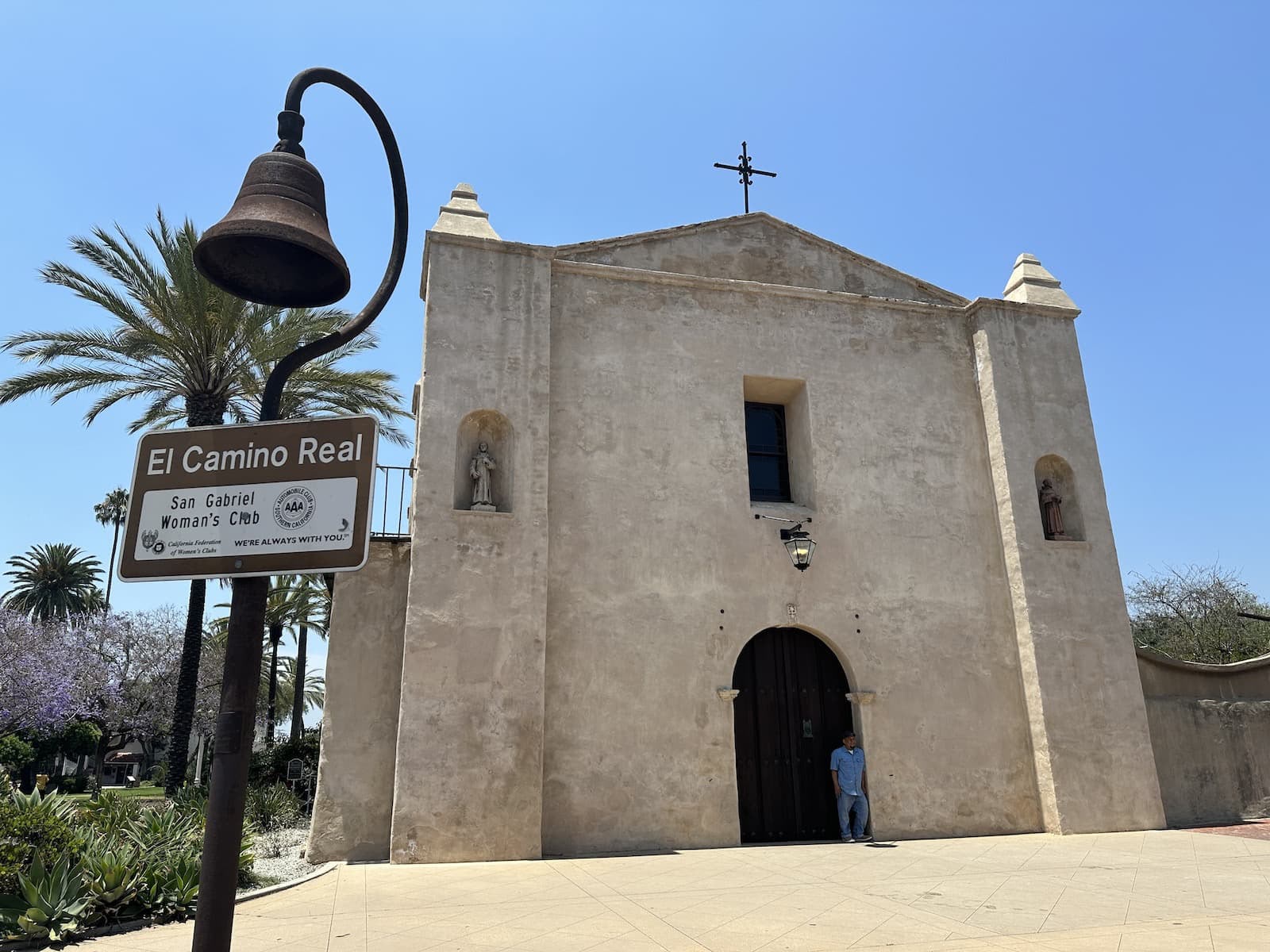
Mission San Gabriel Arcángel was the fourth mission founded by Father Junípero Serra, who was later canonized as Saint Junípero Serra. As I explored the museum and read about its history, I learned that San Gabriel was one of the most prosperous missions in California. It thrived economically and played a significant role in converting Indigenous peoples to Catholicism.
Of course, the story of the mission system is not without controversy. There is a darker side to this history, particularly in its impact on Native communities. While that important subject deserves attention, I will discuss it in a separate section. For now, I want to focus on understanding the mission’s role in shaping early California and the legacy it left behind.
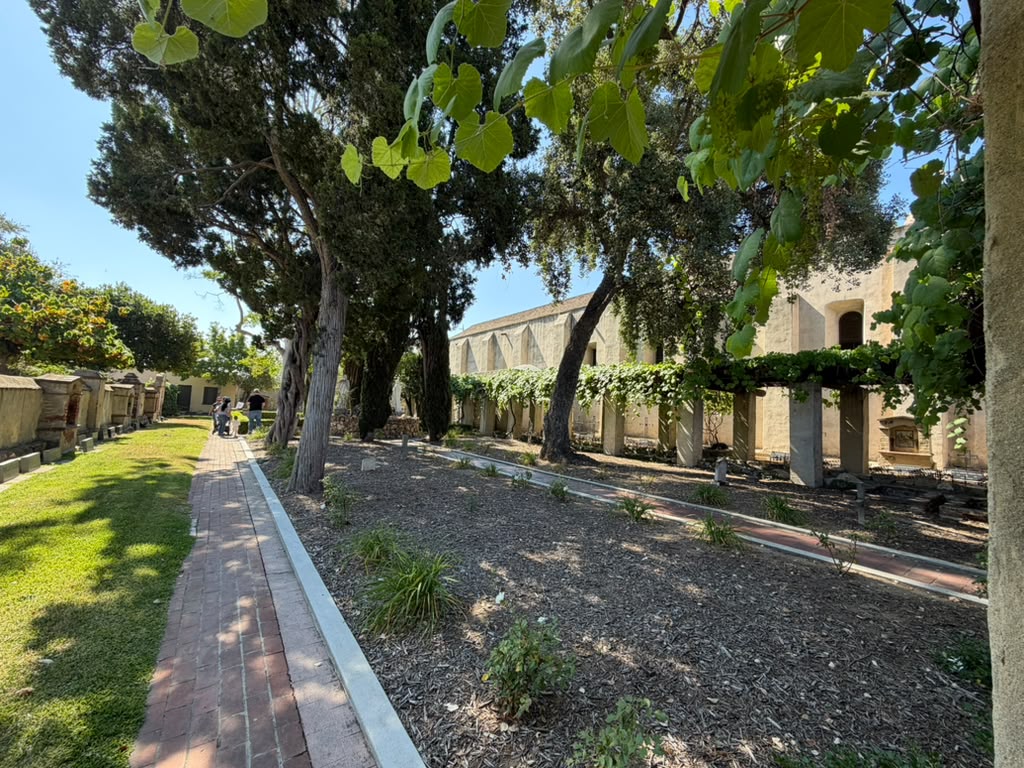
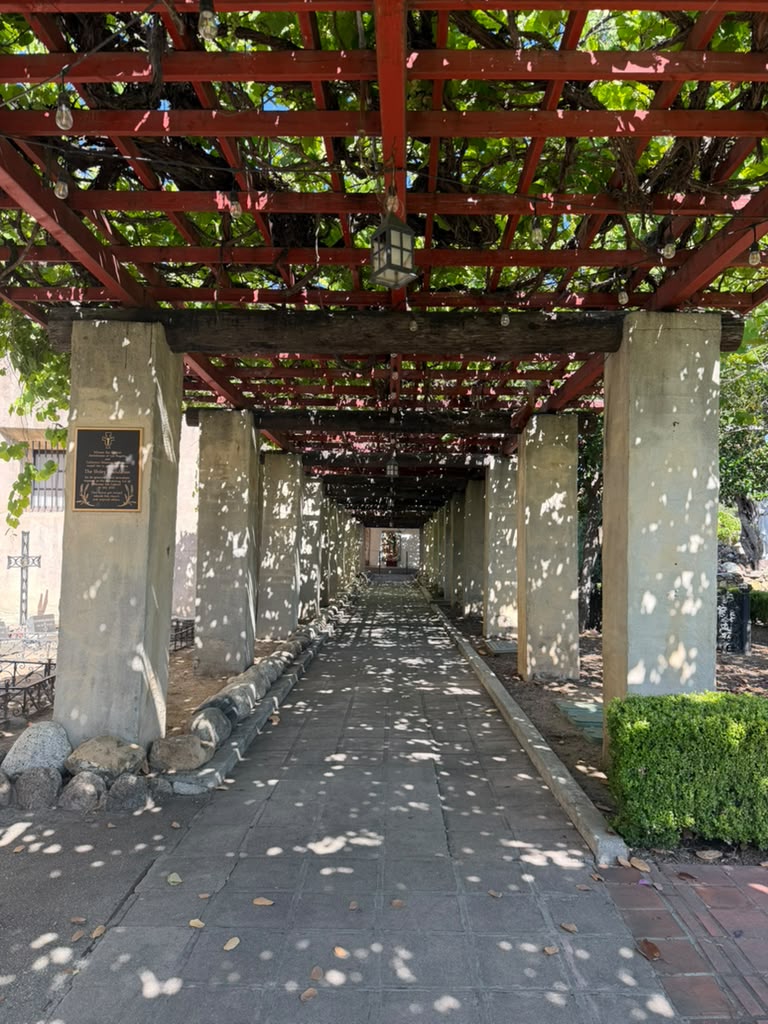
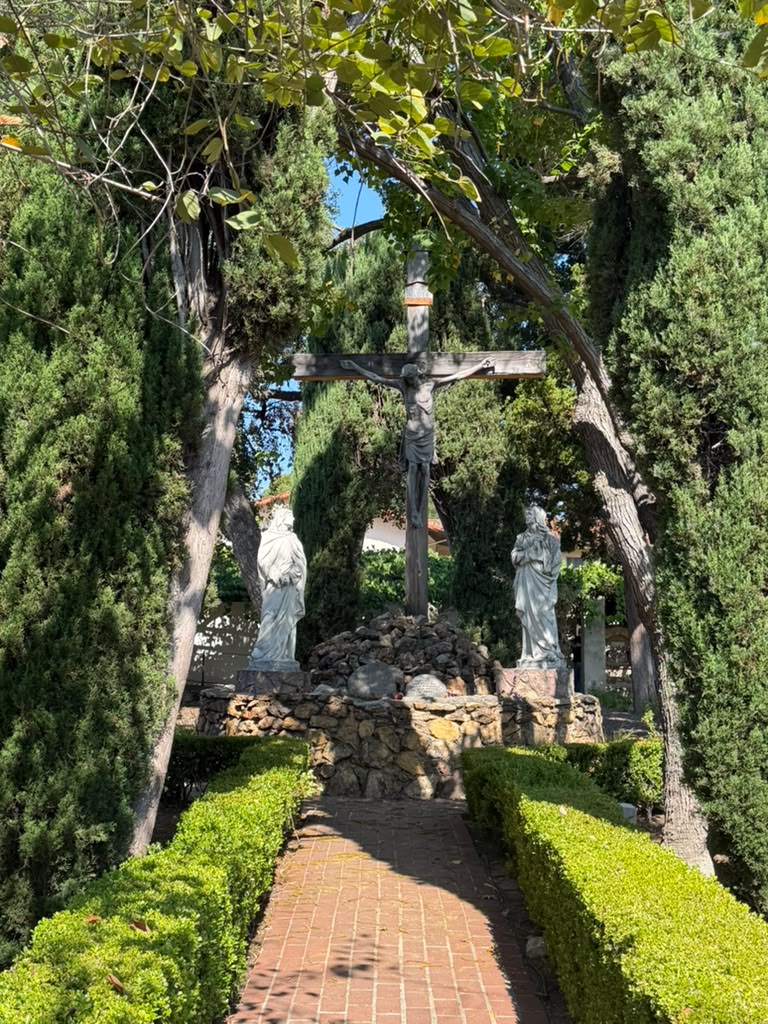
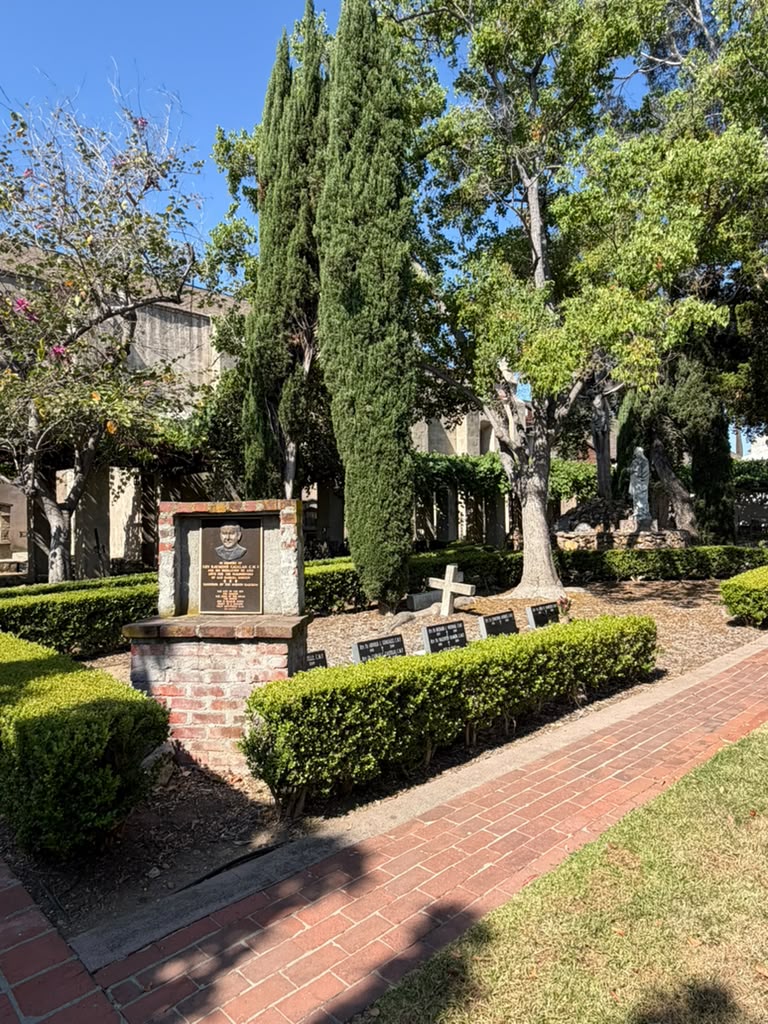
One thing I have noticed is that many of the mission churches have cemeteries located beside them. I have not yet visited all 21 missions, so I cannot say this with certainty, but it is a pattern I have observed in the missions I have explored so far.
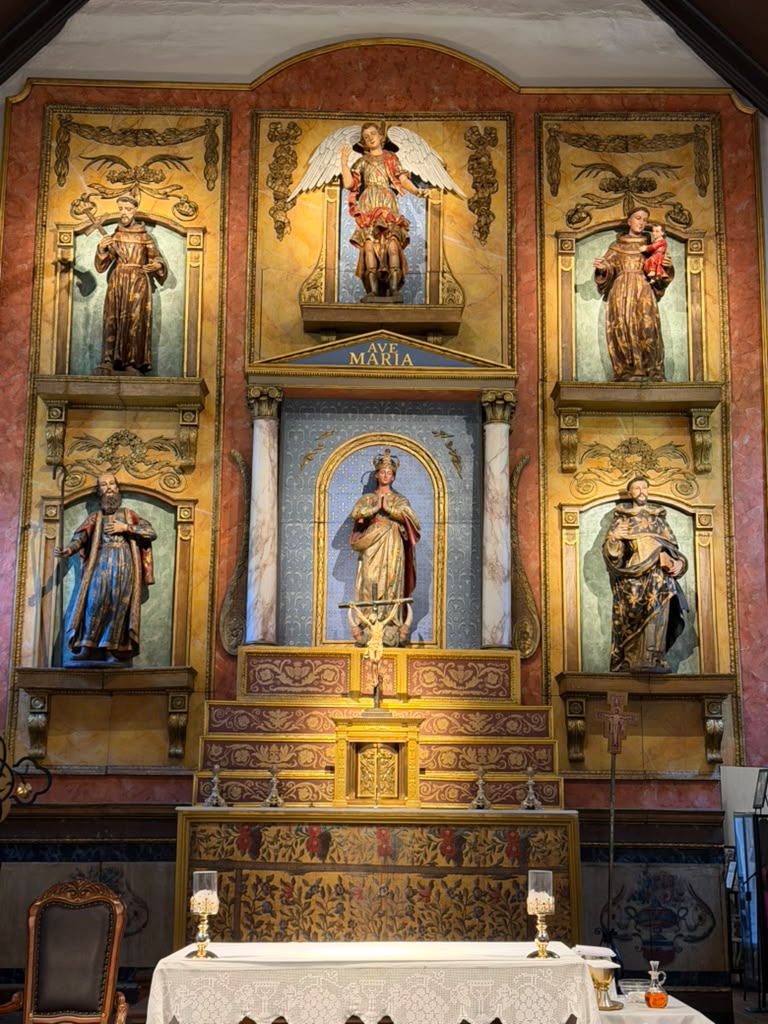
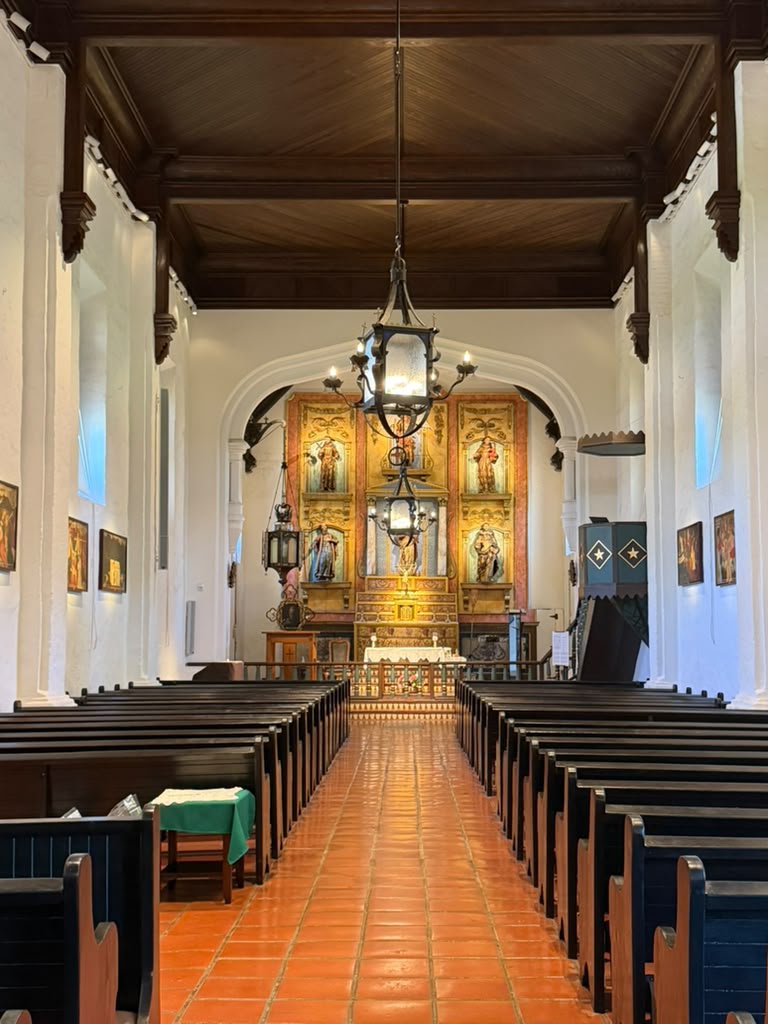
Inside the church, visitors are greeted by a beautiful and ornate altar. Six statues, originally brought from Spain, stand as reminders of the mission’s deep Spanish roots and religious heritage. As I admired the sanctuary, I couldn’t help but imagine that this was what many churches looked like during the Spanish colonial era—rich in symbolism, artistry, and devotion.
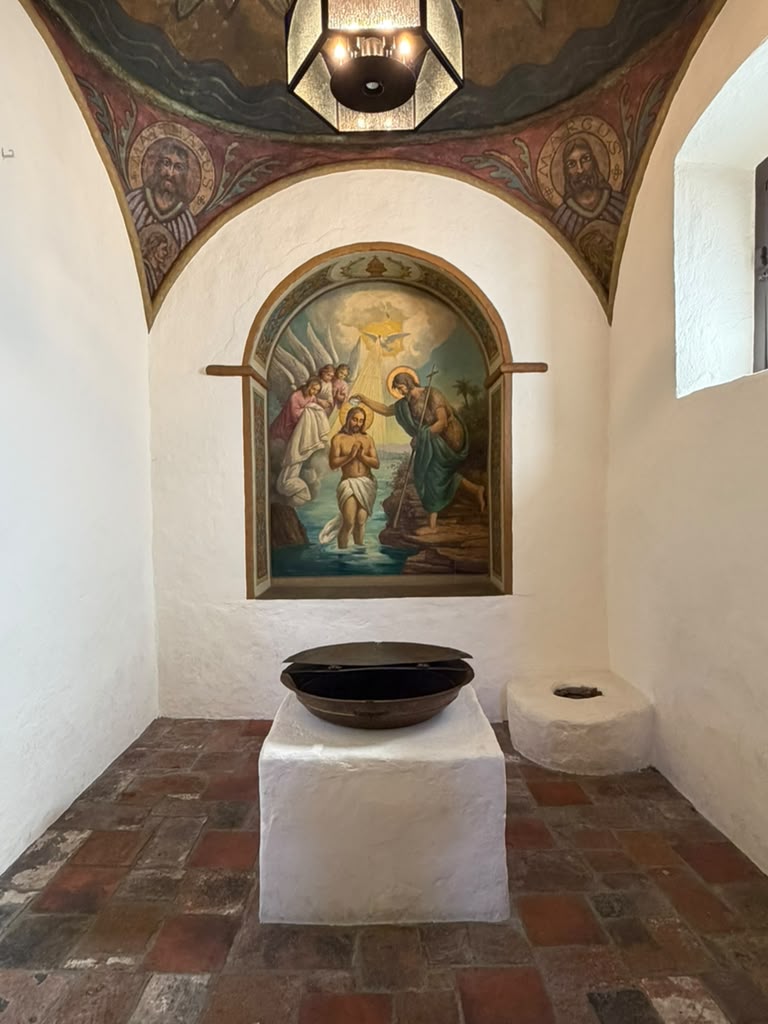
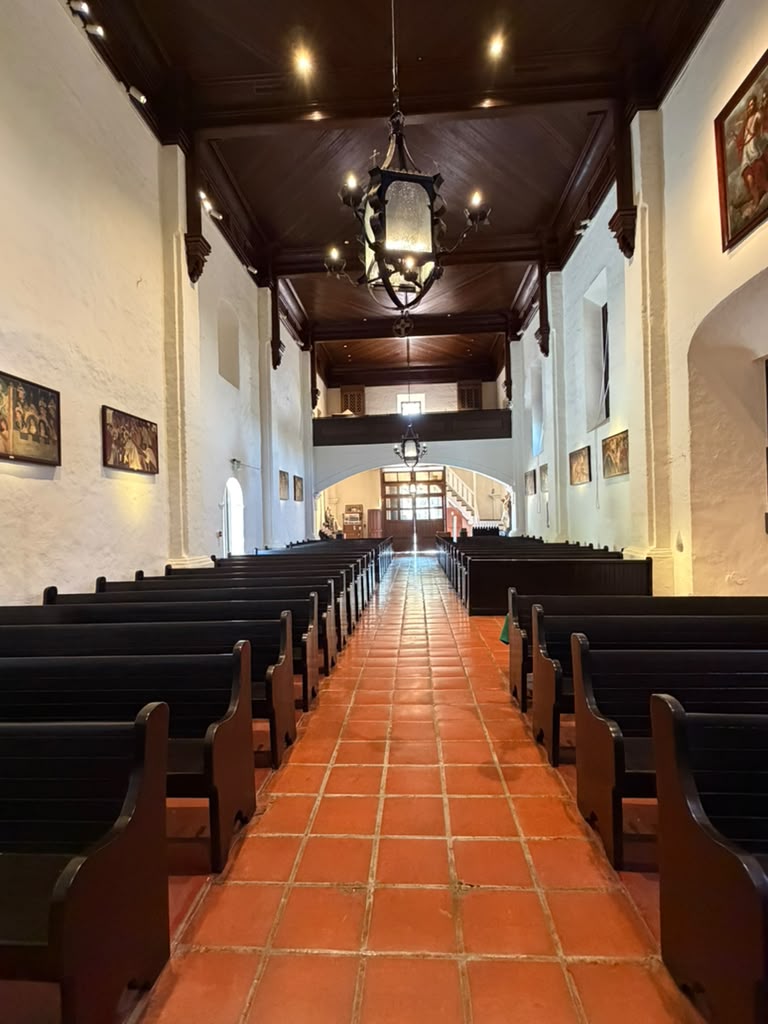
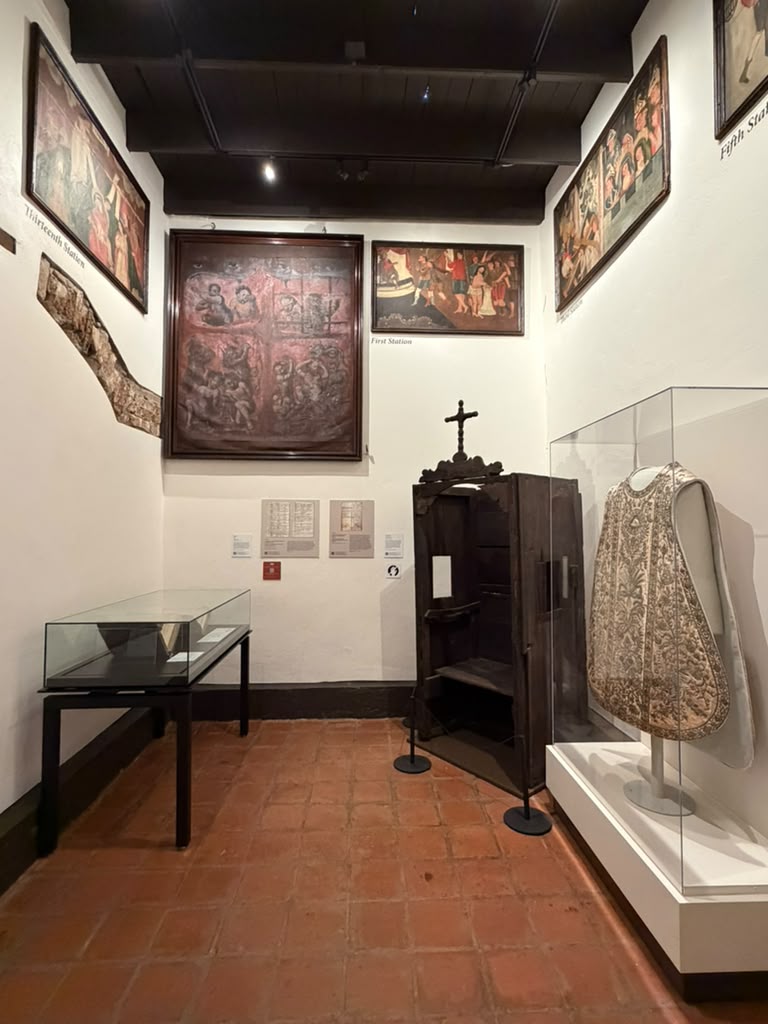
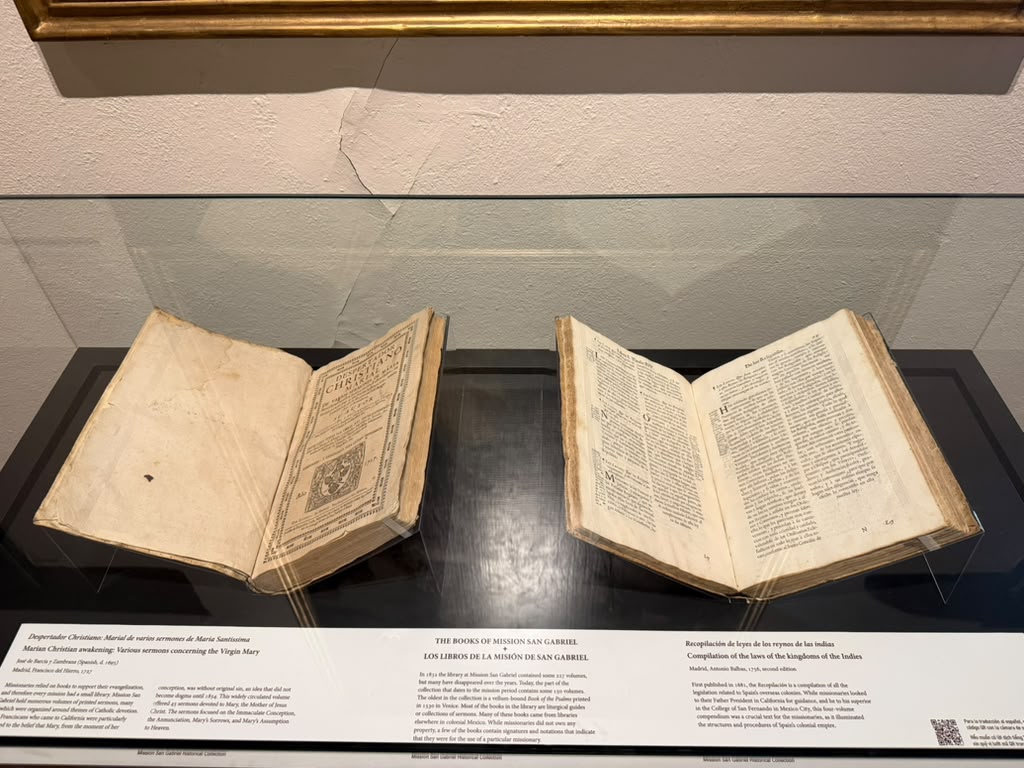
One thing I truly appreciate about these missions is that they all seem to have museums. As someone who loves history, I make it a point to read every exhibit and historical panel. During my visit, I learned about Toypurina, a Tongva medicine woman and leader who became known for her resistance to Spanish rule. Her story added another layer to my understanding of the mission’s complex history.
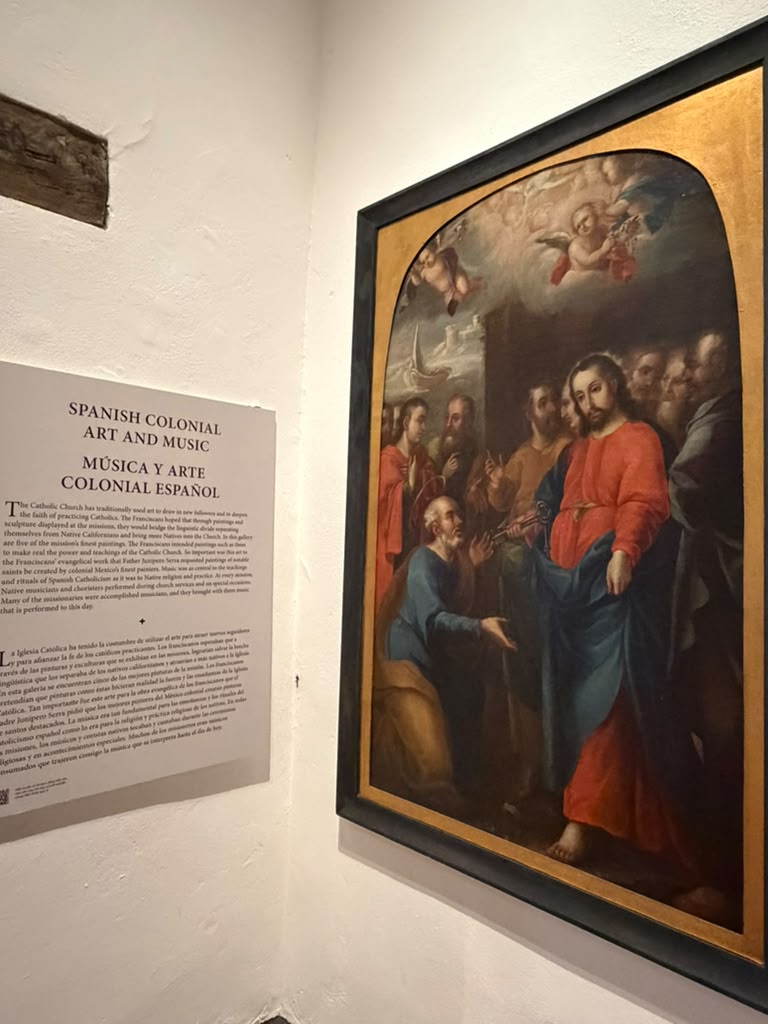
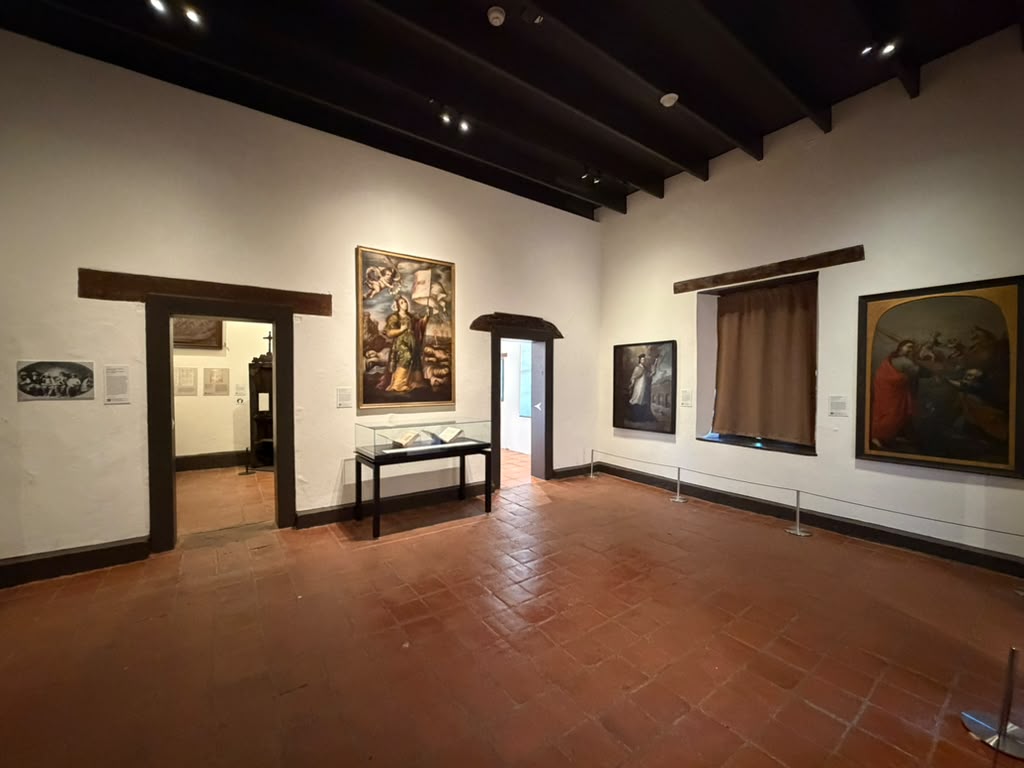
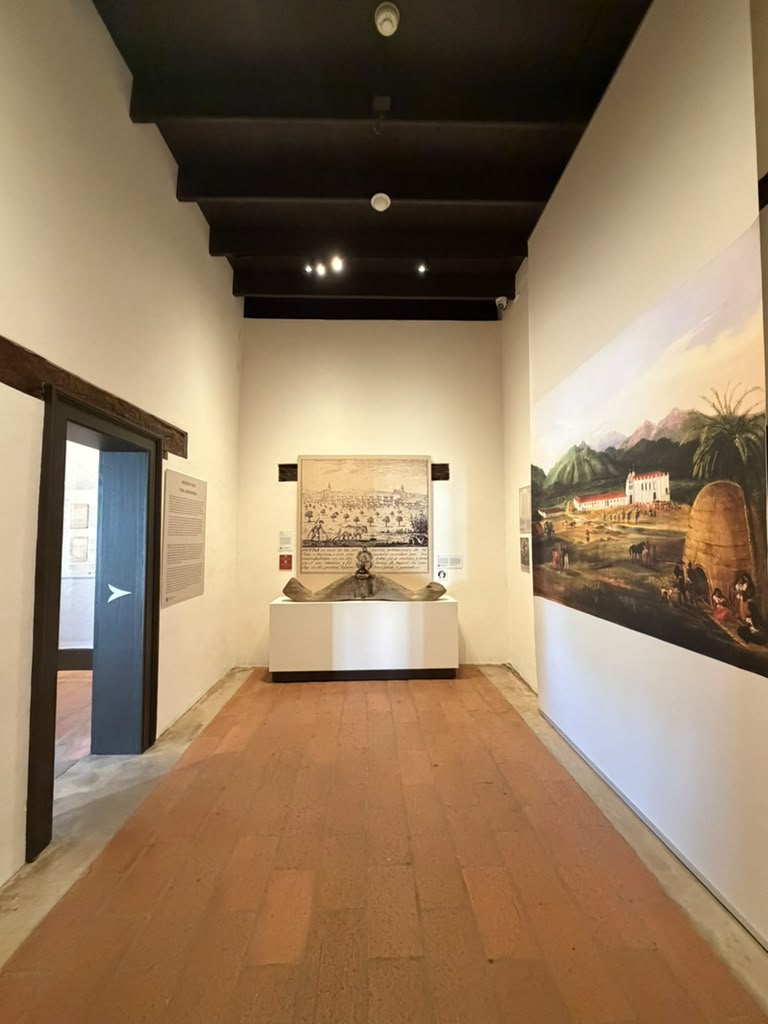
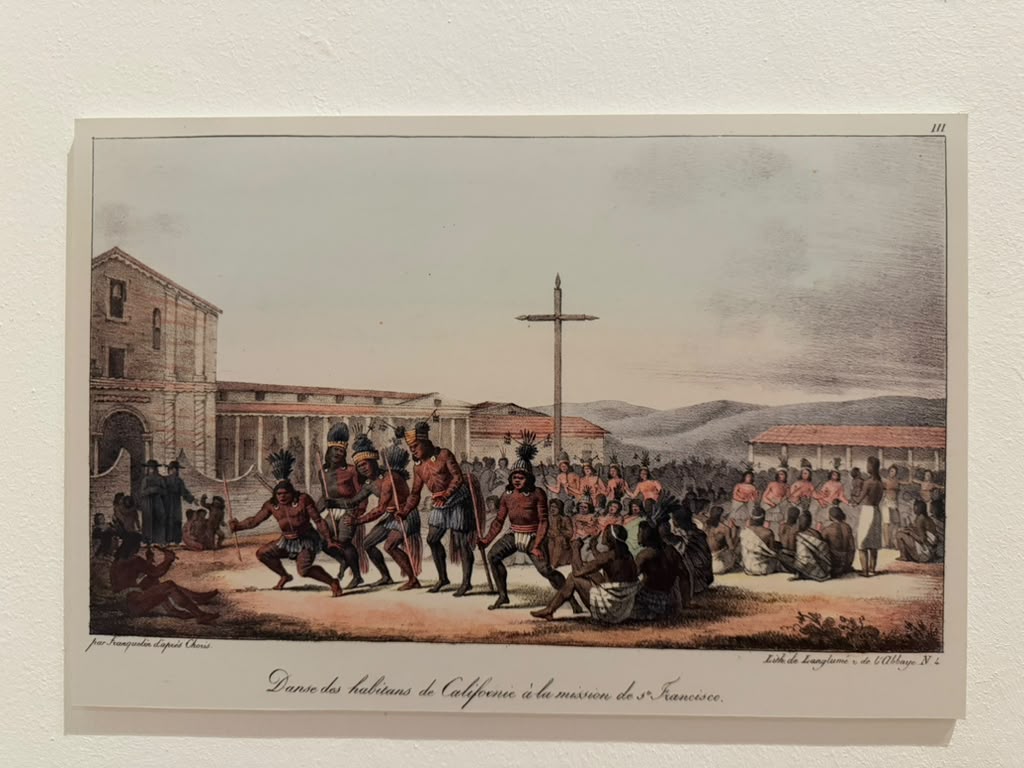
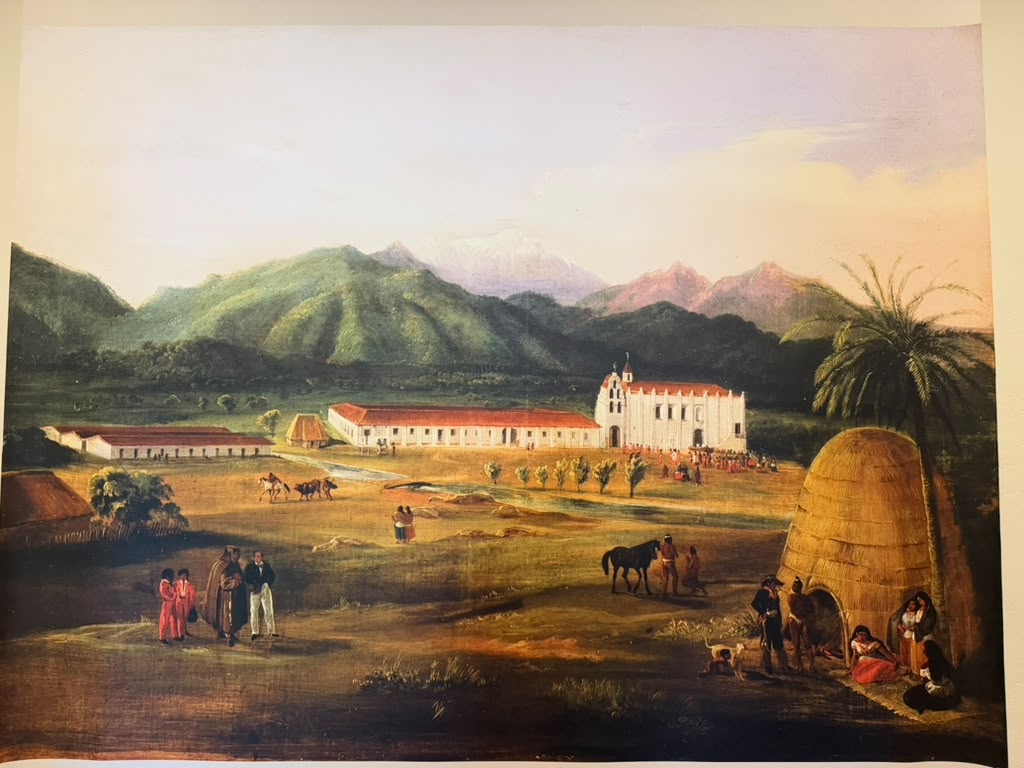
The layout of the mission resembles that of a presidio, or fortified settlement. Its design provided protection from outside threats, including wild animals, potential attacks, and conflicts with rival groups. Like many Spanish colonial establishments, the mission served not only as a religious center but also as a place of security and defense.
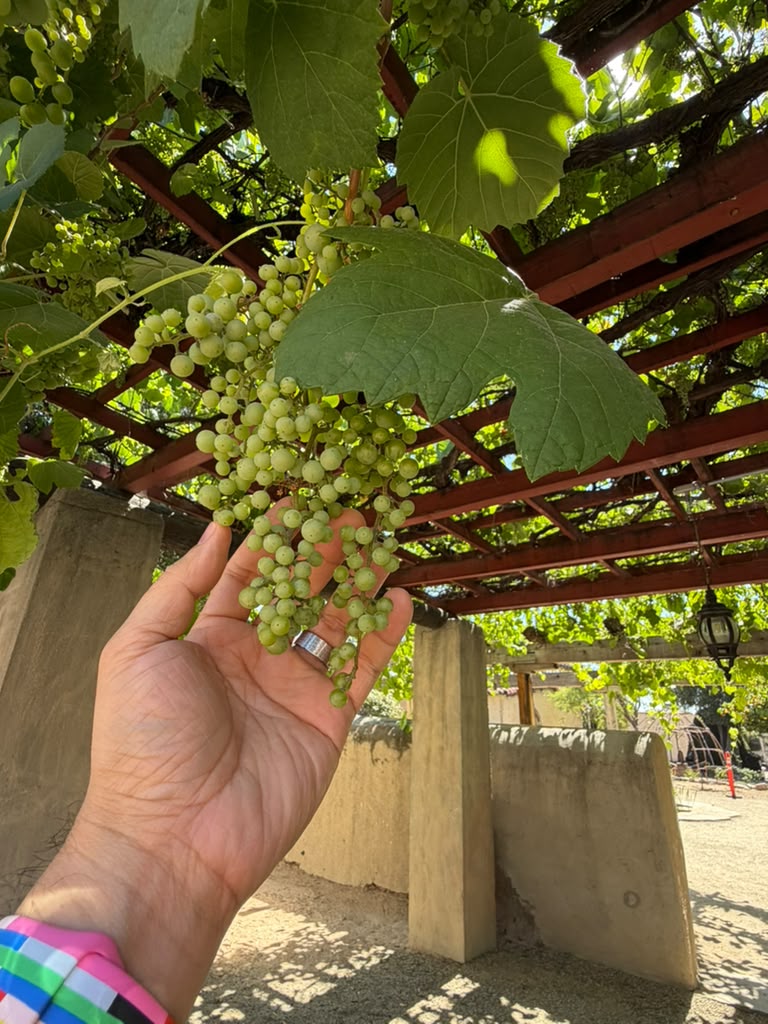
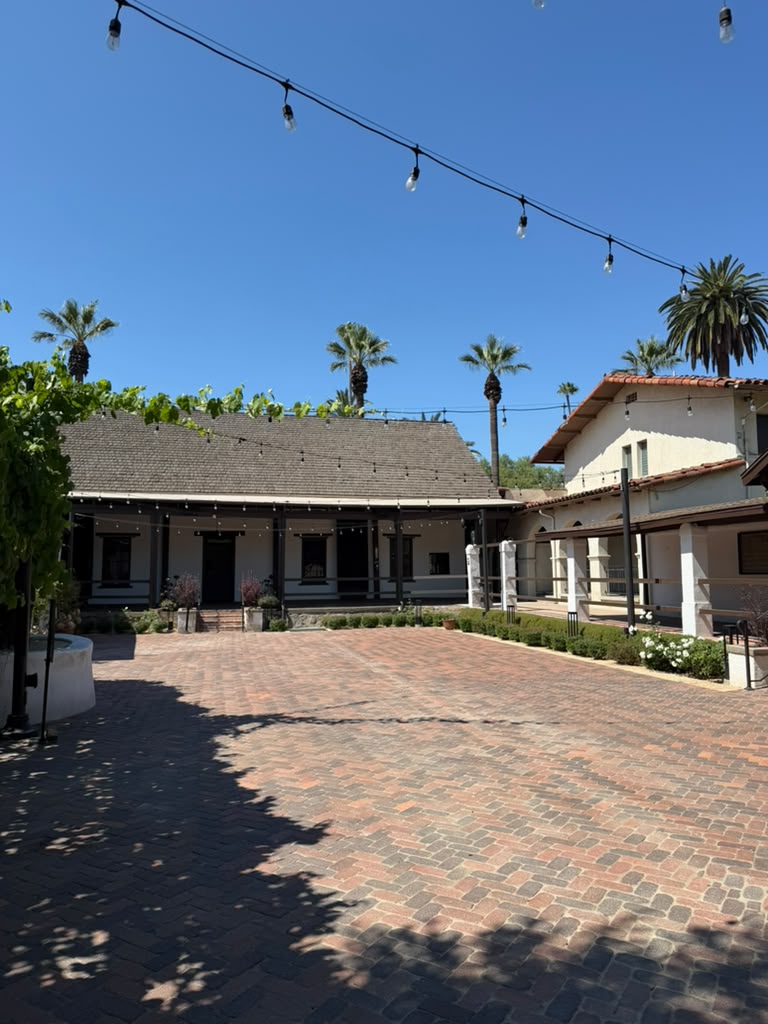
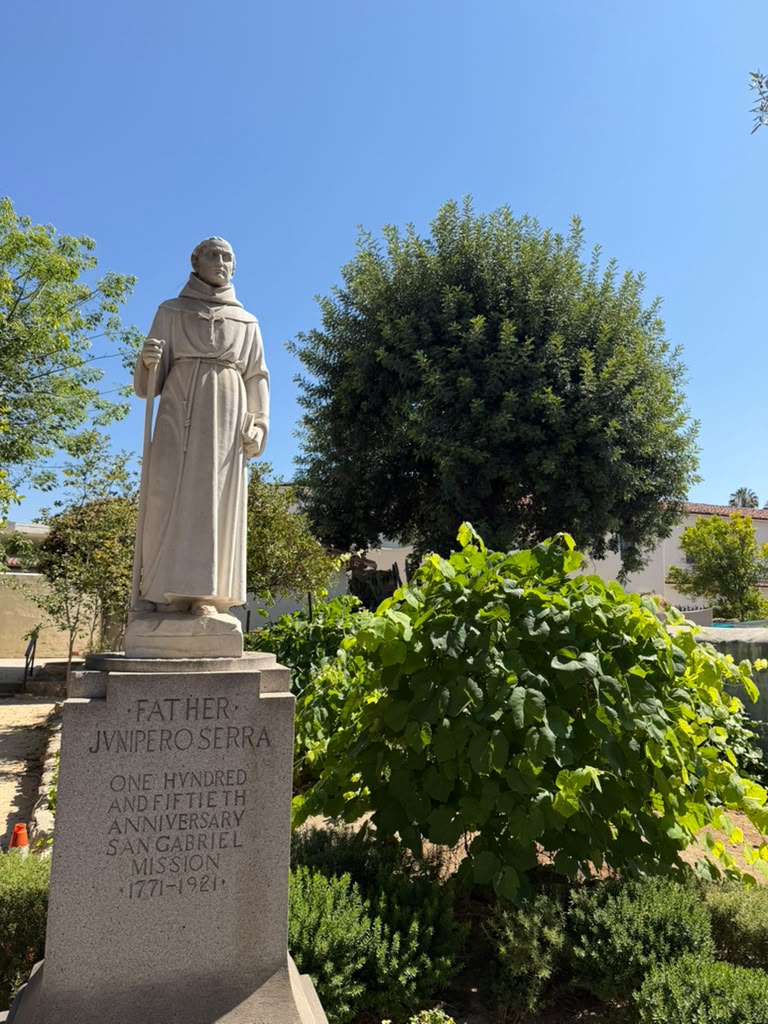
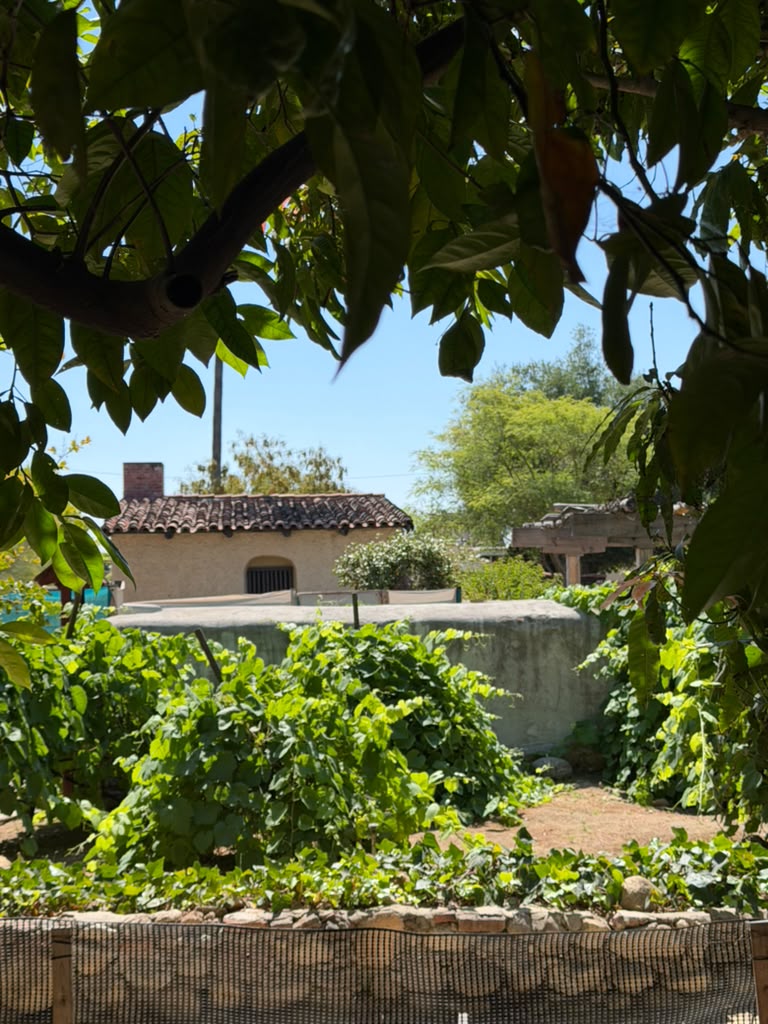
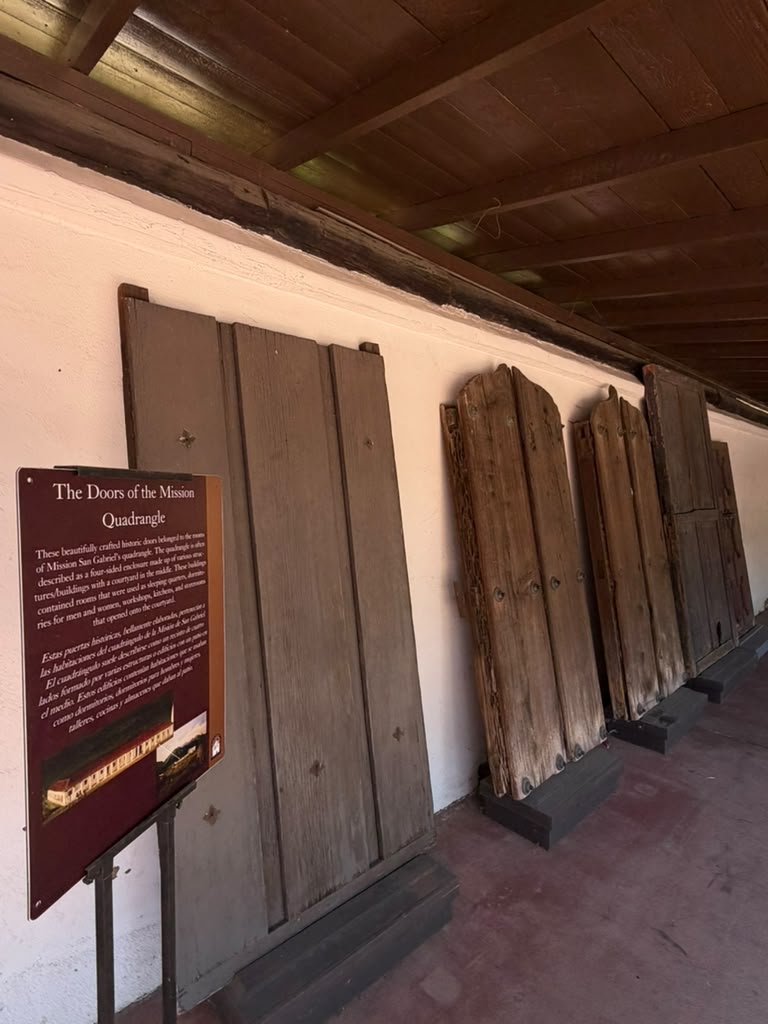
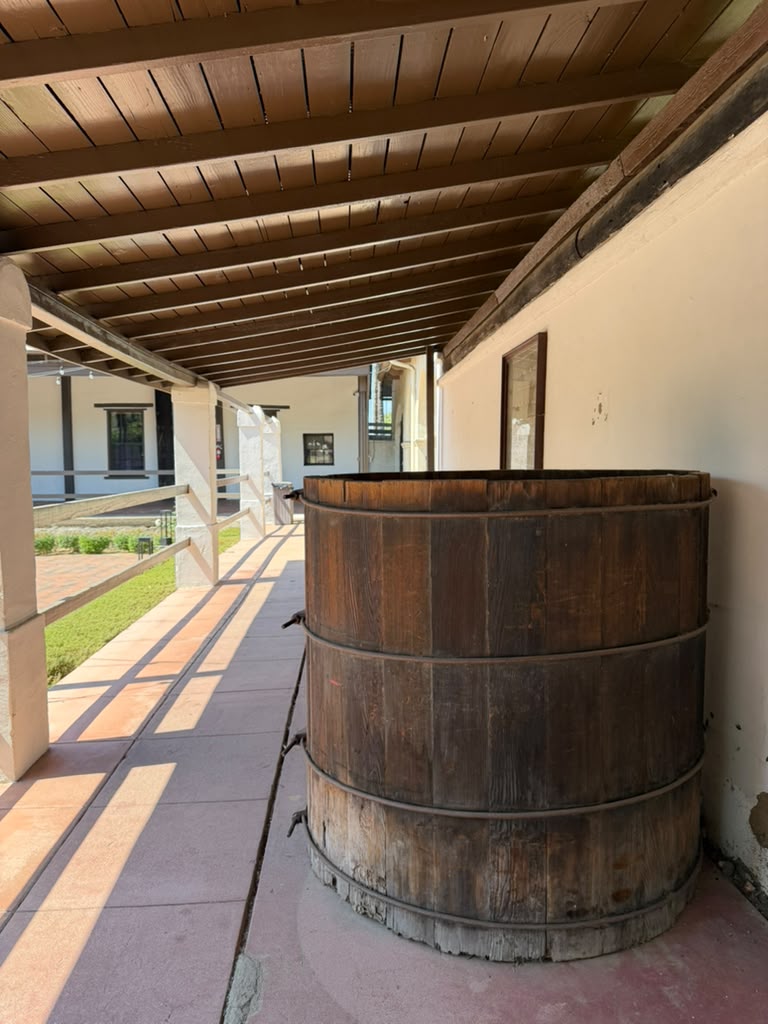
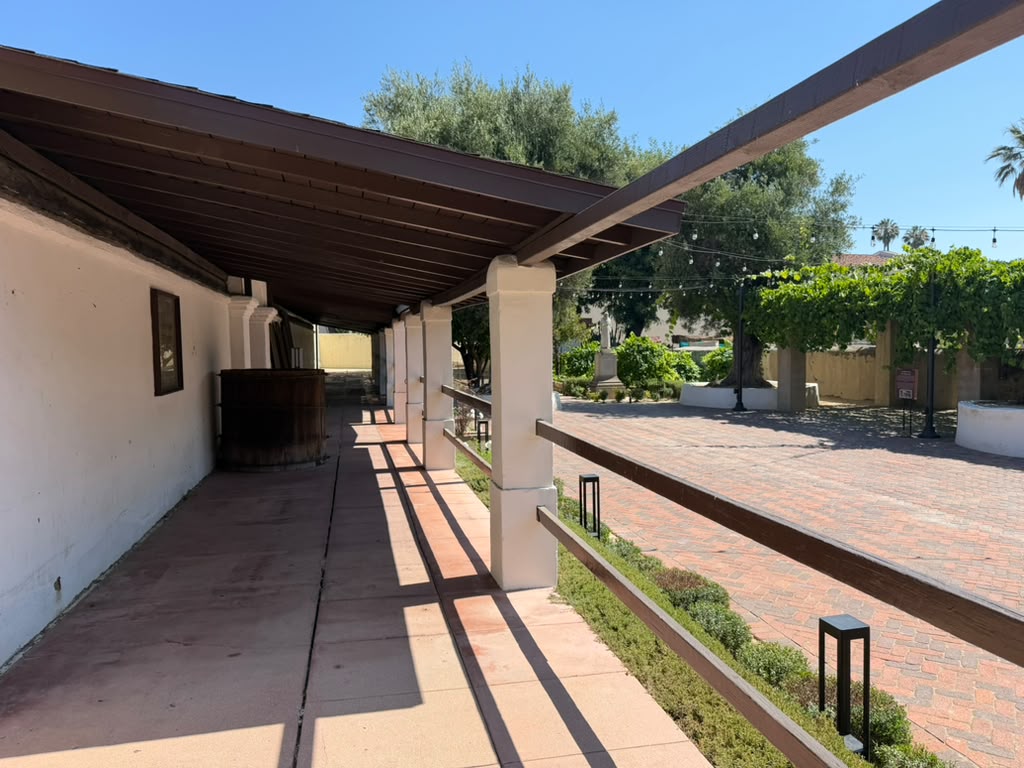
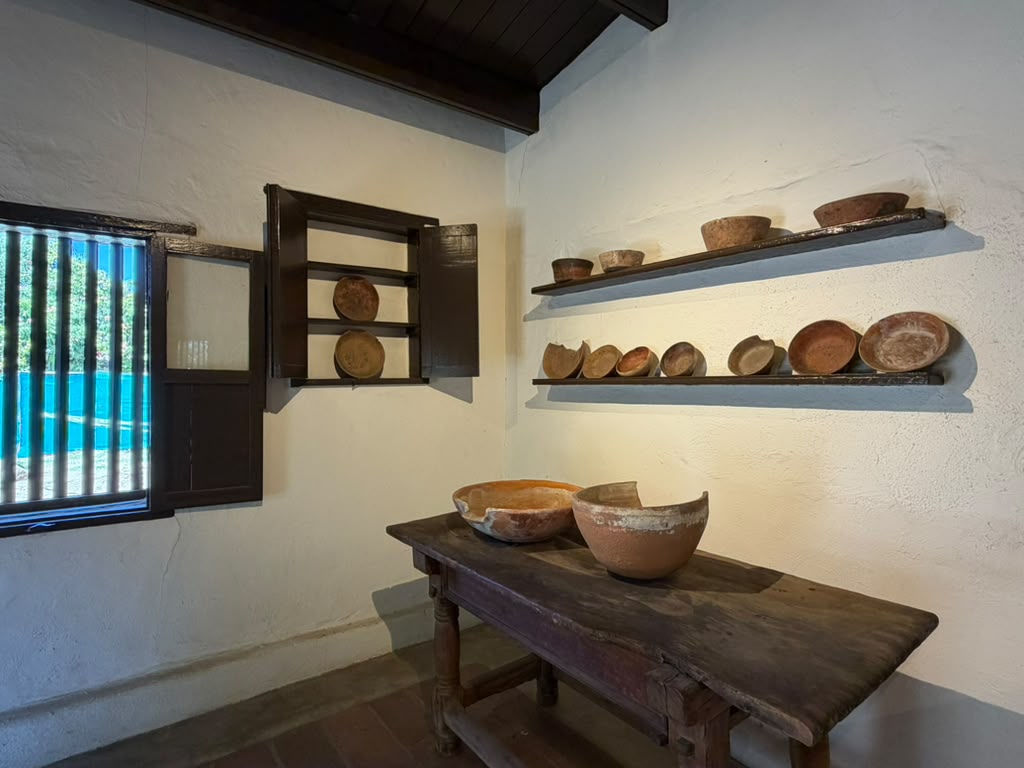
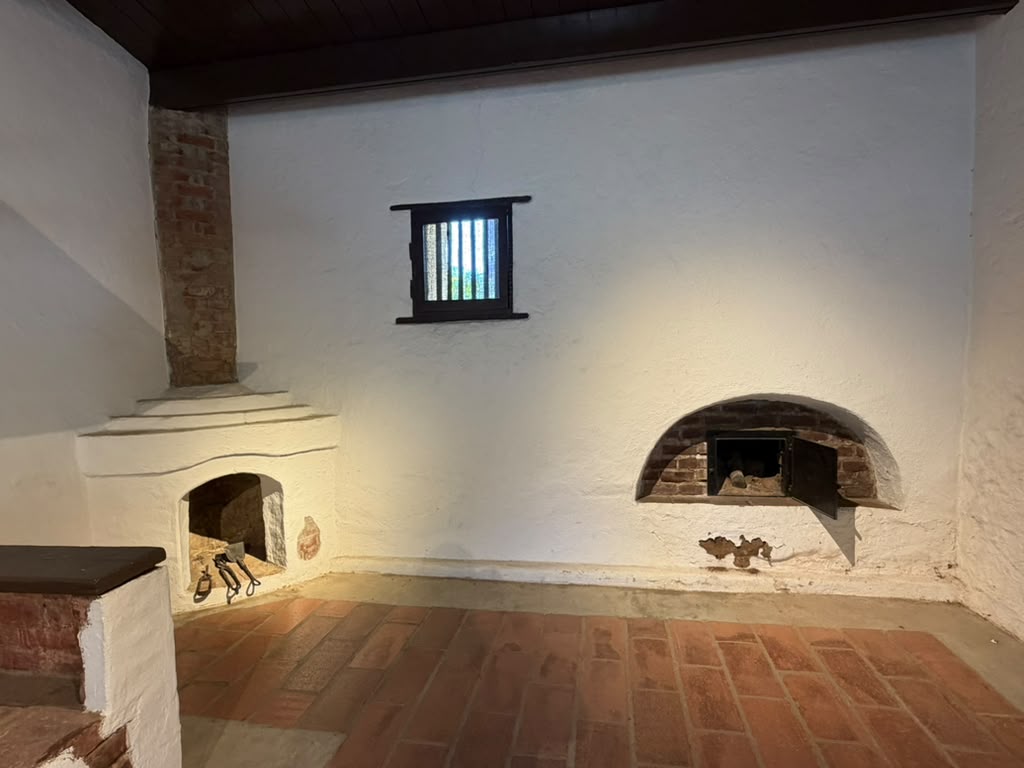
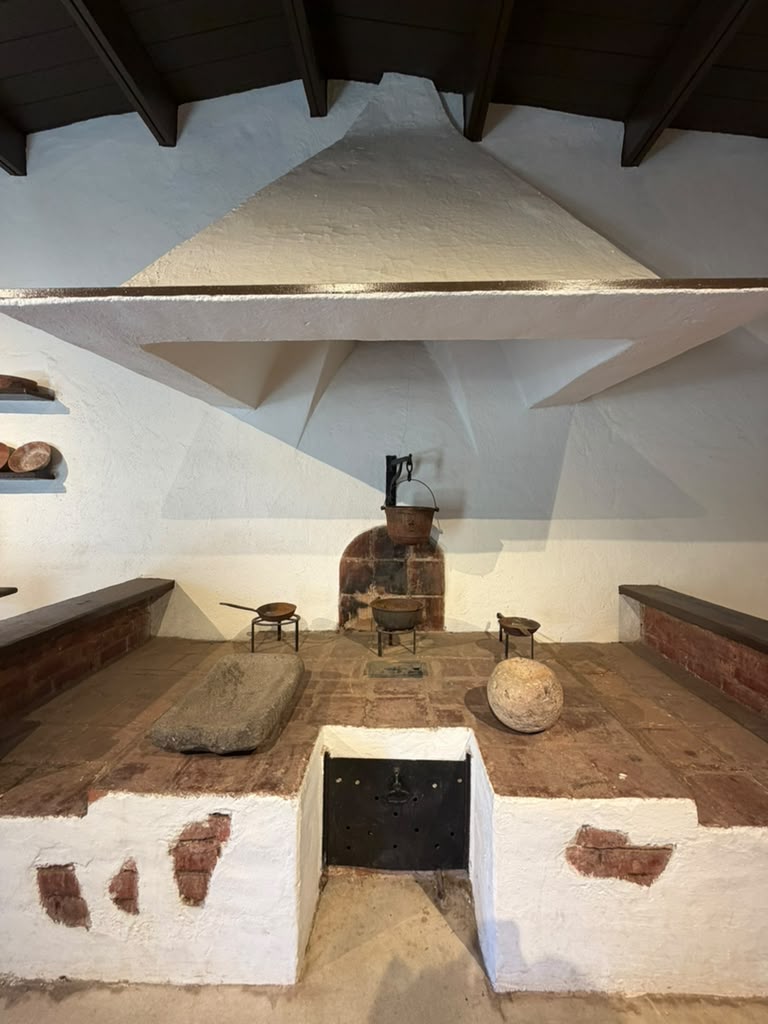
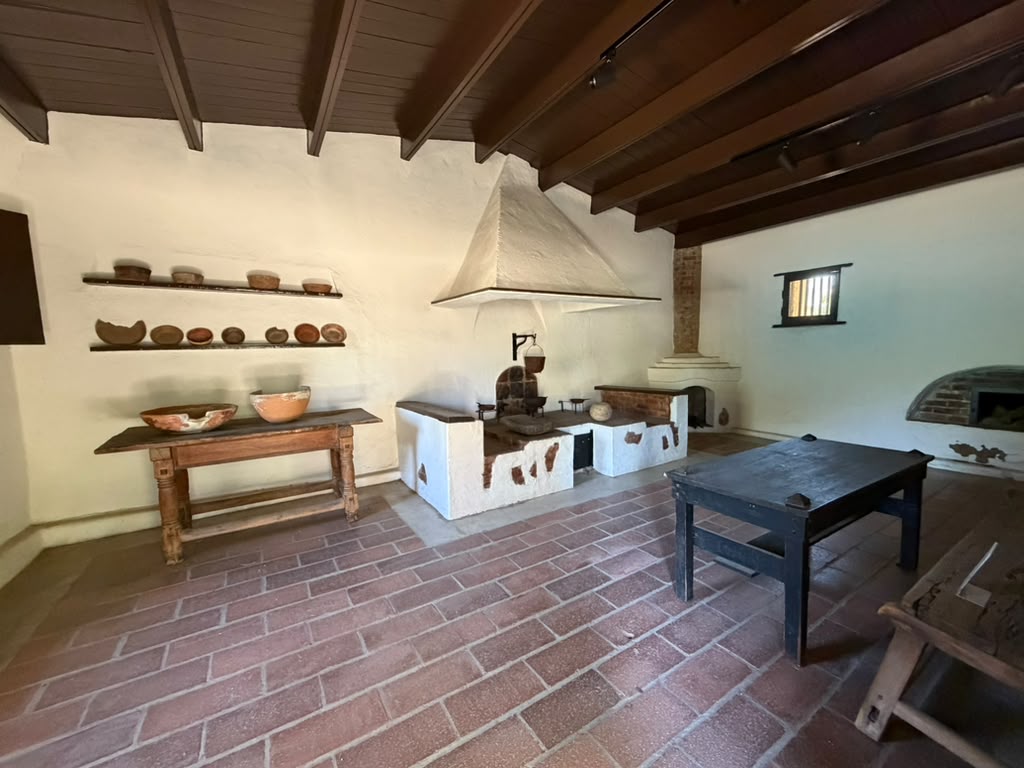
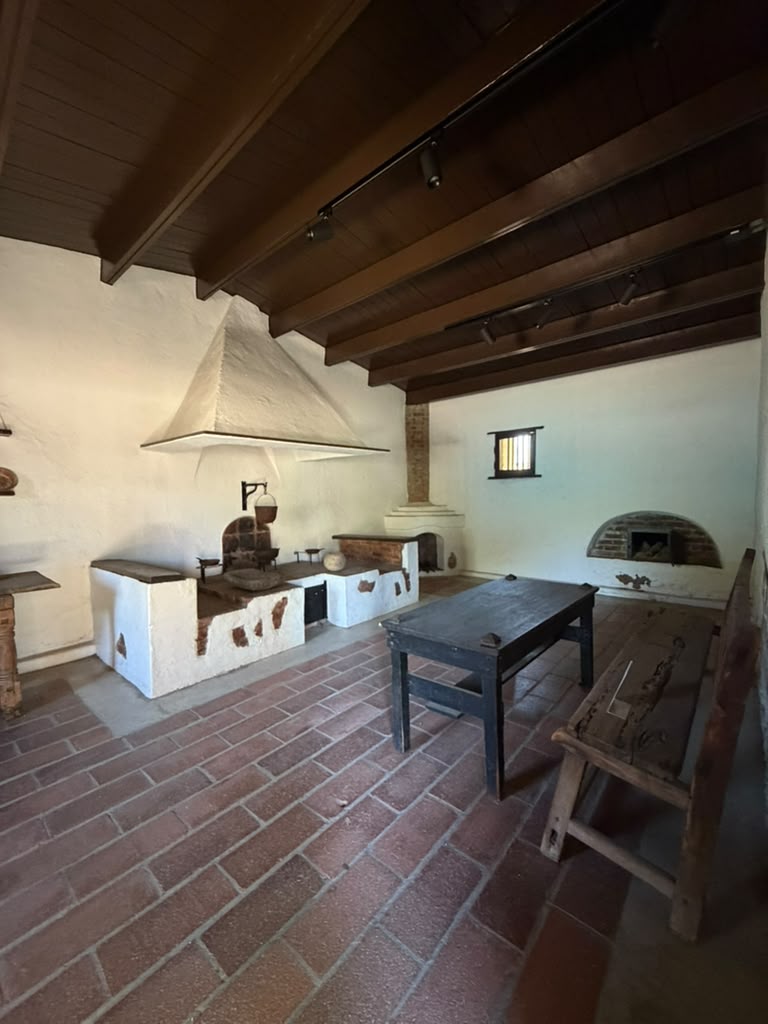
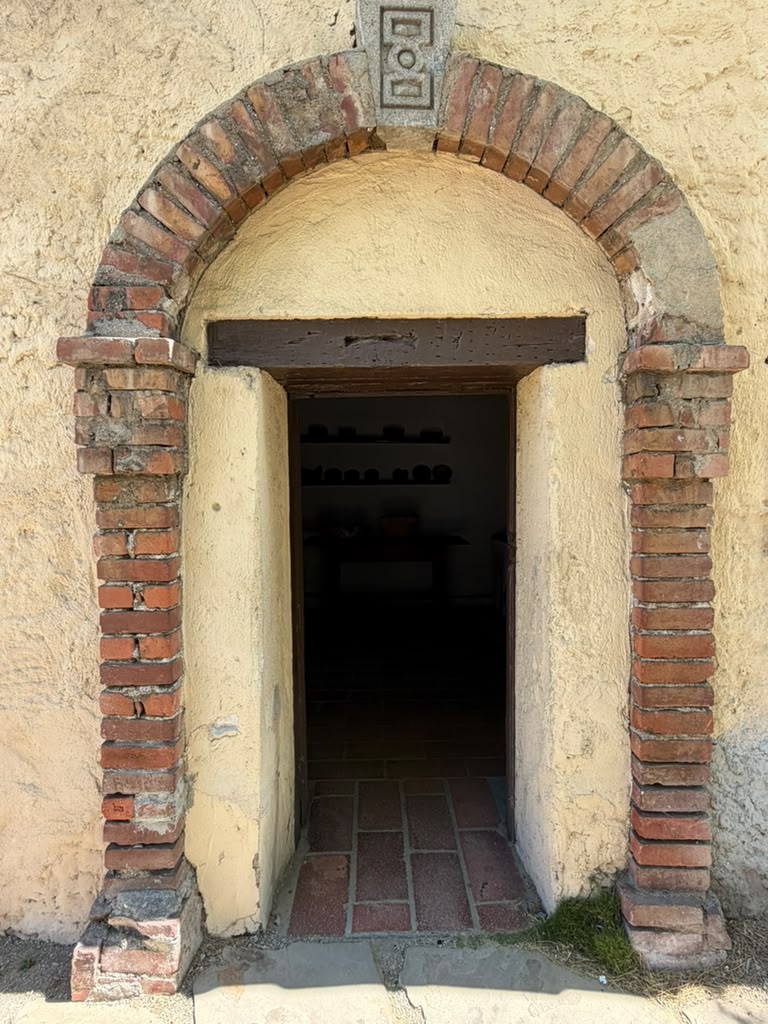
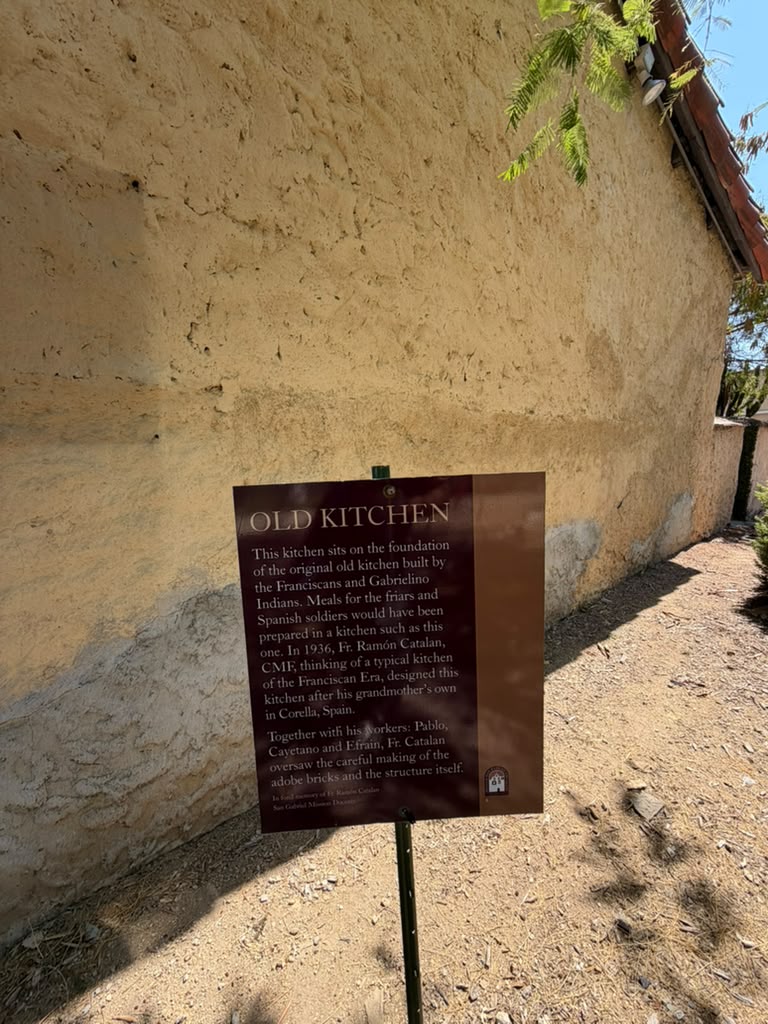
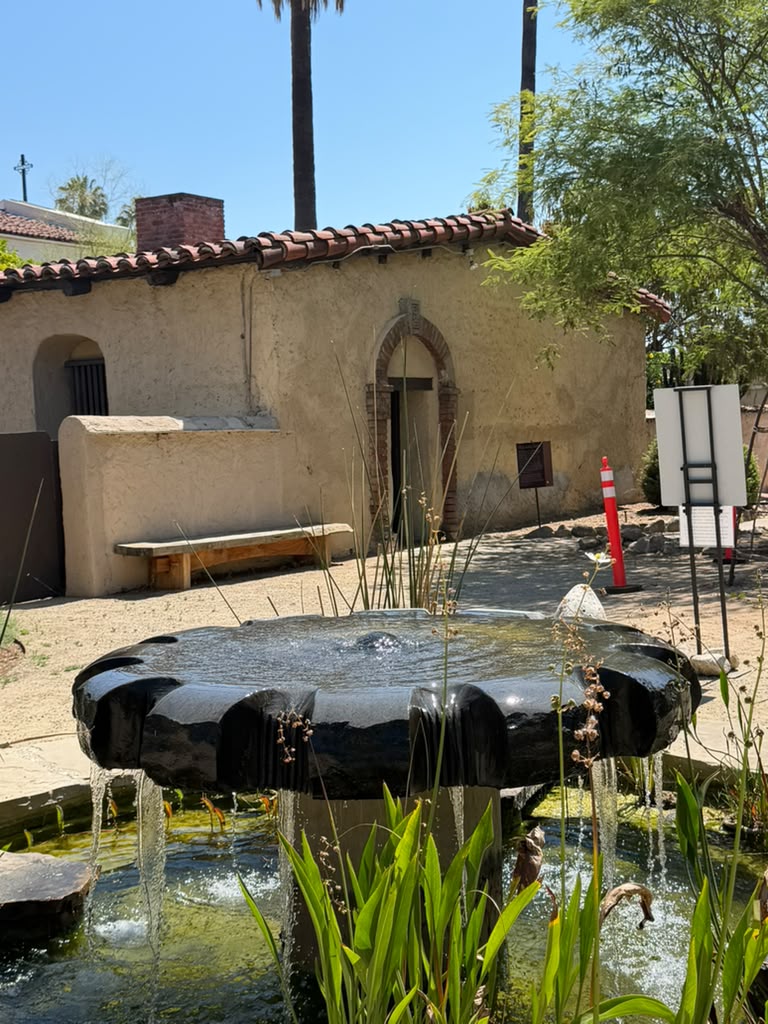
One exhibit that particularly fascinated me was the old kitchen. Standing there, I couldn’t help but imagine how difficult it must have been to prepare meals in those days. There were no refrigerators, microwaves, electricity, or gas stoves—everything had to be done by hand and over an open fire. It gave me a new appreciation for the daily work and resourcefulness of the people who lived at the mission. Below are photos of the historic kitchen.
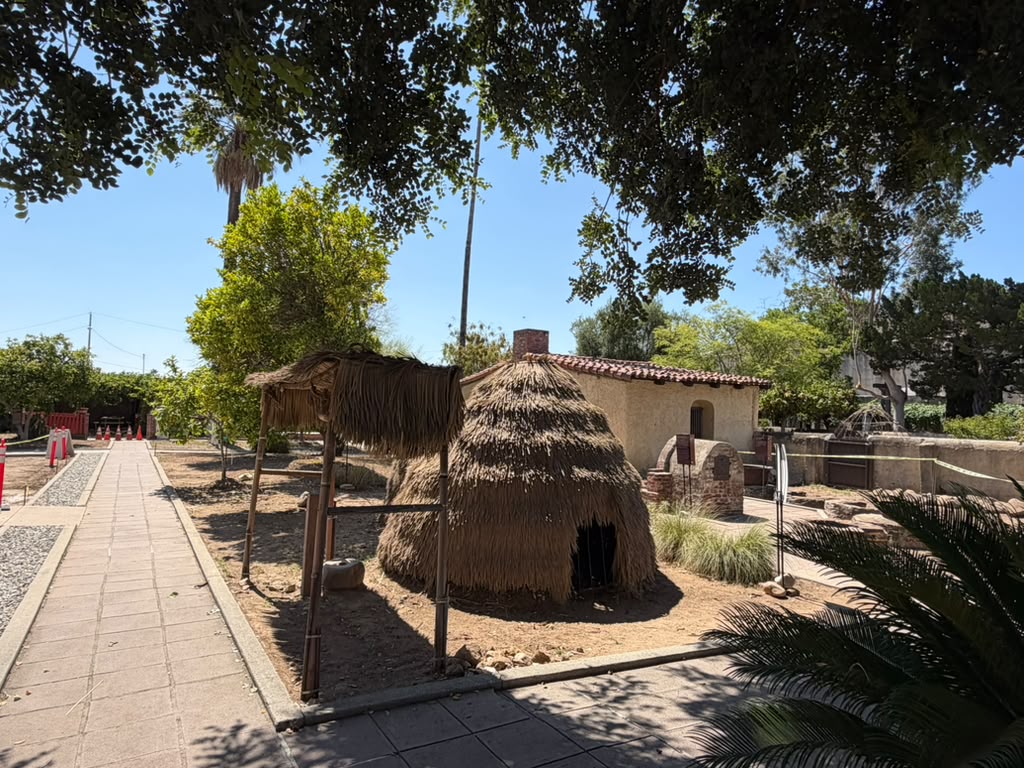
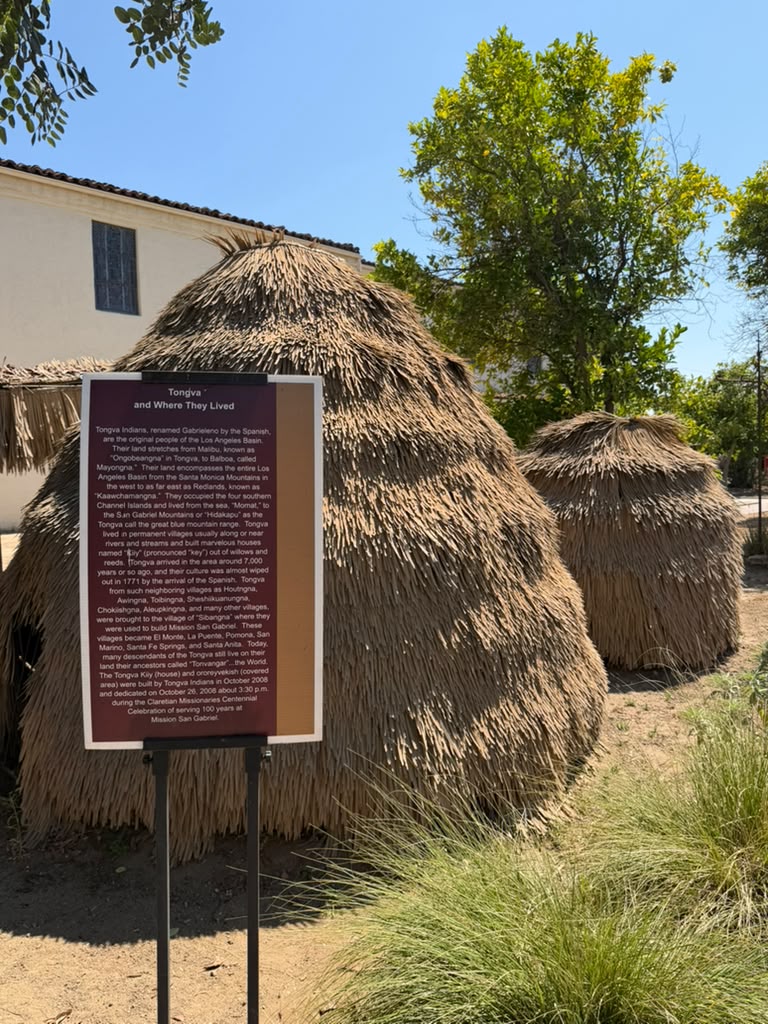
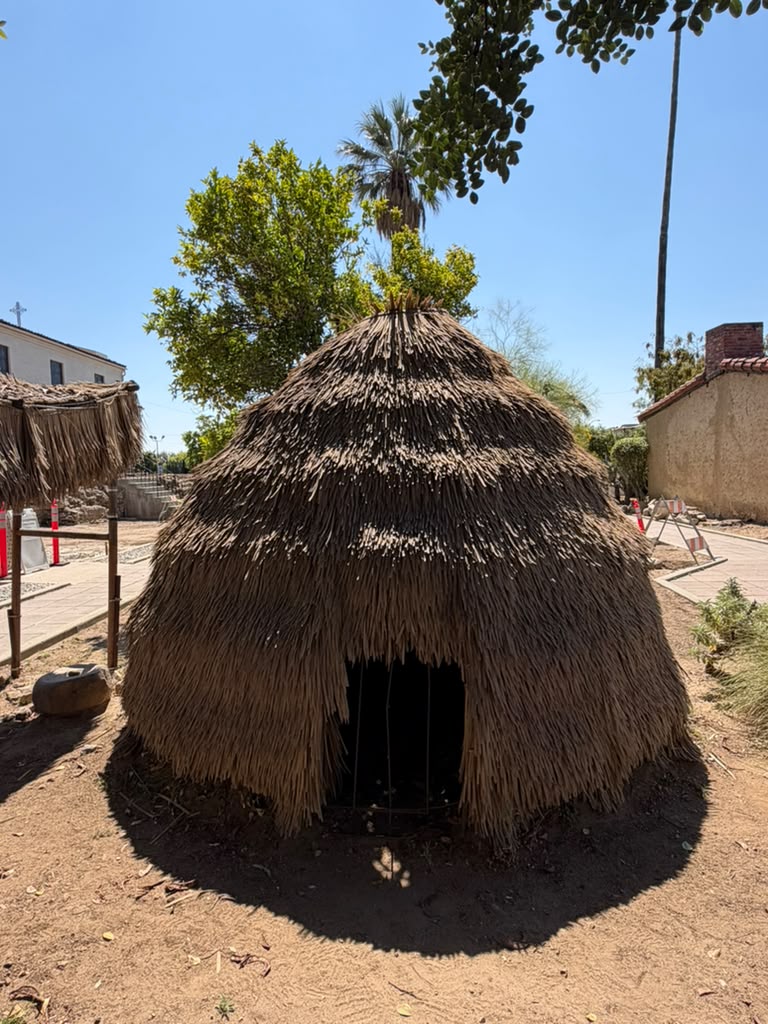
Another exhibit that caught my attention was the reconstruction of the homes where the Tongva people lived. Seeing these traditional dwellings gave me a glimpse into their daily lives and culture long before the arrival of the Spanish. It was a reminder that the history of the mission is also the history of the Indigenous communities who called this land home for thousands of years.
My visit to Mission San Gabriel Arcángel was more than just a tour of a historic site—it was a journey into California’s past. From the beautiful church and museum exhibits to learning about the Tongva people and figures like Toypurina, I gained a deeper appreciation for the mission’s rich and complex history. As I continue my goal of visiting all 21 California missions, this stop has only strengthened my desire to learn more about the people, cultures, and stories that shaped the state I now call home.


Leave a Reply