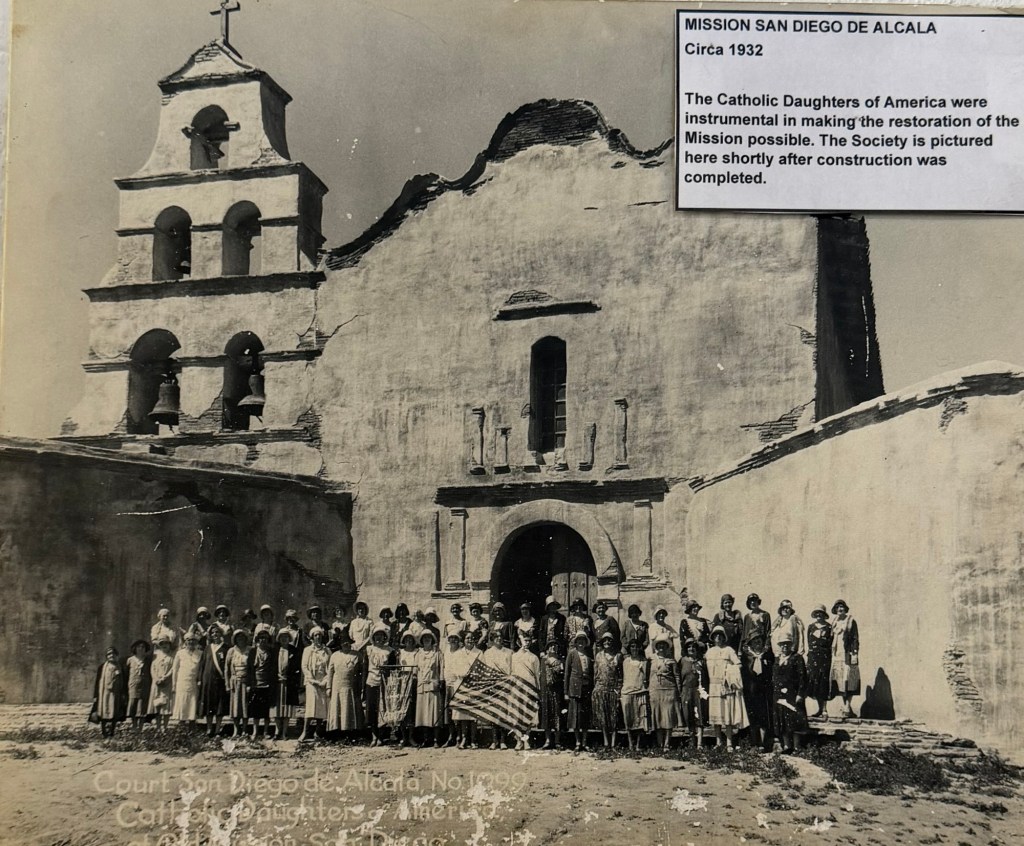
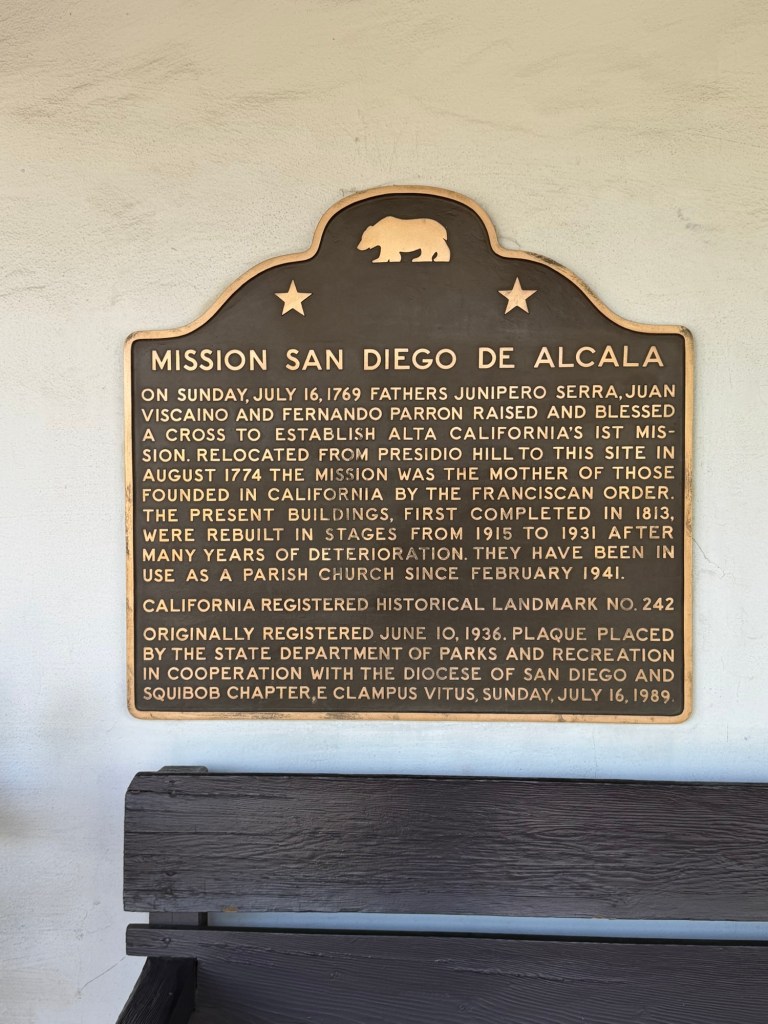
On July 3, before heading north to Oceanside and eventually to Mission San Juan Capistrano, I finally crossed another mission off my California Missions journey—Mission San Diego de Alcalá, the very first of California’s 21 Spanish missions.
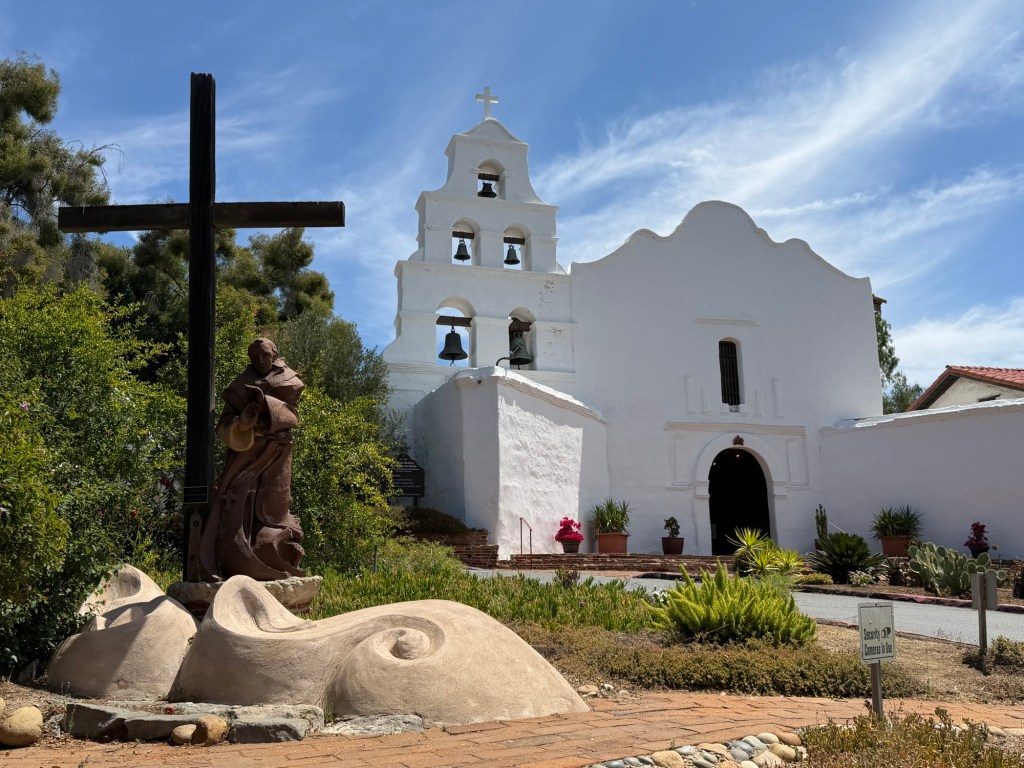
I had been looking forward to this visit mission. After all, this is where California’s mission story began in 1769, founded by Fr. Junípero Serra. More importantly, it marked the first sustained contact between the Spanish and the Kumeyaay people, the Indigenous inhabitants of the San Diego region whose history on this land stretches back thousands of years. Standing on these grounds reminded me that while the mission represents the beginning of Spanish California, it also marks the beginning of a profound and often painful transformation for the Kumeyaay people.

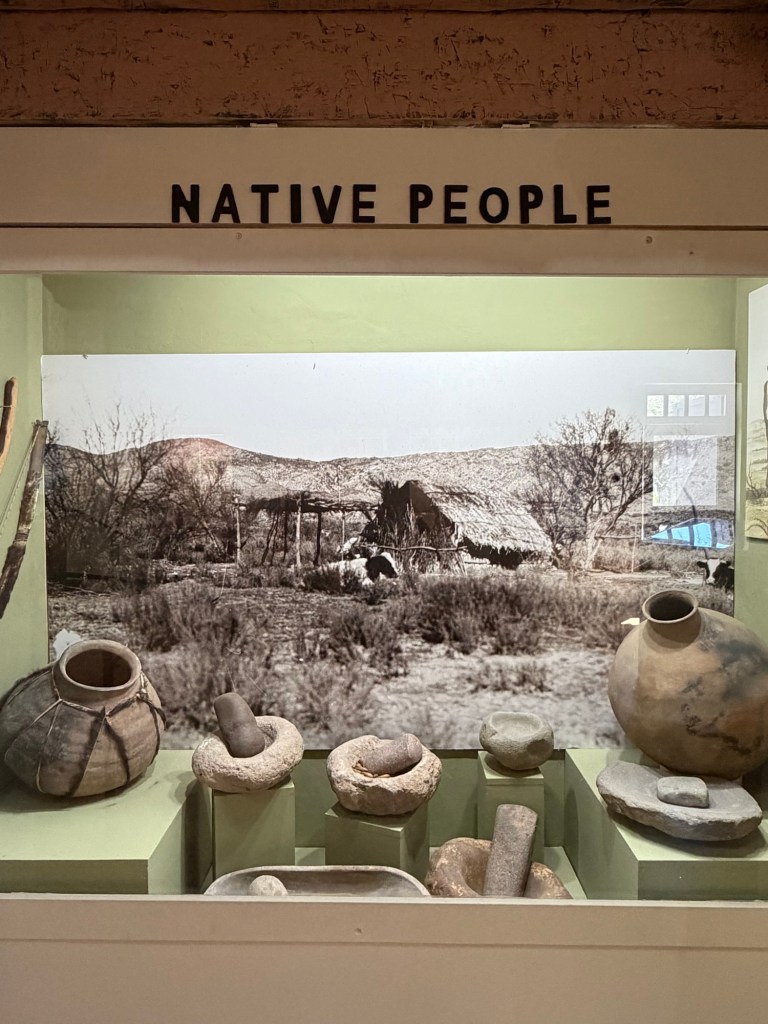
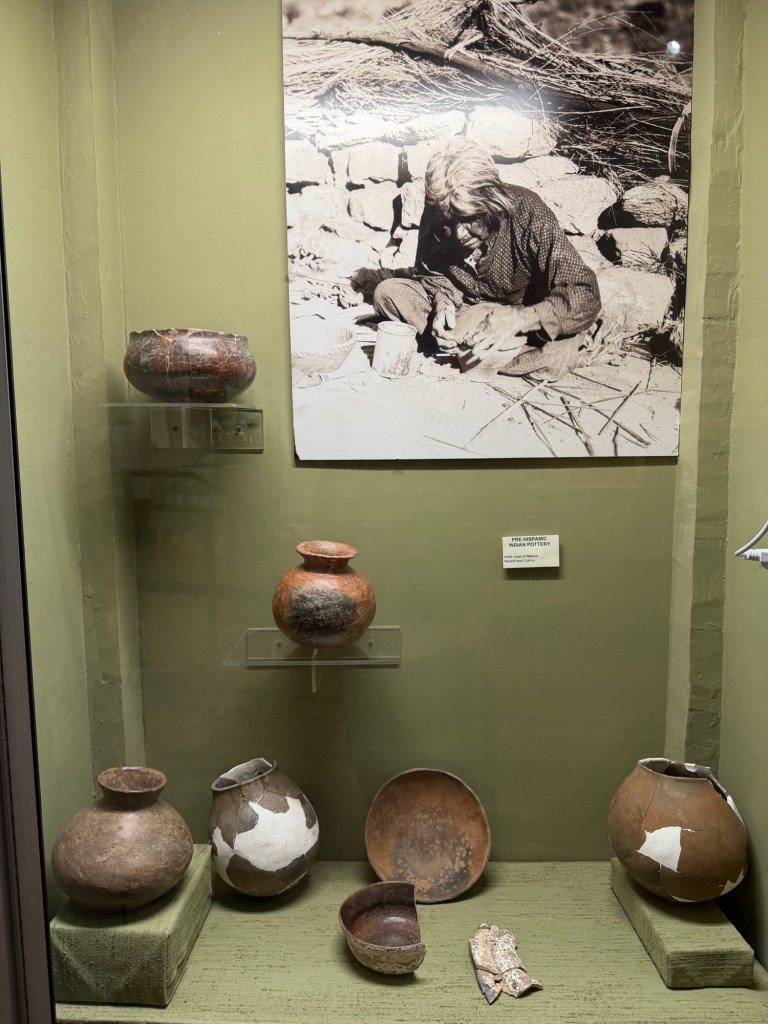
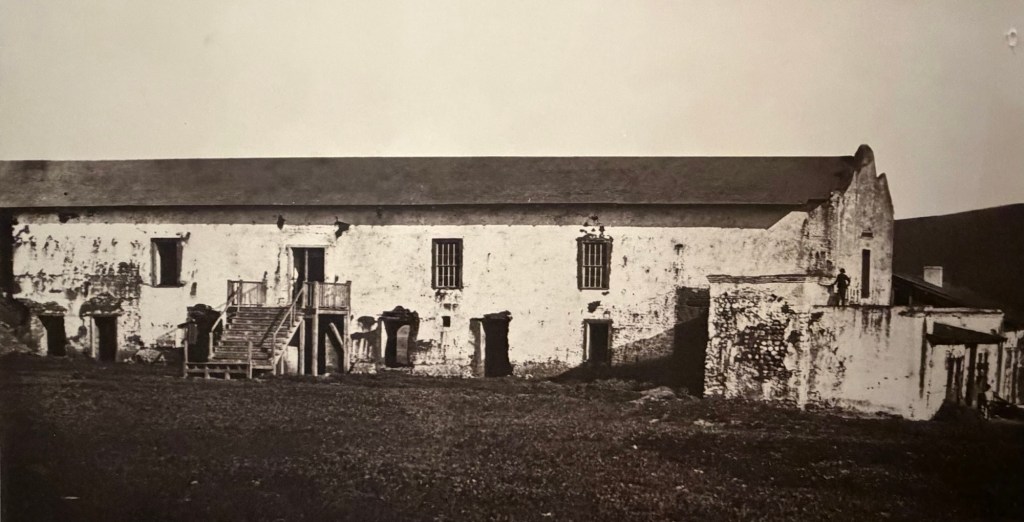
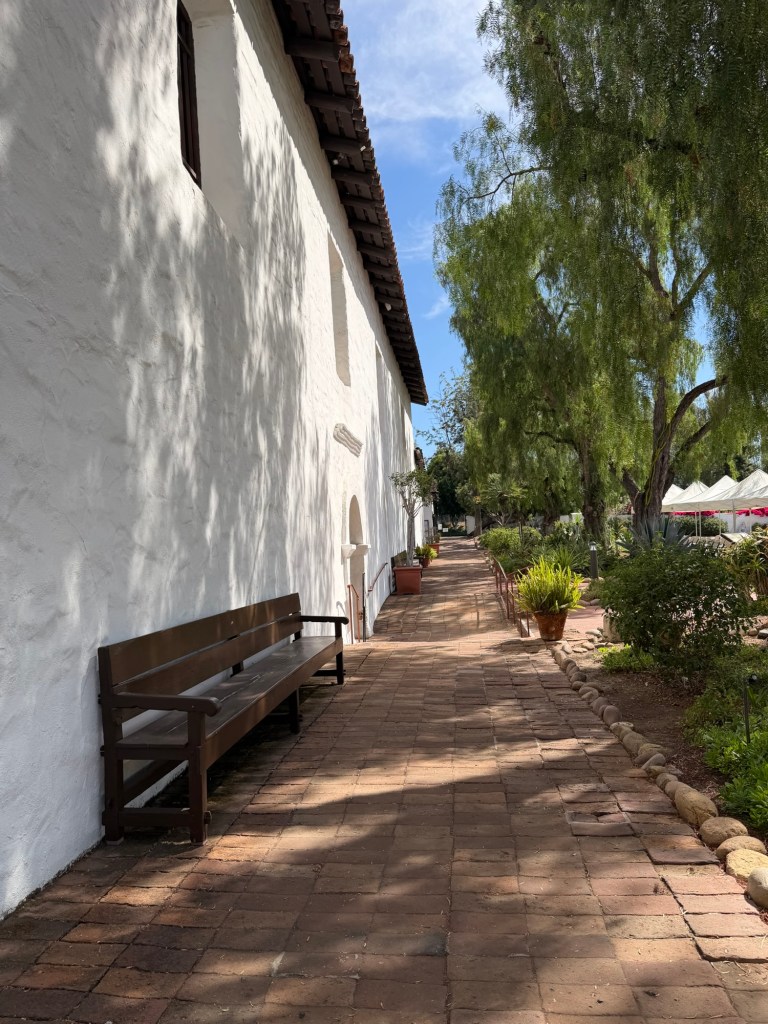
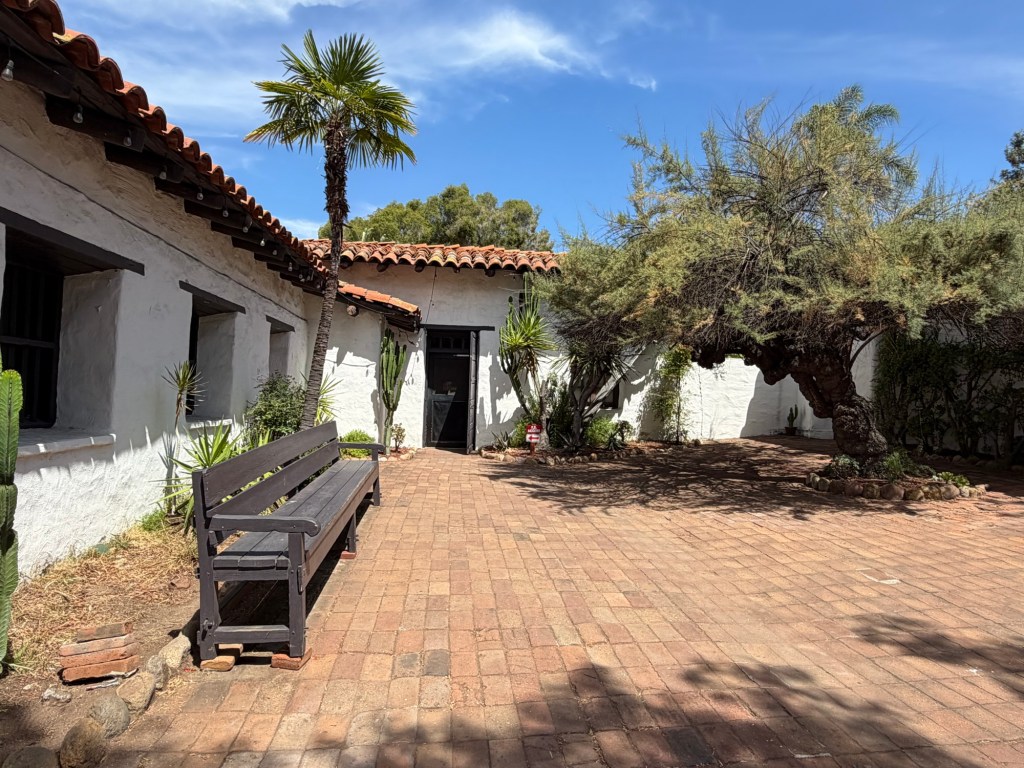
Perhaps because of its historical significance, I expected the mission to be much larger and grander. When I arrived, I was honestly a little underwhelmed by its size. It wasn’t as expansive as I had imagined after reading so much about it. Still, I quickly realized that a place doesn’t have to be enormous to carry immense historical weight.
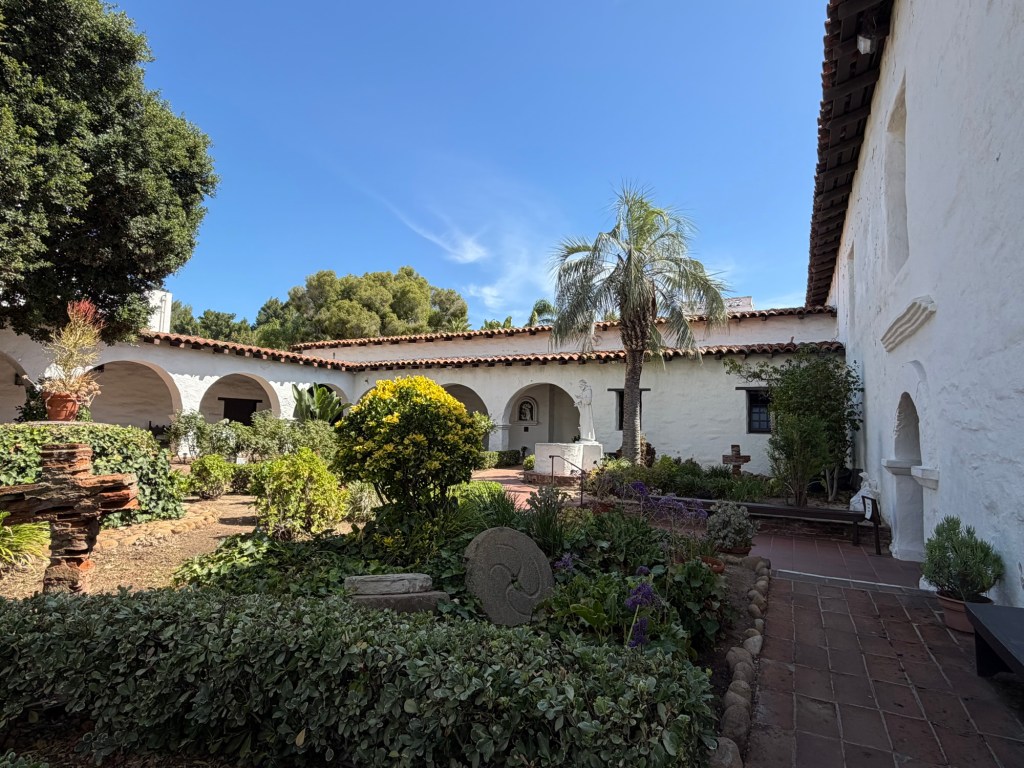
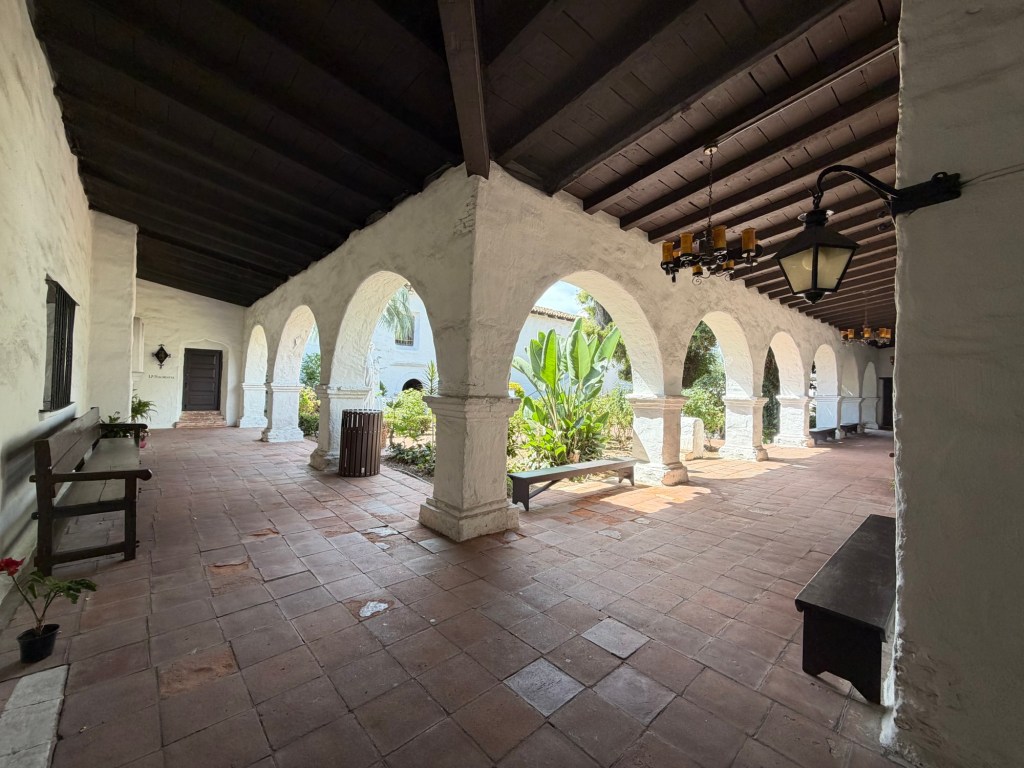
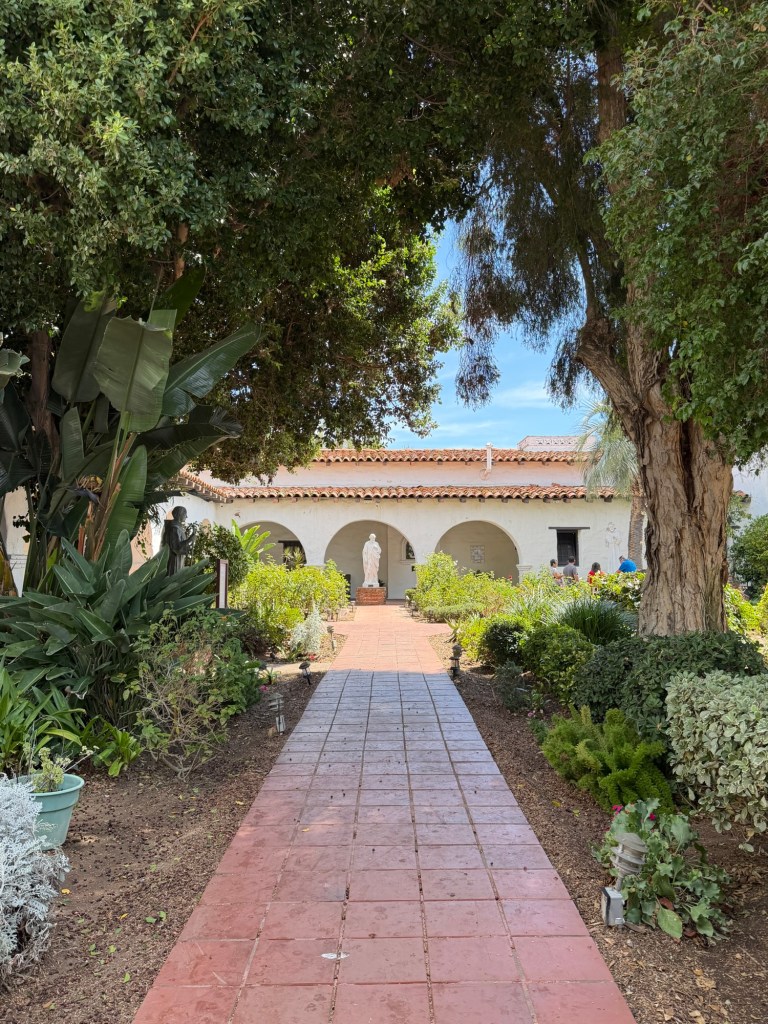
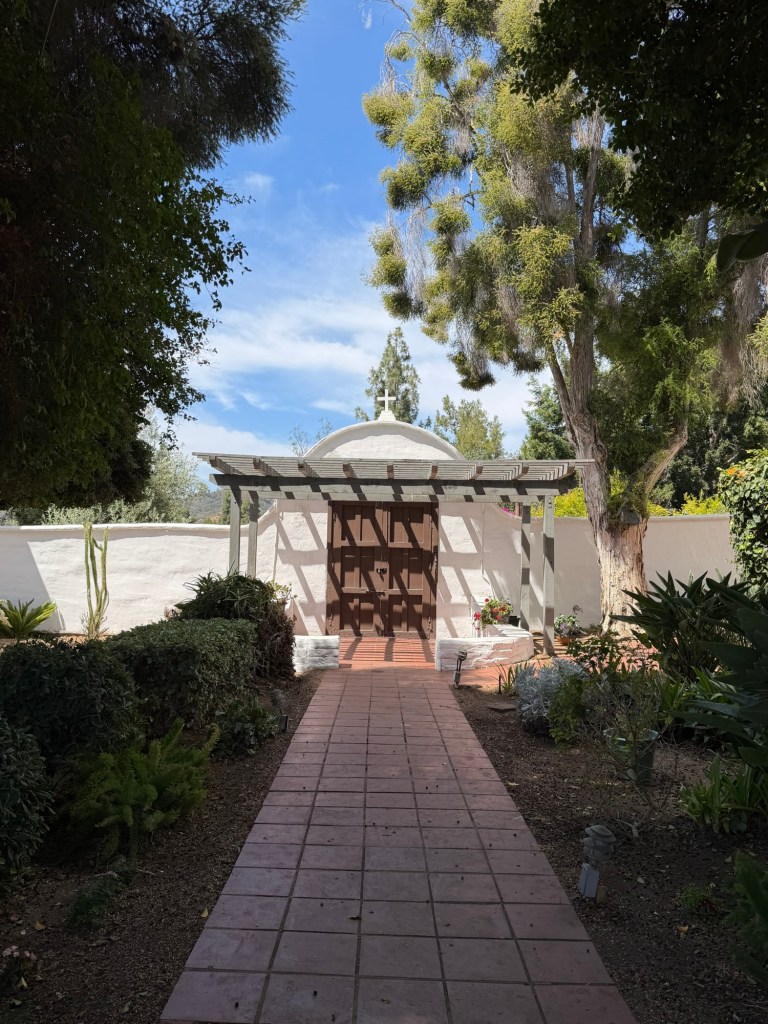
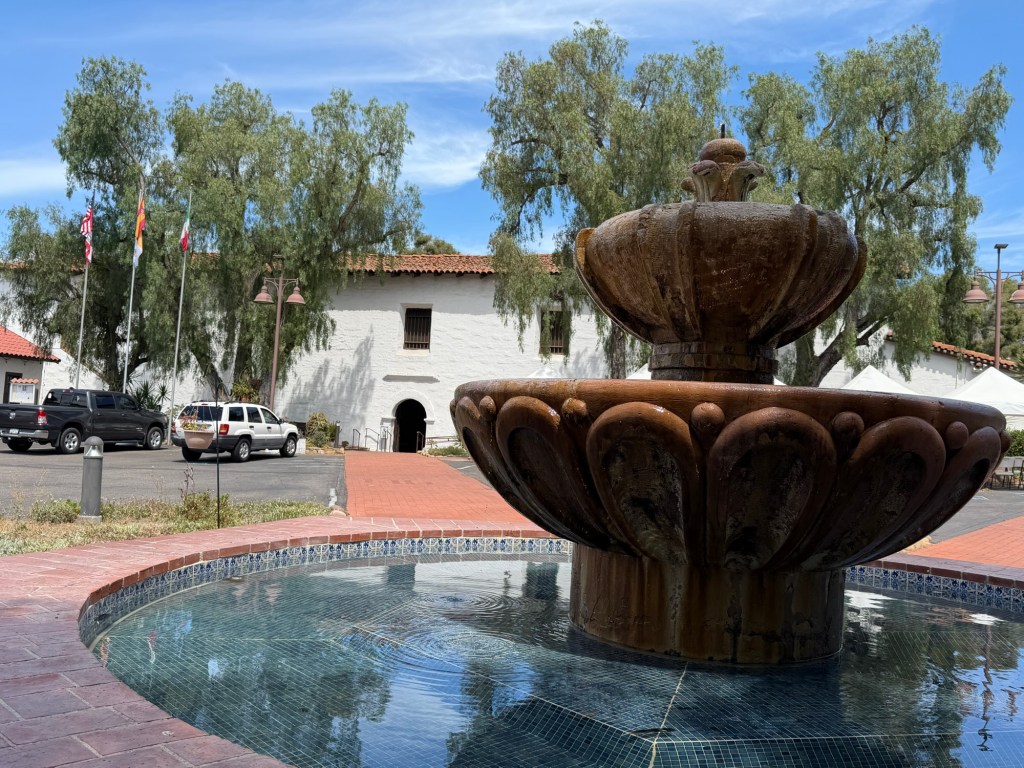
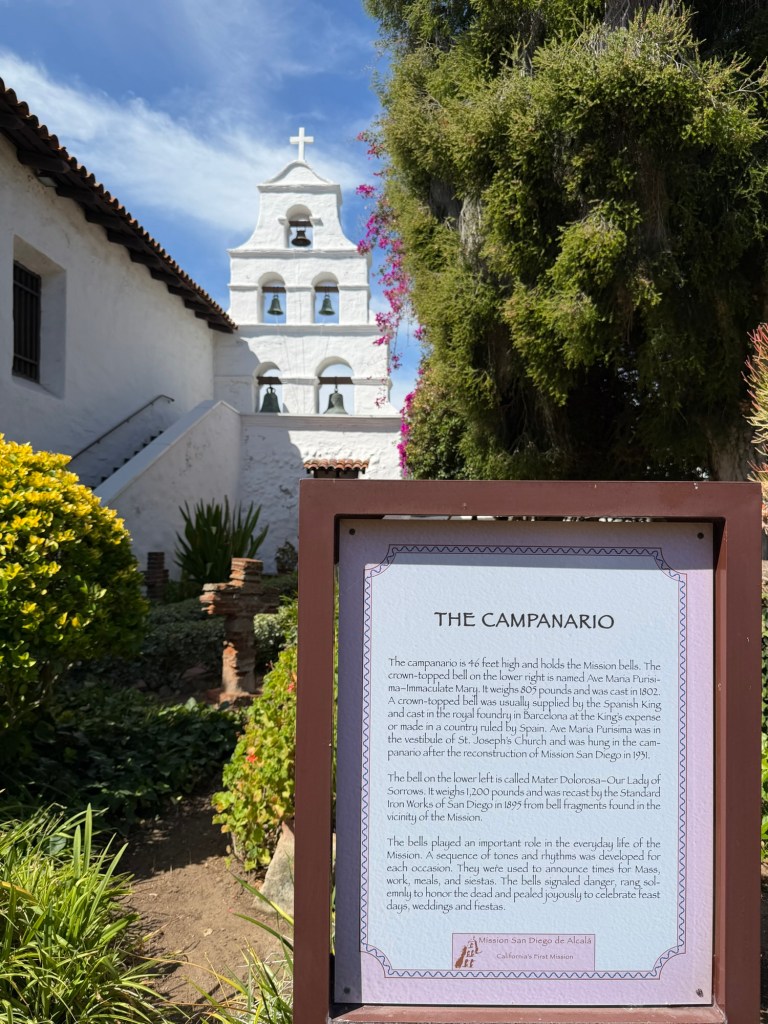
One of the first things that caught my attention was the beautiful campanario, the iconic bell wall that has become one of the mission’s most recognizable features. Against the bright California sky, the white stucco walls and bells created the classic image that many people associate with the state’s Spanish heritage.
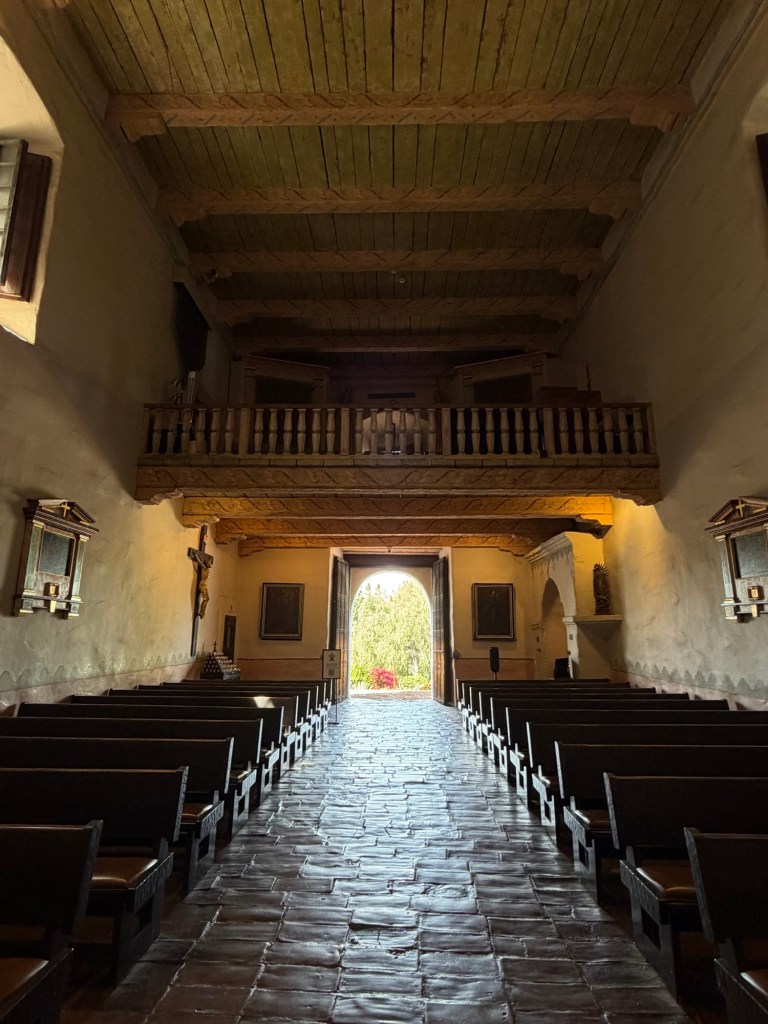
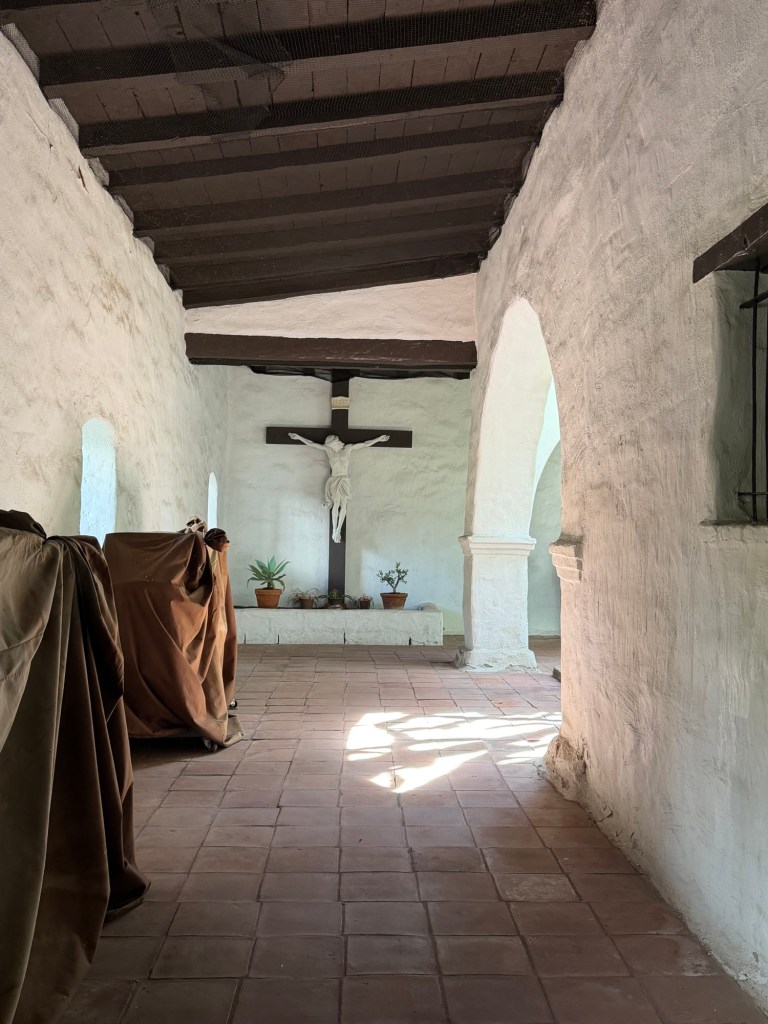
Inside the church, one image stayed with me long after I left: the crucified Christ without arms above the altar.
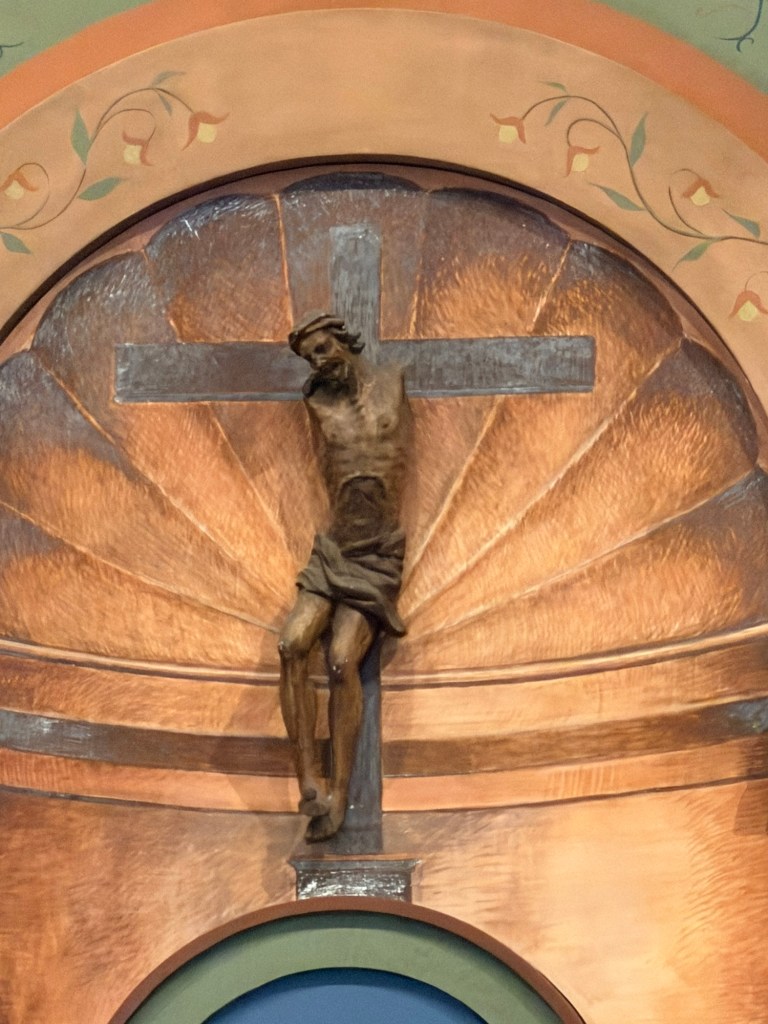
The missing arms are intentional, serving as a reminder that Christ now works through the hands of His followers. It was a simple yet powerful symbol that invited reflection beyond the building’s architecture and history.

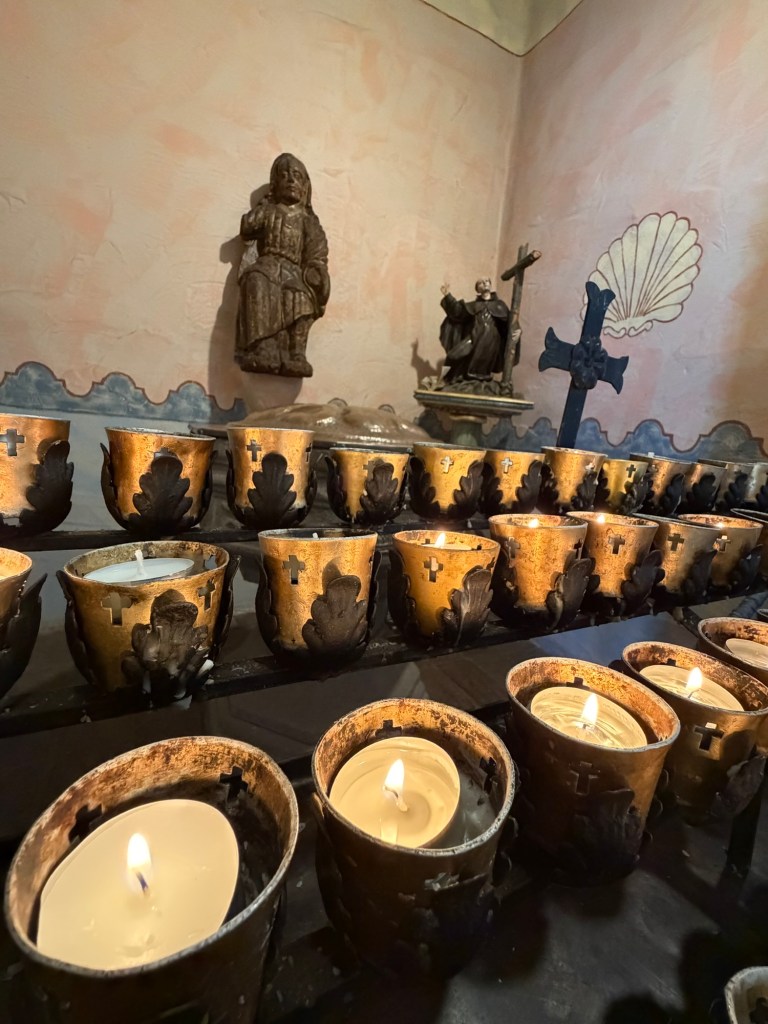
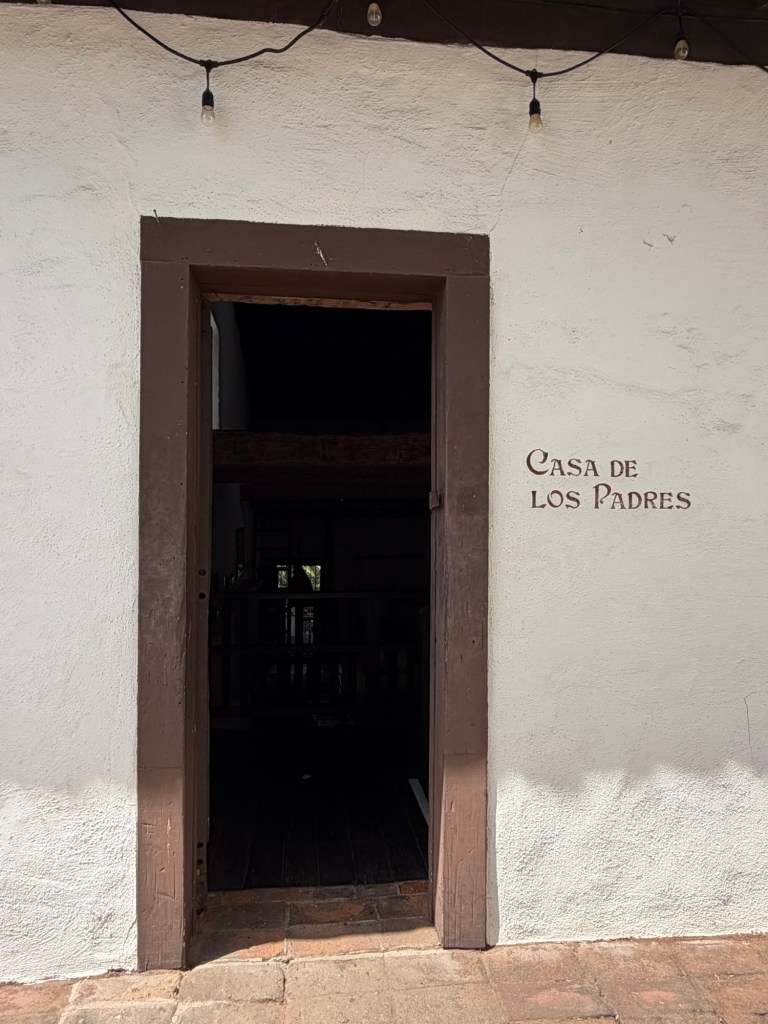
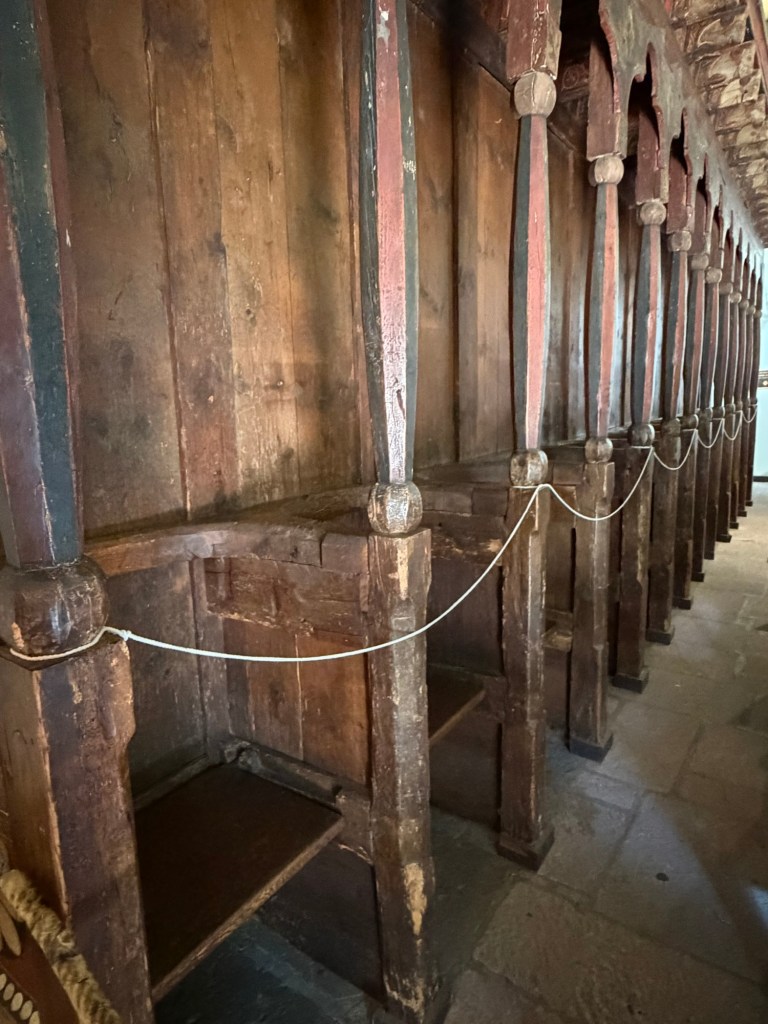
I also enjoyed walking through the Casa de los Padres, where the Franciscan missionaries once lived and carried out their daily work.
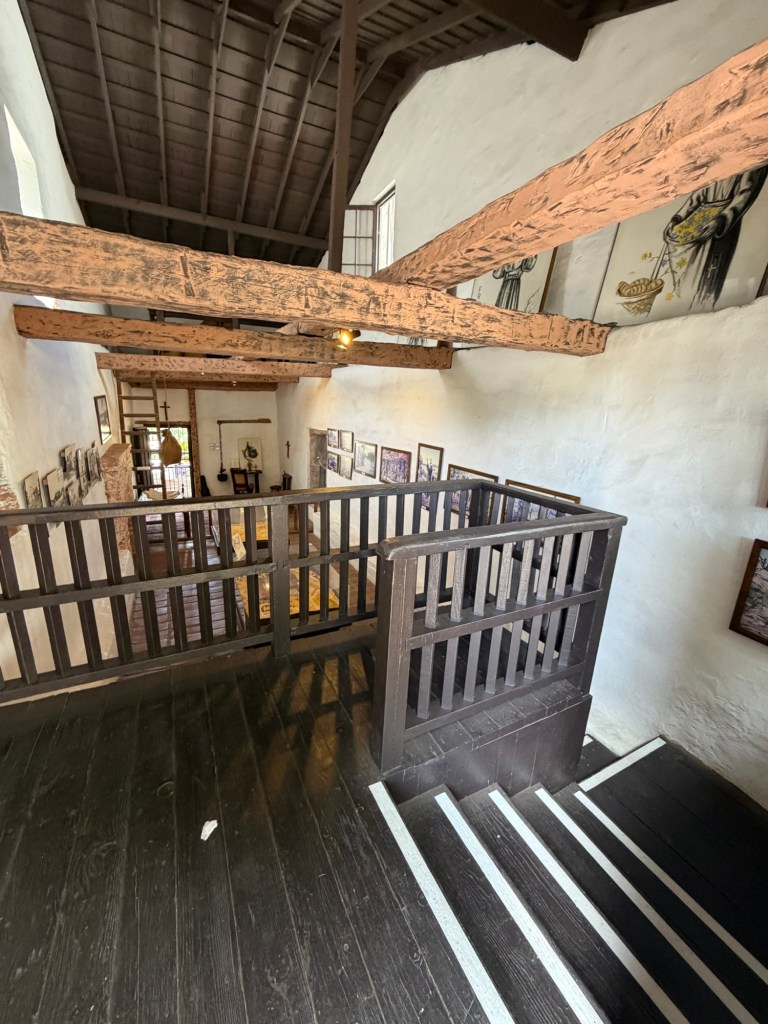
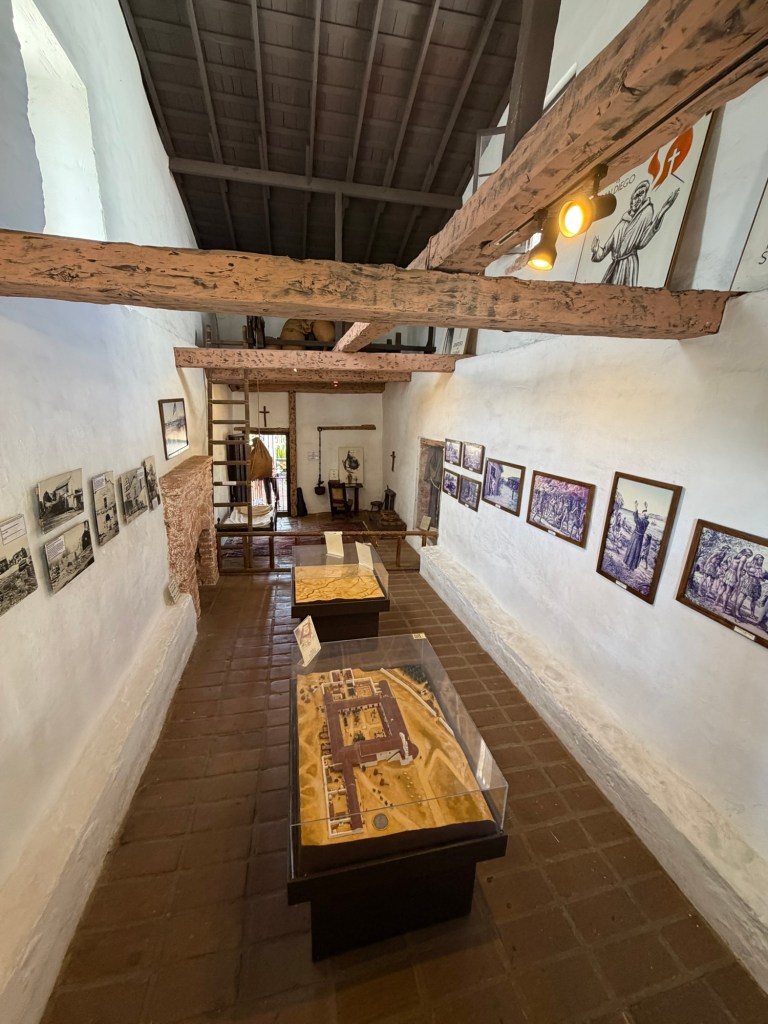
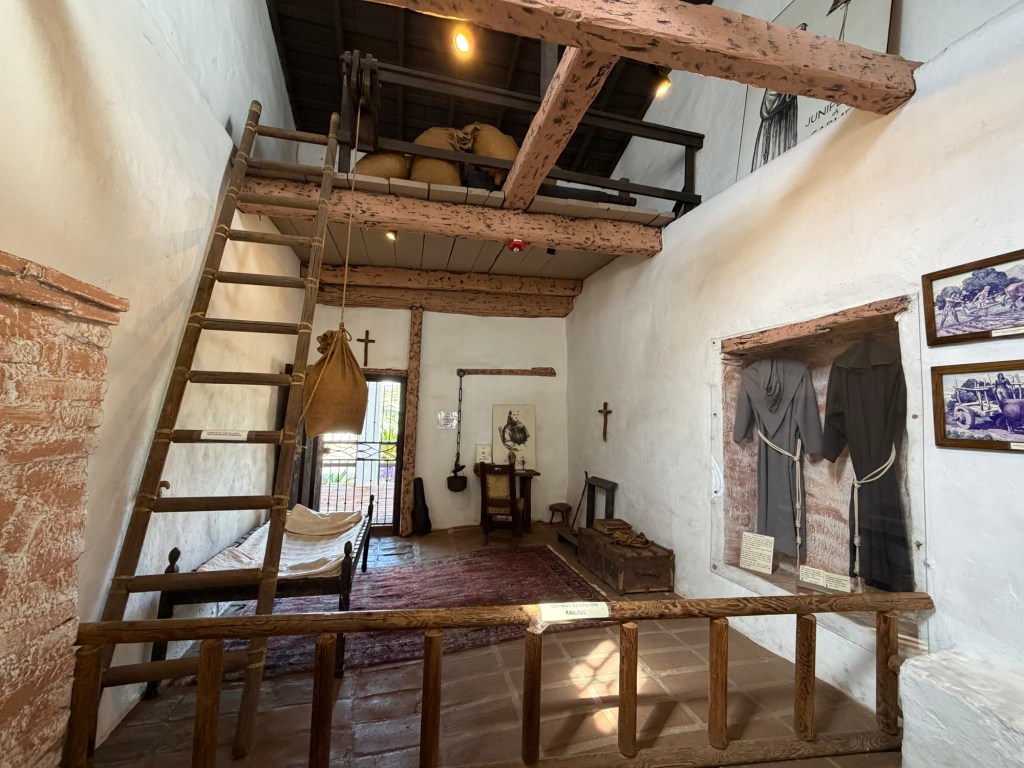

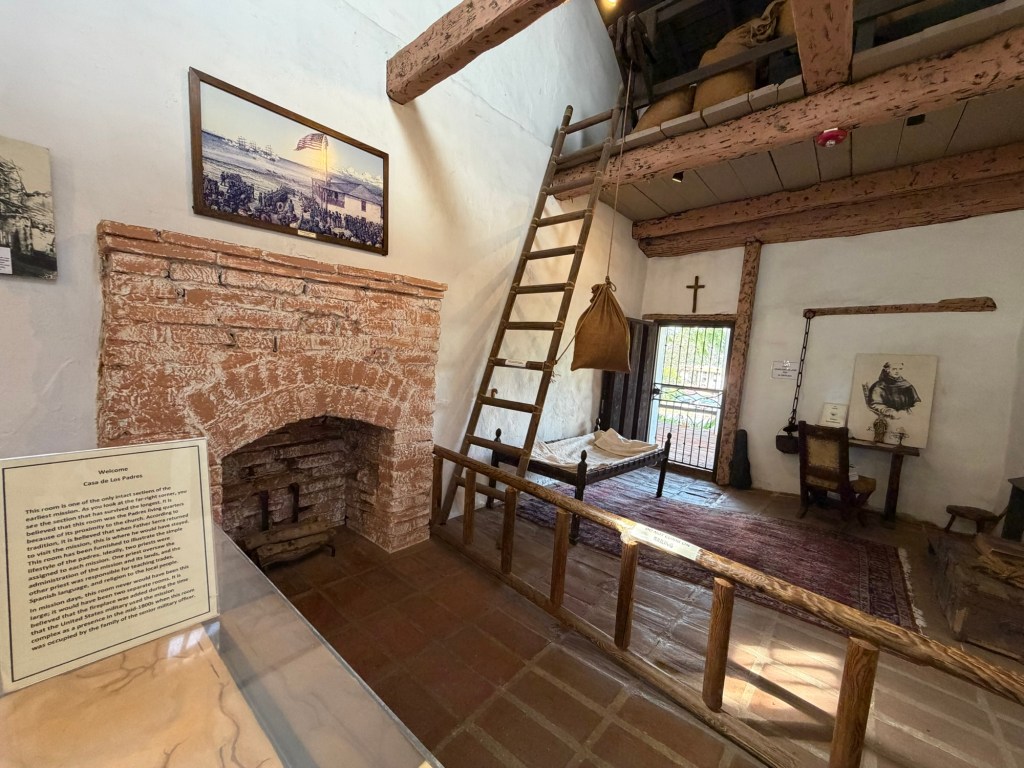
As with the other missions I’ve visited, I tried to imagine what life might have looked like here more than two centuries ago—the routines of the friars, the sounds of daily activity, and, at the same time, the experiences of the Kumeyaay people whose lives were forever changed by the arrival of the Spanish.
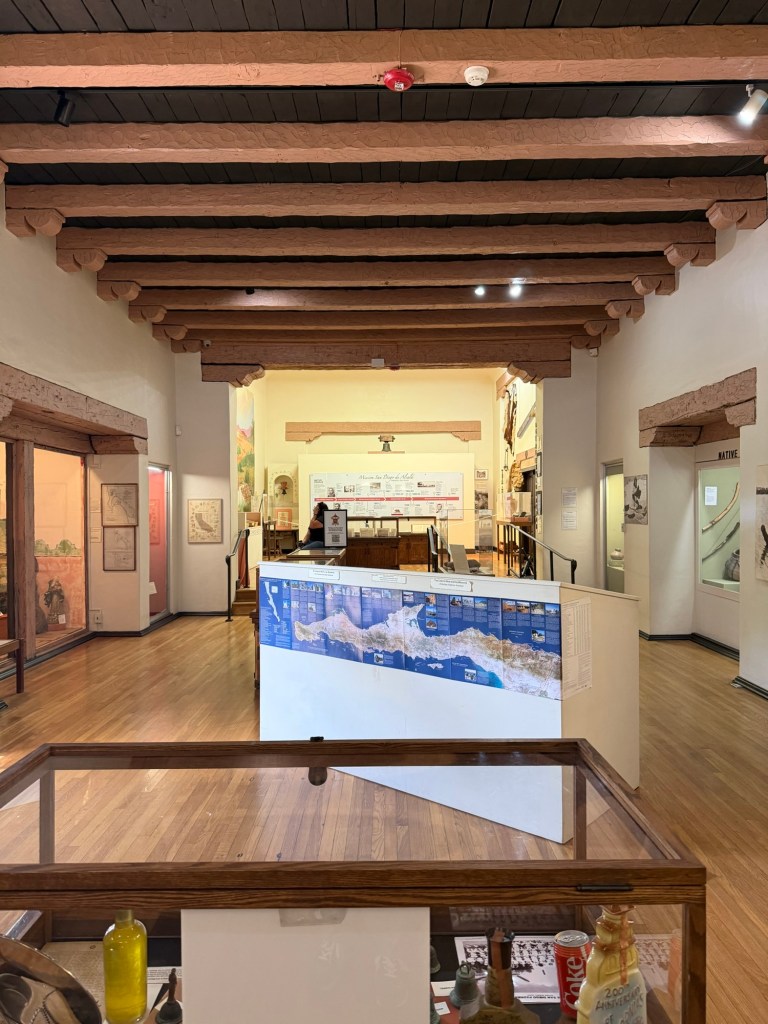

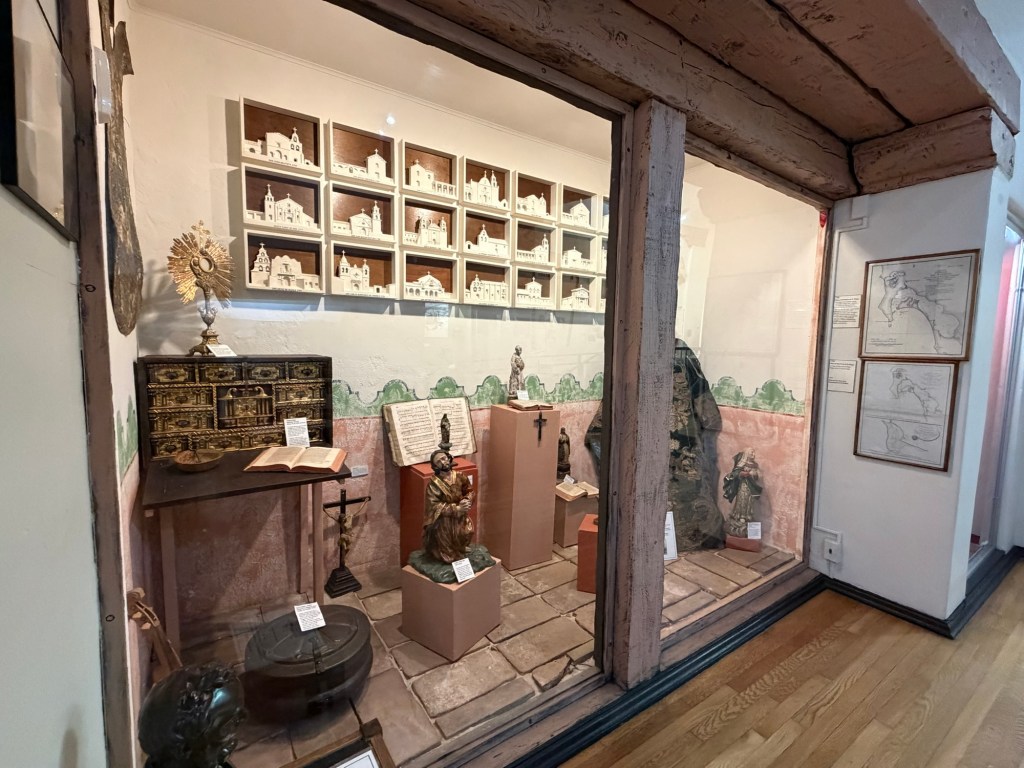

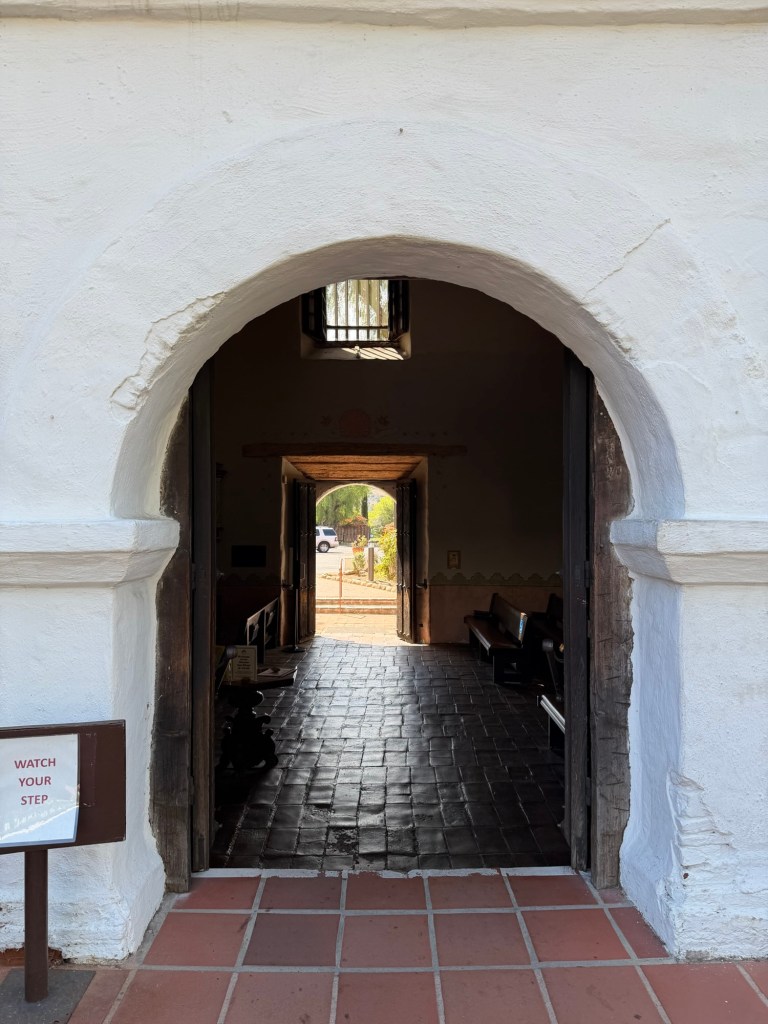
Visiting California’s missions has taught me not to see them only as beautiful churches or historic landmarks. They are places filled with faith, culture, resilience, conflict, and complicated history. They preserve remarkable architecture while also reminding us of the human stories—both inspiring and heartbreaking—that unfolded within their walls.
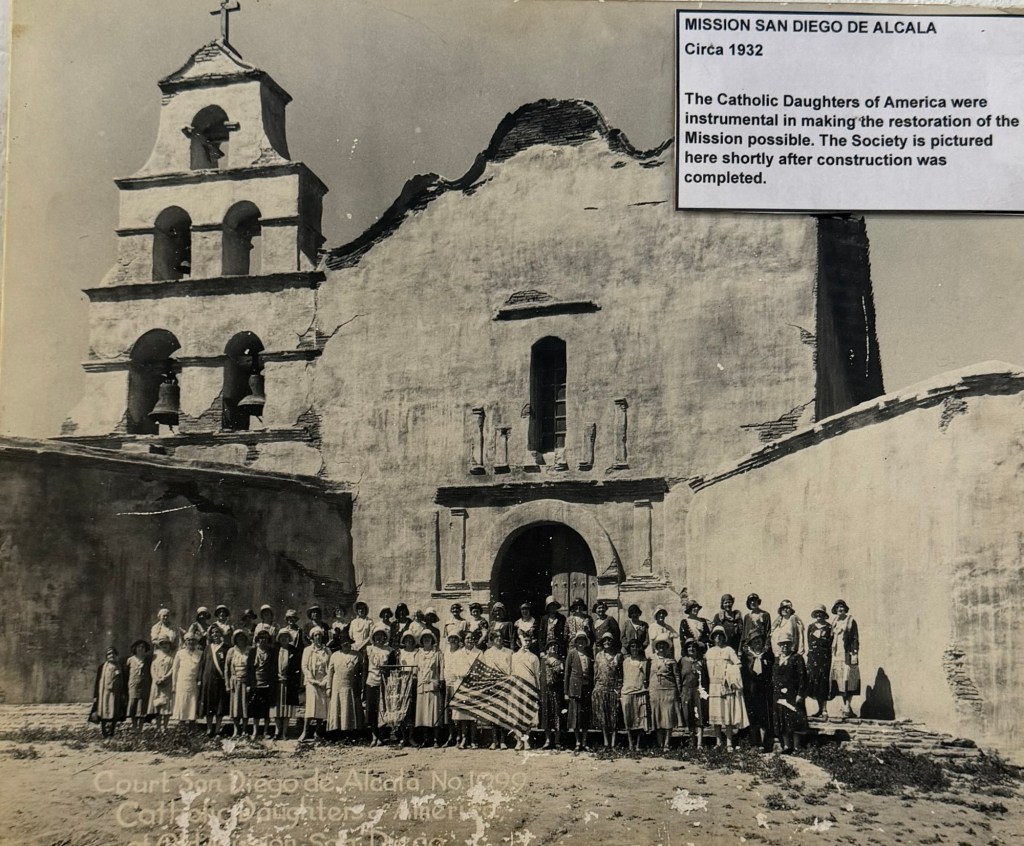
Although Mission San Diego de Alcalá wasn’t as physically impressive as I had imagined, I left appreciating something more important. I had stood where California’s recorded history took a decisive turn. It was the beginning of a chain of missions that would eventually stretch from San Diego to Sonoma, shaping the state that millions now call home.
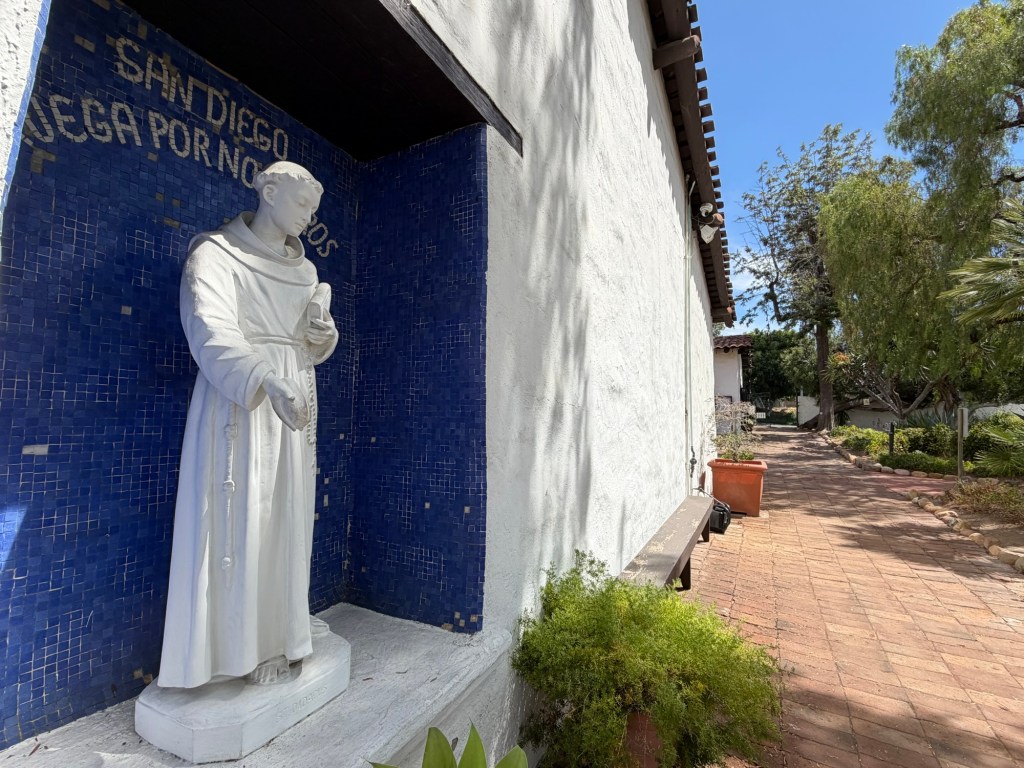
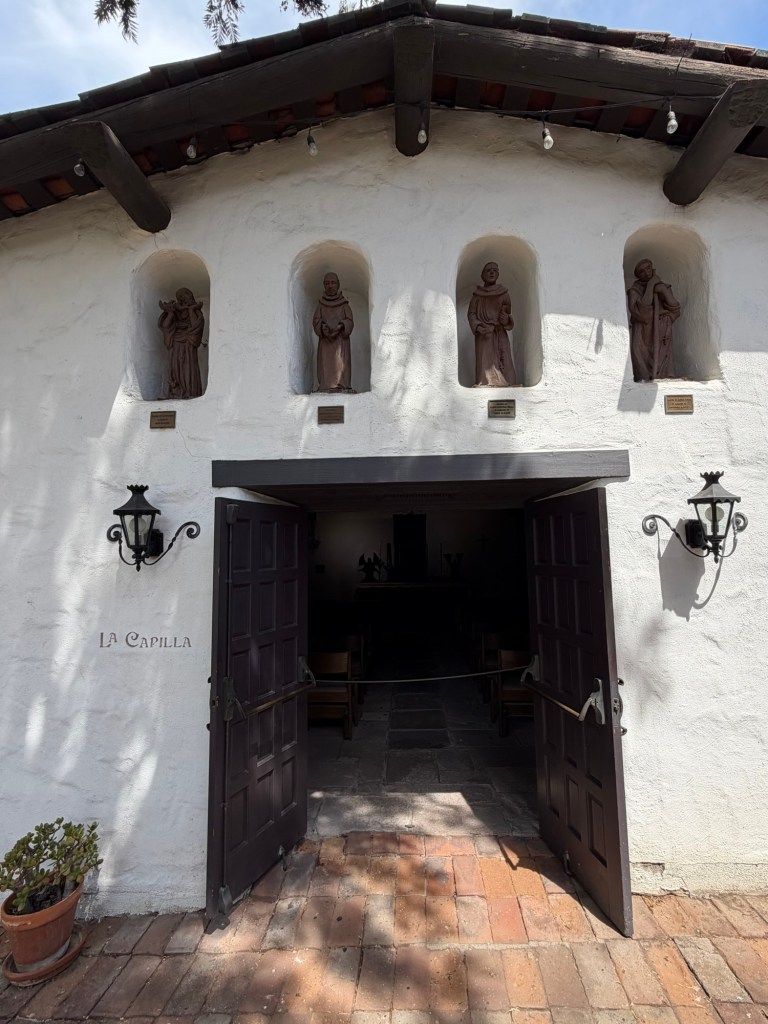
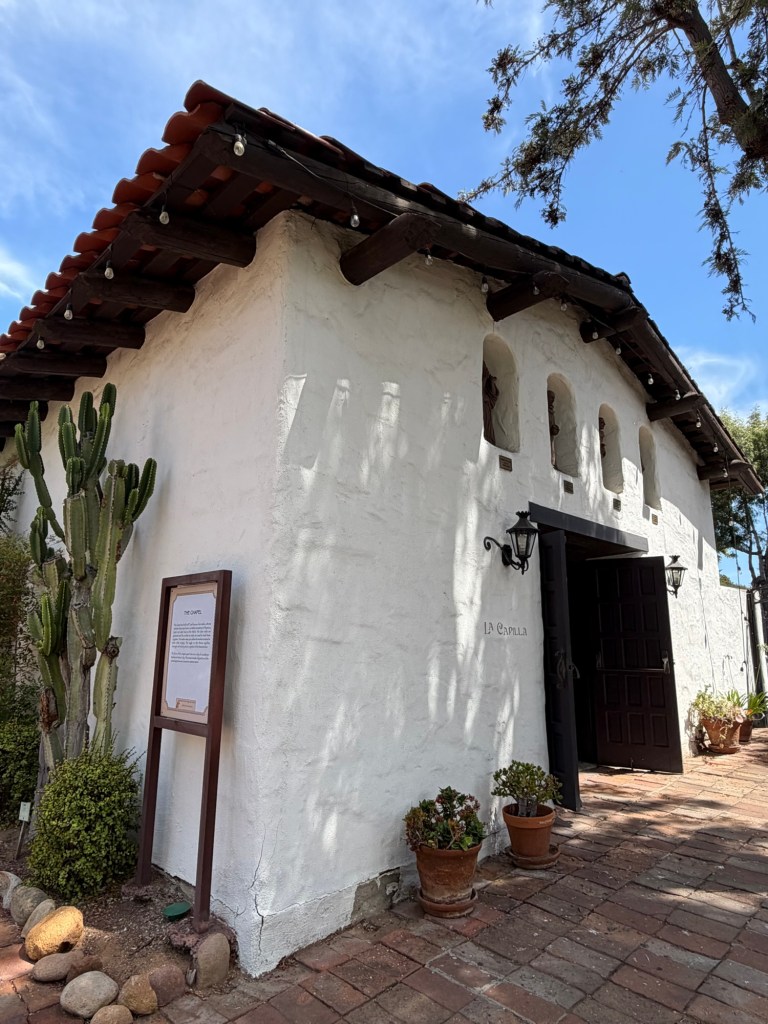

As I continued my journey north toward Oceanside and Mission San Juan Capistrano later that day, I carried with me a deeper appreciation for how every mission tells a different chapter of California’s story—and how understanding those chapters means remembering everyone who was part of them.


Leave a Reply