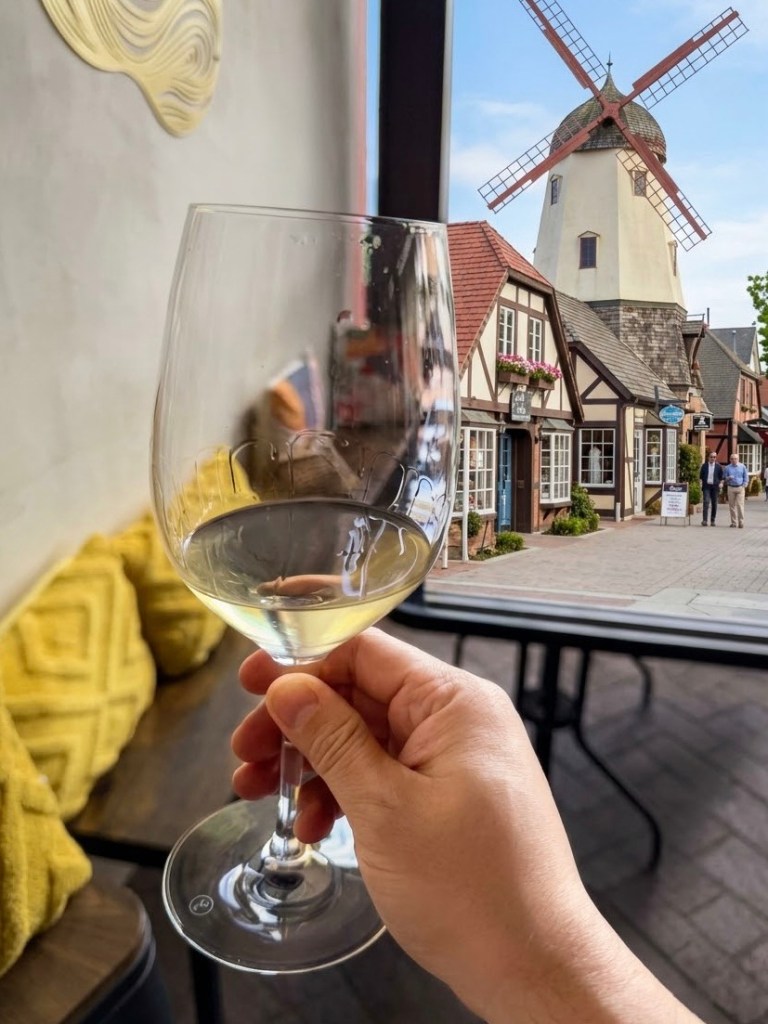
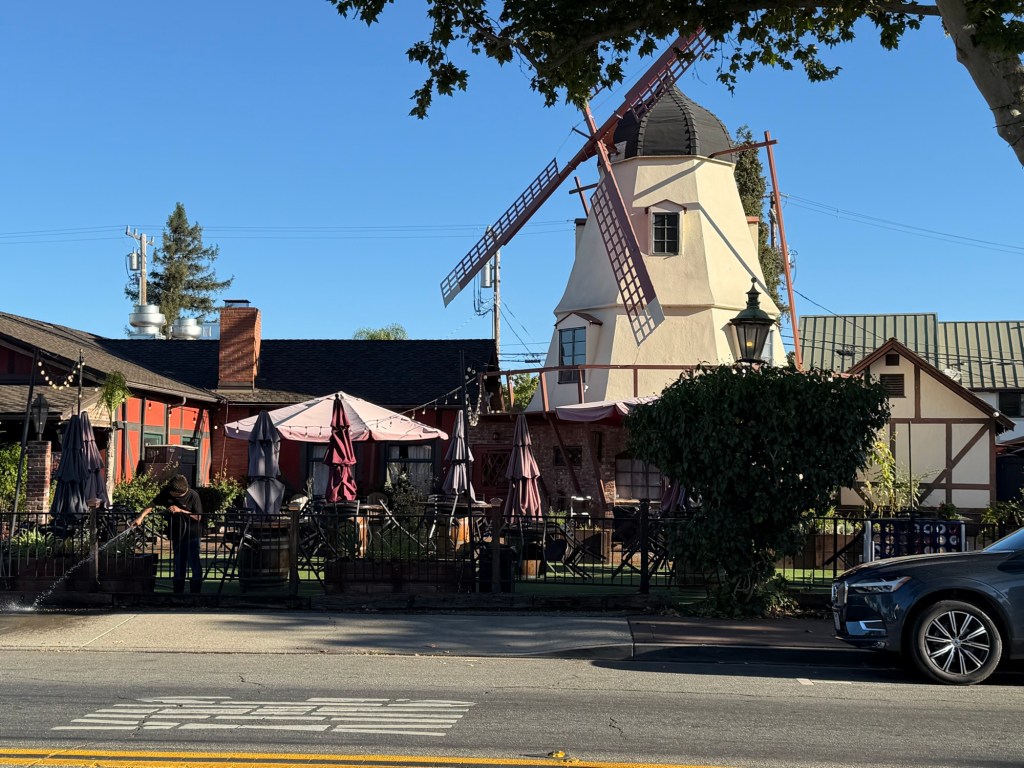
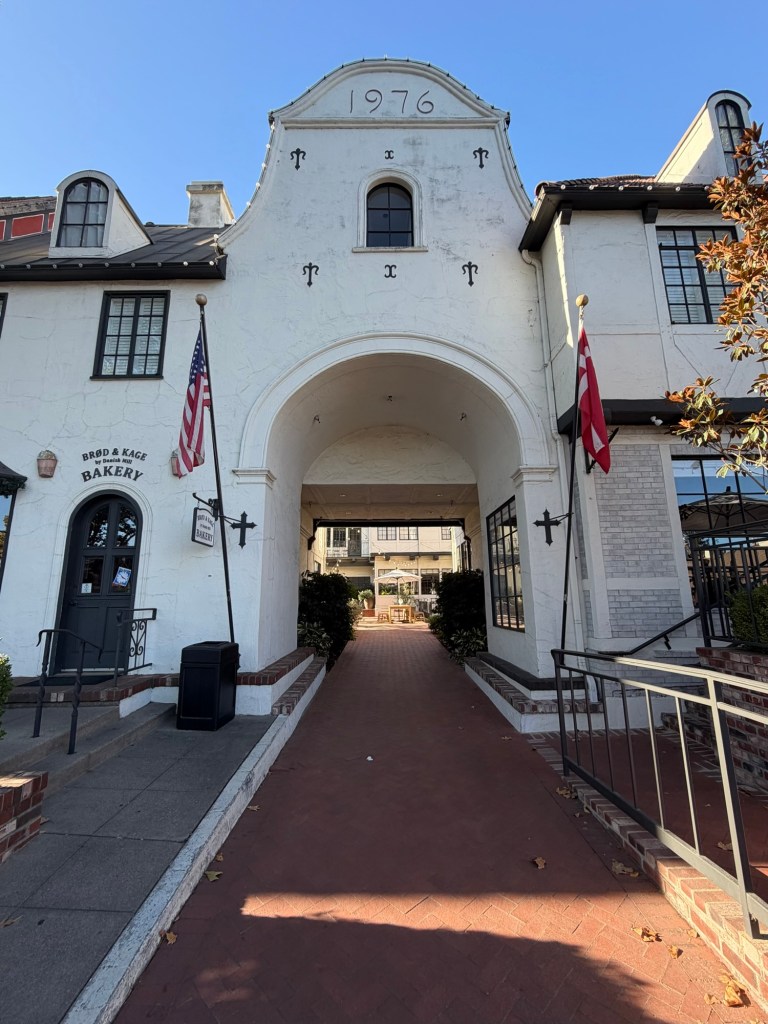
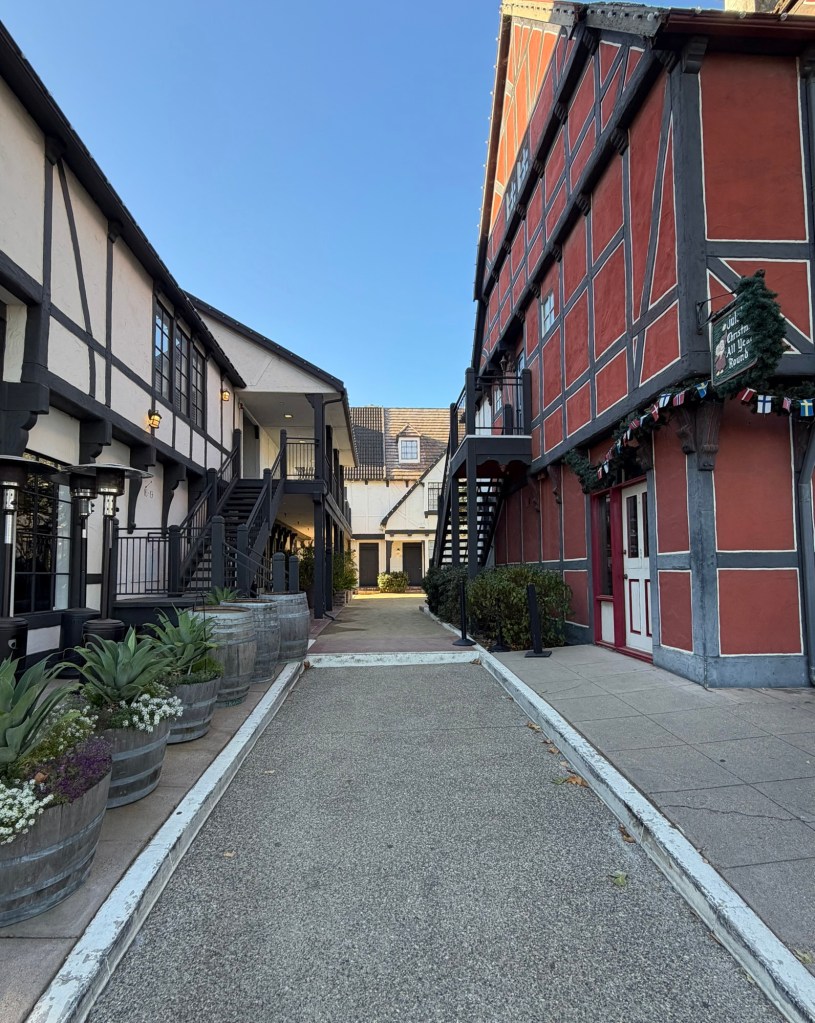
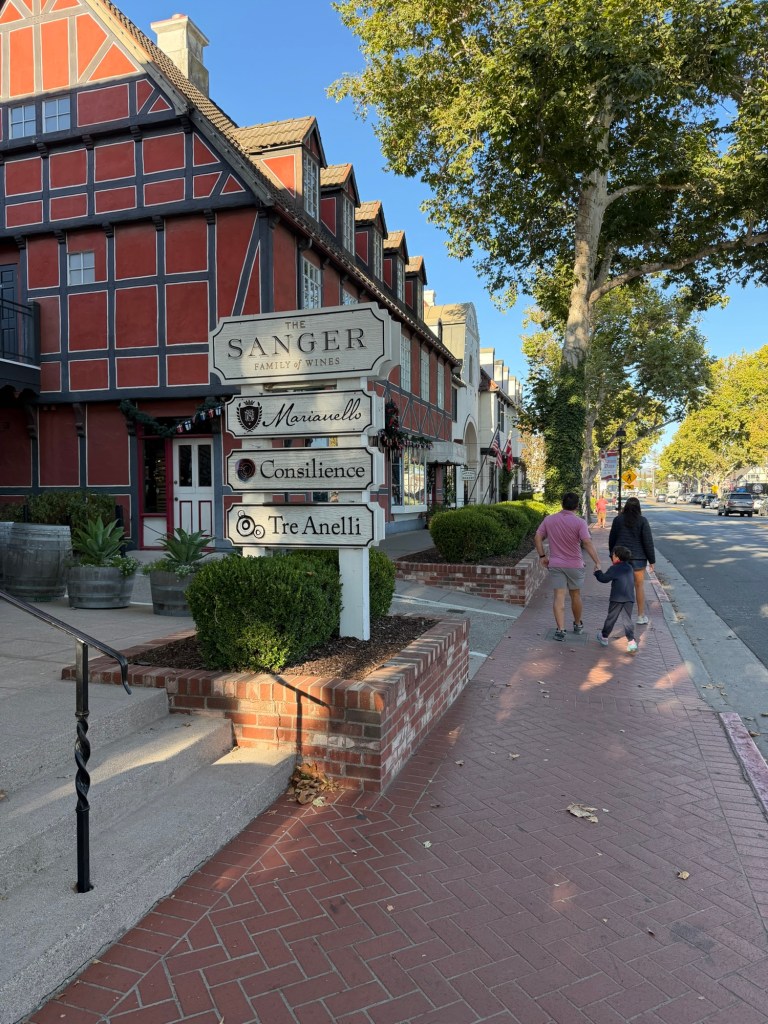
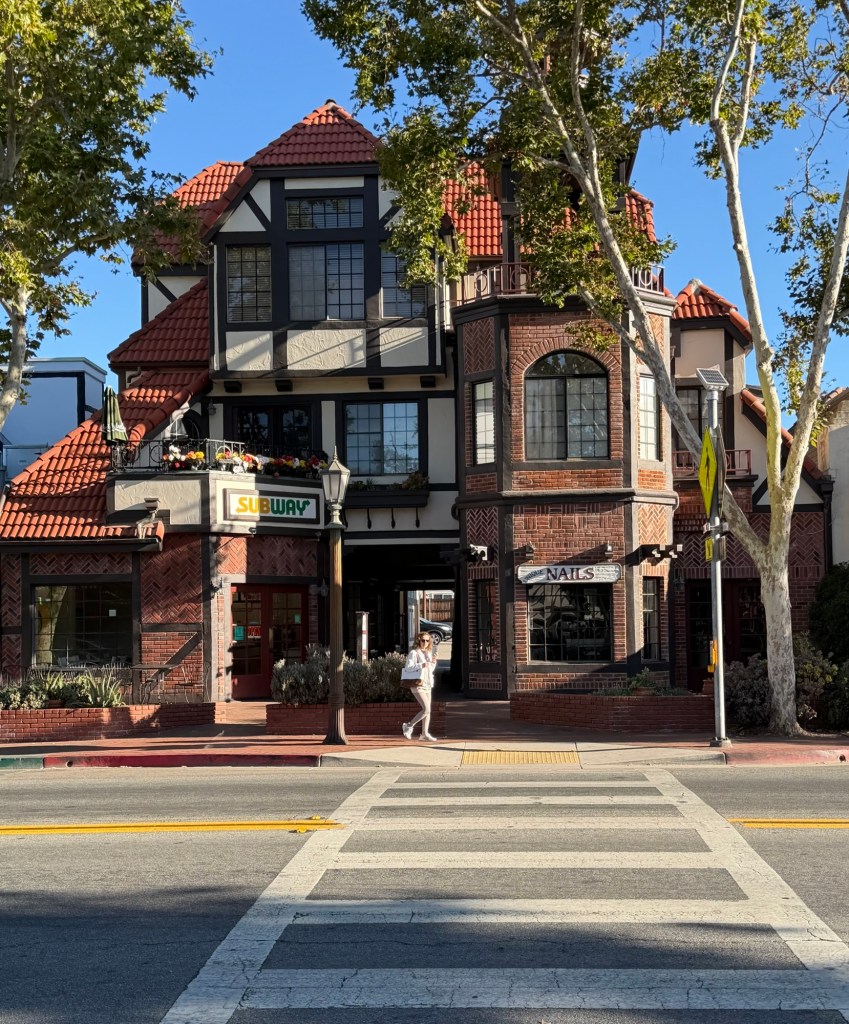
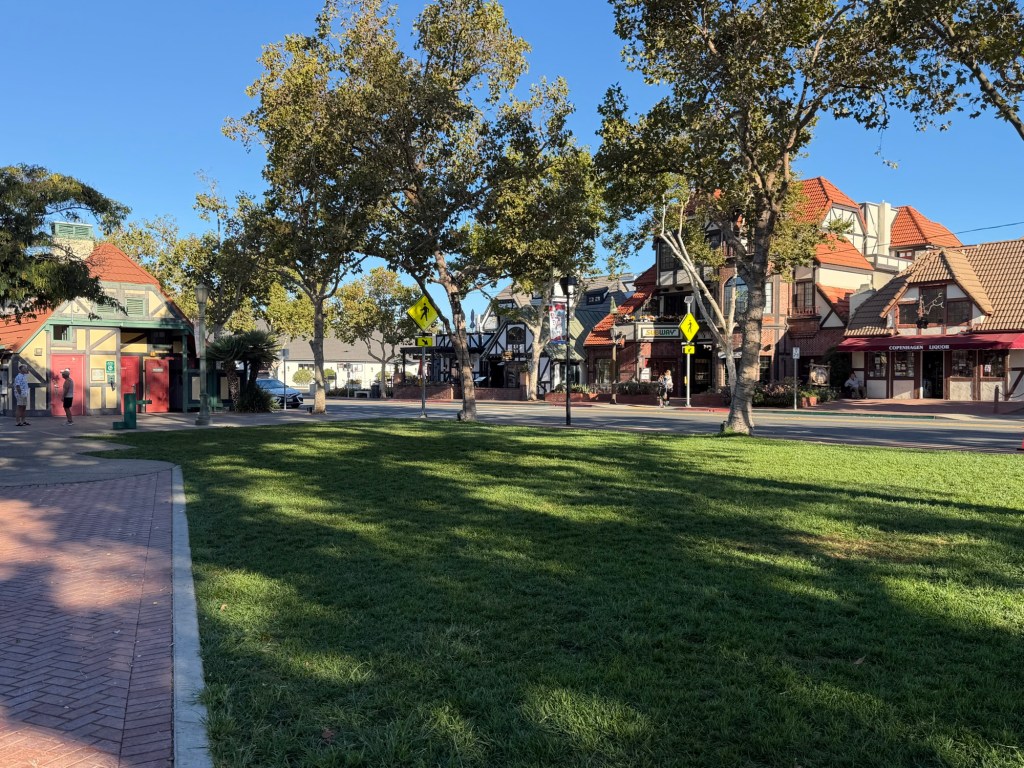
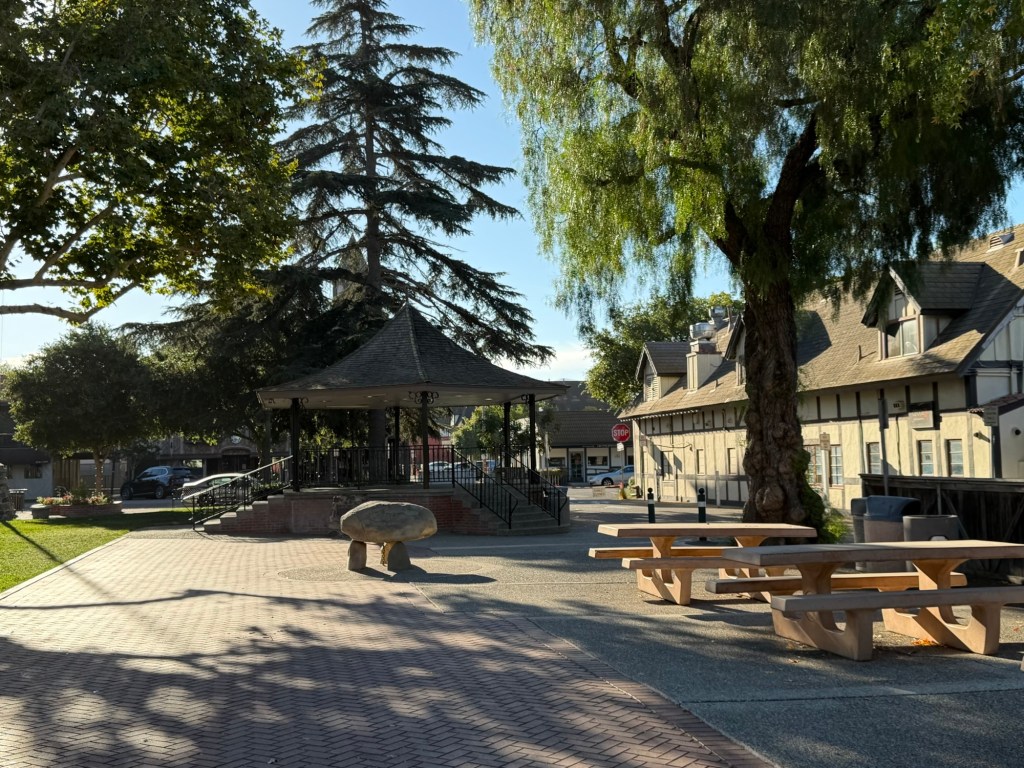
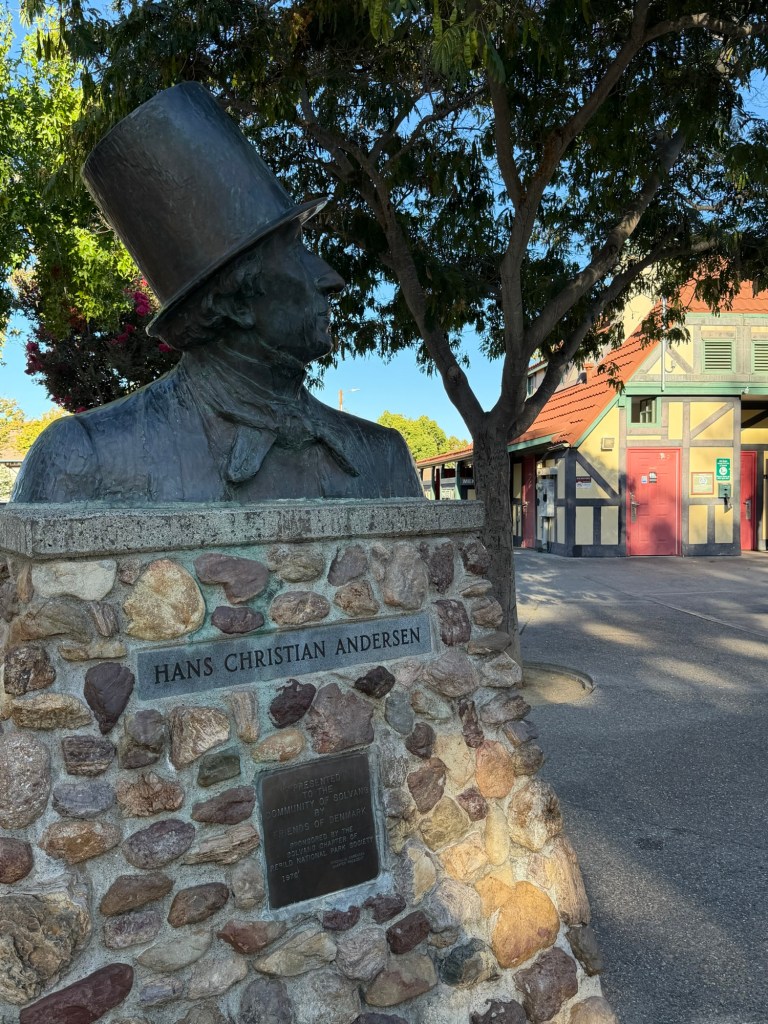
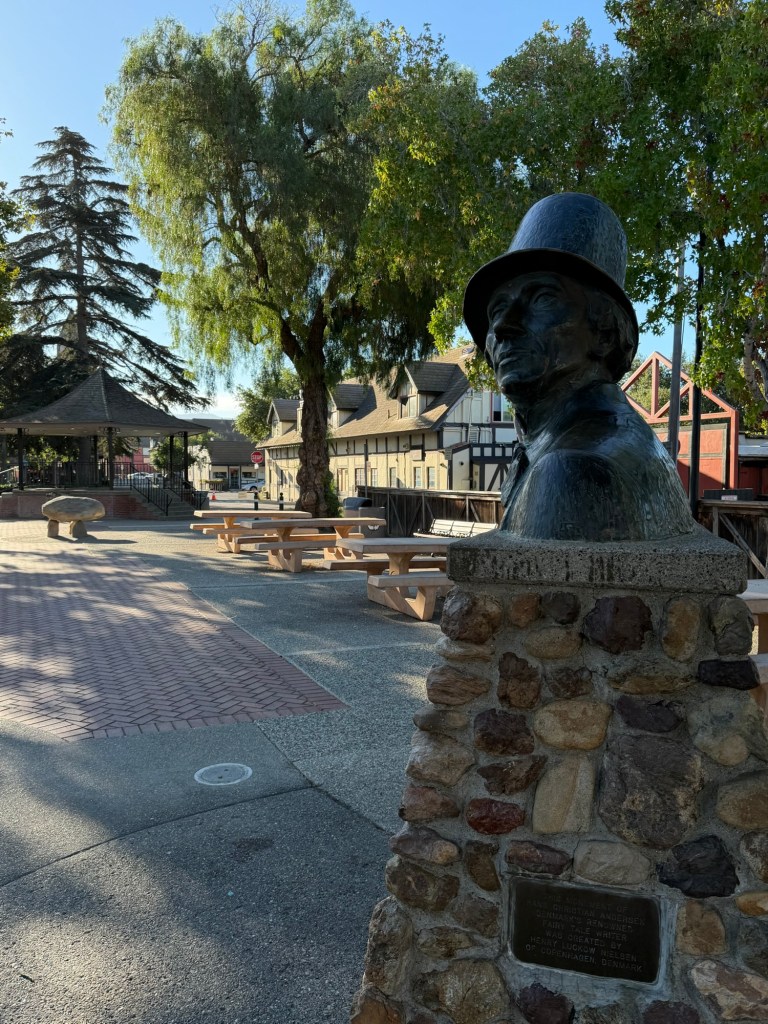
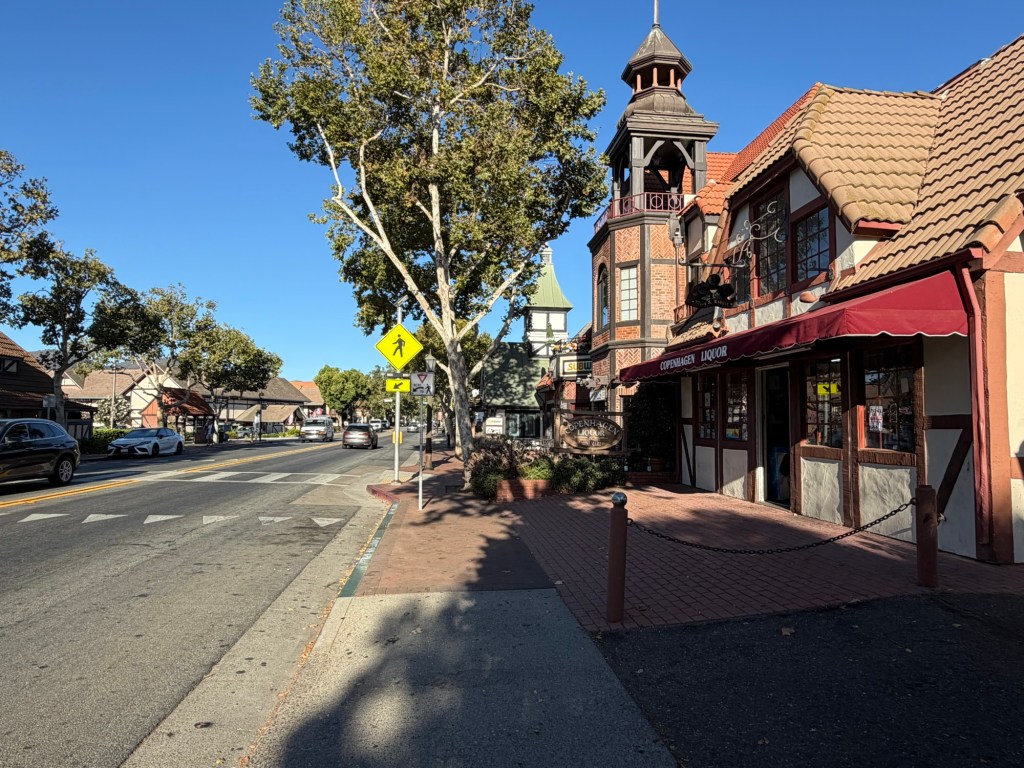
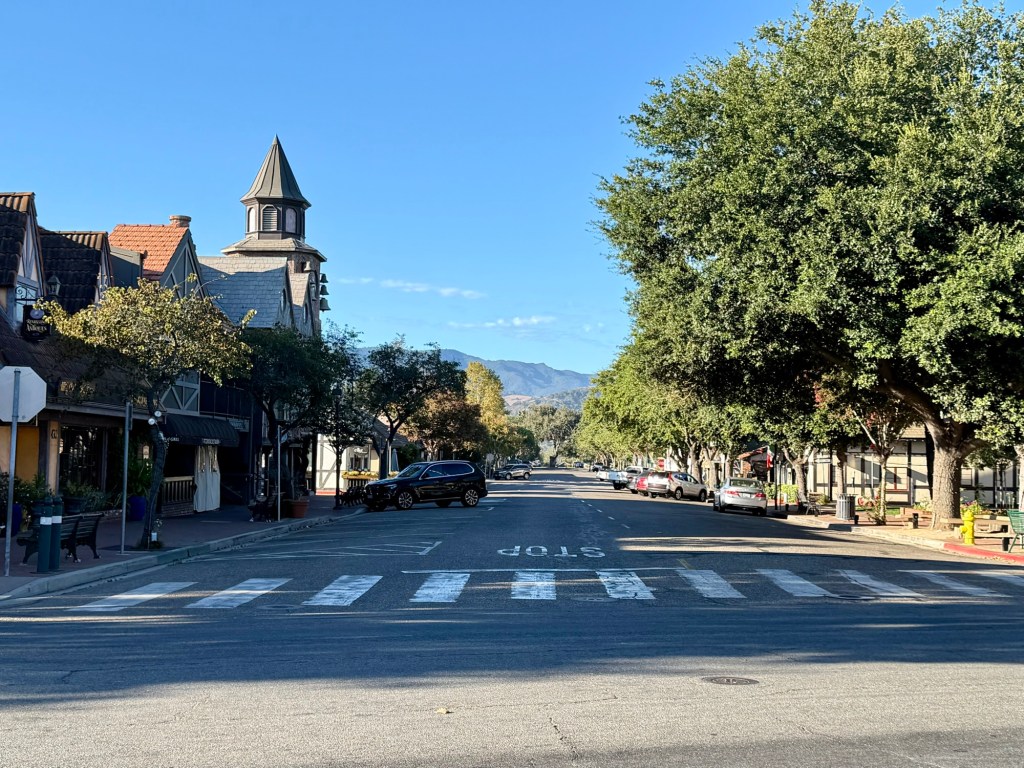
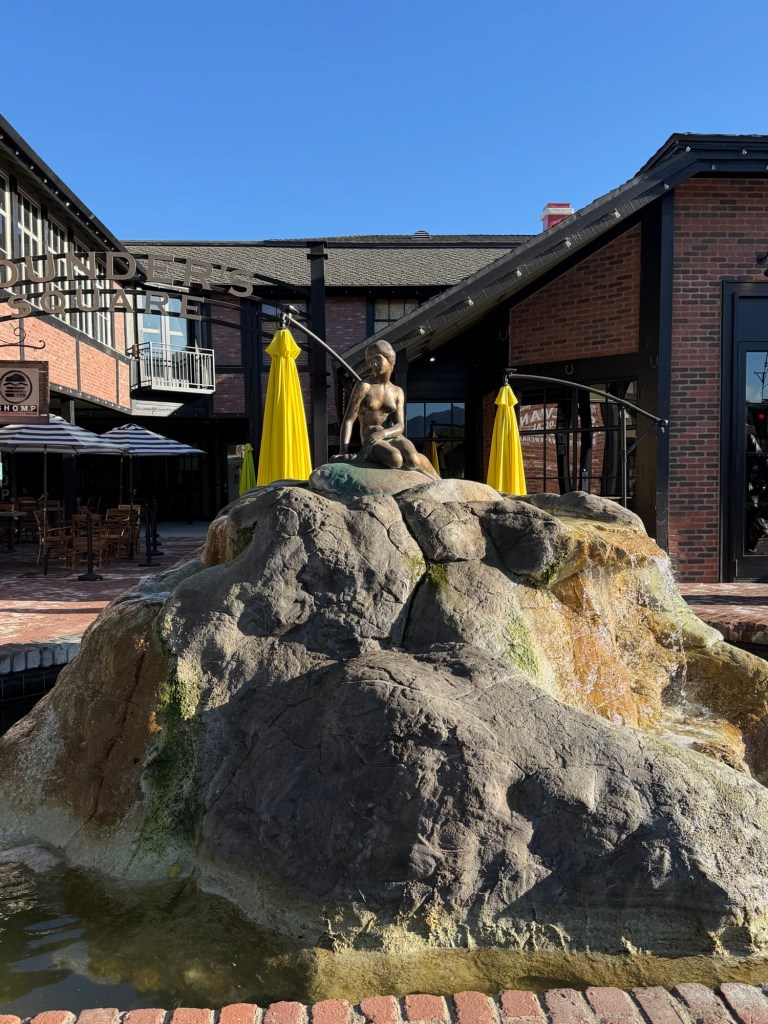
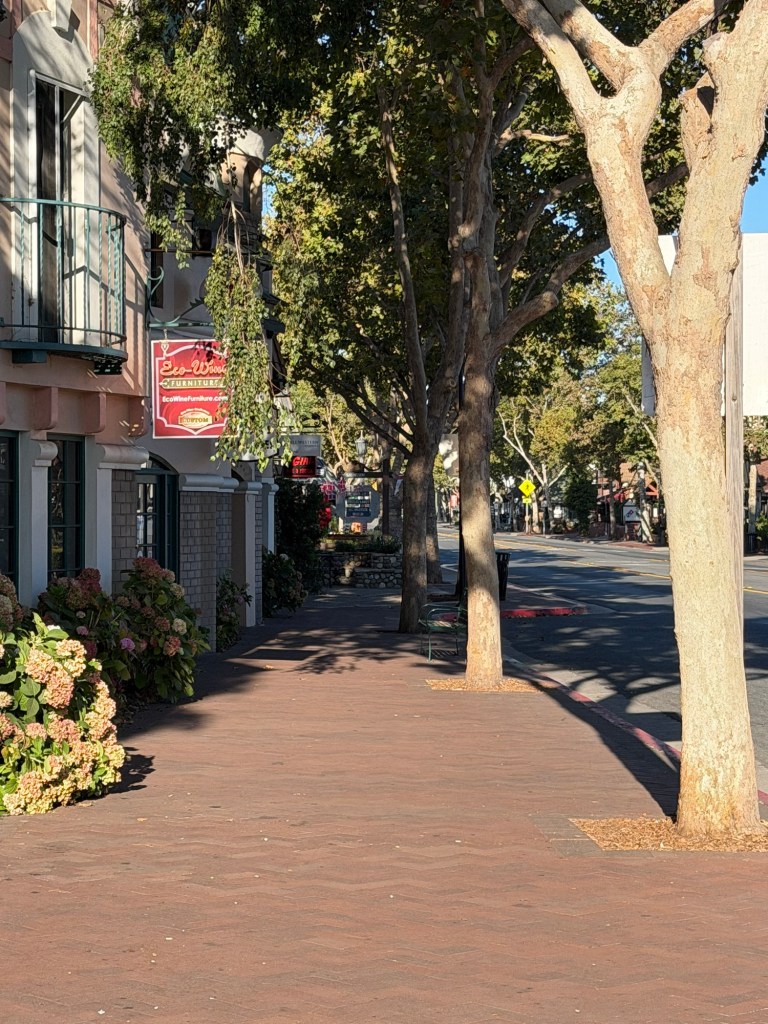
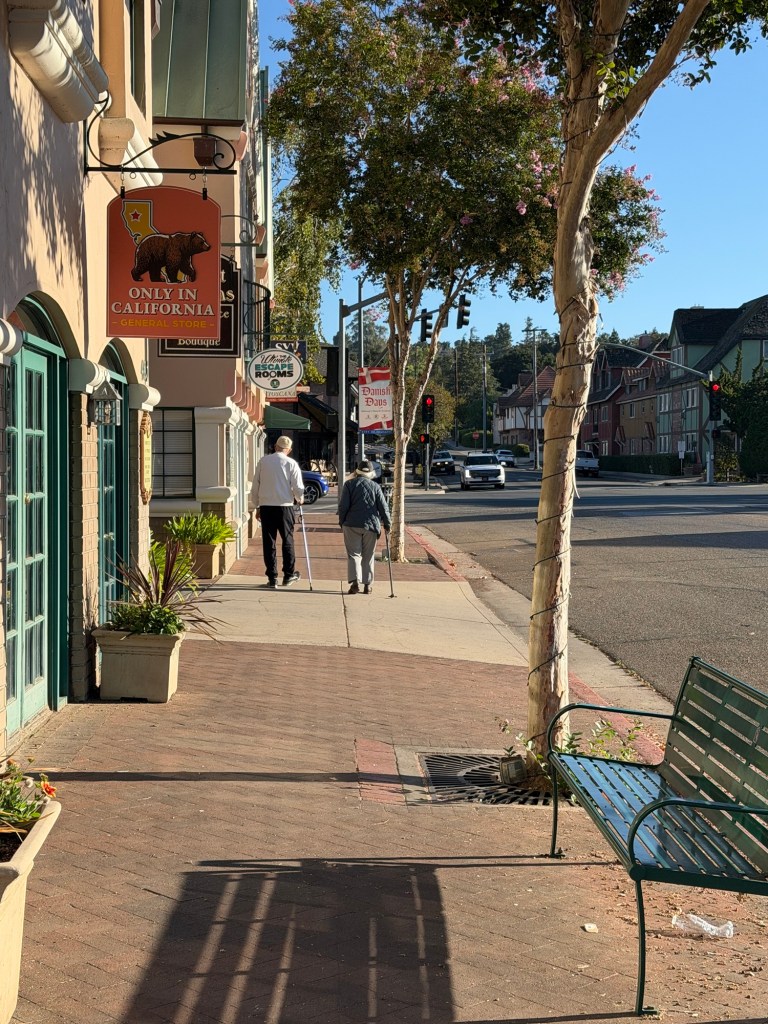
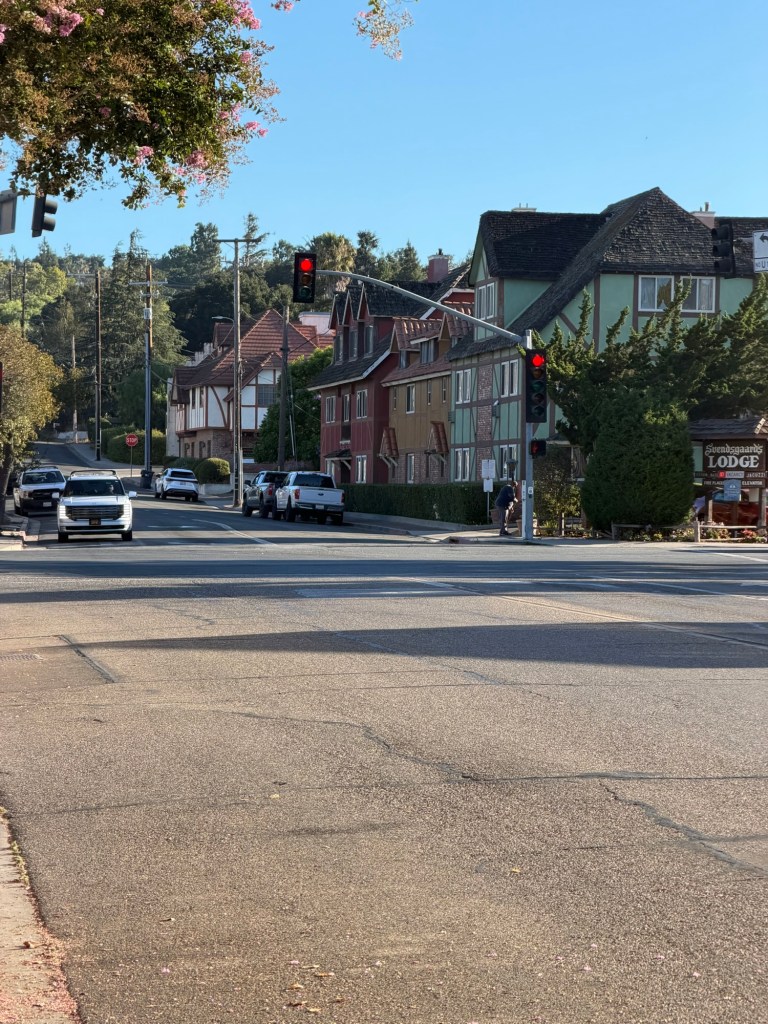
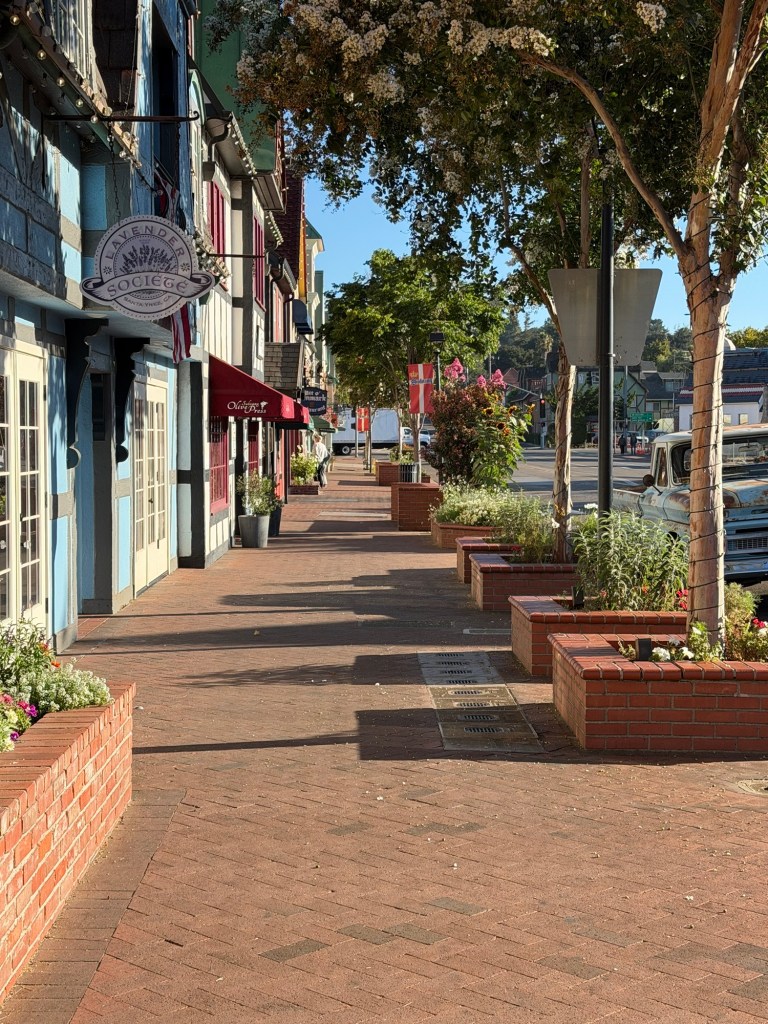
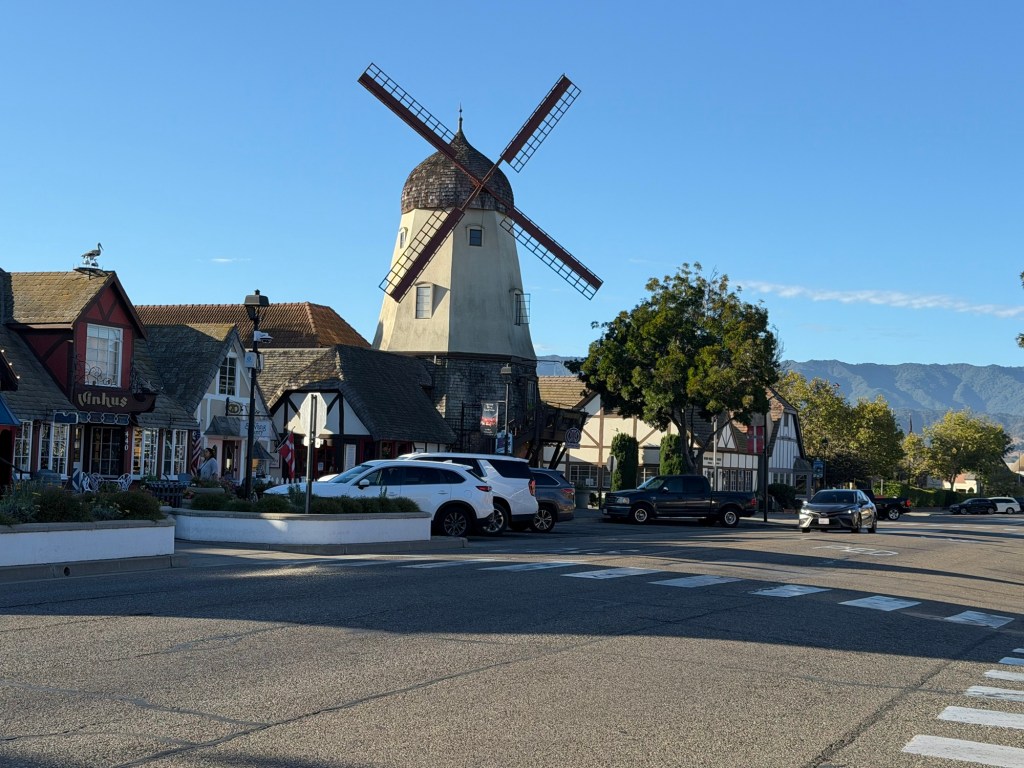
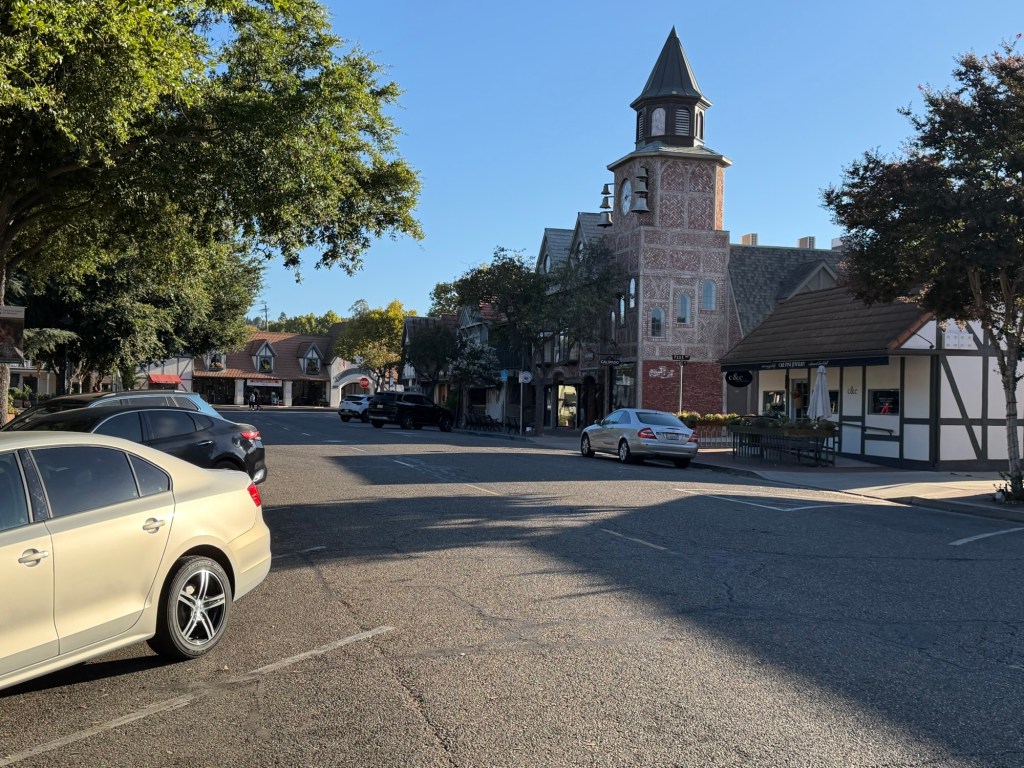
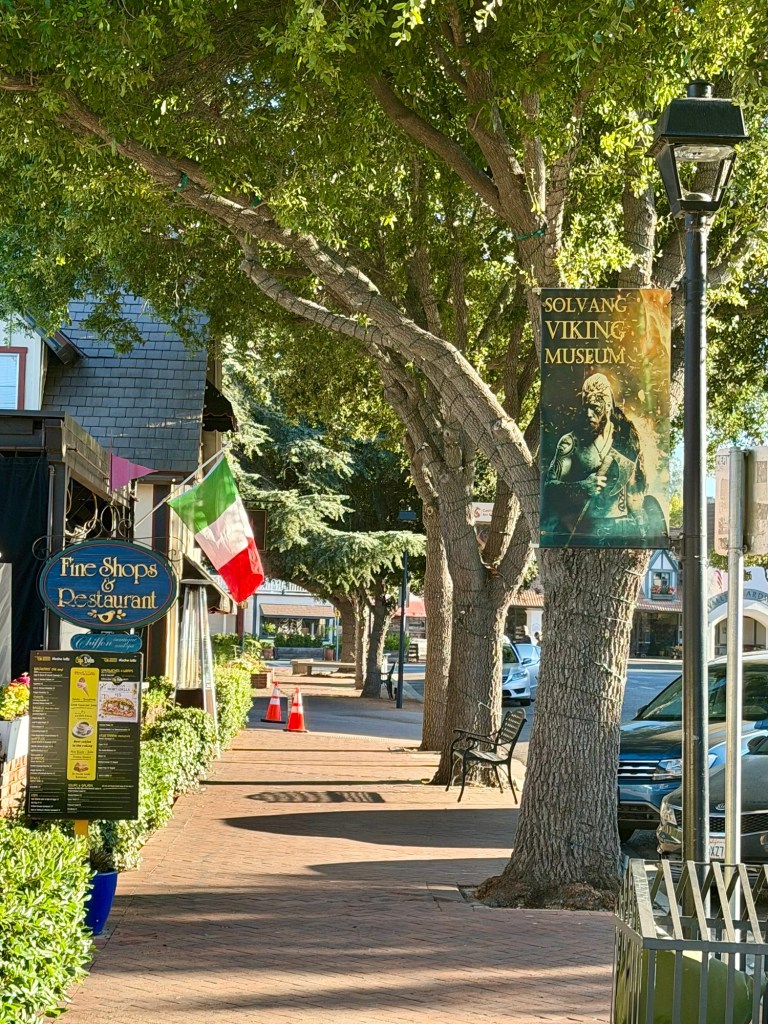
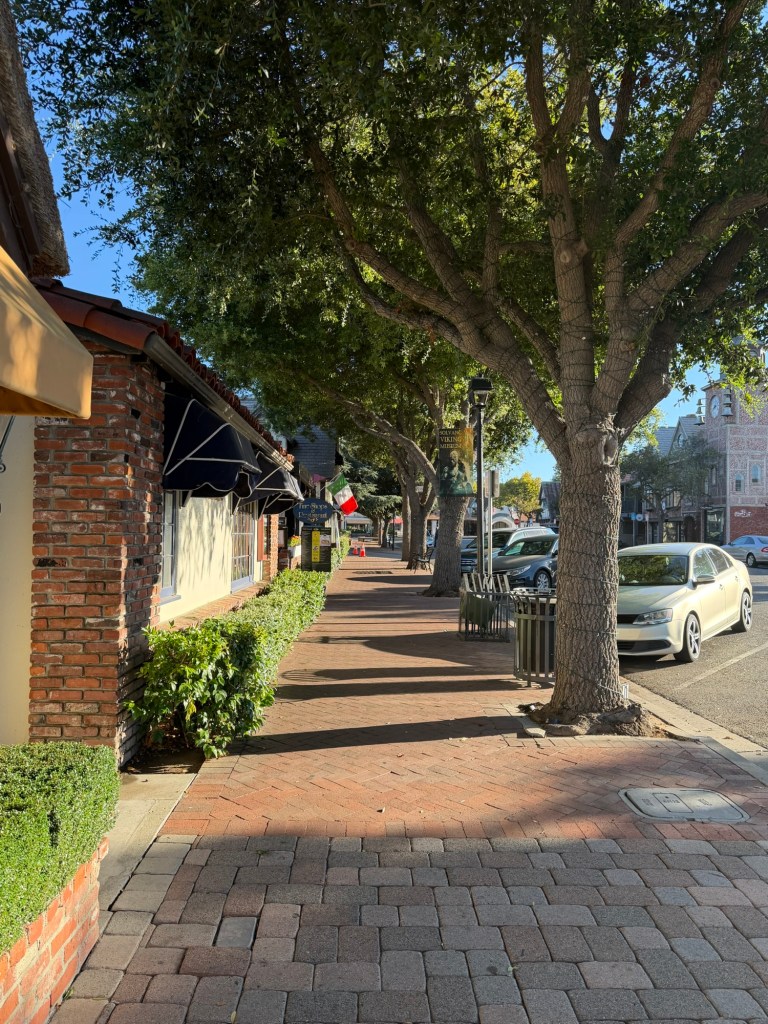
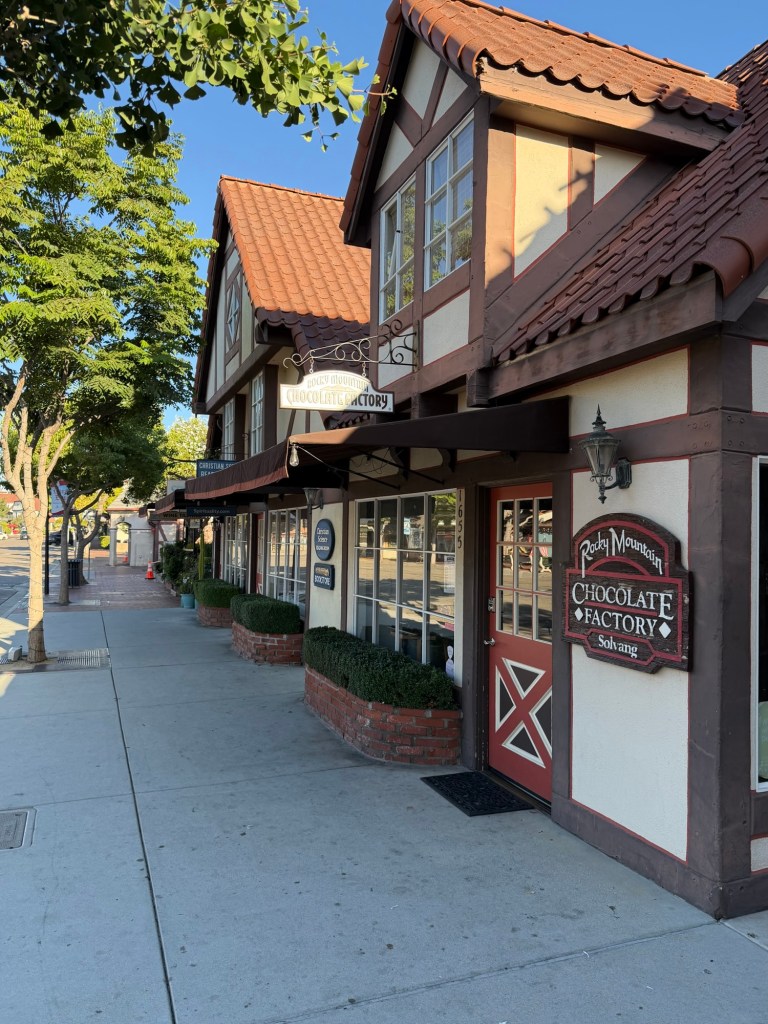
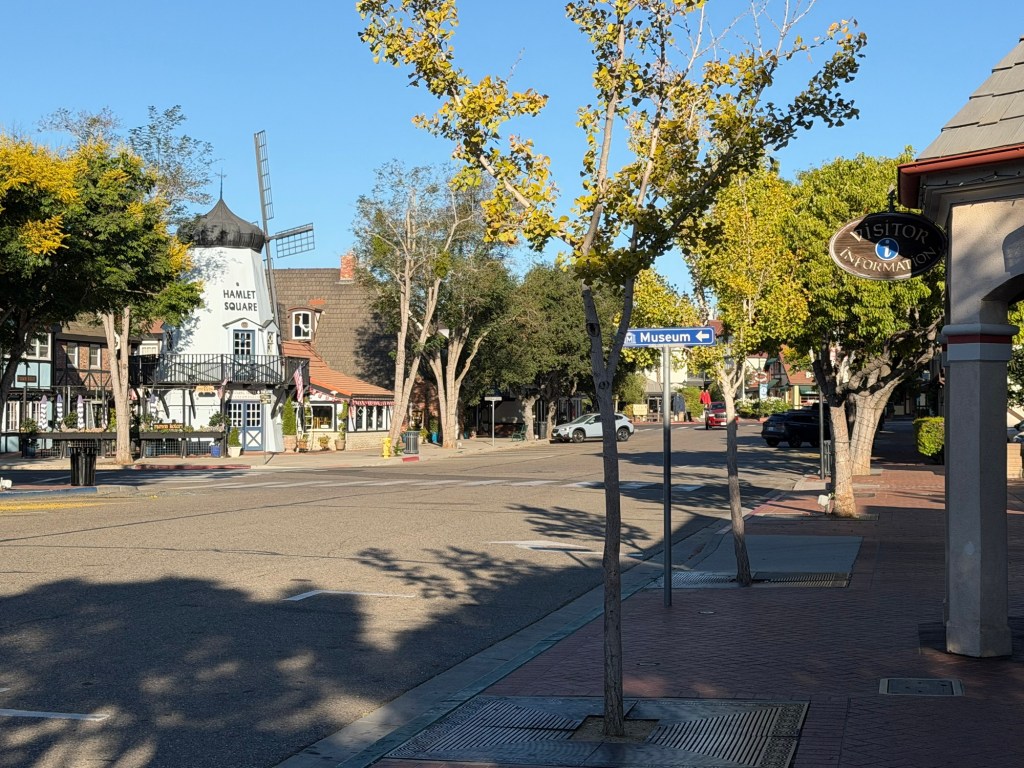
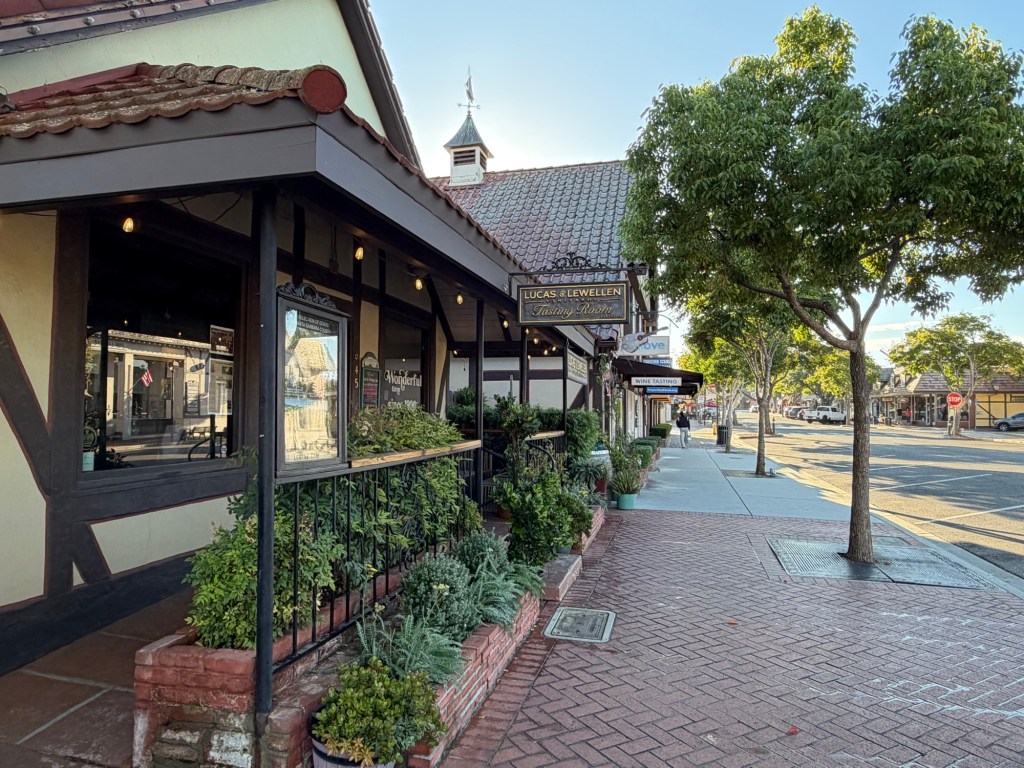
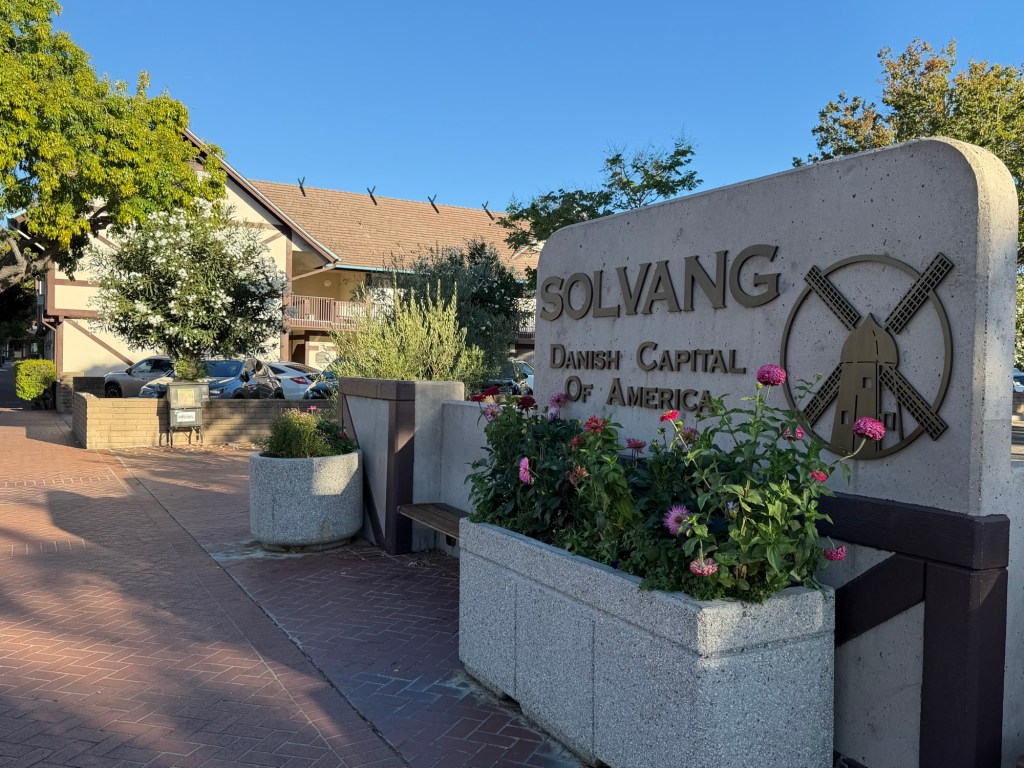
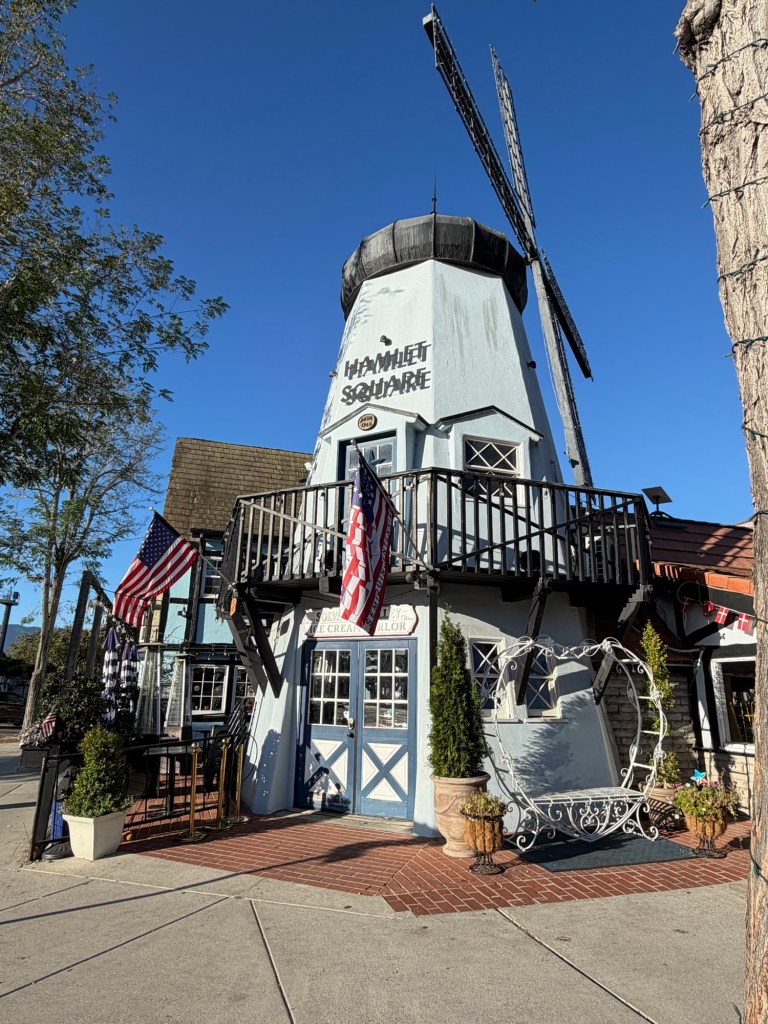
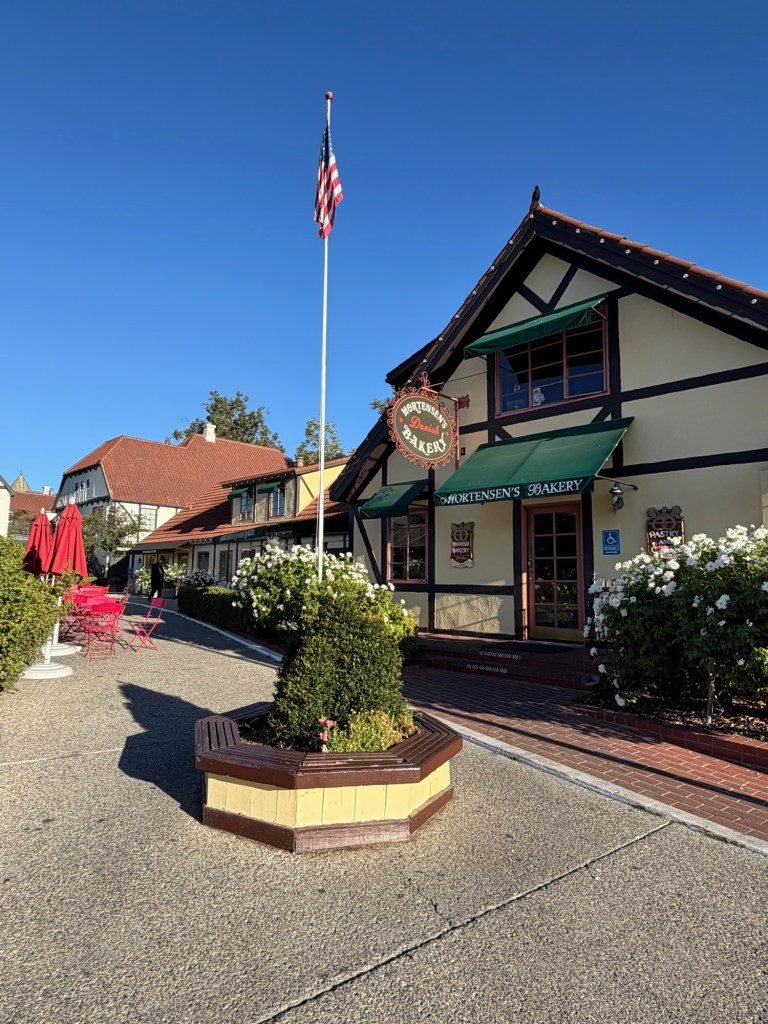
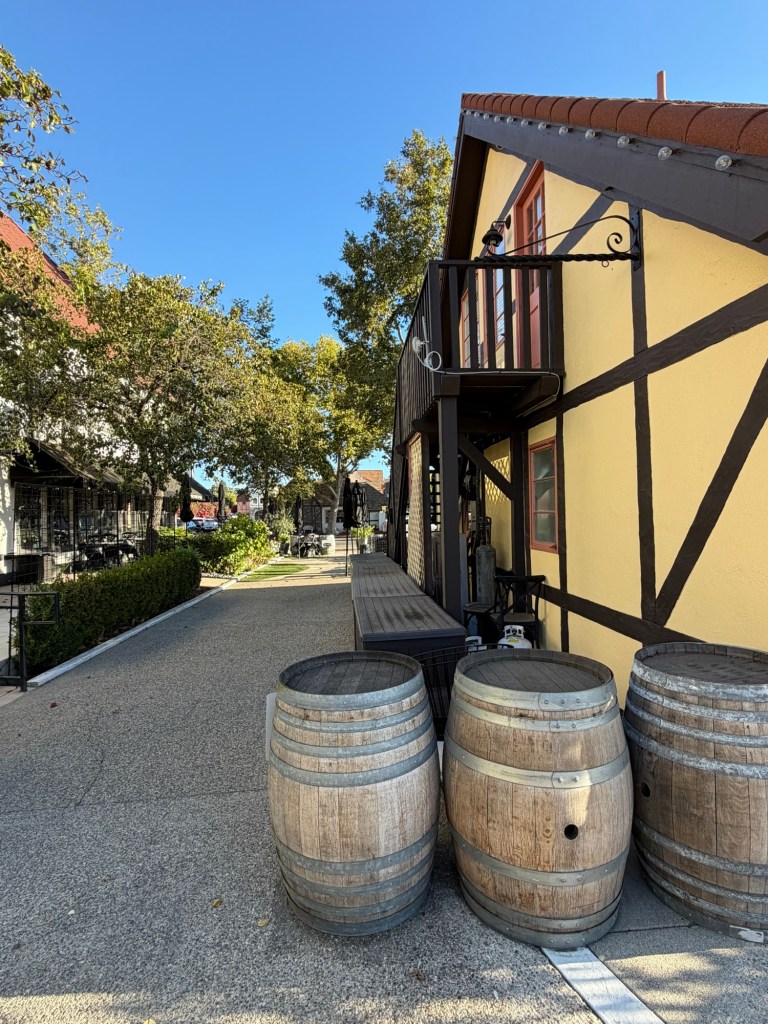
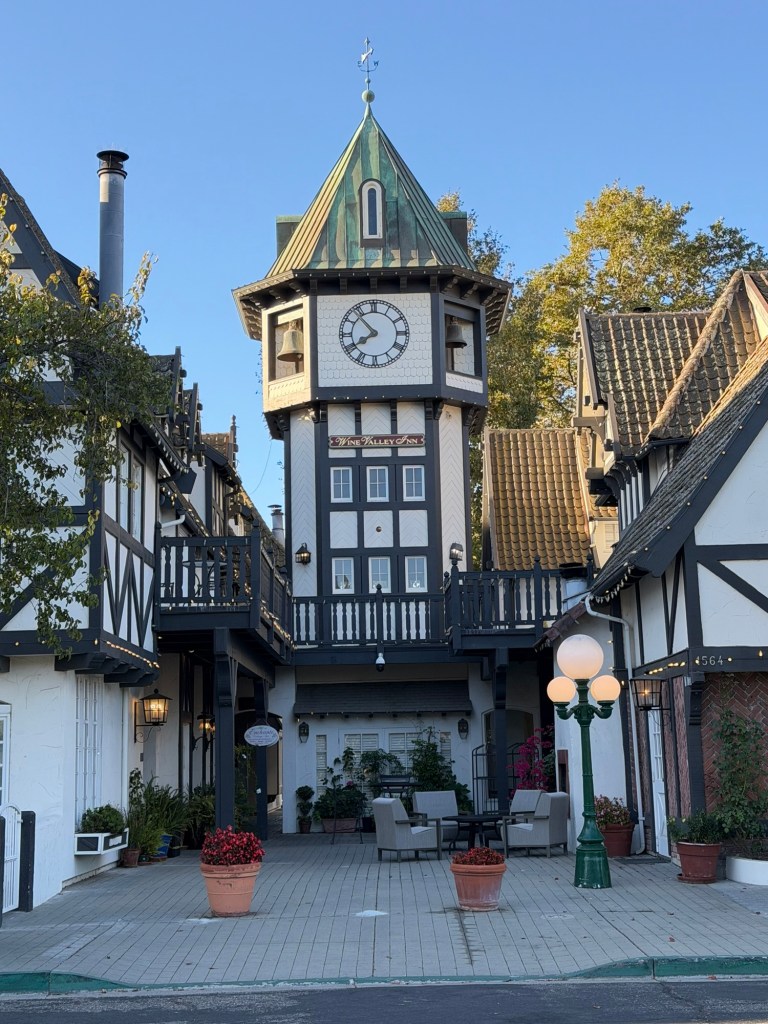
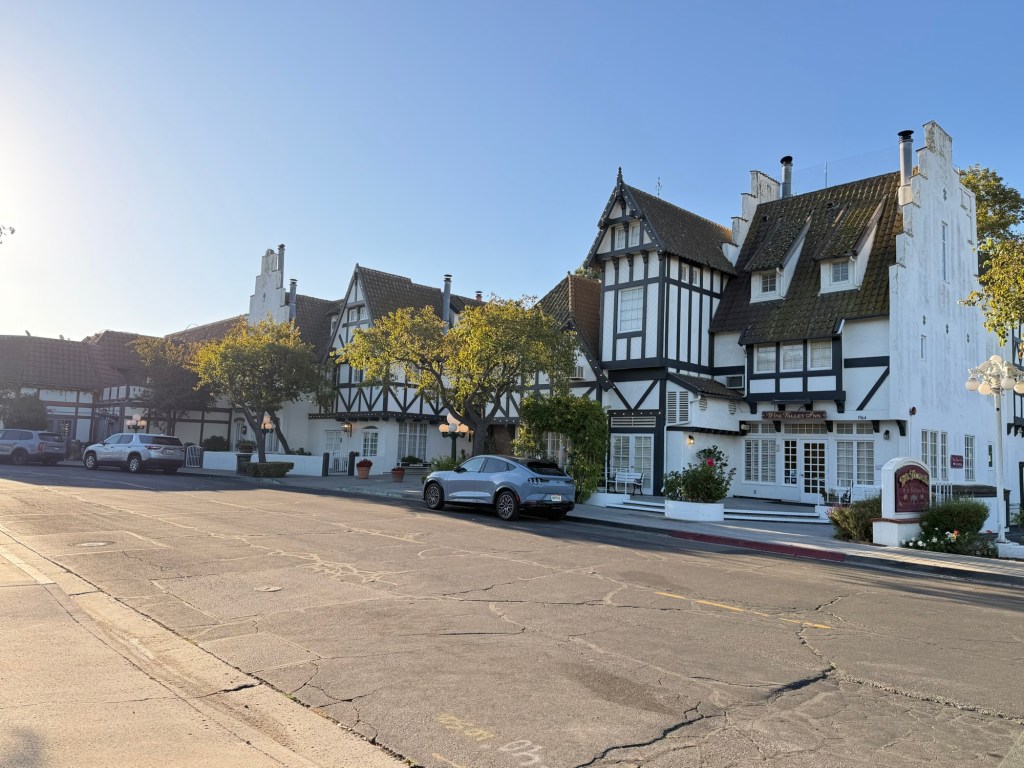
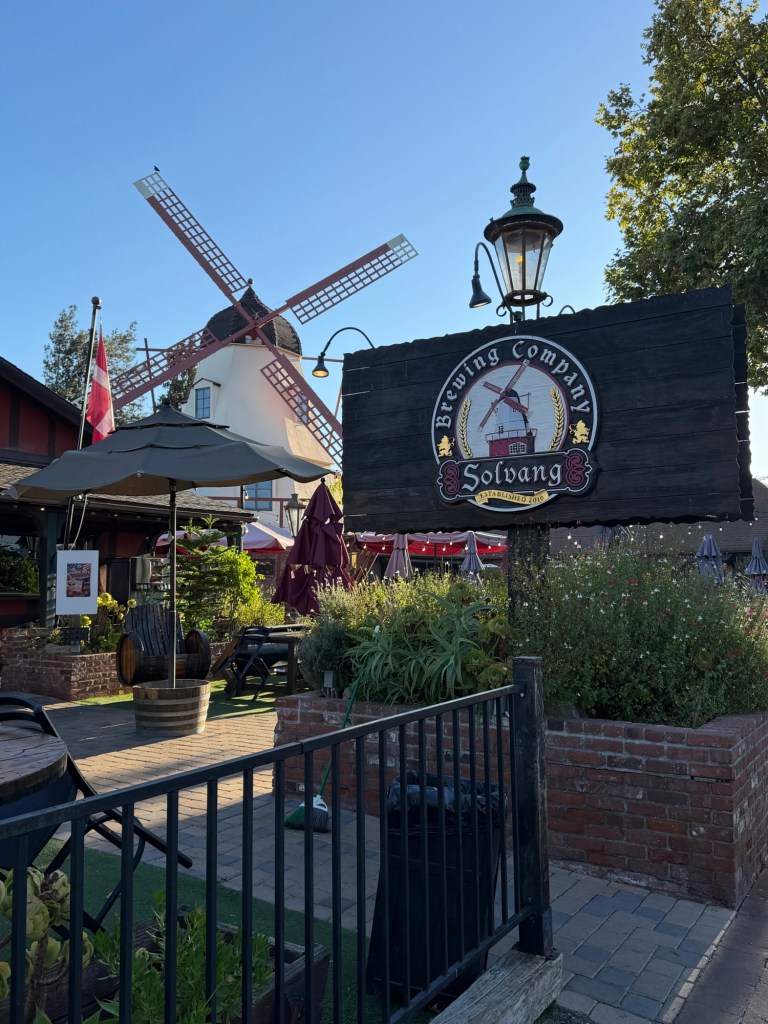
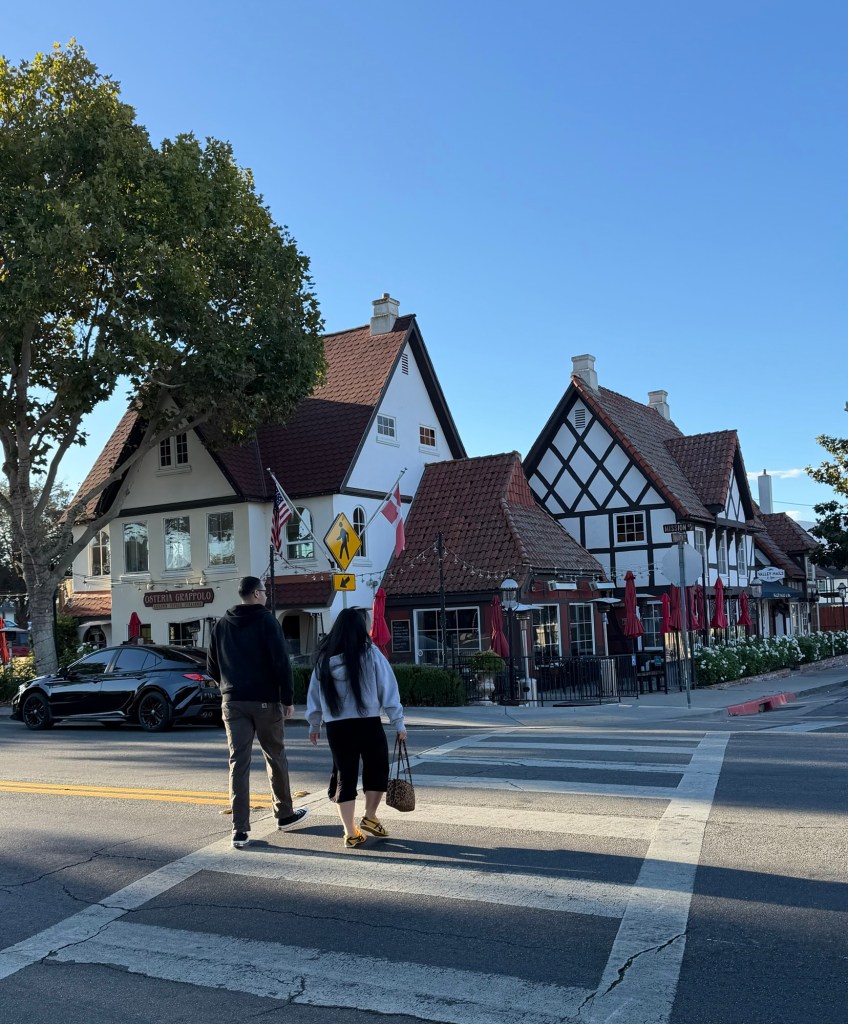
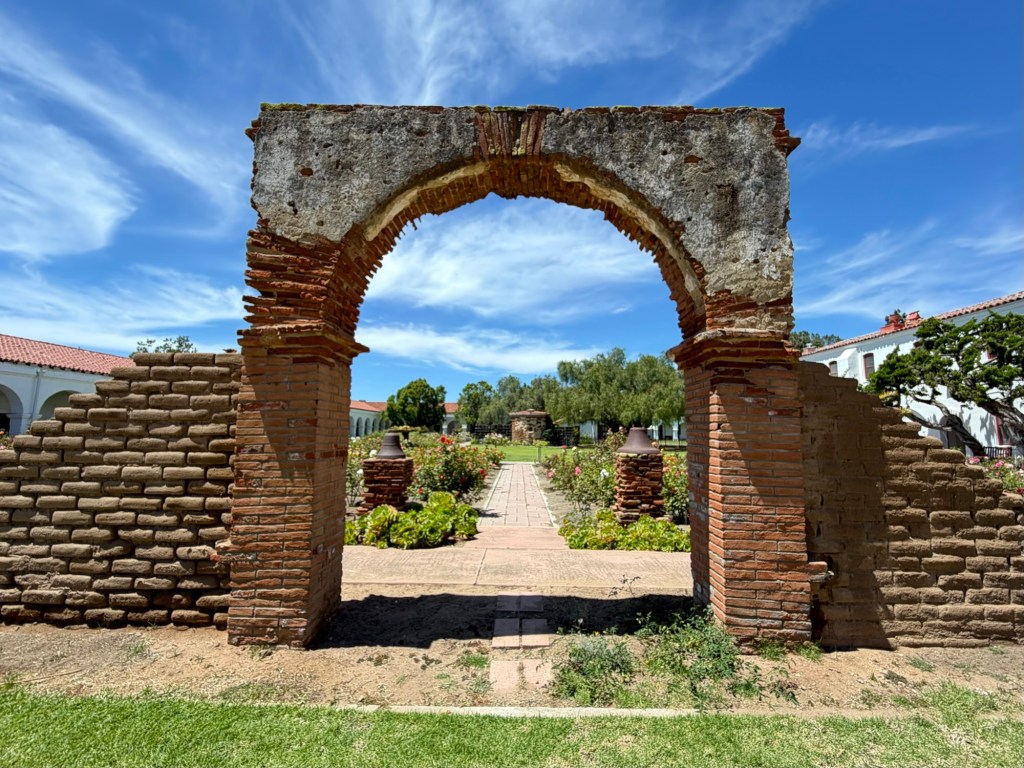
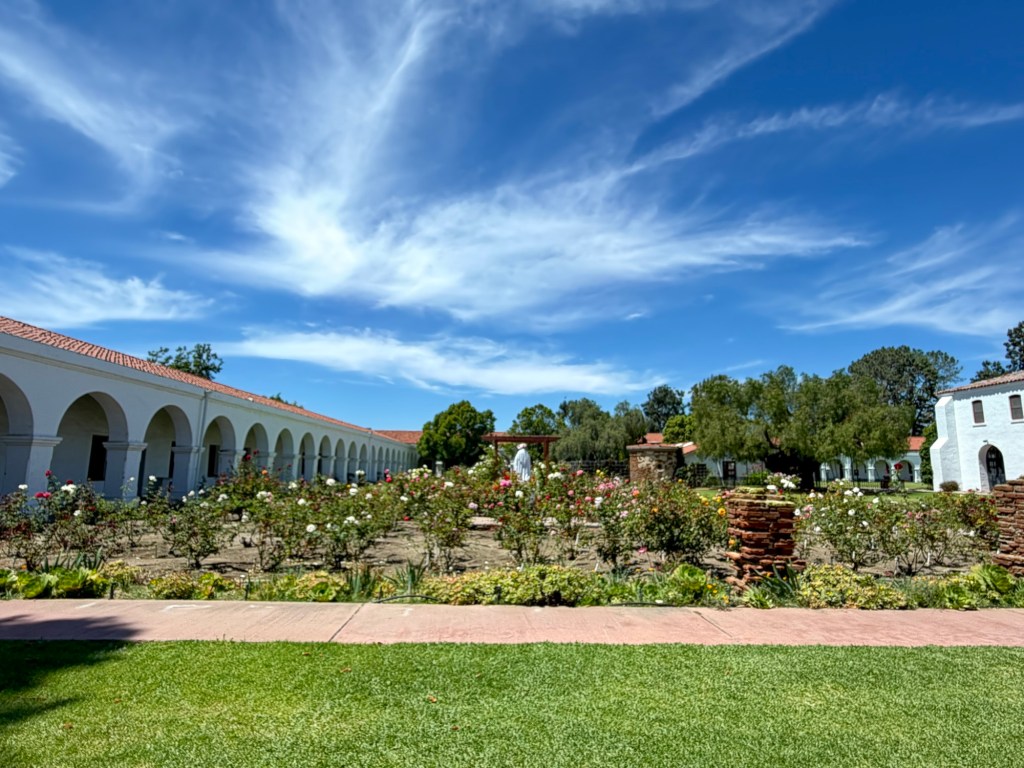
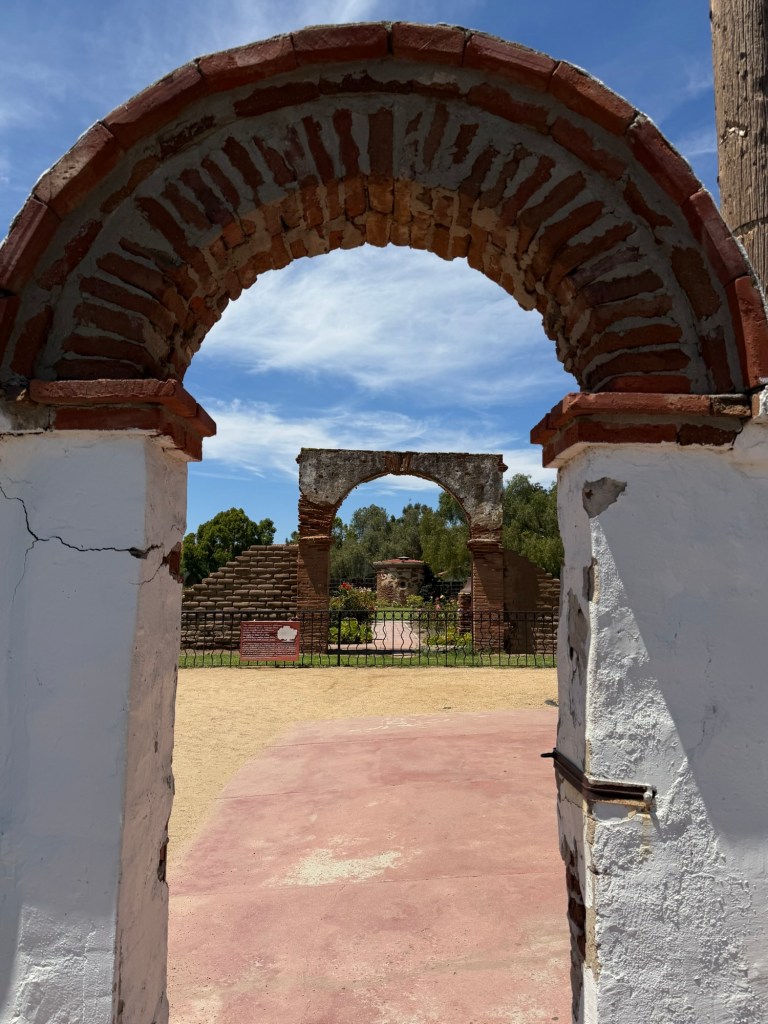
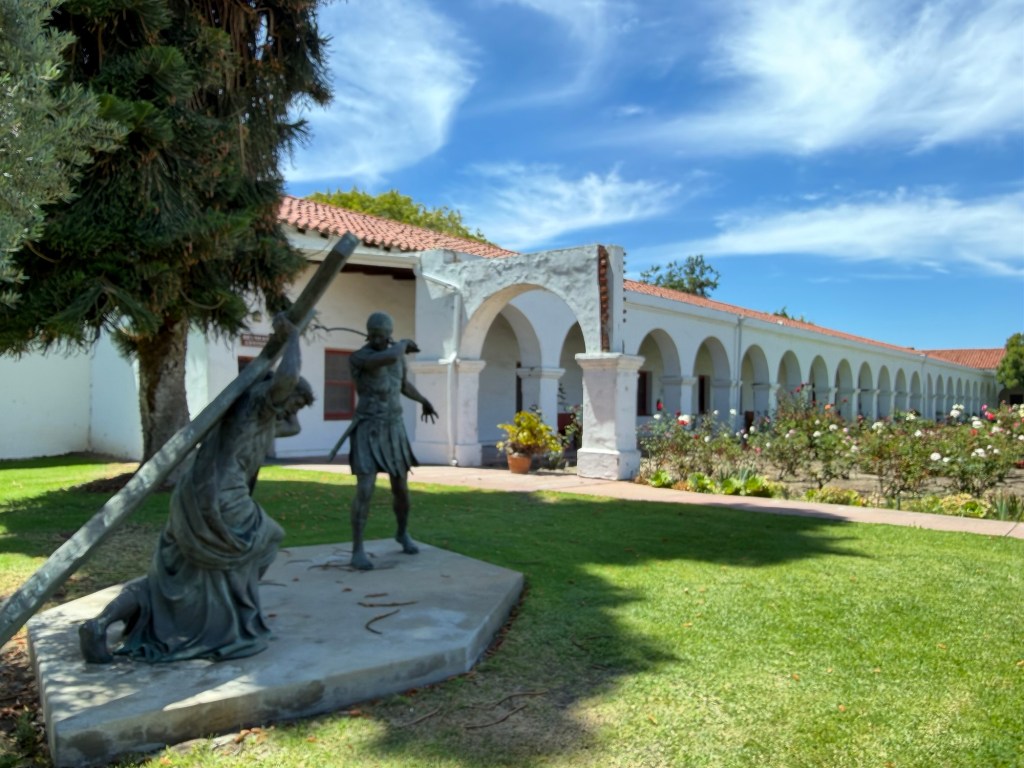
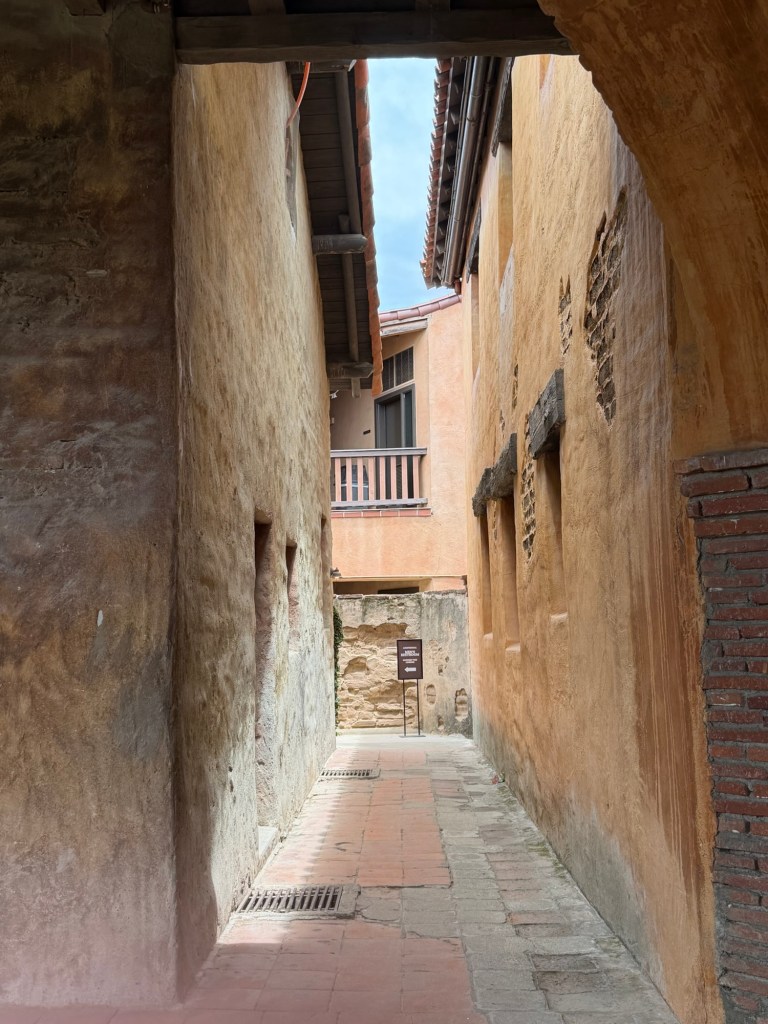
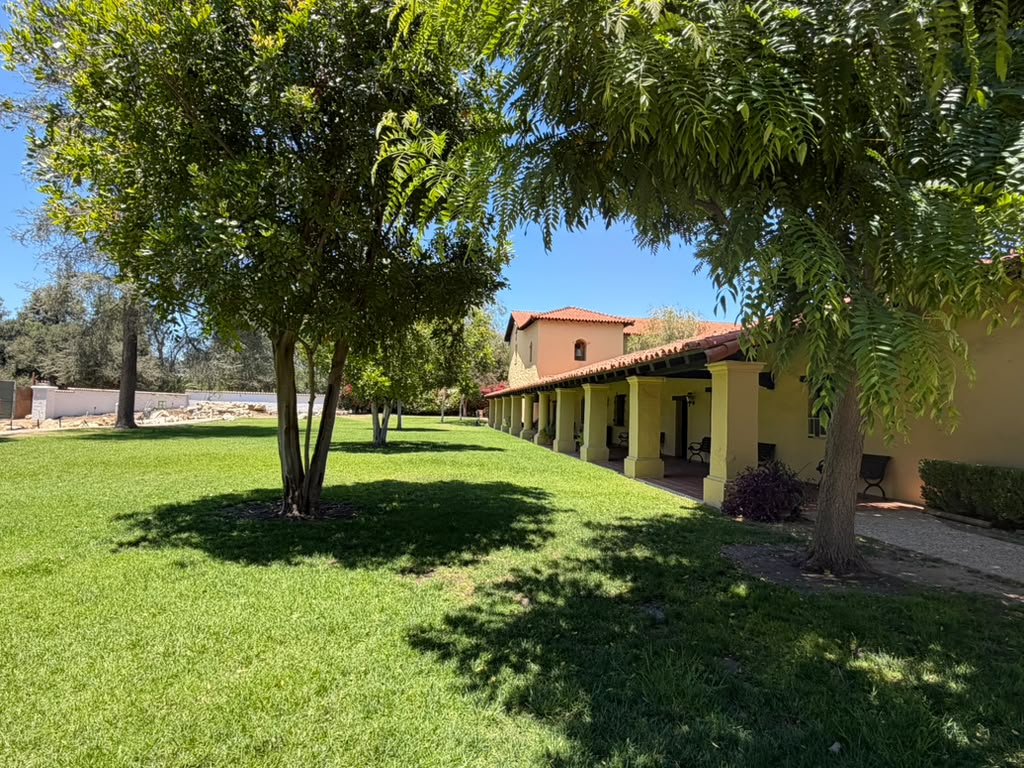
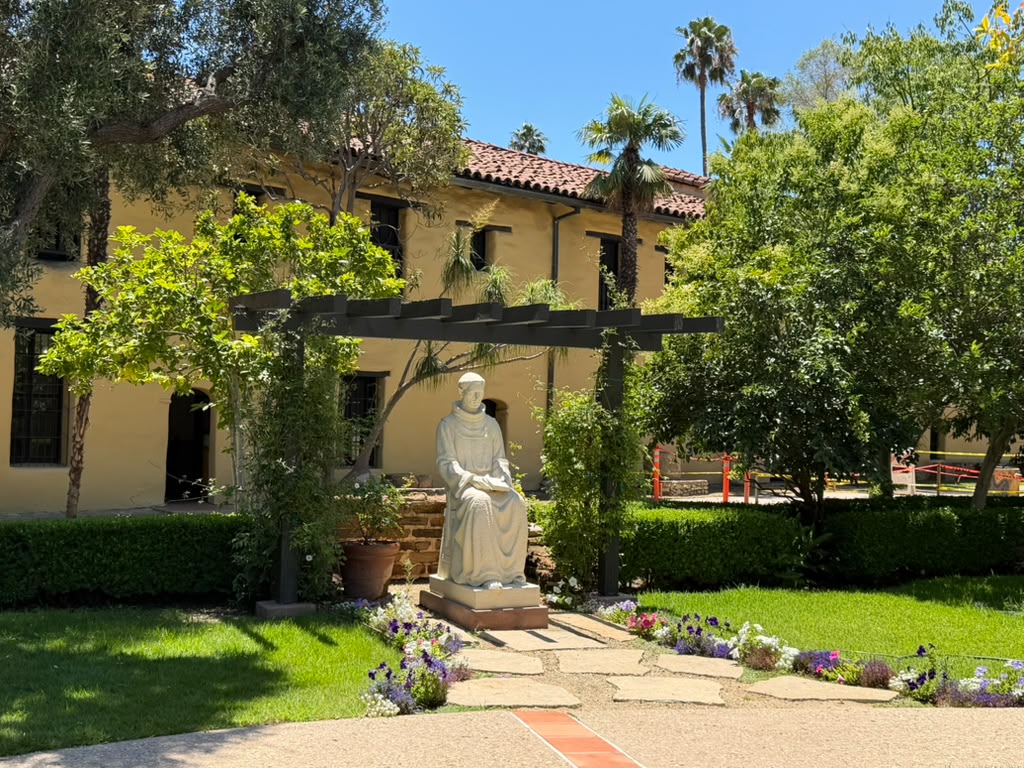
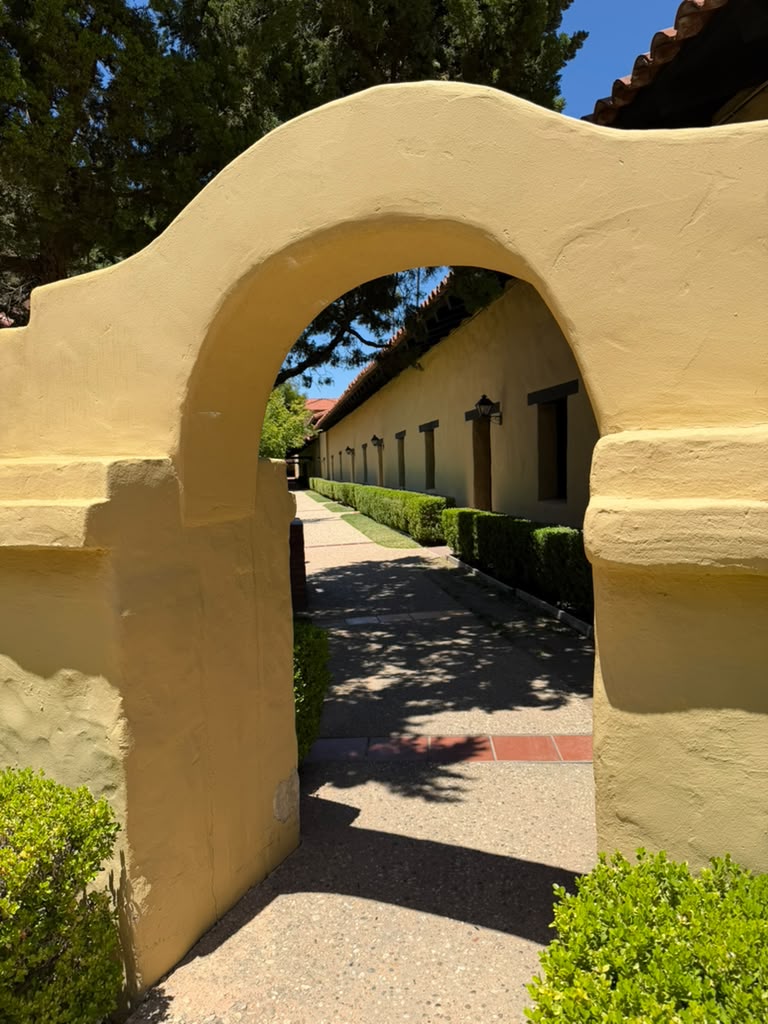
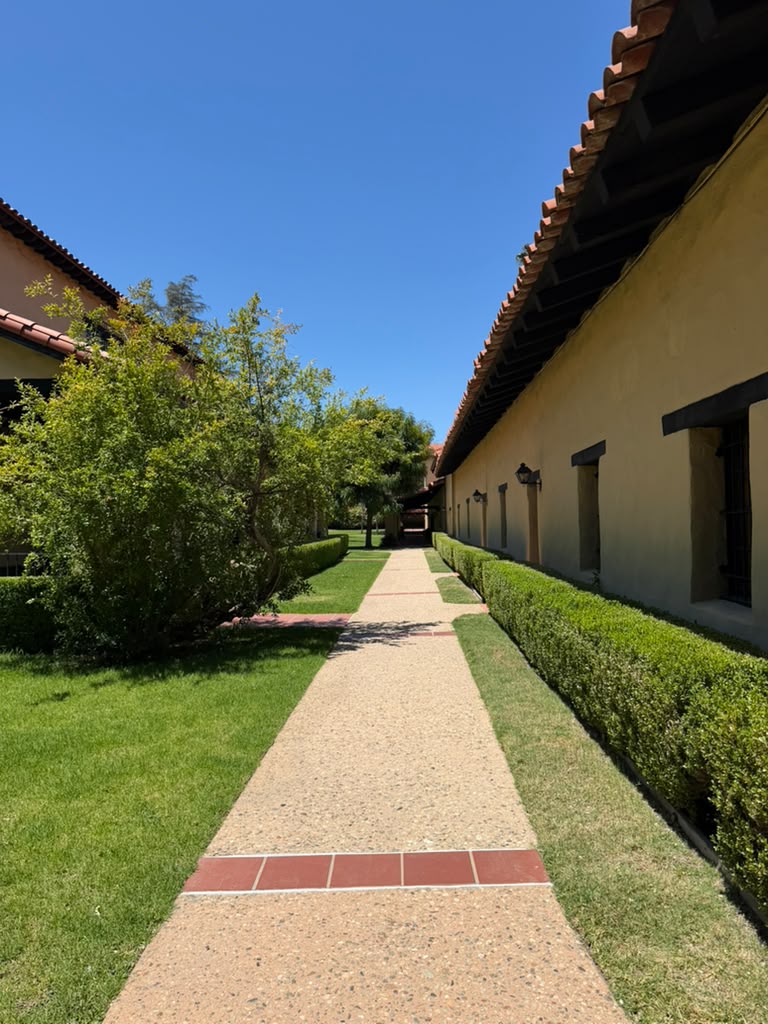
I’ve been to Solvang three times now. The first time was with a group tour, so everything felt rushed. The second was another quick visit. But this weekend, I finally stayed overnight—and got to experience Solvang at a much slower pace.
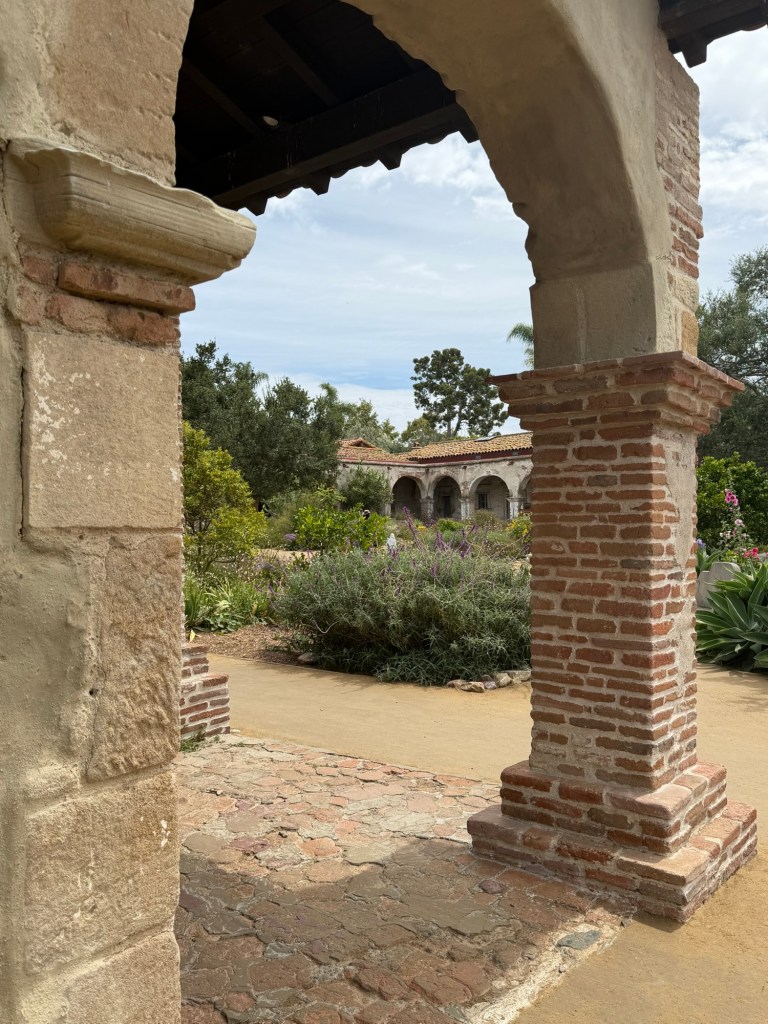
I came from San Luis Obispo and La Purísima, visiting the missions along the way. Solvang has a mission too, but I’ll save that for a different entry. For now, I just wanted to share some of the beautiful photos I took while staying in downtown Solvang.
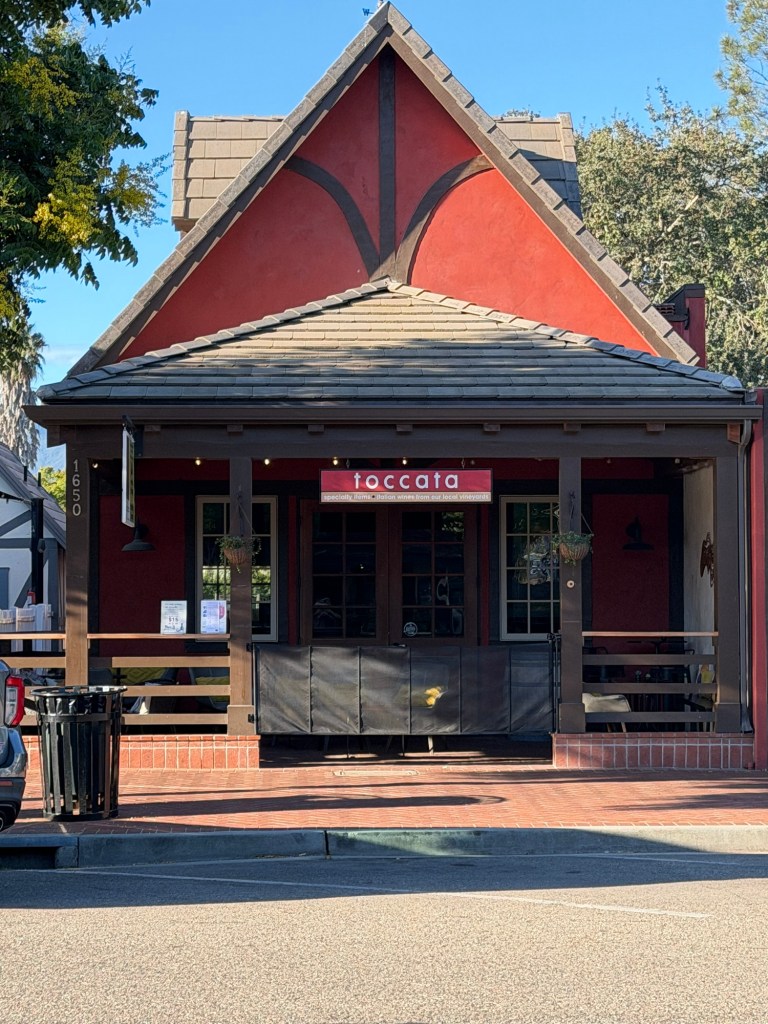
On my first day, I spent some time walking around and, after a little wine tasting at Toccata, I may or may not have gotten a little tipsy. 😂 The wines were so good!
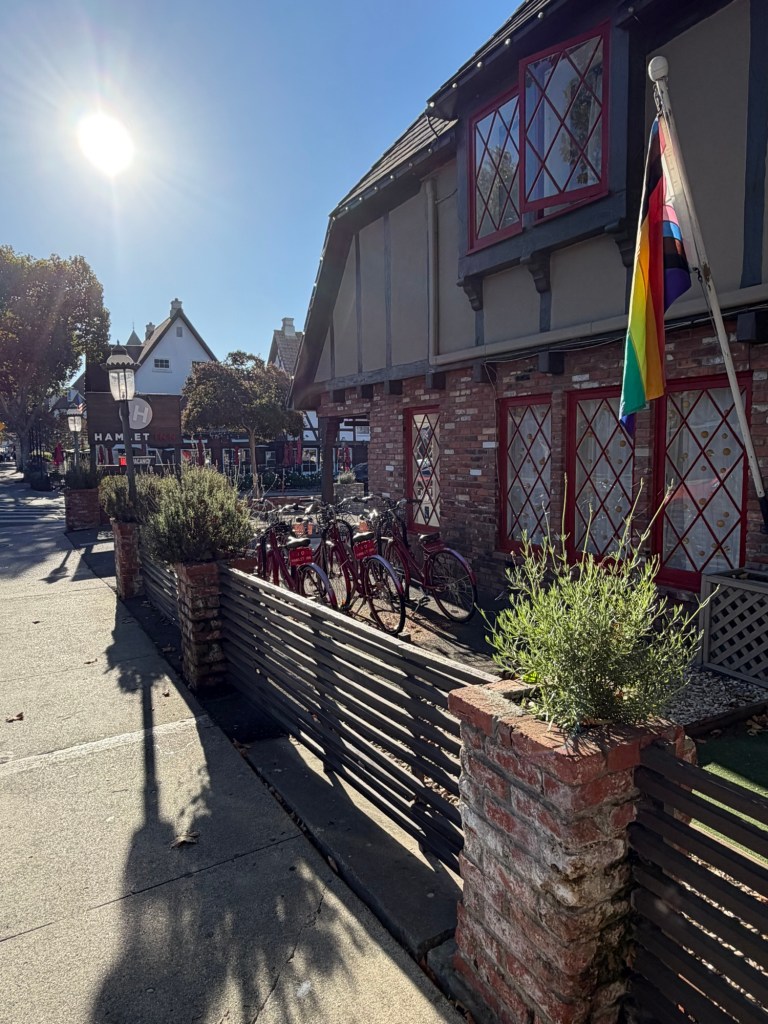
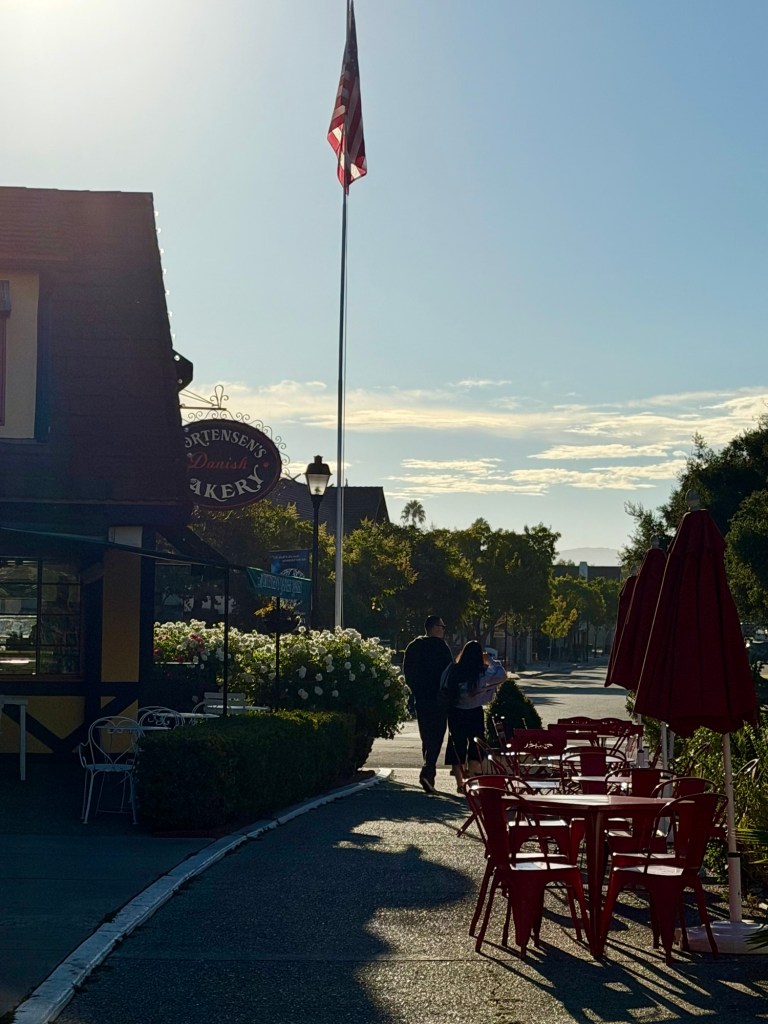
On Day 2, I decided to wake up early and really take in the town. I was up at 7 a.m., got ready, and headed out—and honestly, early morning is THE best time to explore Solvang and take photos. No crowds, no selfie sticks, no people fighting for the perfect Instagram shot. Just a few fellow early risers like myself. 😌
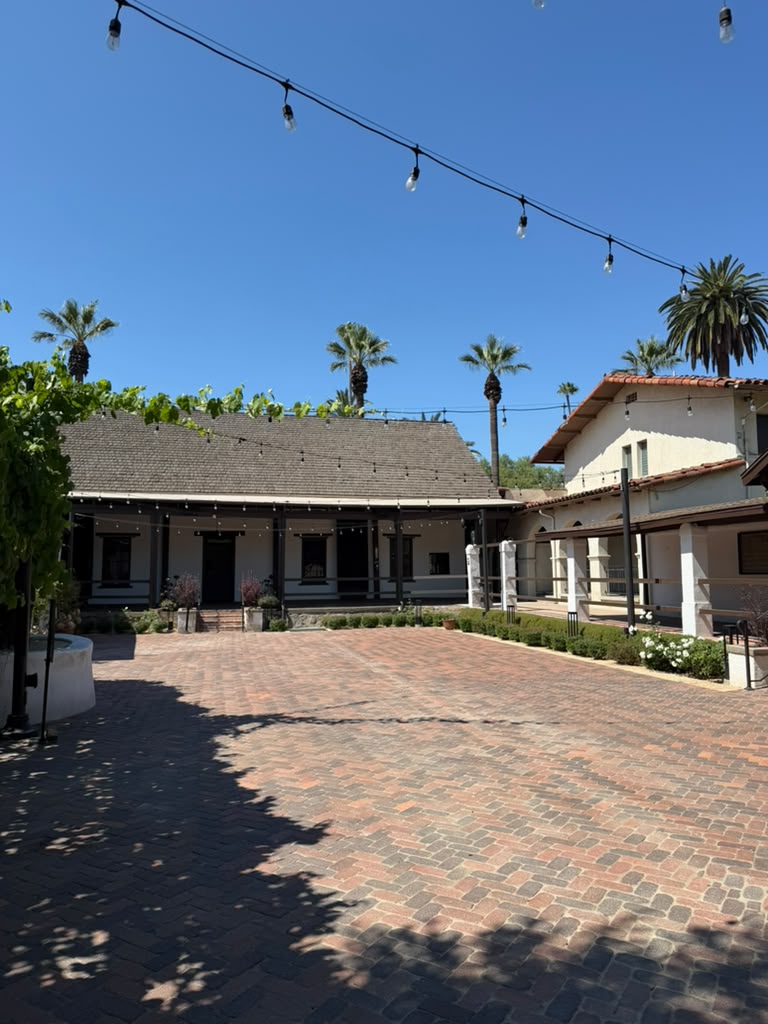
So here are some of the beautiful photos I took that morning.
Solvang is such a charming little city—a fun way to experience a little taste of Danish culture right here in America. 🇩🇰🇺🇸
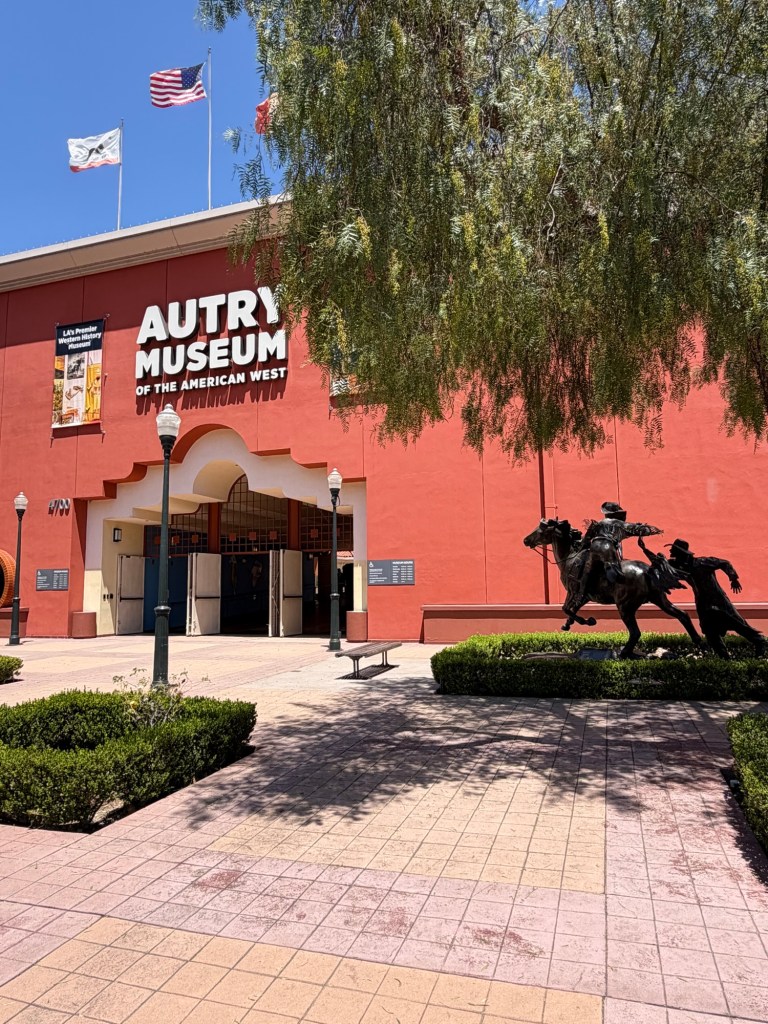
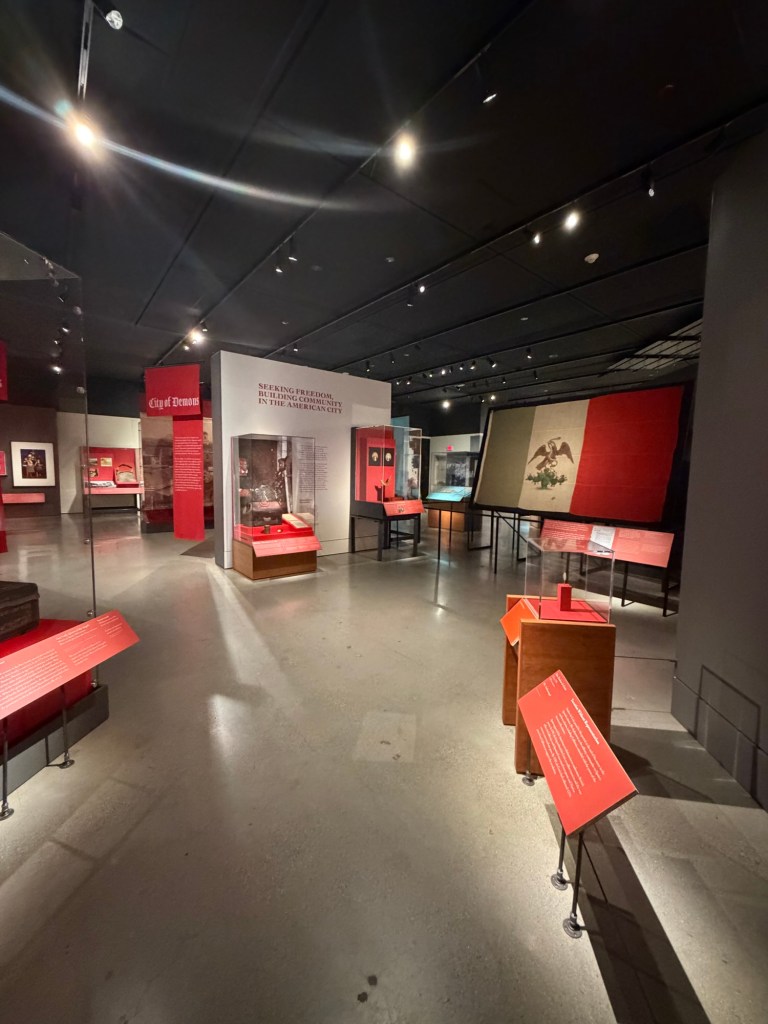
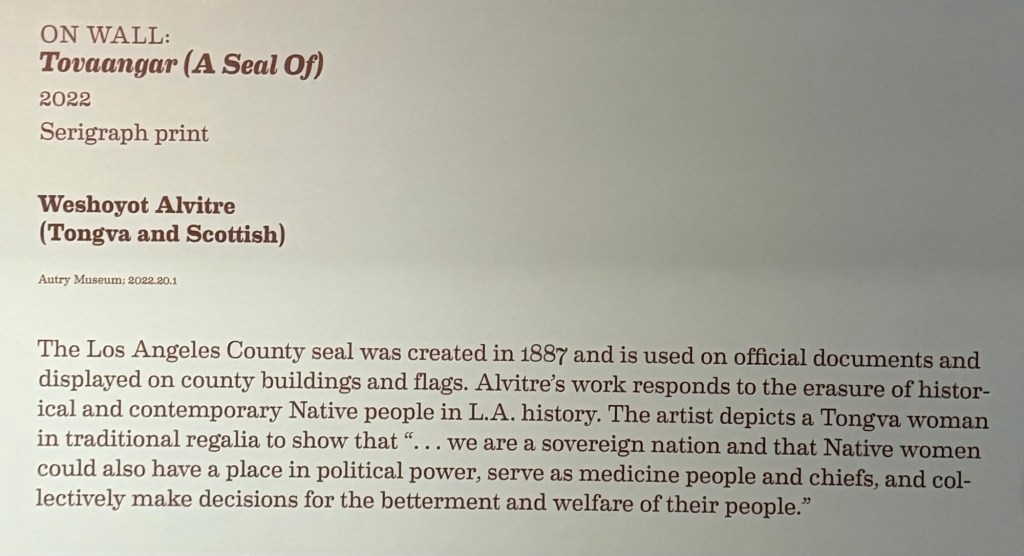
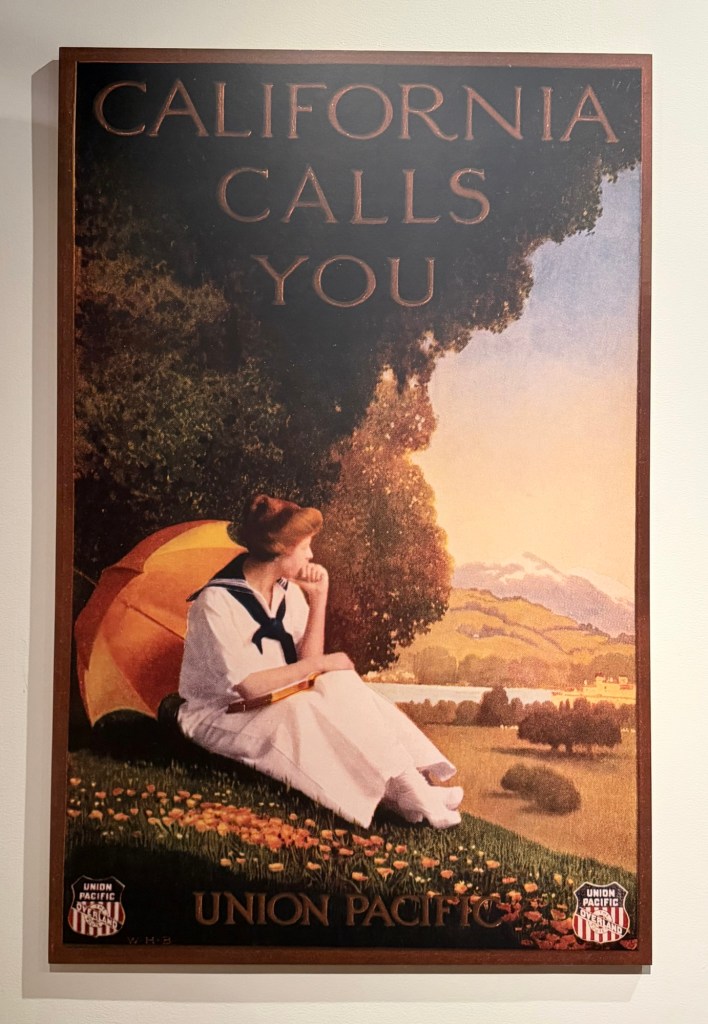
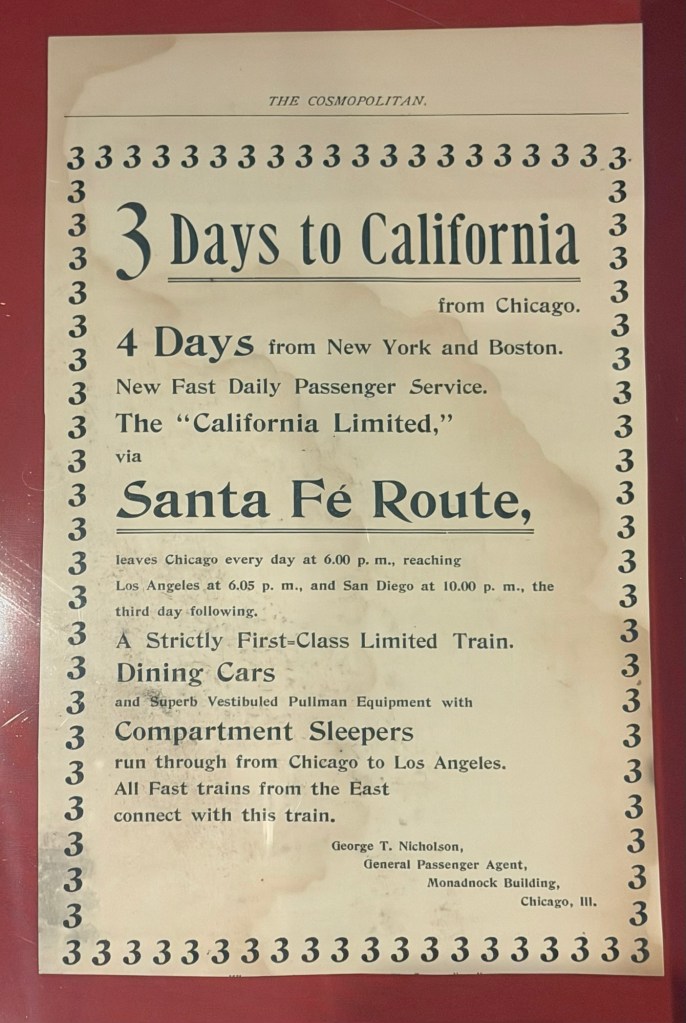
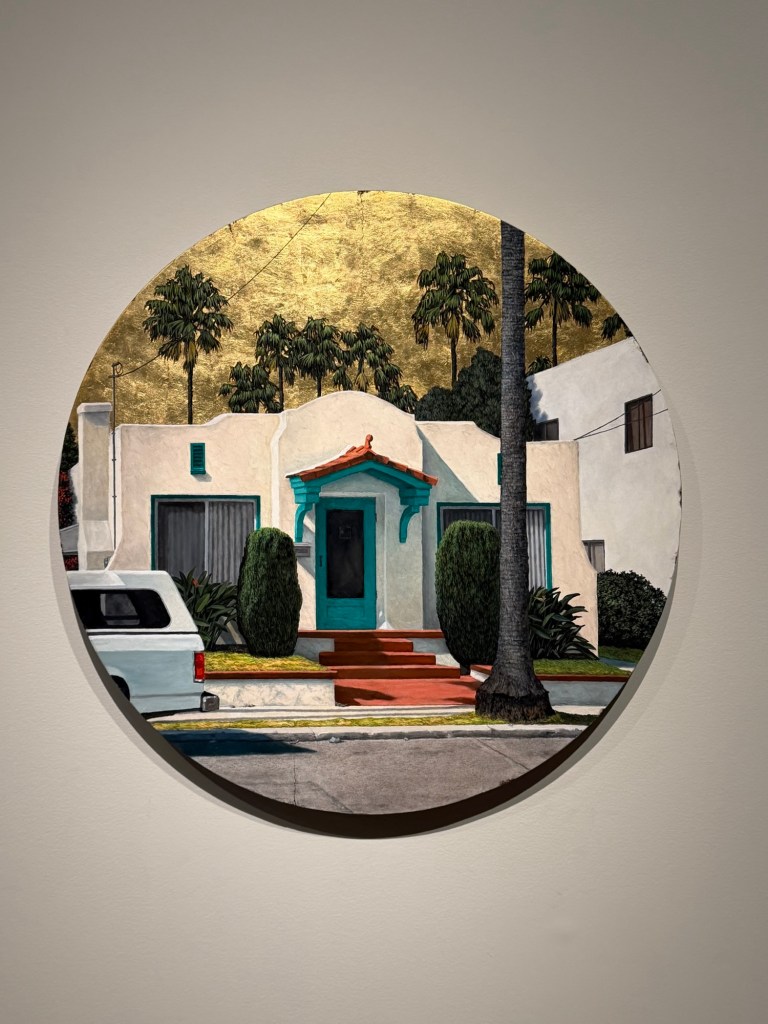
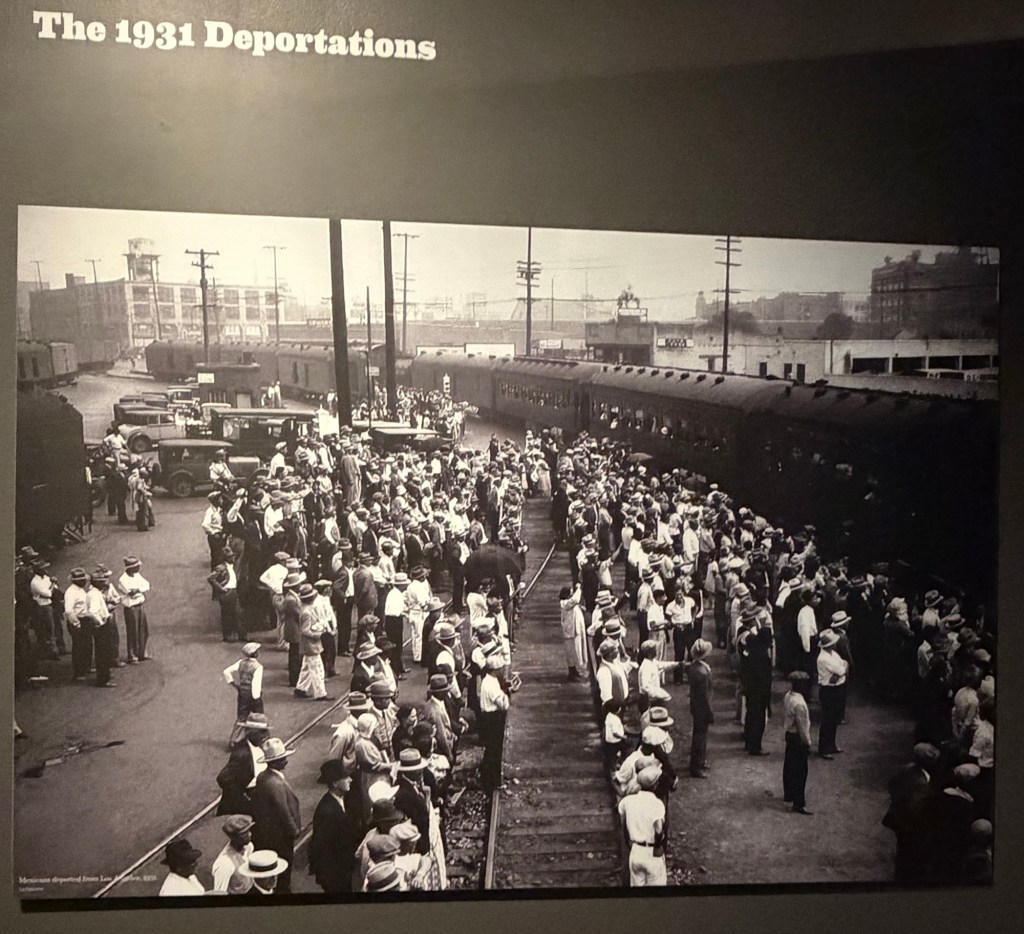
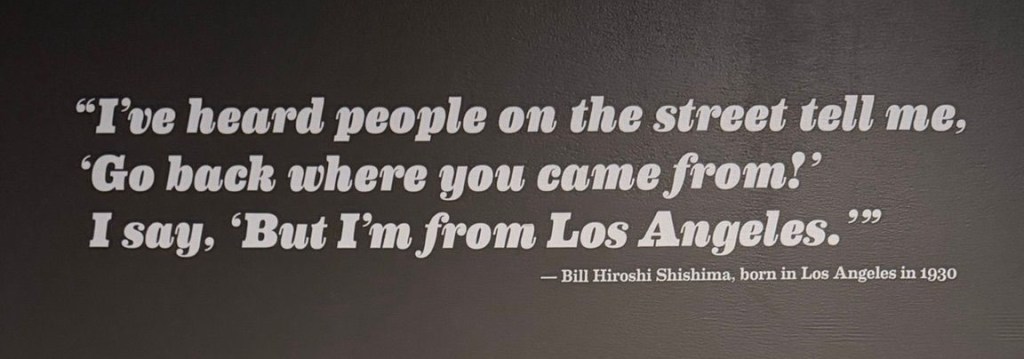
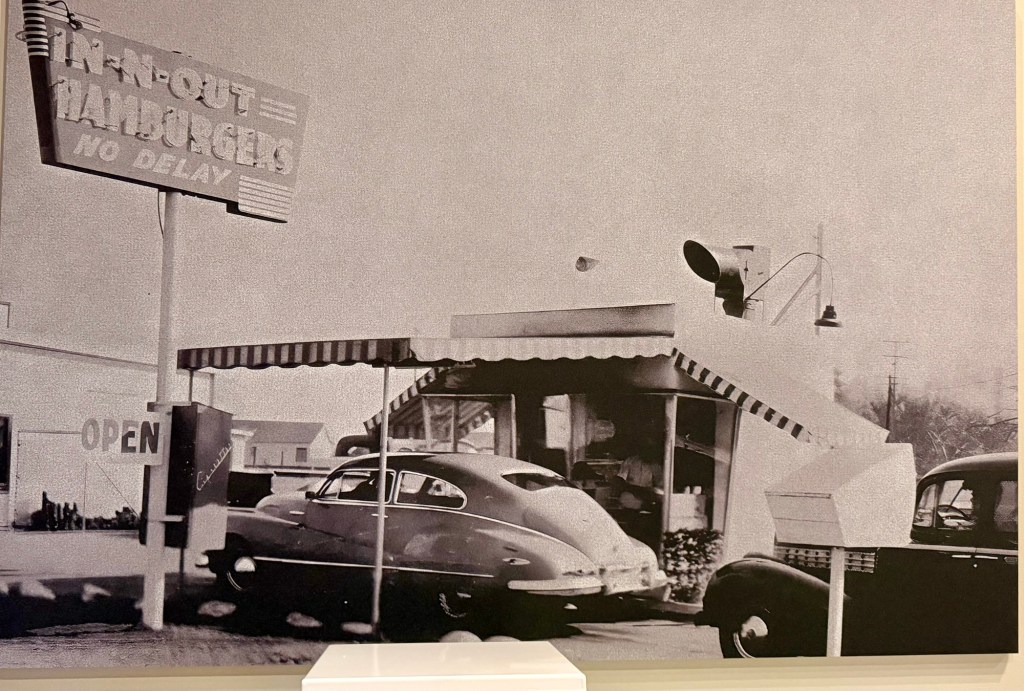
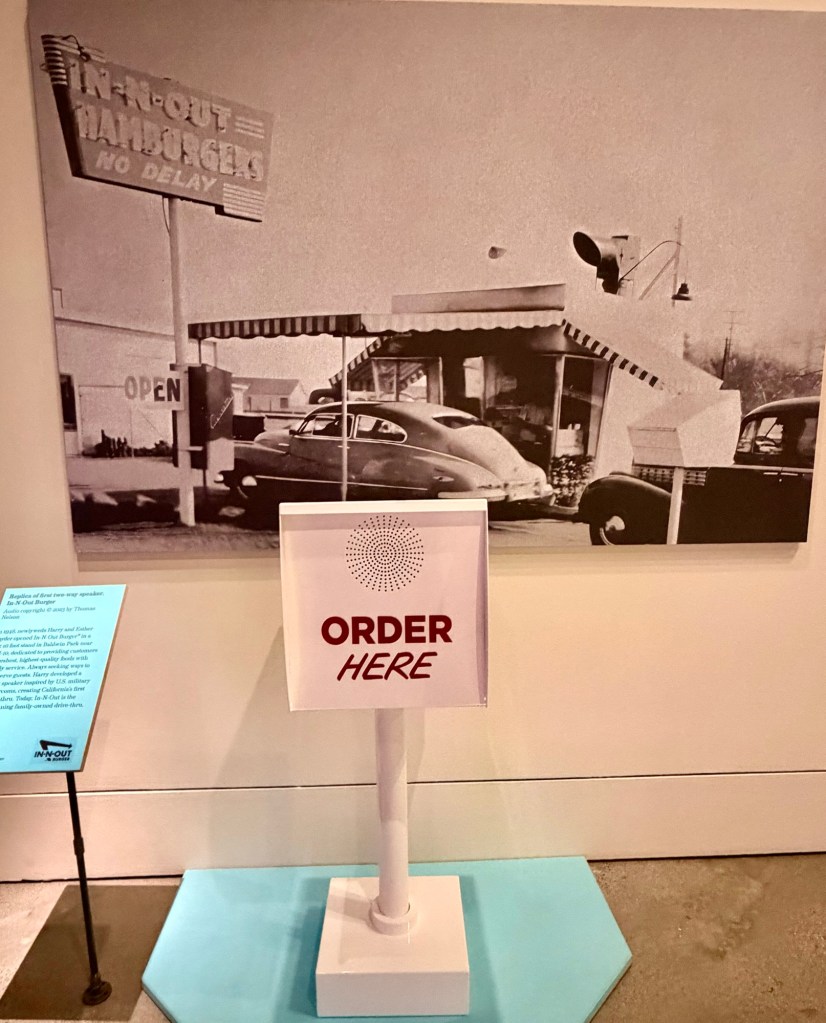
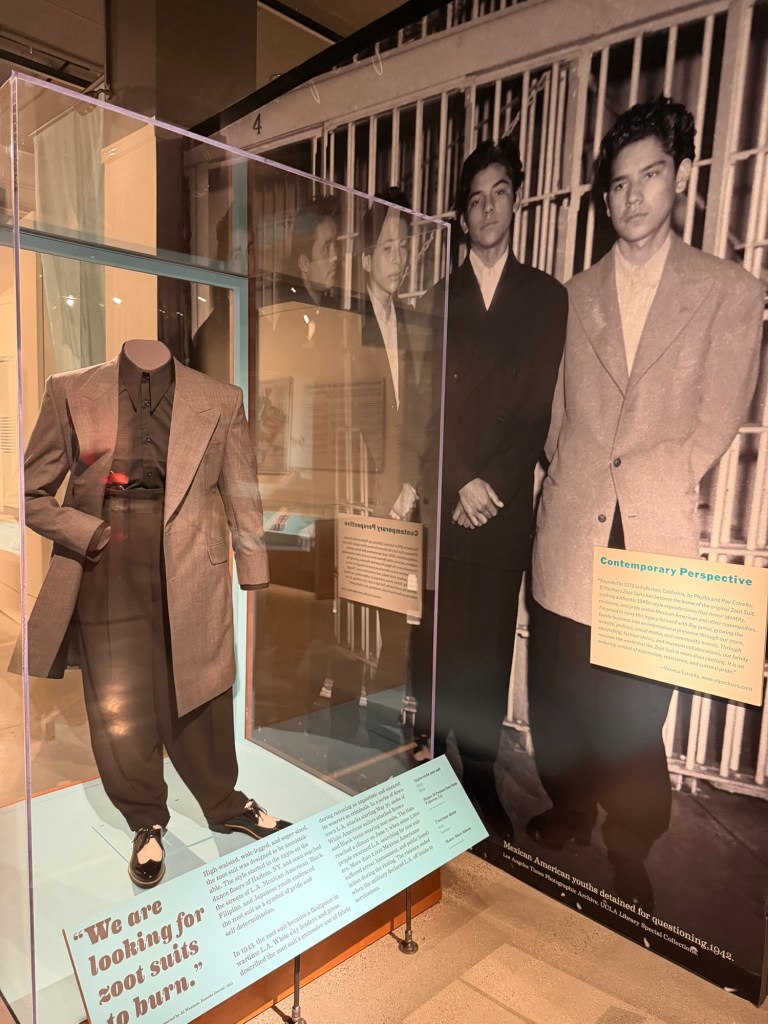
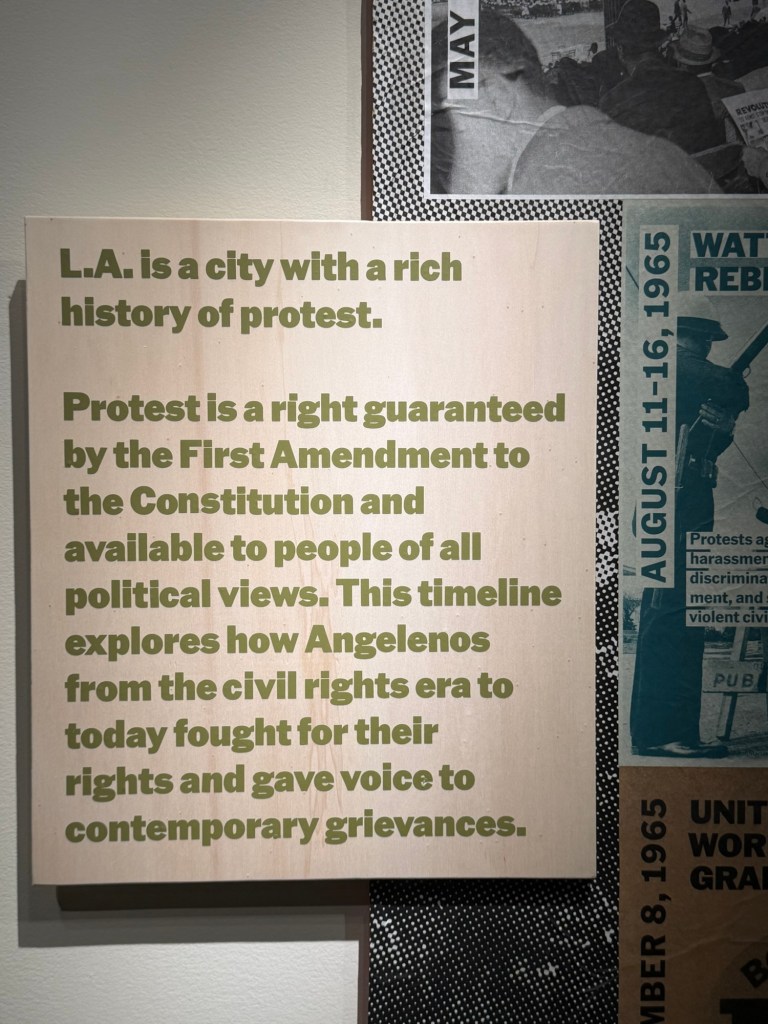
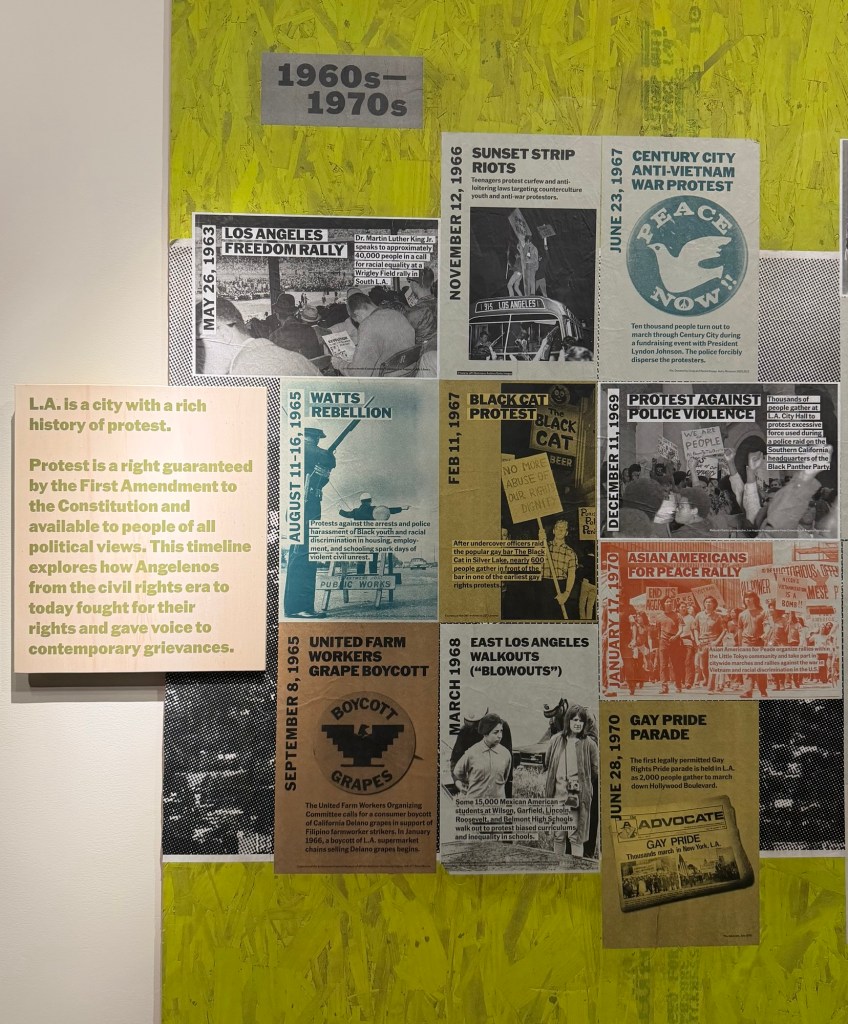
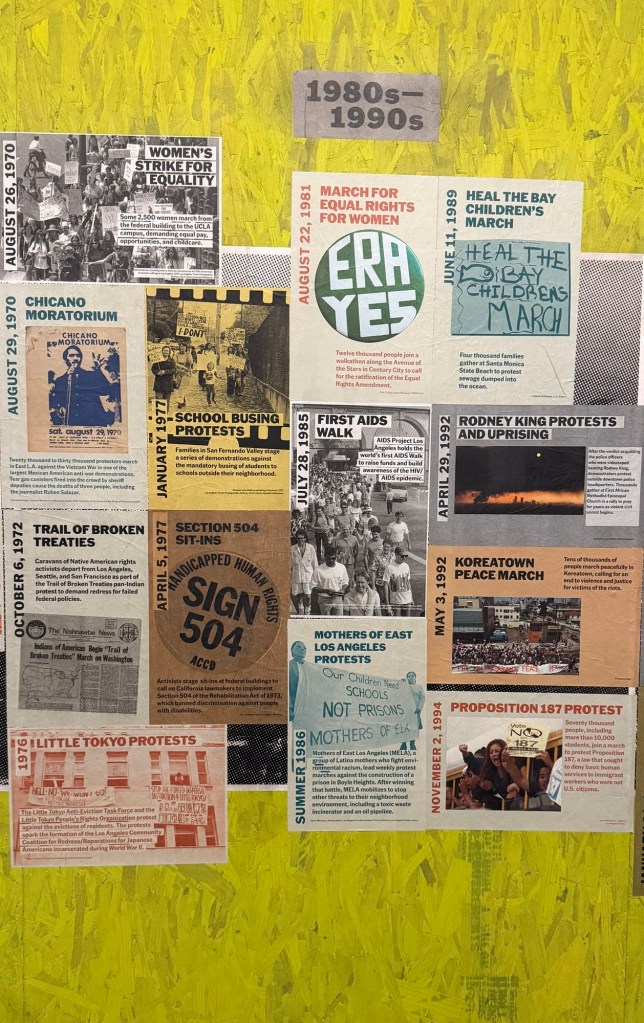
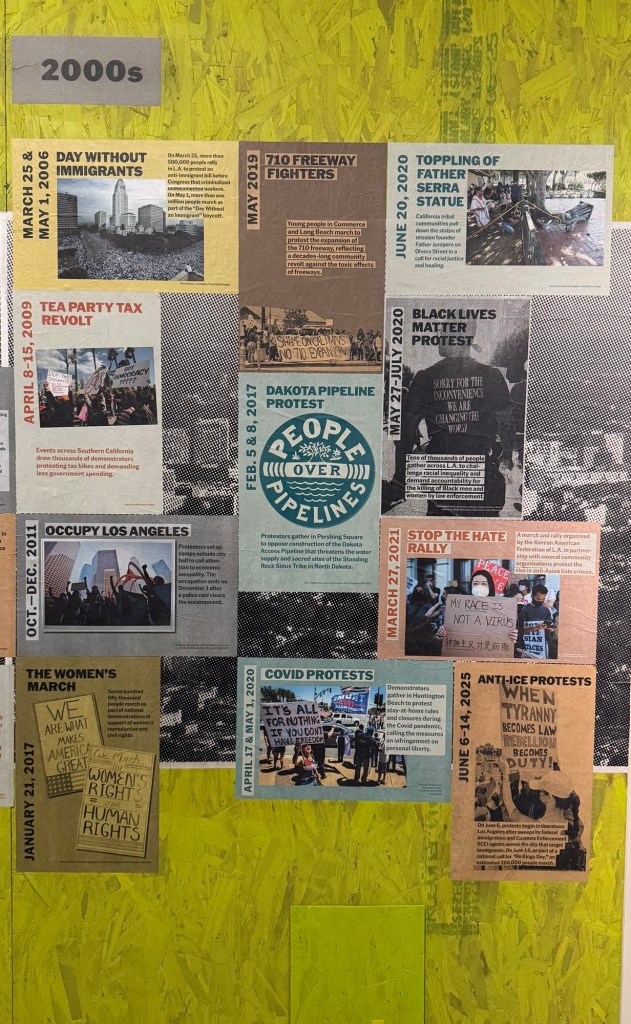
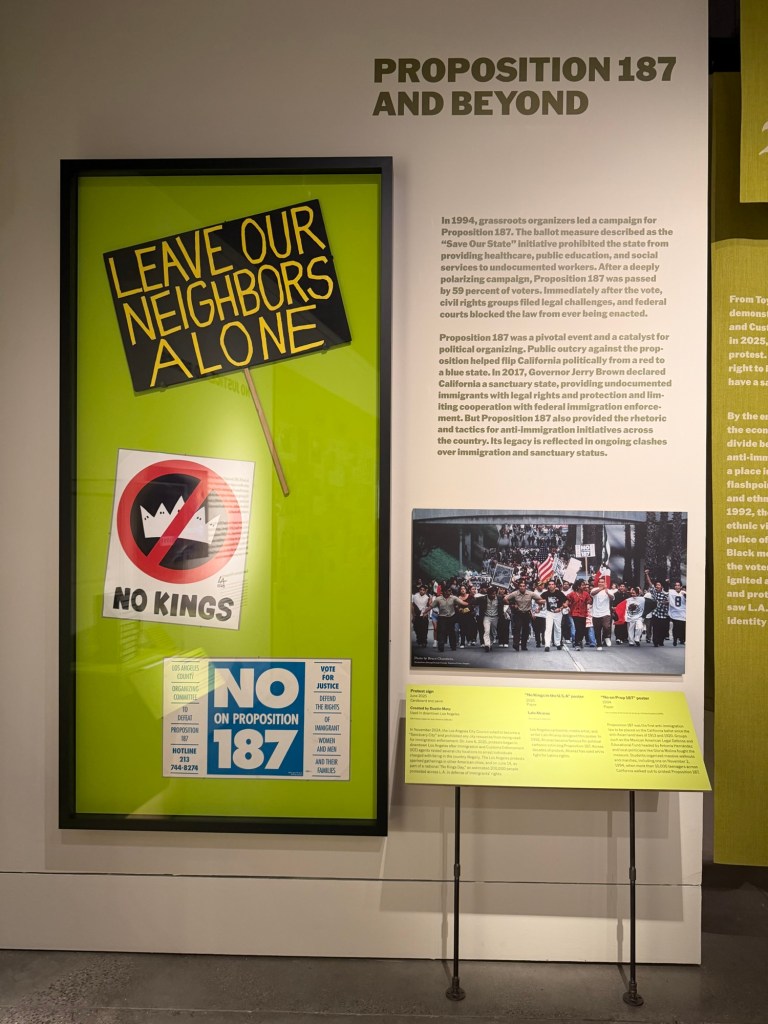
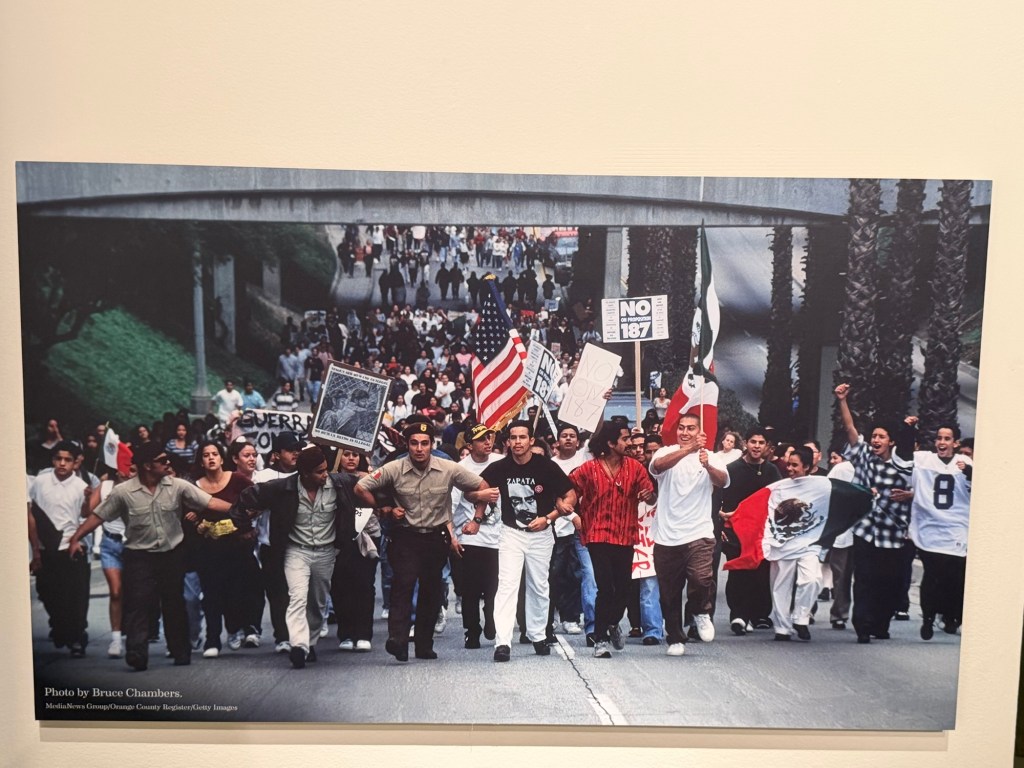
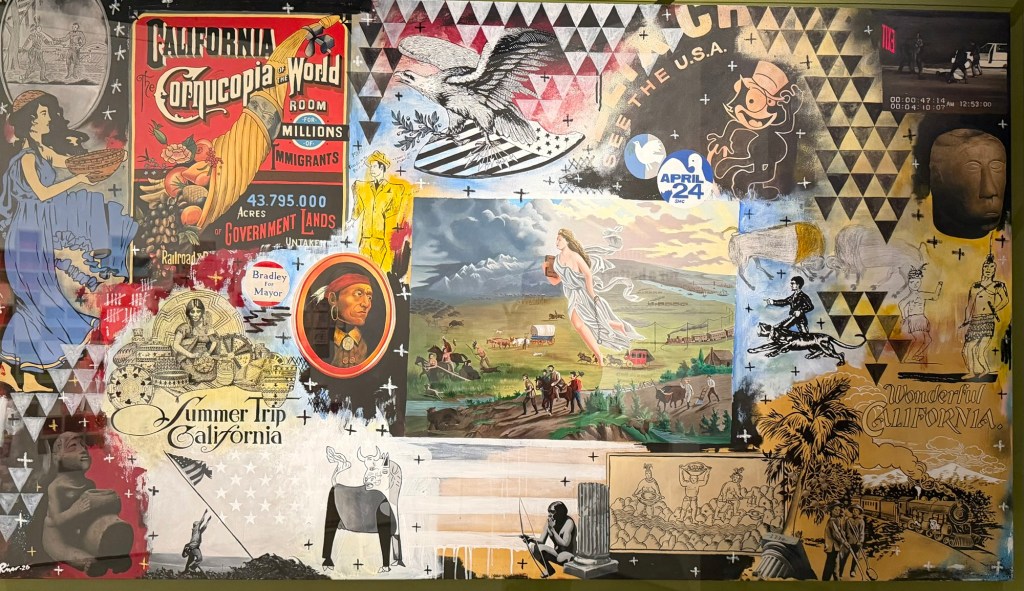
The Autry Museum is definitely my favorite museum in Los Angeles. I love that it focuses on the history and cultures of the American West, with a strong emphasis on Native peoples and the history of California. I decided to become a member, and while they have many wonderful exhibits, one temporary exhibition that I could visit over and over again is “Life, Liberty, and Los Angeles.”
I am 100% Filipino, but I also now consider myself an Angeleno. I may not be native to this place, but Los Angeles has shaped me—and continues to shape me—as I journey through life.
The exhibit is wonderful because it tells the story of Los Angeles and how the city was shaped by different cultures, peoples, and waves of migration. Native Californians lived on this land for thousands of years before their lives and communities were profoundly disrupted when the Spanish arrived and colonization began under the mission system.
The changes did not stop when Mexico took control of California and secularized the missions. They became even more significant when California eventually became part of the United States. From there, people from different states and from all over the world journeyed to Los Angeles in search of opportunity and a better life. But that journey also came with a cost.
I often tell people that I both love and hate Los Angeles. But I can never deny one thing: Los Angeles saved me.
Like so many people who come here from other countries, I have experienced how difficult life in this city can be. Los Angeles can be expensive, overwhelming, and sometimes hostile. But despite all of that, I can honestly say that the positives have outweighed the negatives for me.
And one of the things that has given me a deeper sense of belonging is learning the history—not only of Los Angeles, but of California as a whole.
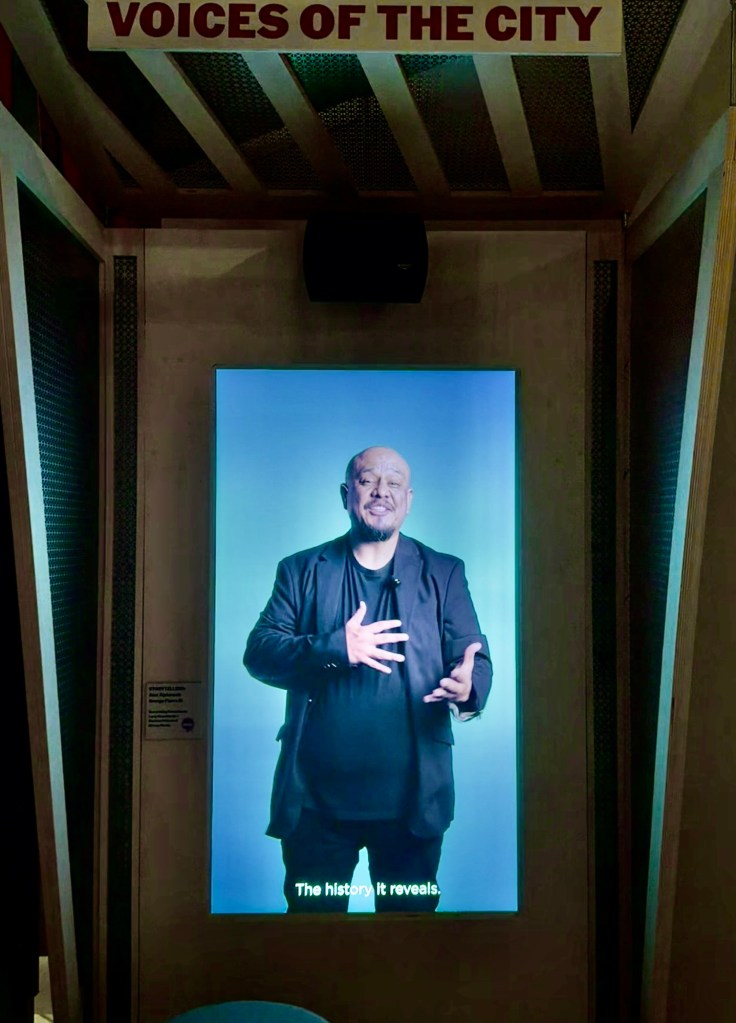
Alex Alpharaoh Thank you for sharing your story and reminding me to keep going. It truly meant a lot. ❤️
I believe that if you choose to live here, you should make an effort to understand the place you now call home. For me, learning the history of Los Angeles and California is not just interesting; it is a way of showing respect to the people and cultures that were here long before me.
We have to understand the past in order to understand the present. And by understanding the past, we can hopefully make better choices and use that knowledge as a guide toward the future.
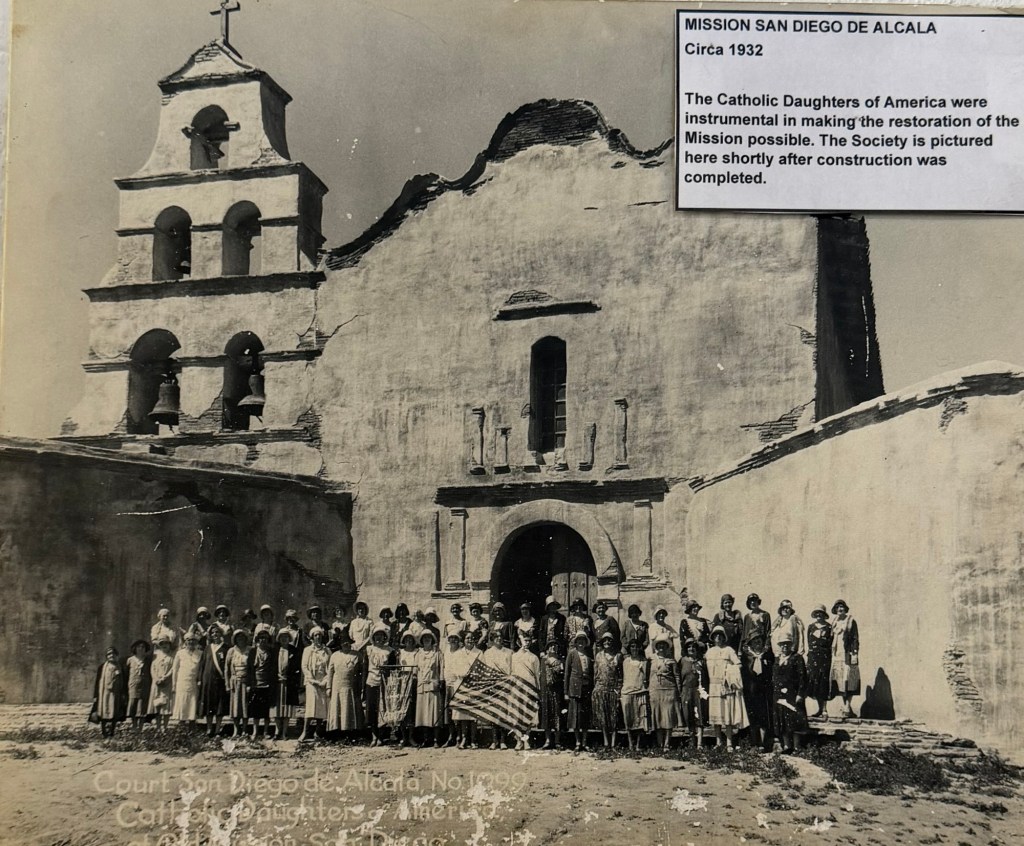
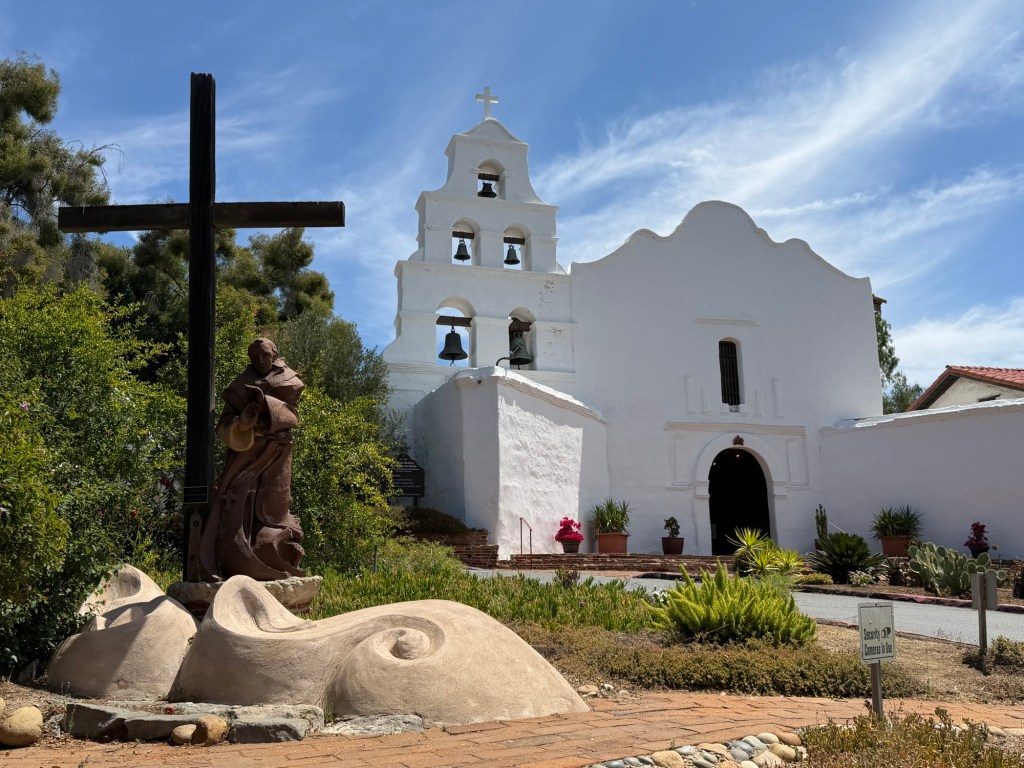
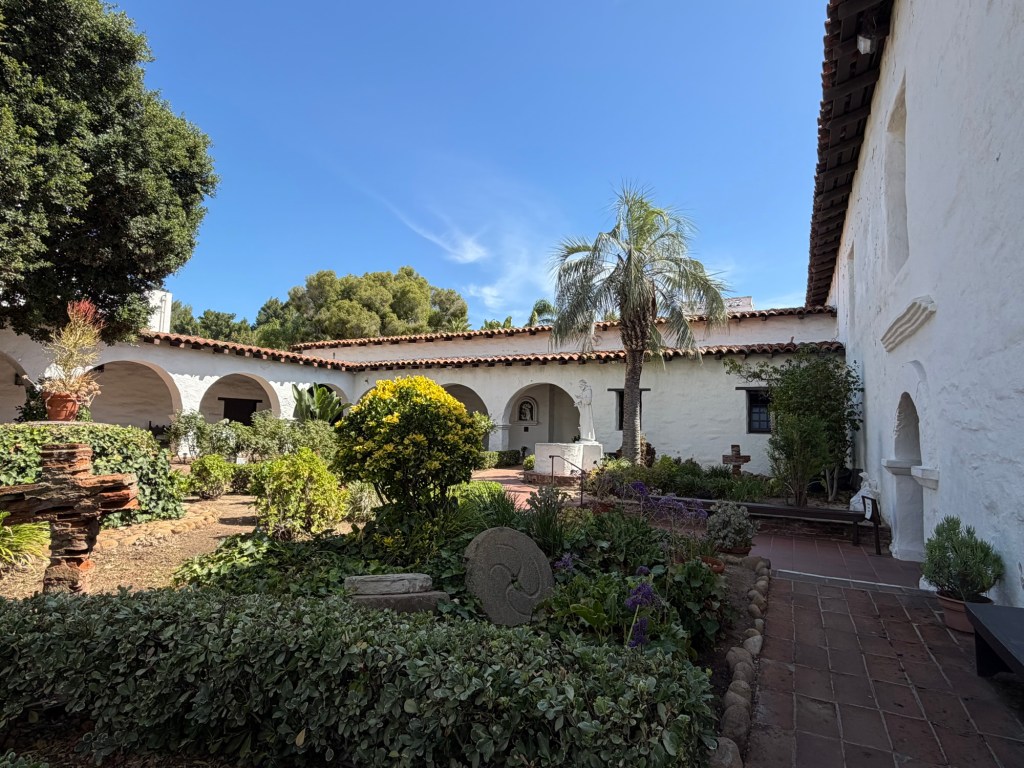
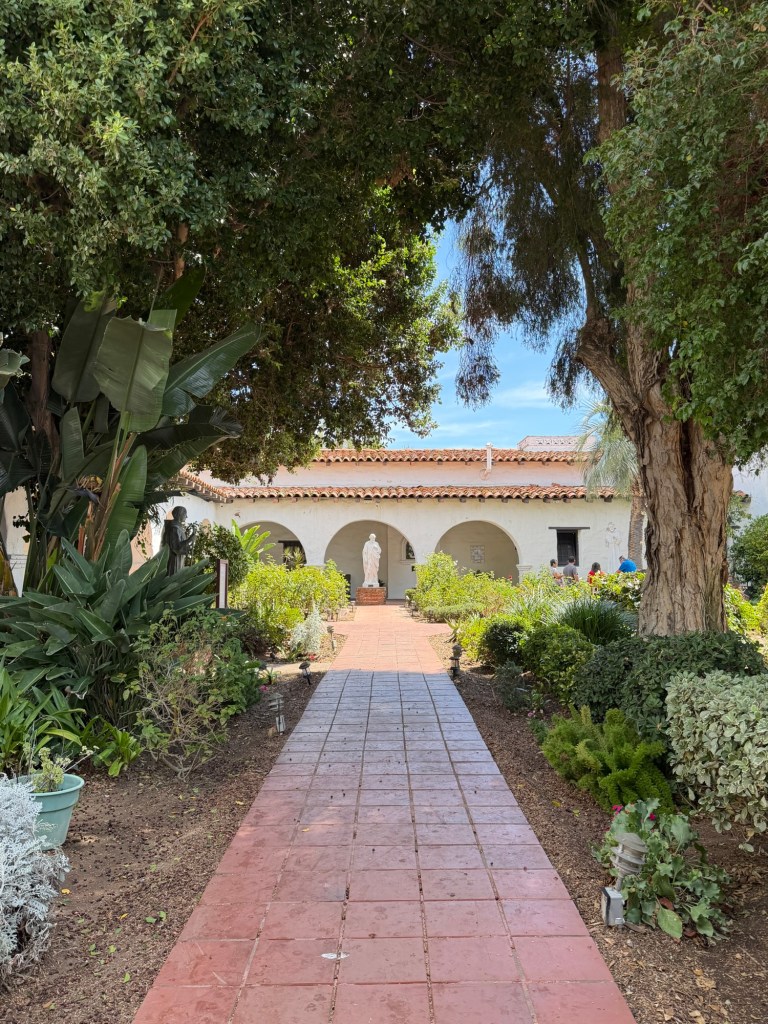
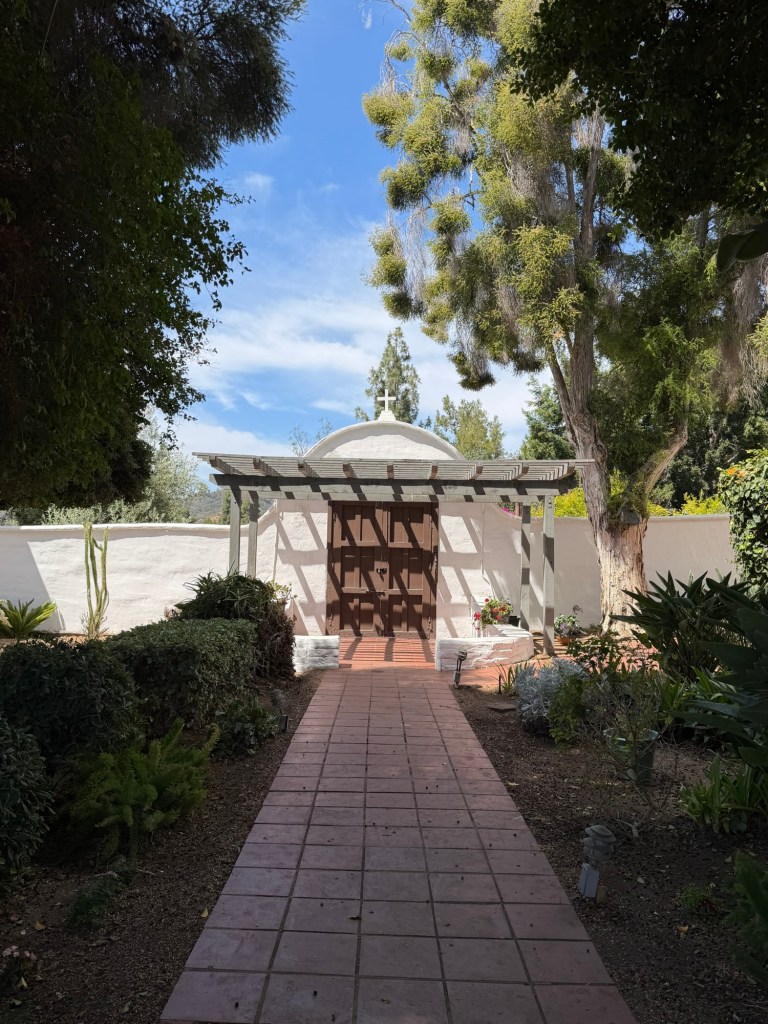
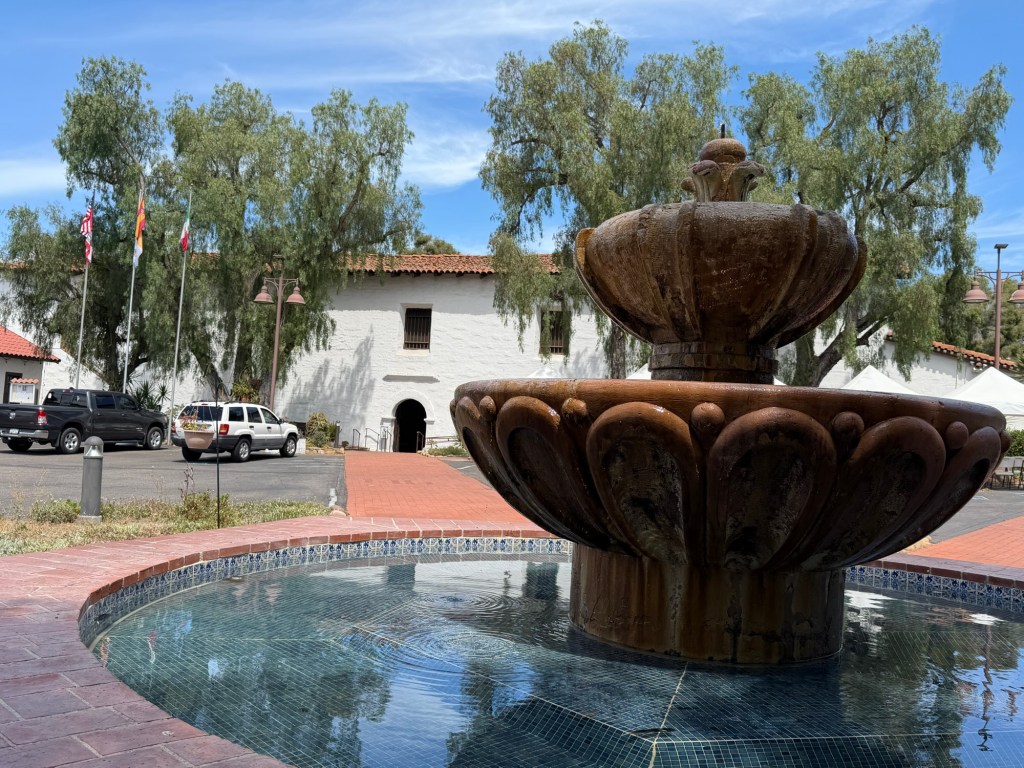
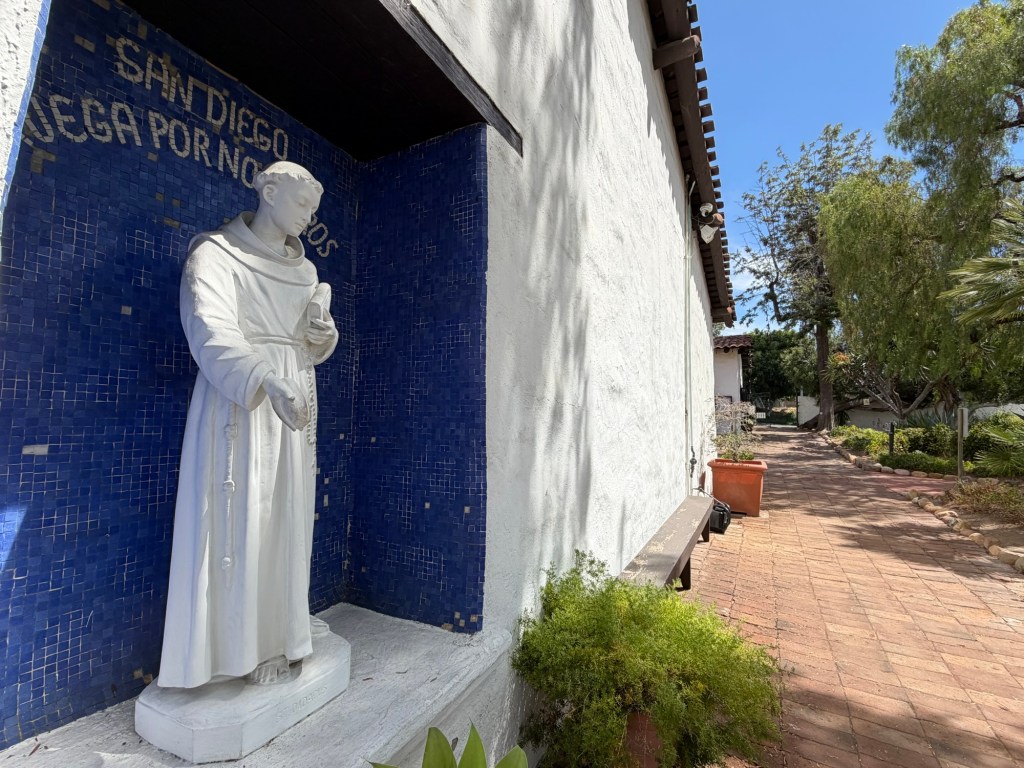
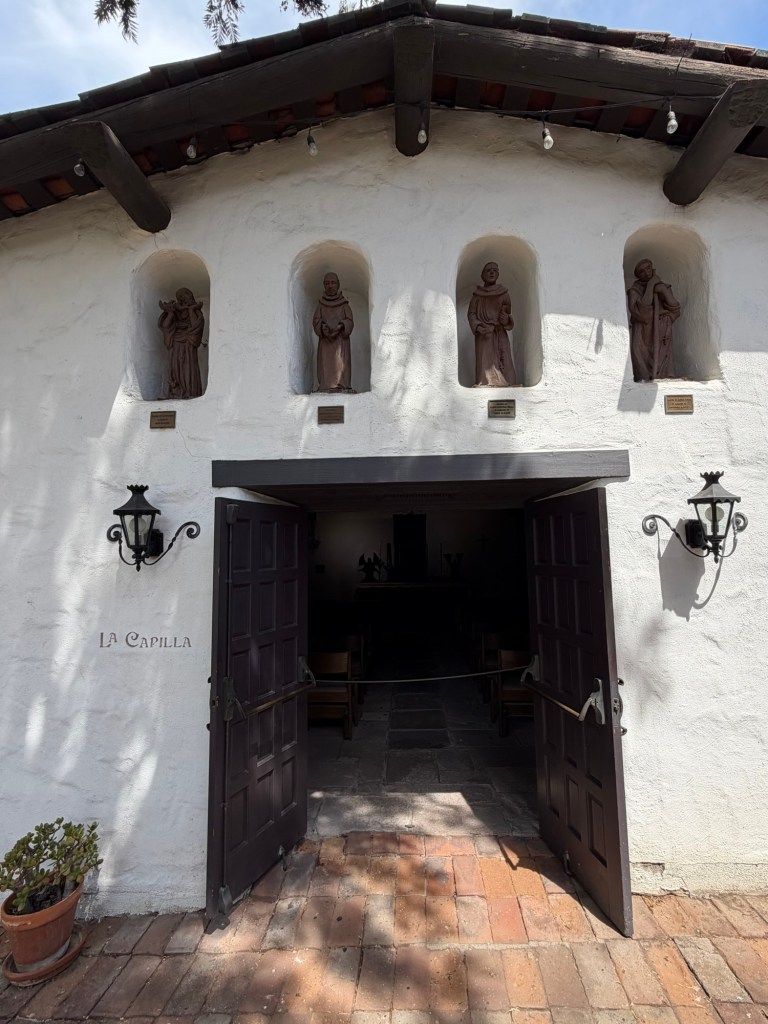
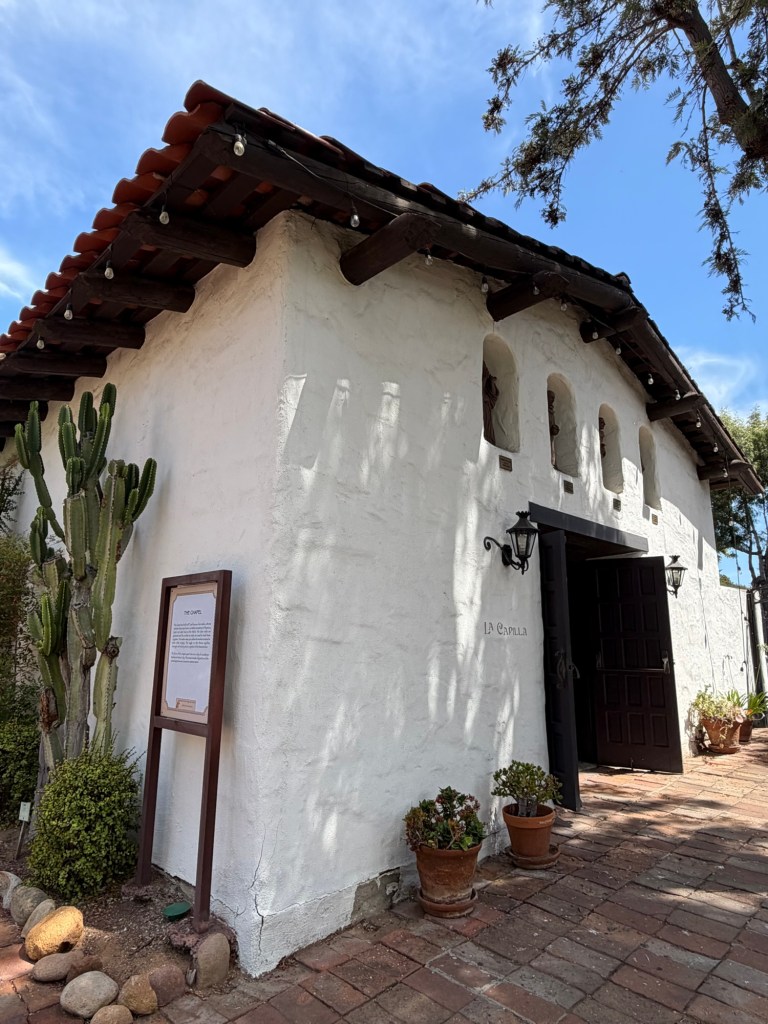
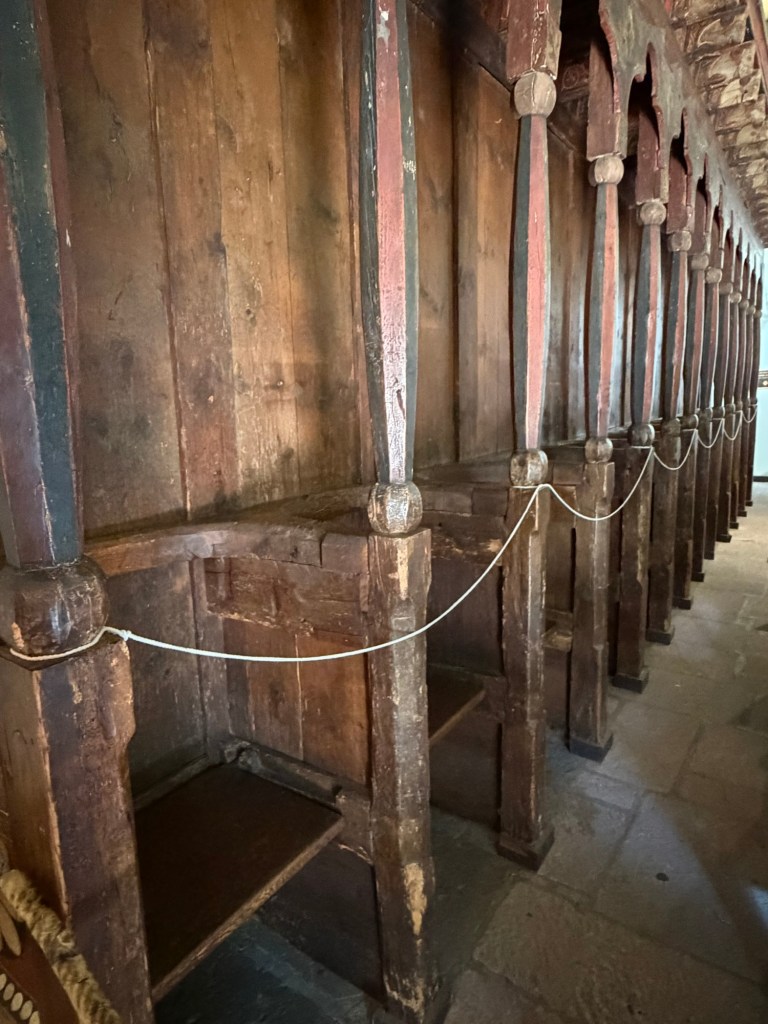
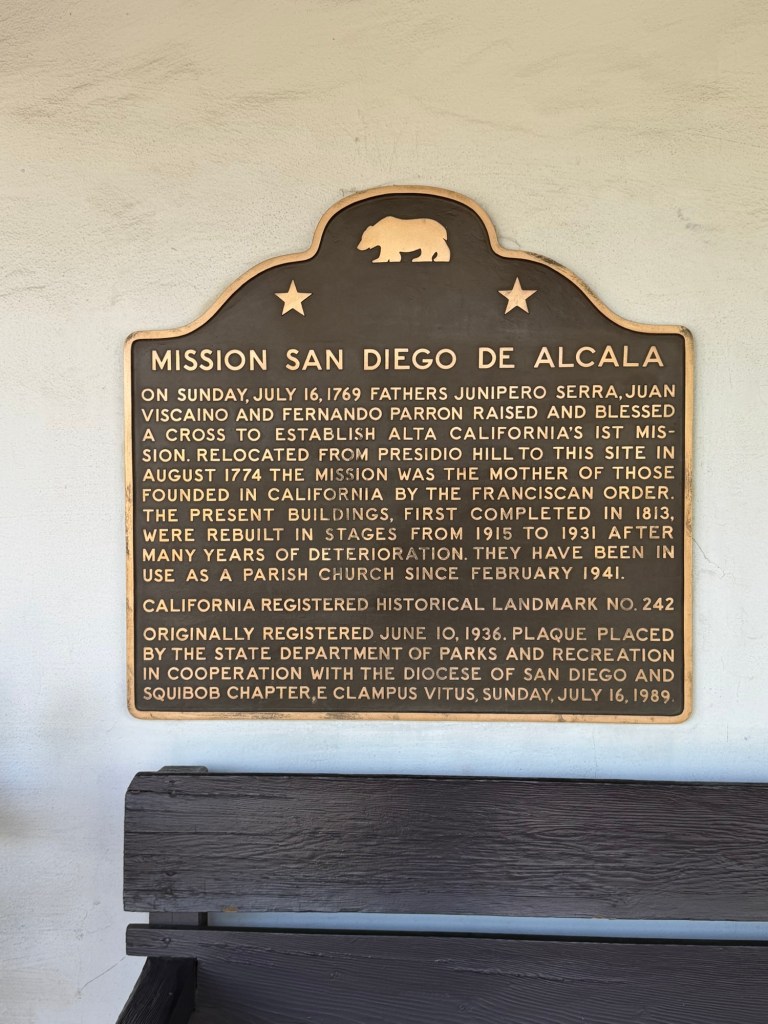
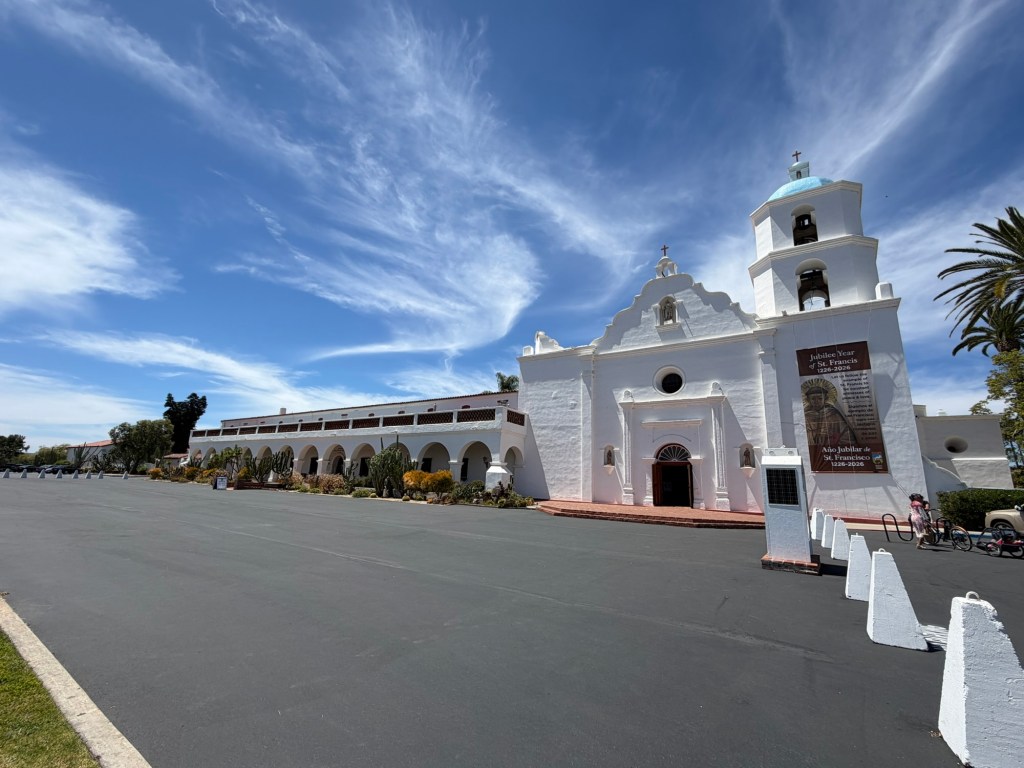
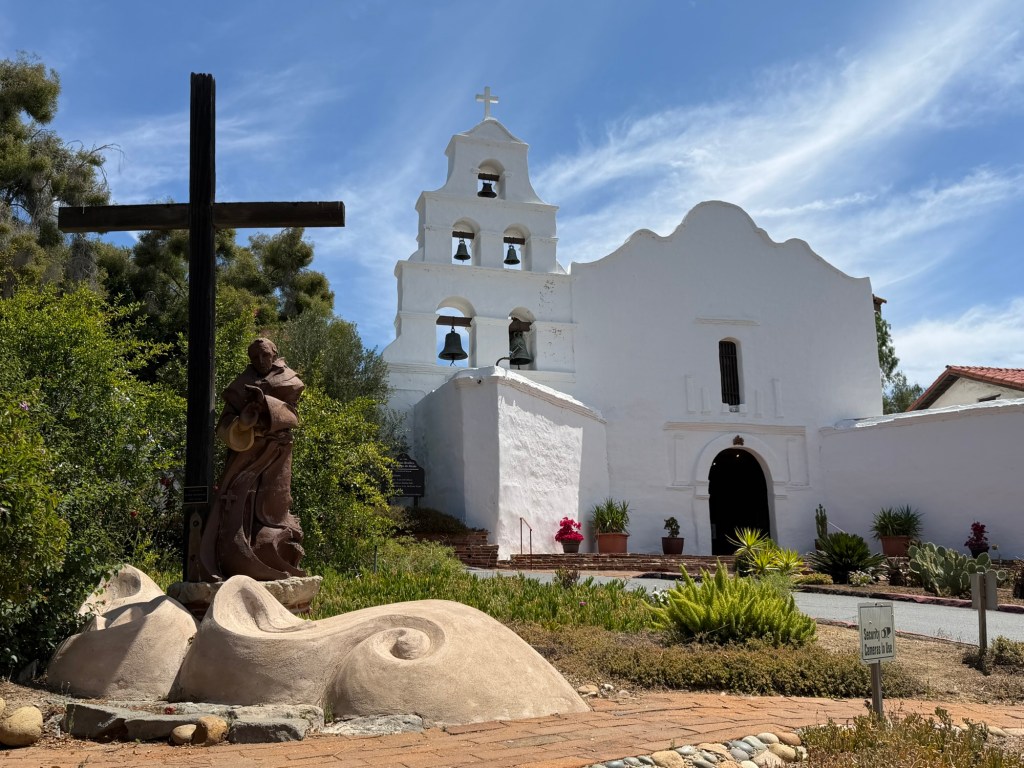
On July 3, before heading north to Oceanside and eventually to Mission San Juan Capistrano, I finally crossed another mission off my California Missions journey—Mission San Diego de Alcalá, the very first of California’s 21 Spanish missions.
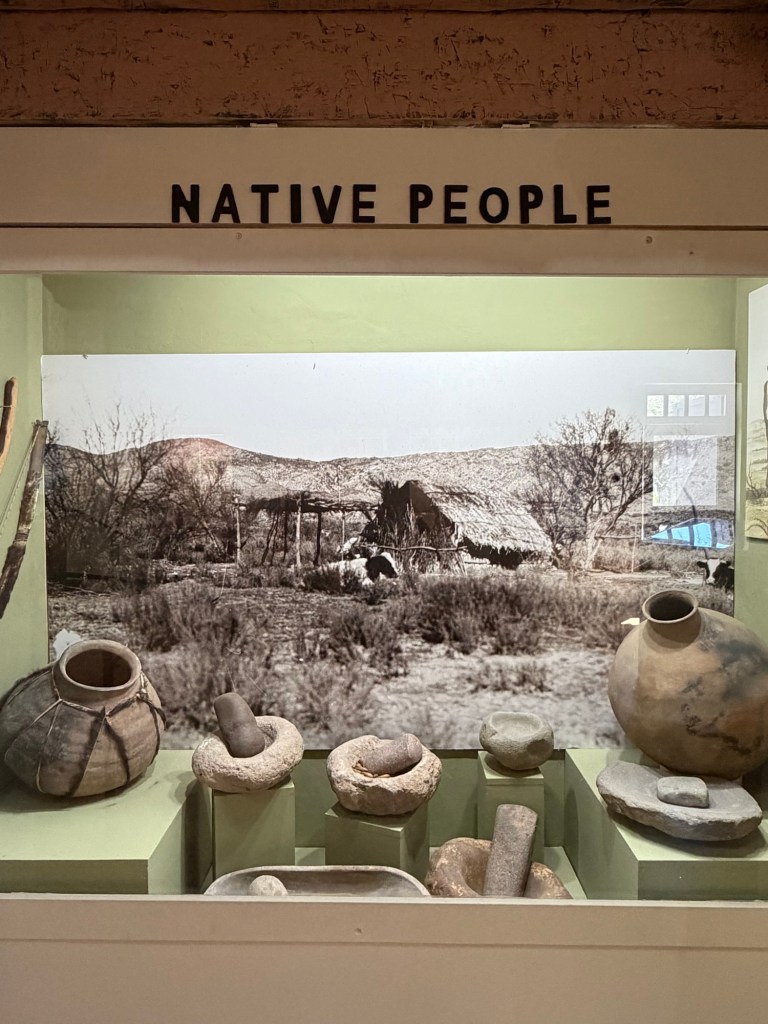
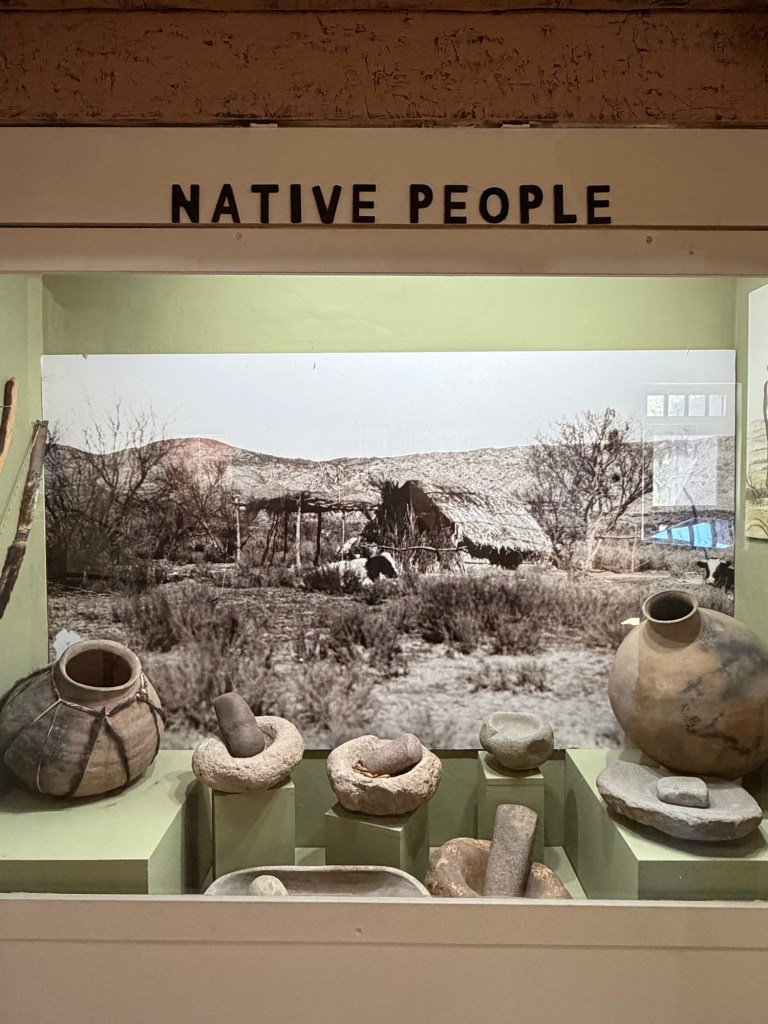
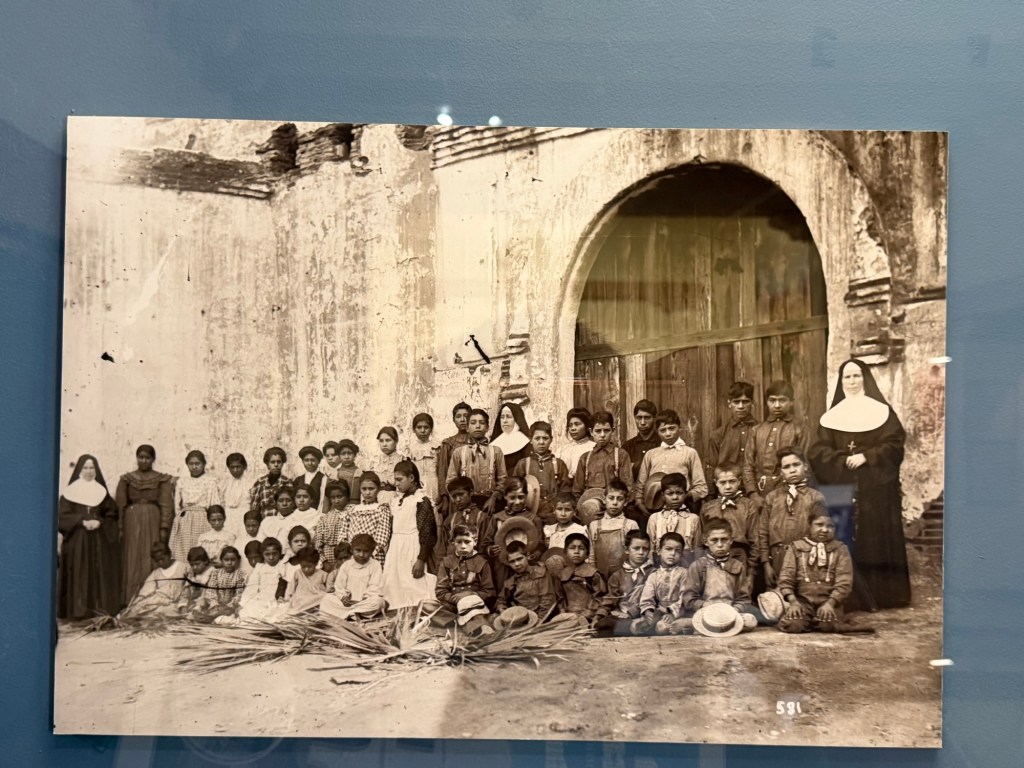
I had been looking forward to this visit mission. After all, this is where California’s mission story began in 1769, founded by Fr. Junípero Serra. More importantly, it marked the first sustained contact between the Spanish and the Kumeyaay people, the Indigenous inhabitants of the San Diego region whose history on this land stretches back thousands of years. Standing on these grounds reminded me that while the mission represents the beginning of Spanish California, it also marks the beginning of a profound and often painful transformation for the Kumeyaay people.
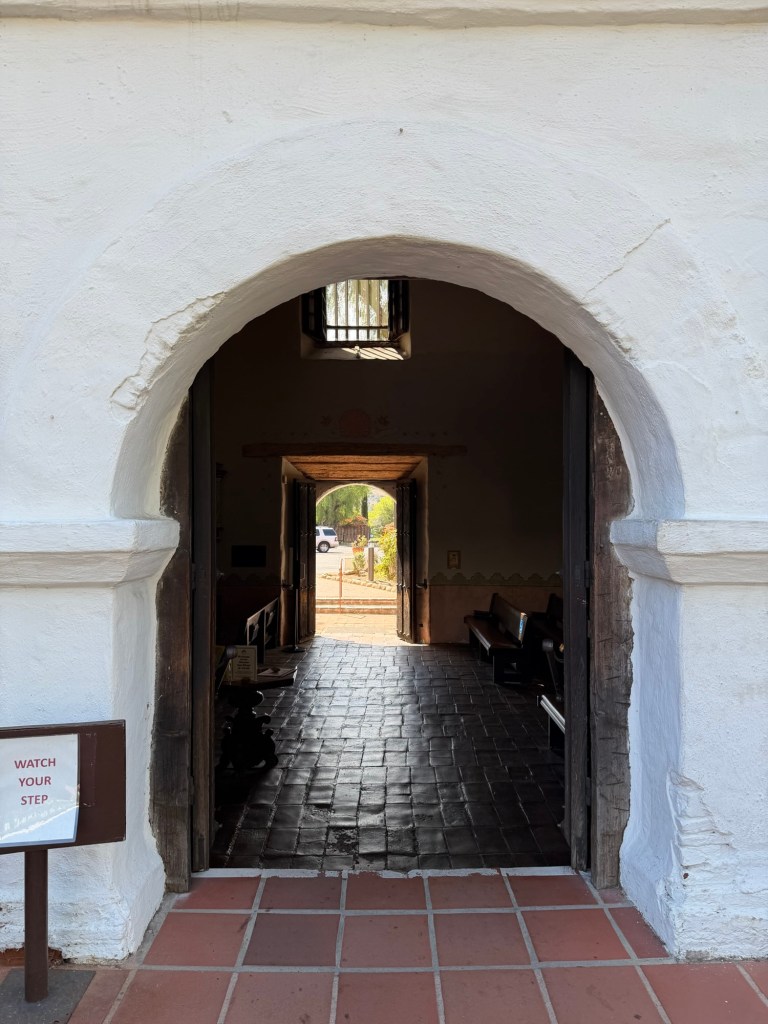
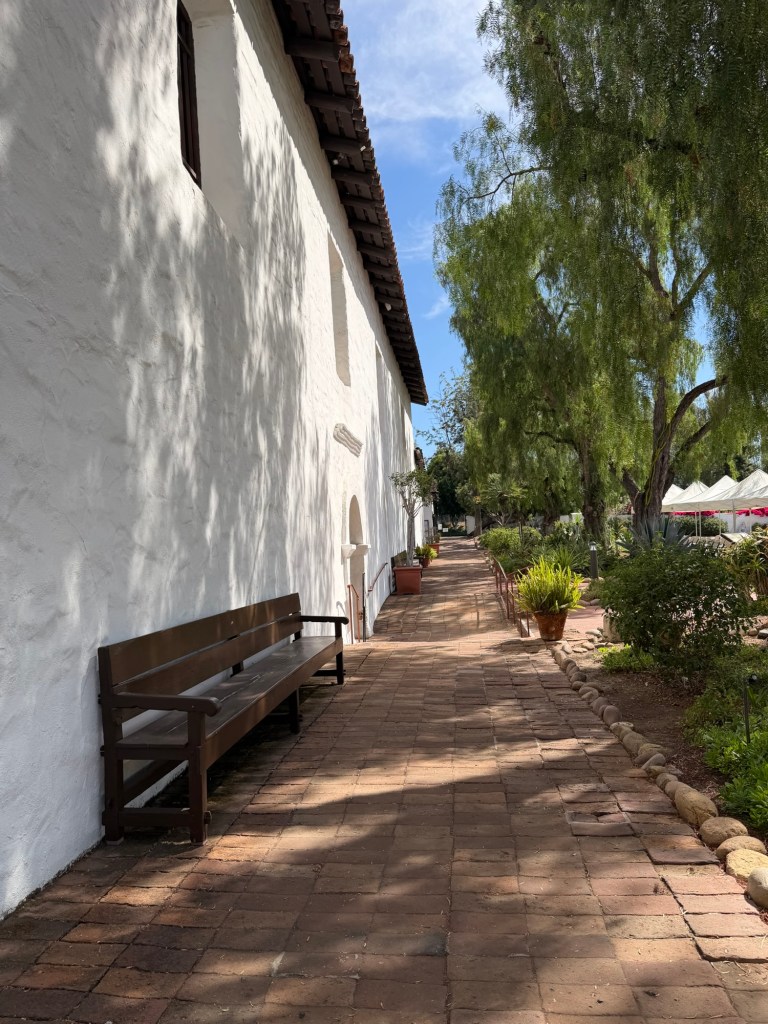
Perhaps because of its historical significance, I expected the mission to be much larger and grander. When I arrived, I was honestly a little underwhelmed by its size. It wasn’t as expansive as I had imagined after reading so much about it. Still, I quickly realized that a place doesn’t have to be enormous to carry immense historical weight.
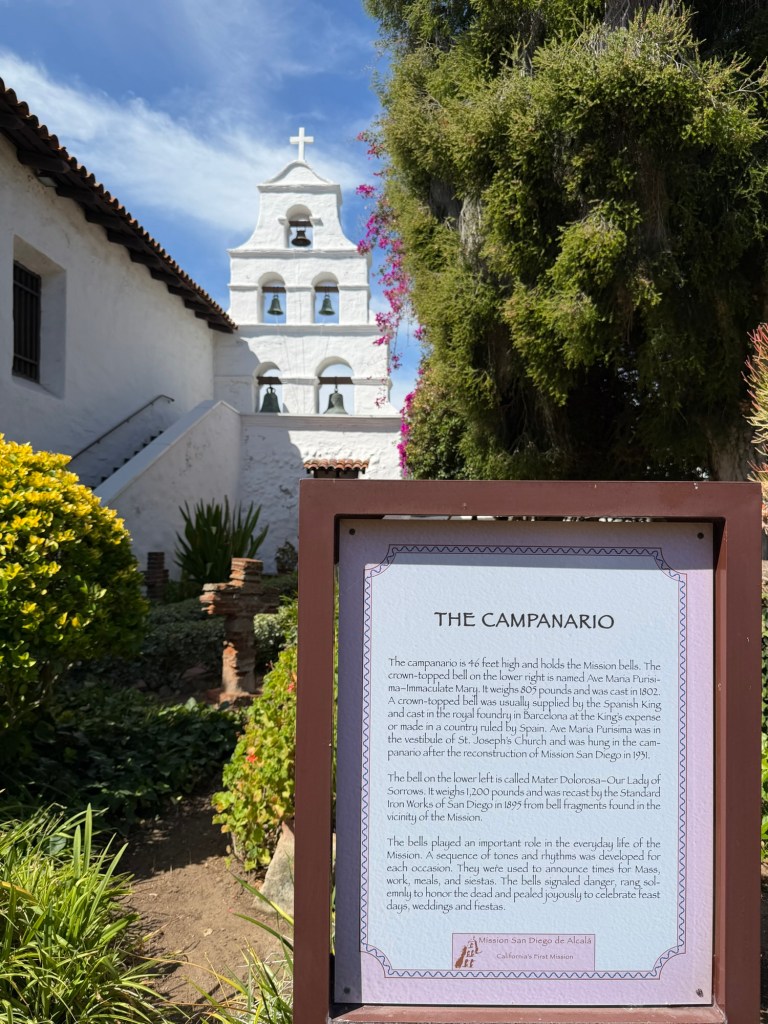
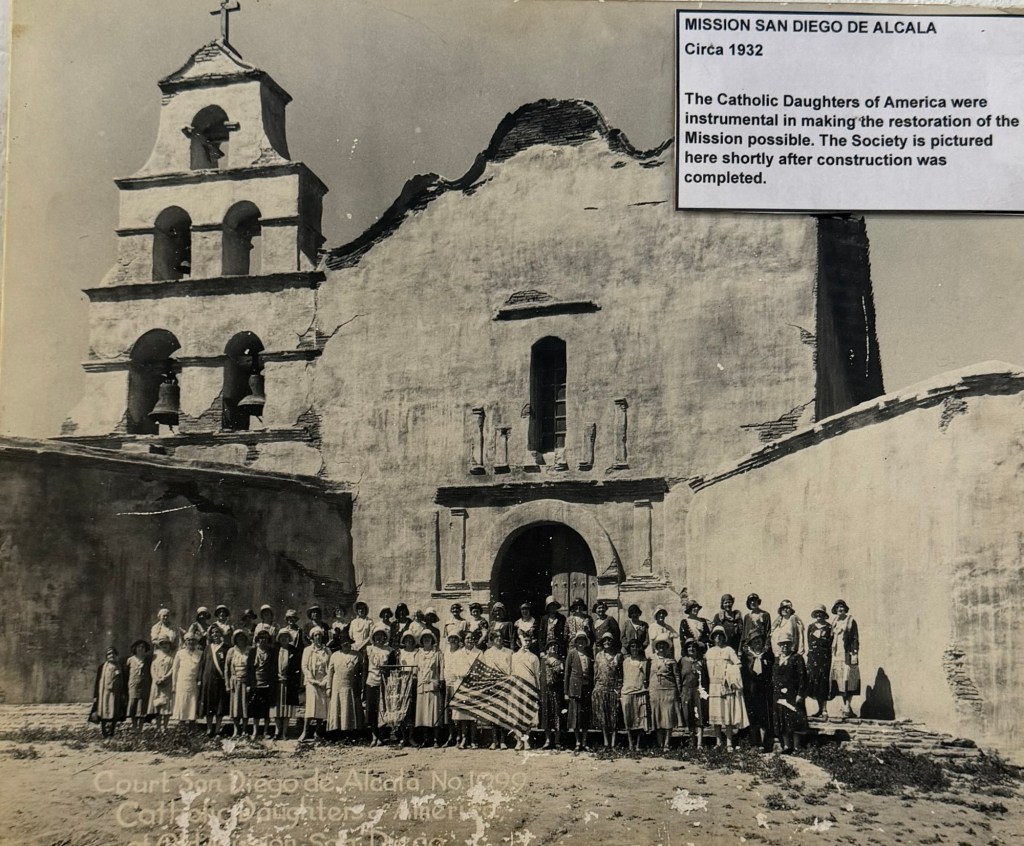
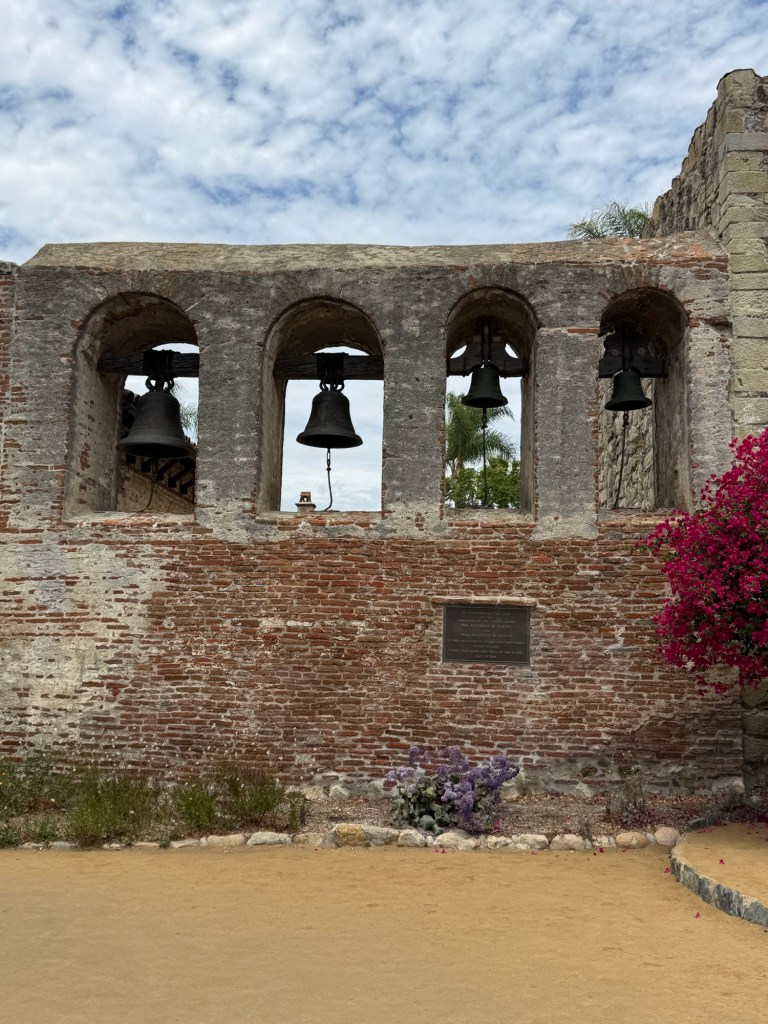
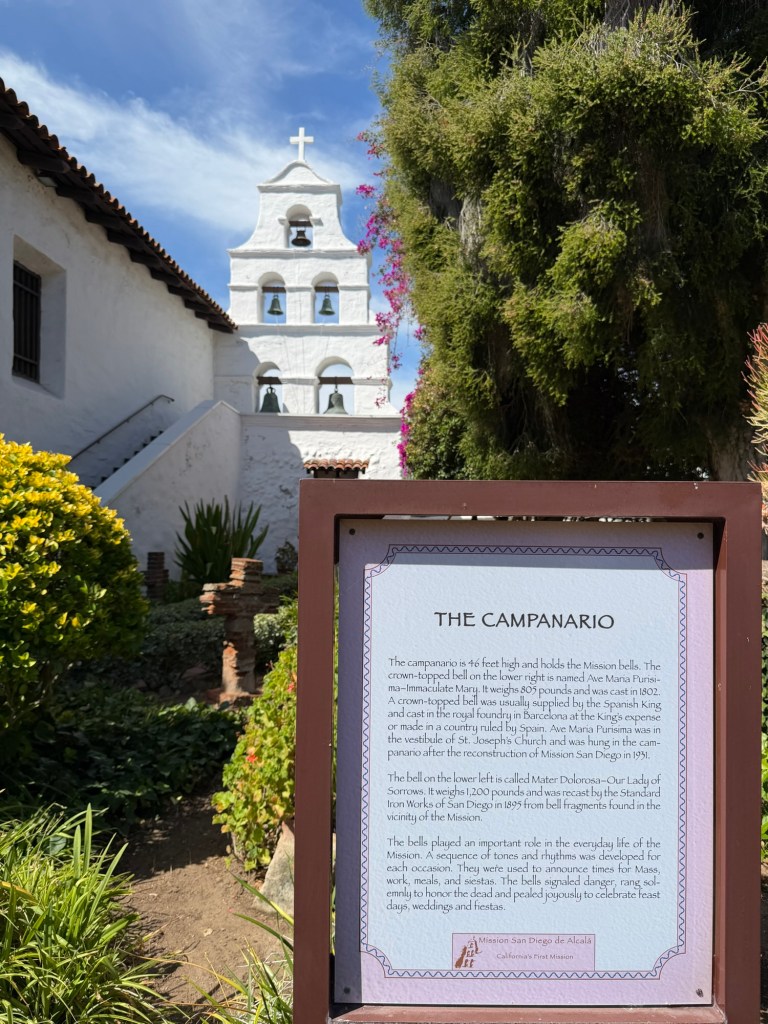
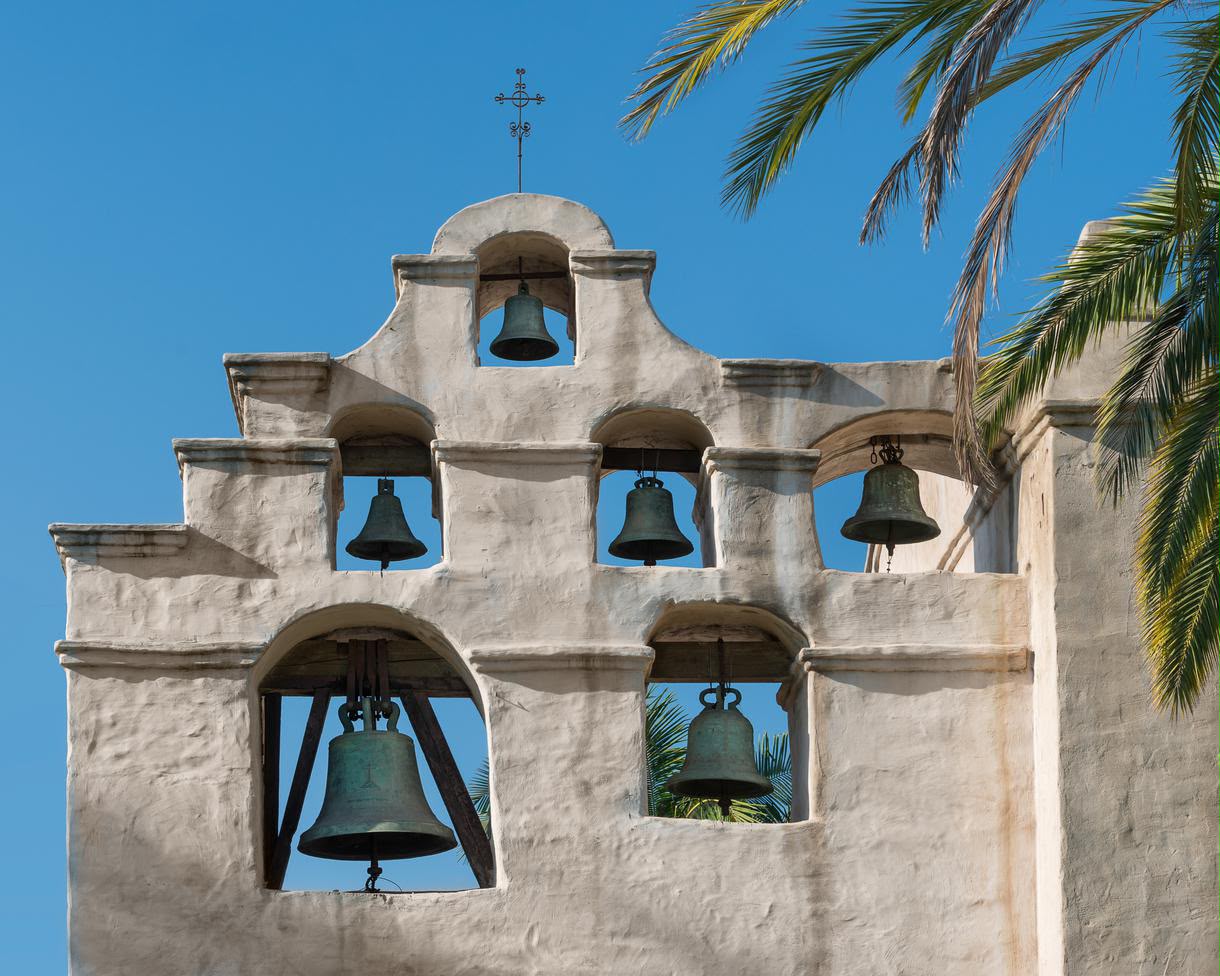
One of the first things that caught my attention was the beautiful campanario, the iconic bell wall that has become one of the mission’s most recognizable features. Against the bright California sky, the white stucco walls and bells created the classic image that many people associate with the state’s Spanish heritage.
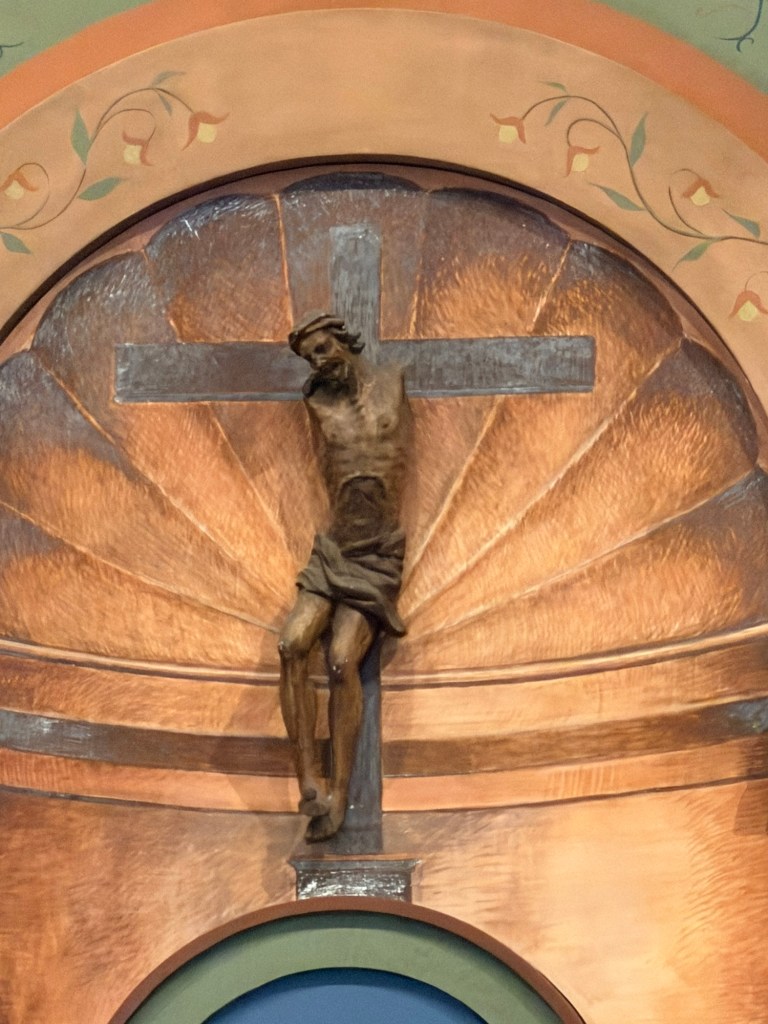
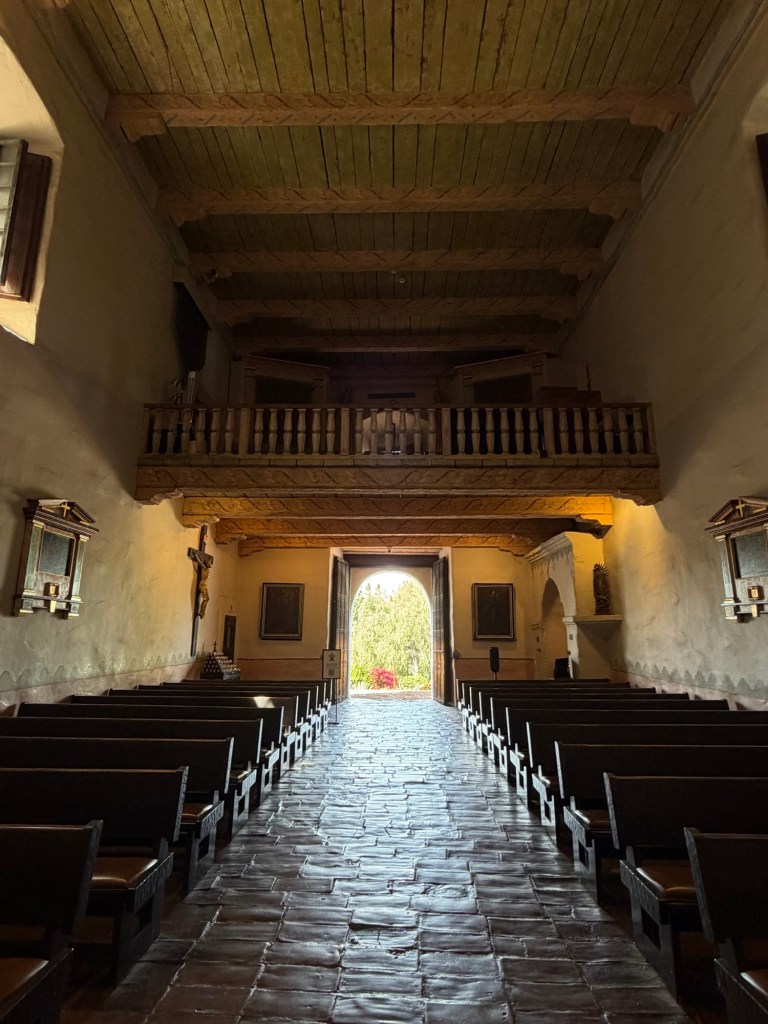
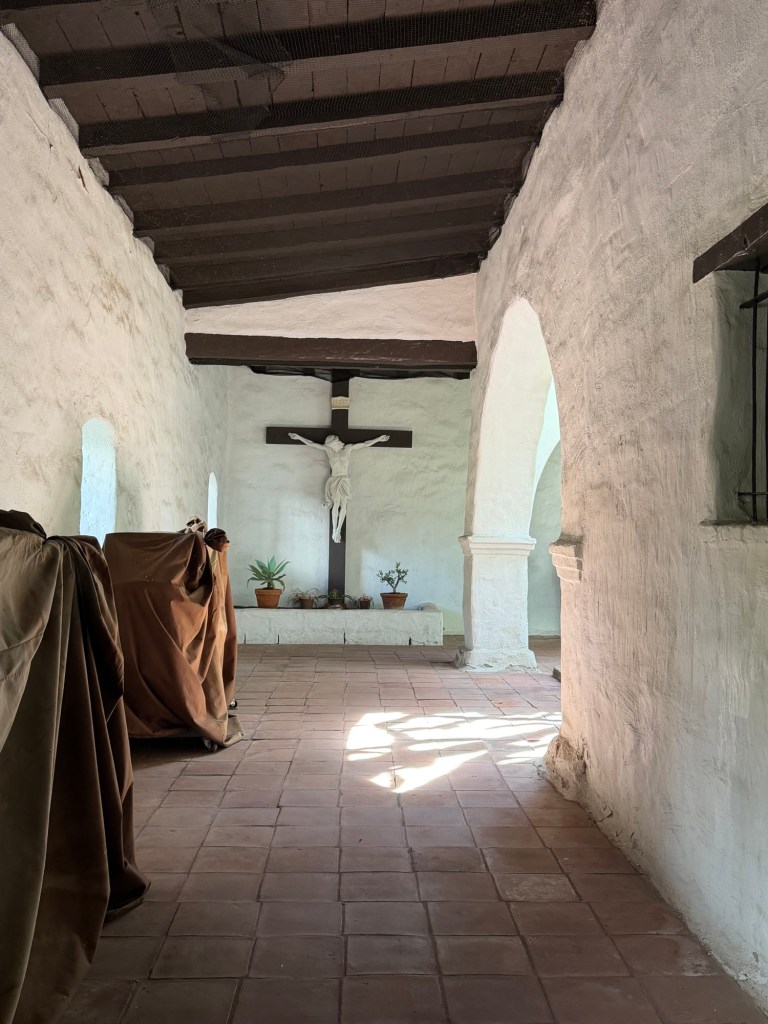
Inside the church, one image stayed with me long after I left: the crucified Christ without arms above the altar.
The missing arms are intentional, serving as a reminder that Christ now works through the hands of His followers. It was a simple yet powerful symbol that invited reflection beyond the building’s architecture and history.
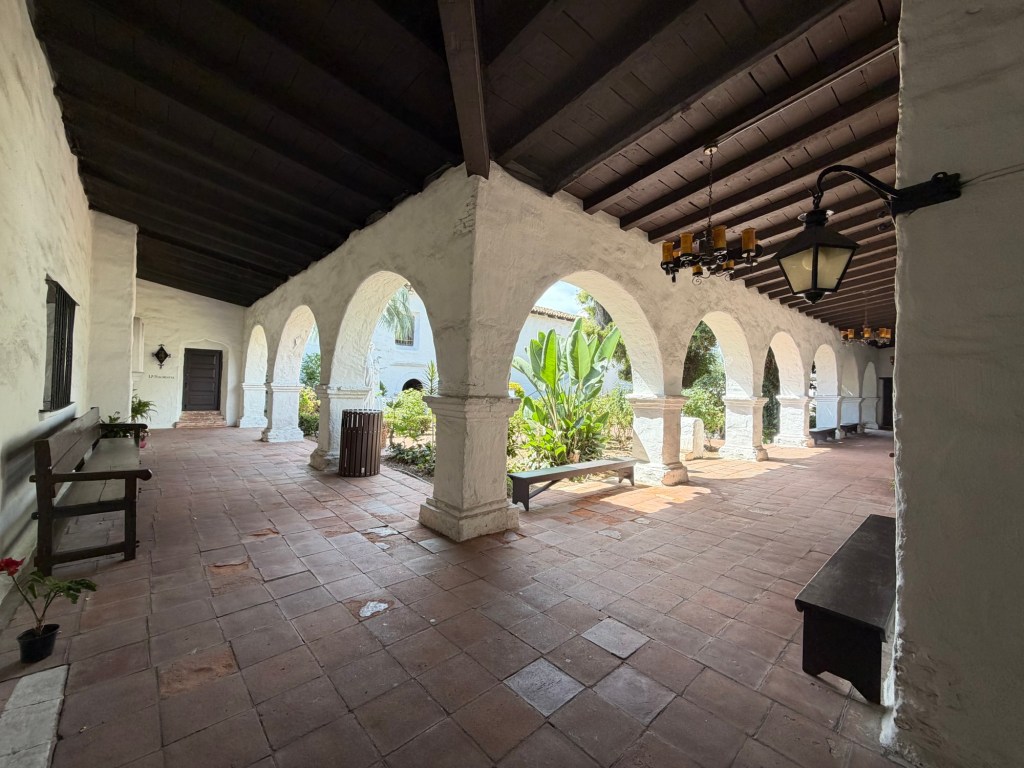
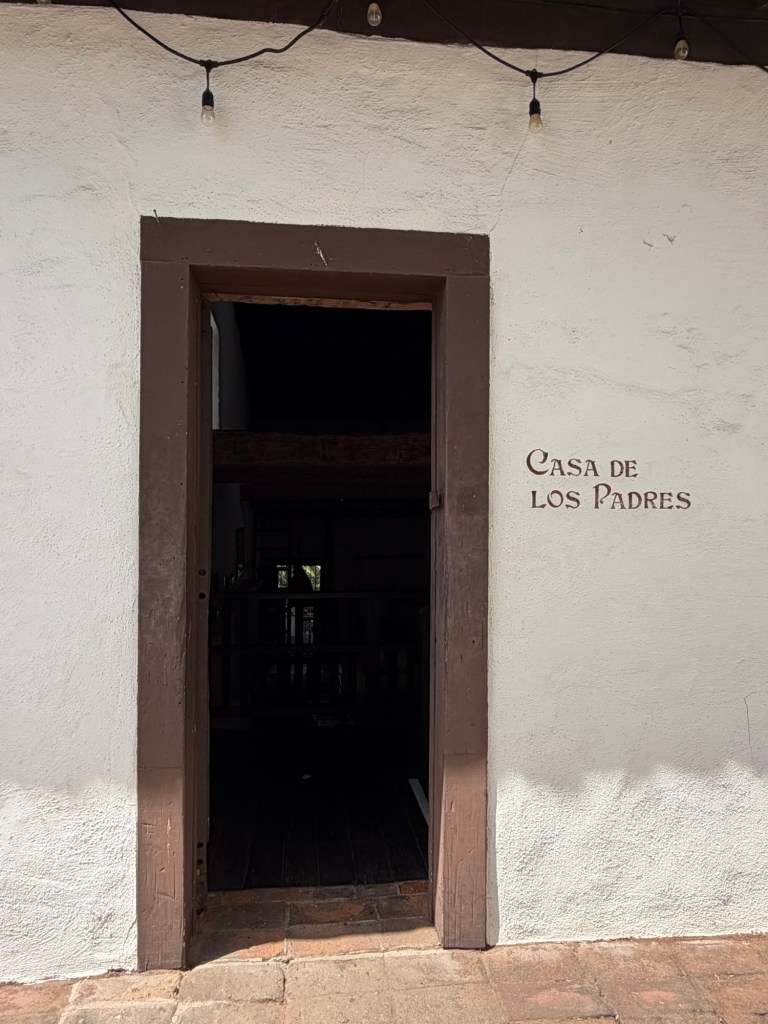
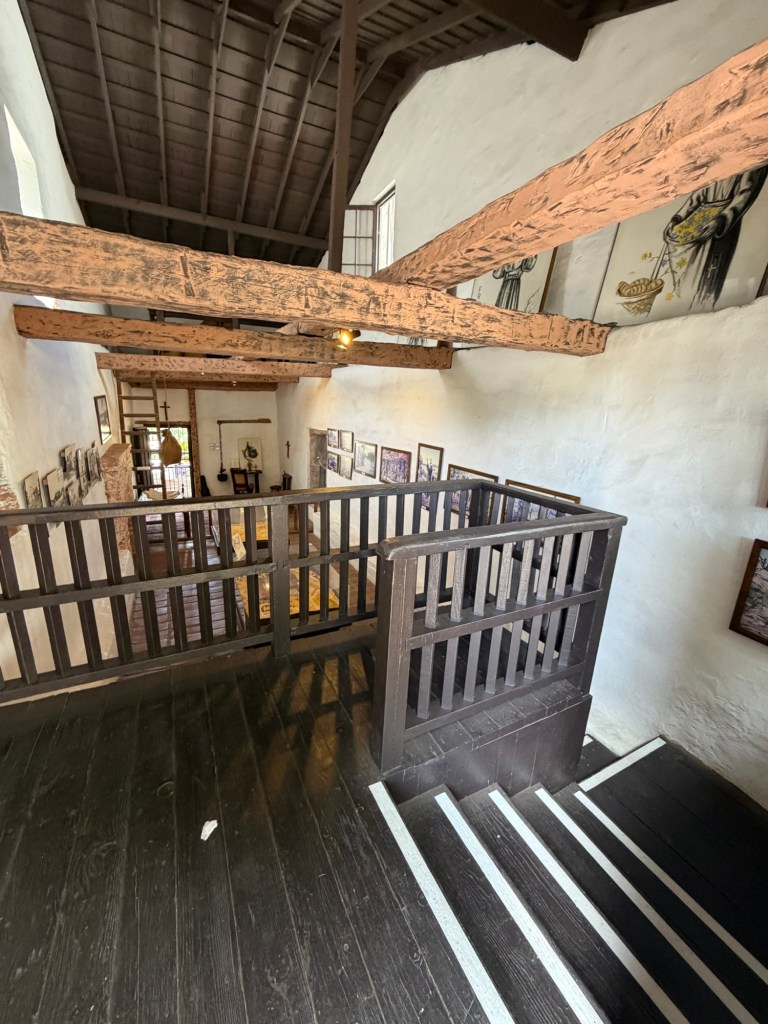
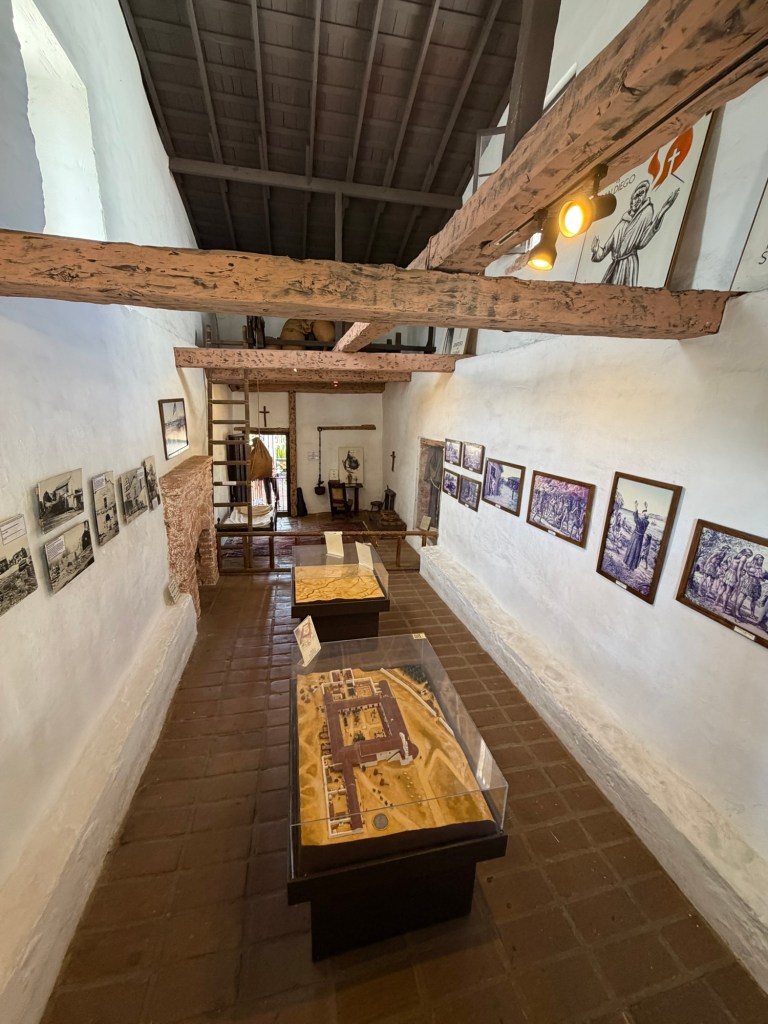
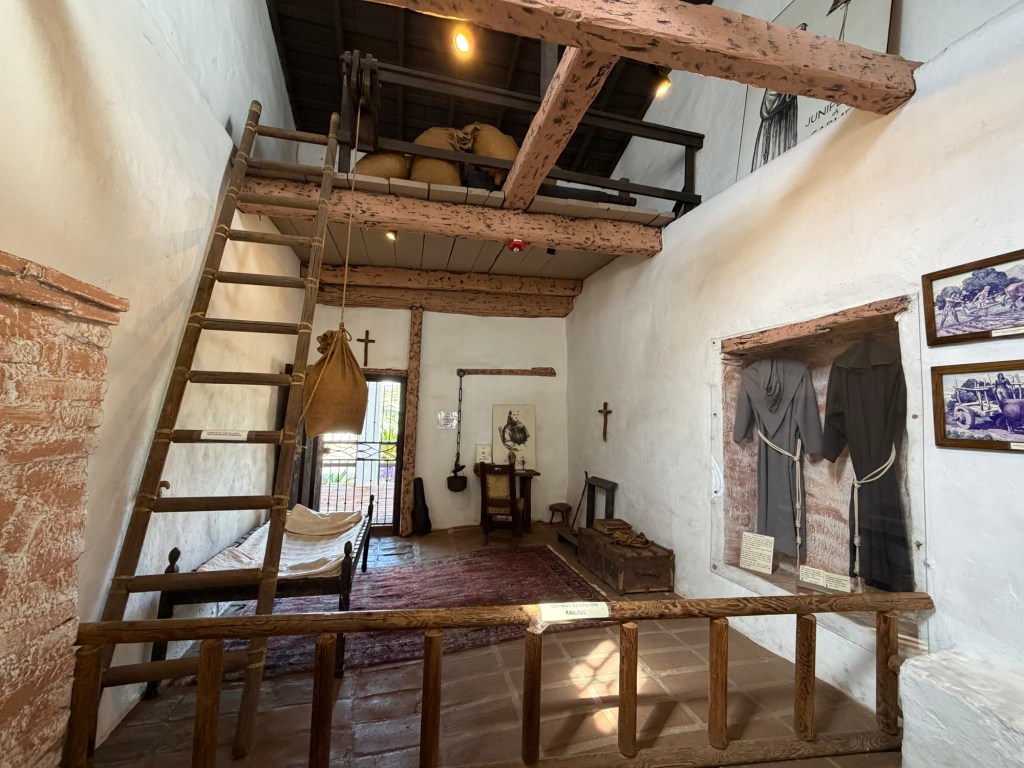
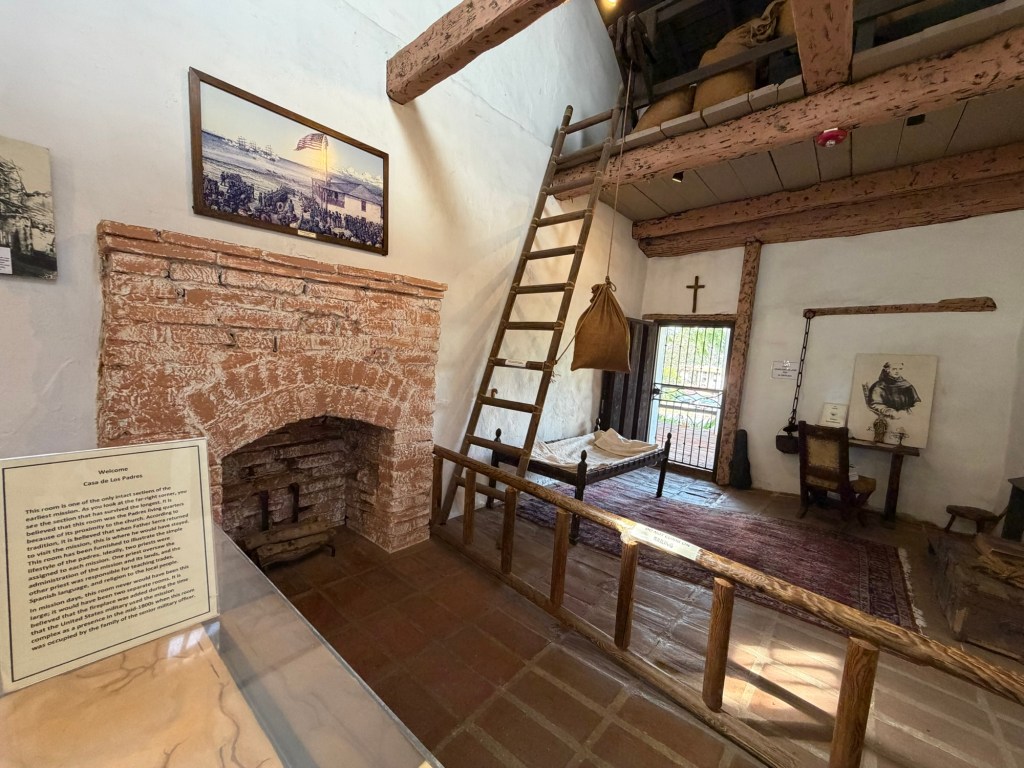
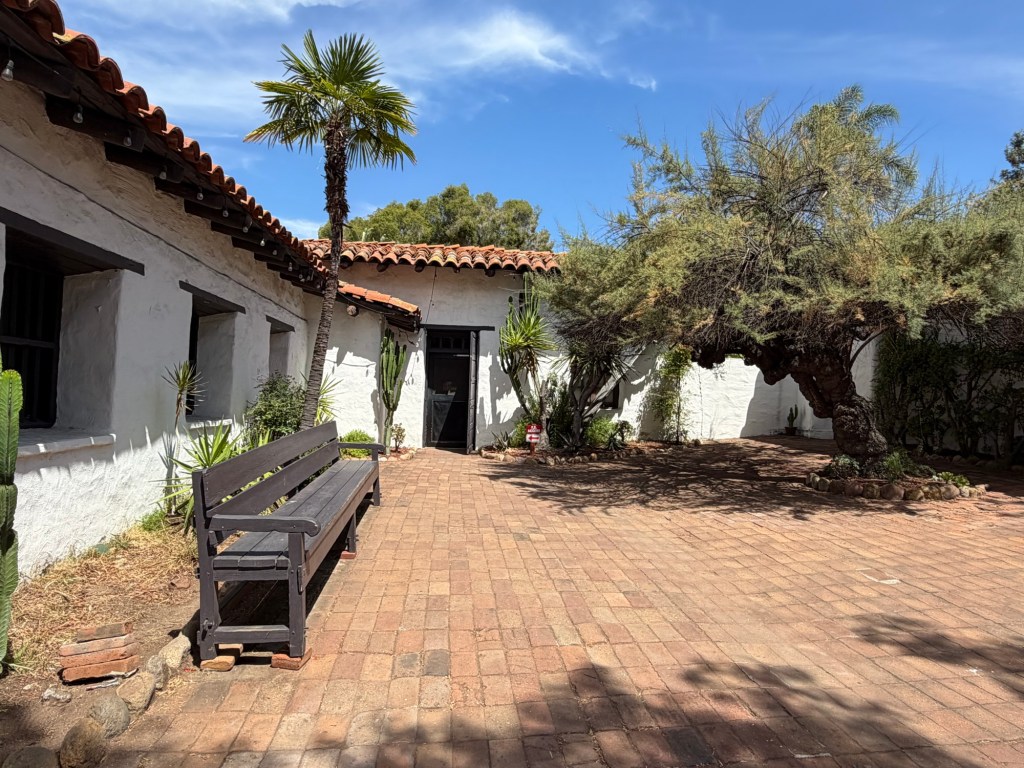
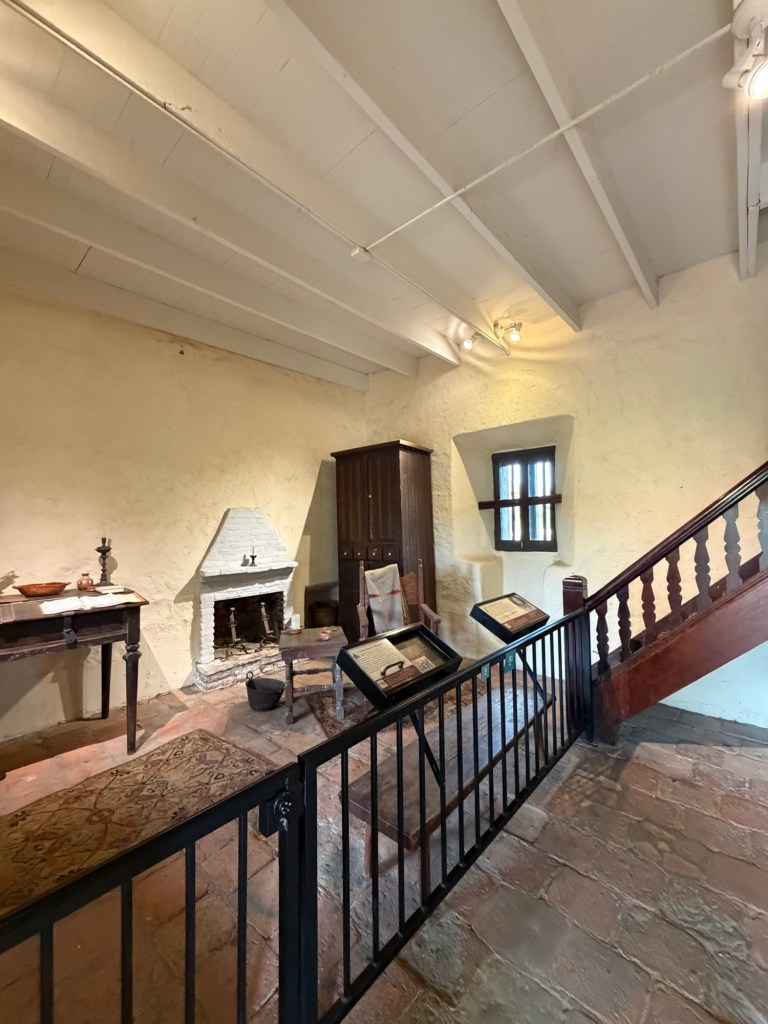
I also enjoyed walking through the Casa de los Padres, where the Franciscan missionaries once lived and carried out their daily work.
As with the other missions I’ve visited, I tried to imagine what life might have looked like here more than two centuries ago—the routines of the friars, the sounds of daily activity, and, at the same time, the experiences of the Kumeyaay people whose lives were forever changed by the arrival of the Spanish.
Visiting California’s missions has taught me not to see them only as beautiful churches or historic landmarks. They are places filled with faith, culture, resilience, conflict, and complicated history. They preserve remarkable architecture while also reminding us of the human stories—both inspiring and heartbreaking—that unfolded within their walls.
Although Mission San Diego de Alcalá wasn’t as physically impressive as I had imagined, I left appreciating something more important. I had stood where California’s recorded history took a decisive turn. It was the beginning of a chain of missions that would eventually stretch from San Diego to Sonoma, shaping the state that millions now call home.
As I continued my journey north toward Oceanside and Mission San Juan Capistrano later that day, I carried with me a deeper appreciation for how every mission tells a different chapter of California’s story—and how understanding those chapters means remembering everyone who was part of them.
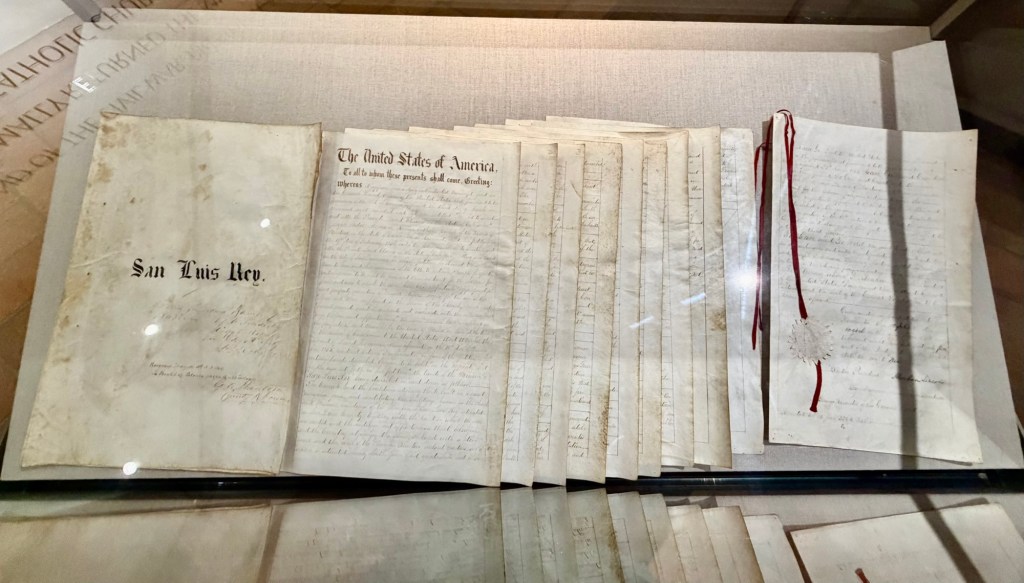
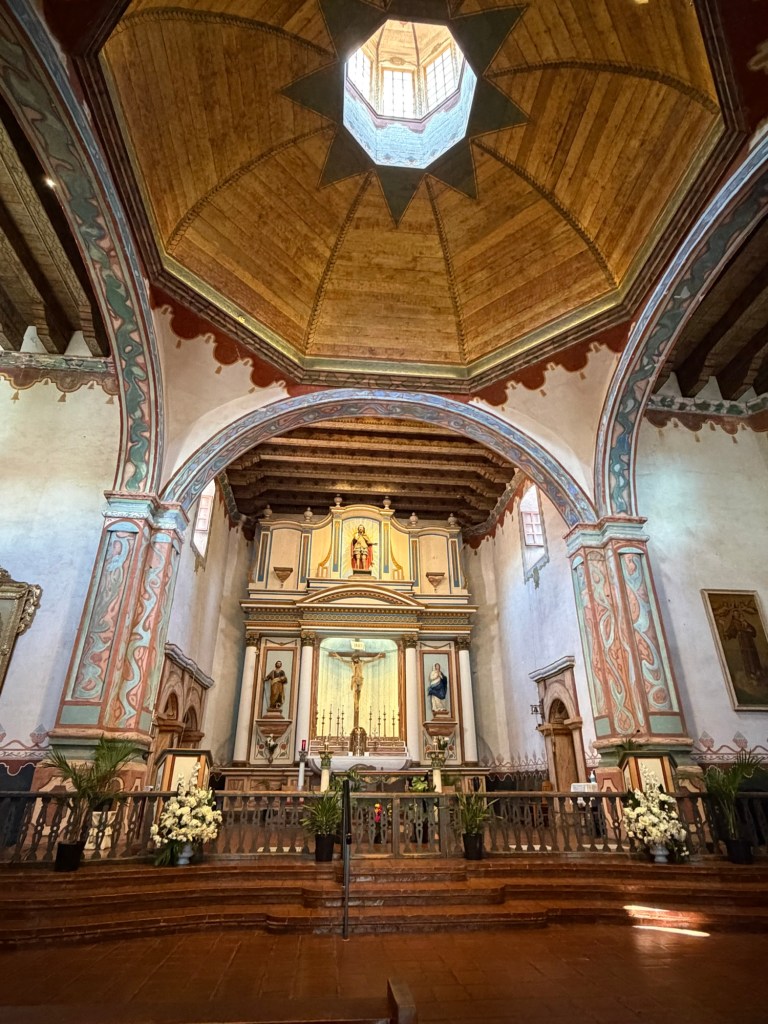
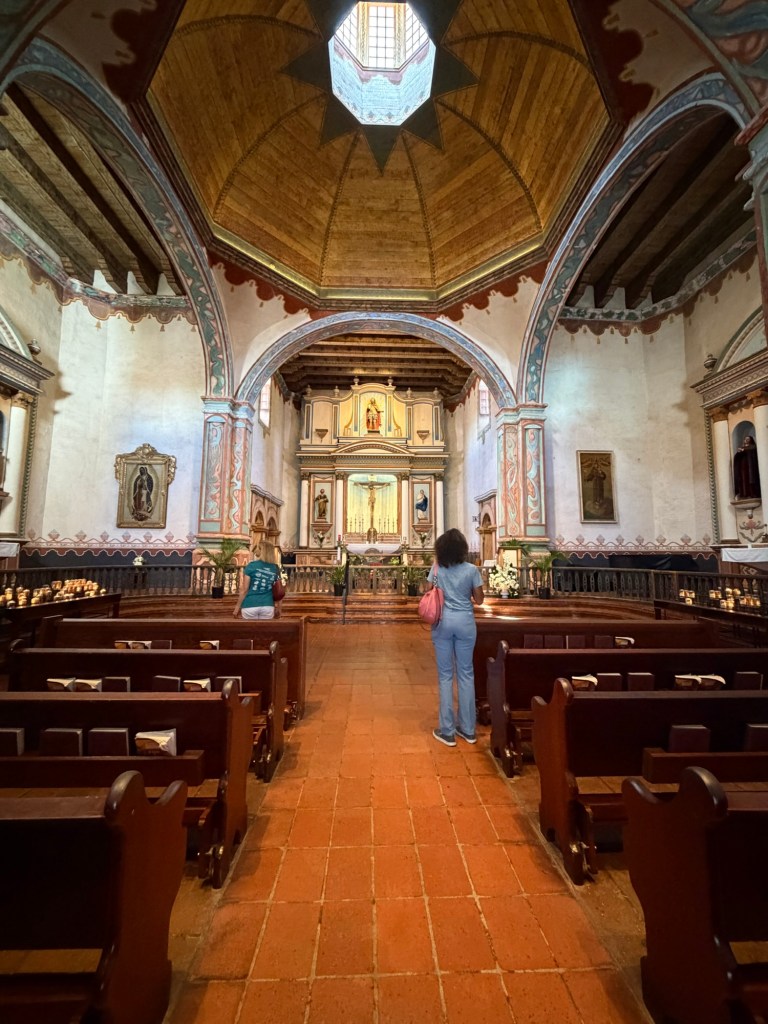
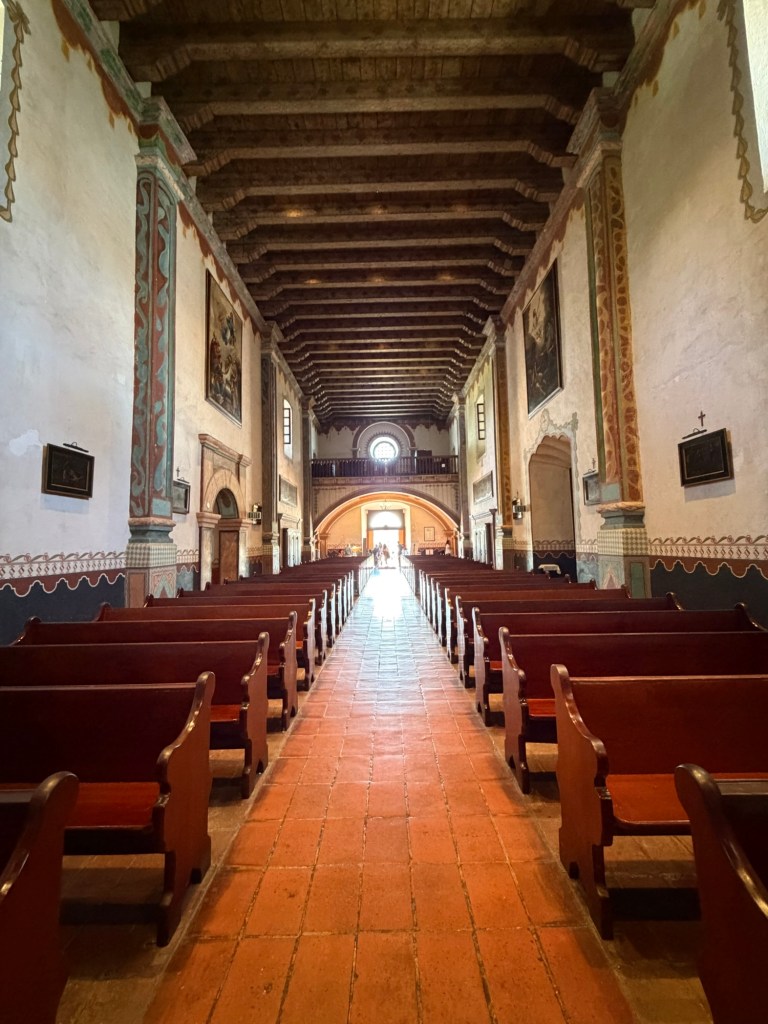
After visiting several California missions this year, I finally made my way to Mission San Luis Rey in Oceanside. Often called the “King of the Missions,” it immediately stood out for its impressive size, peaceful gardens, and beautiful architecture. It is one of the largest and most well-preserved missions in California, and walking through its grounds felt like stepping into another century.
Like my previous mission visits, I came not just to admire the buildings but to understand the people whose lives were forever changed by this place.
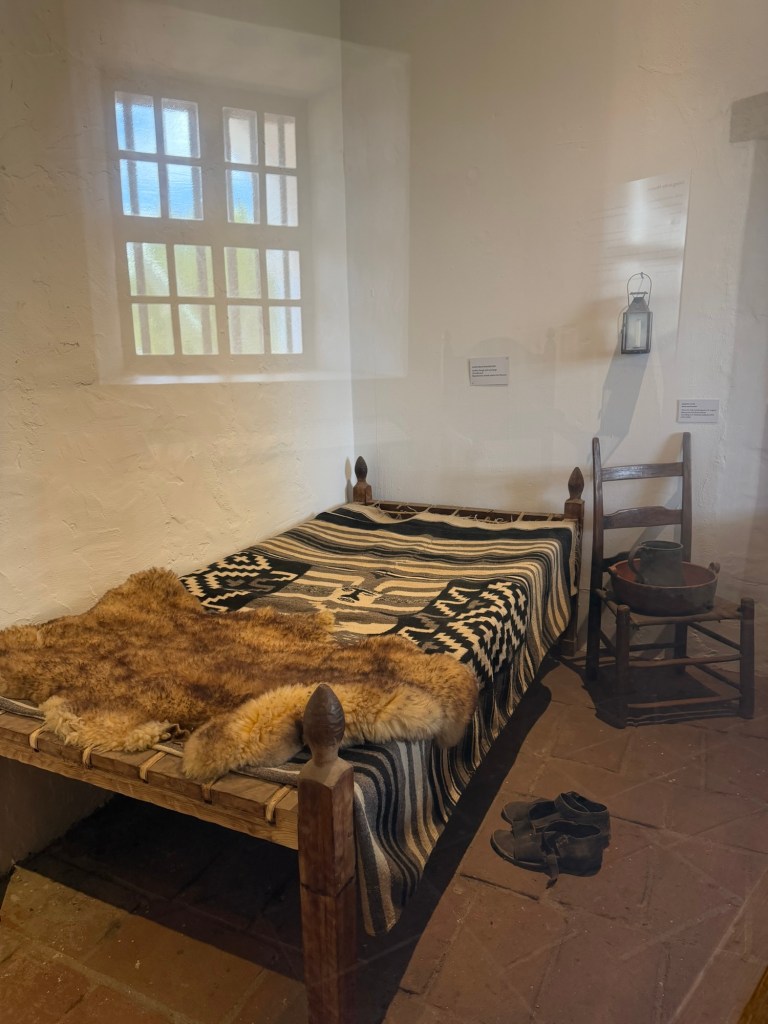
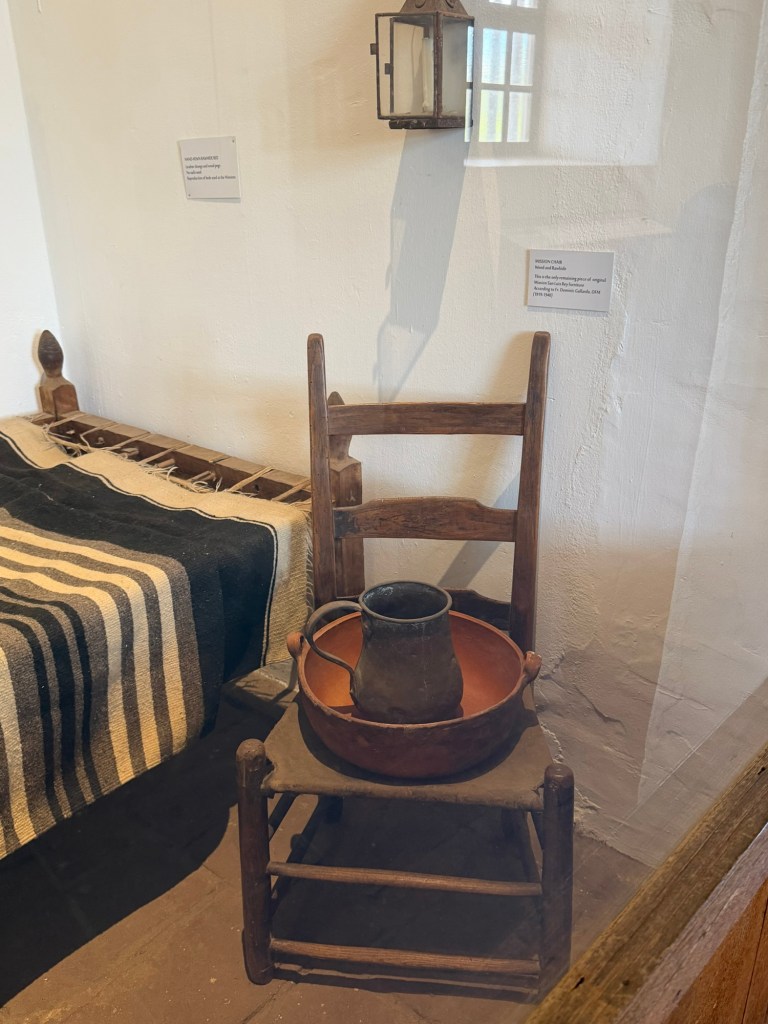
Mission chair: The only remaining piece if original San Luis Rey mission furniture
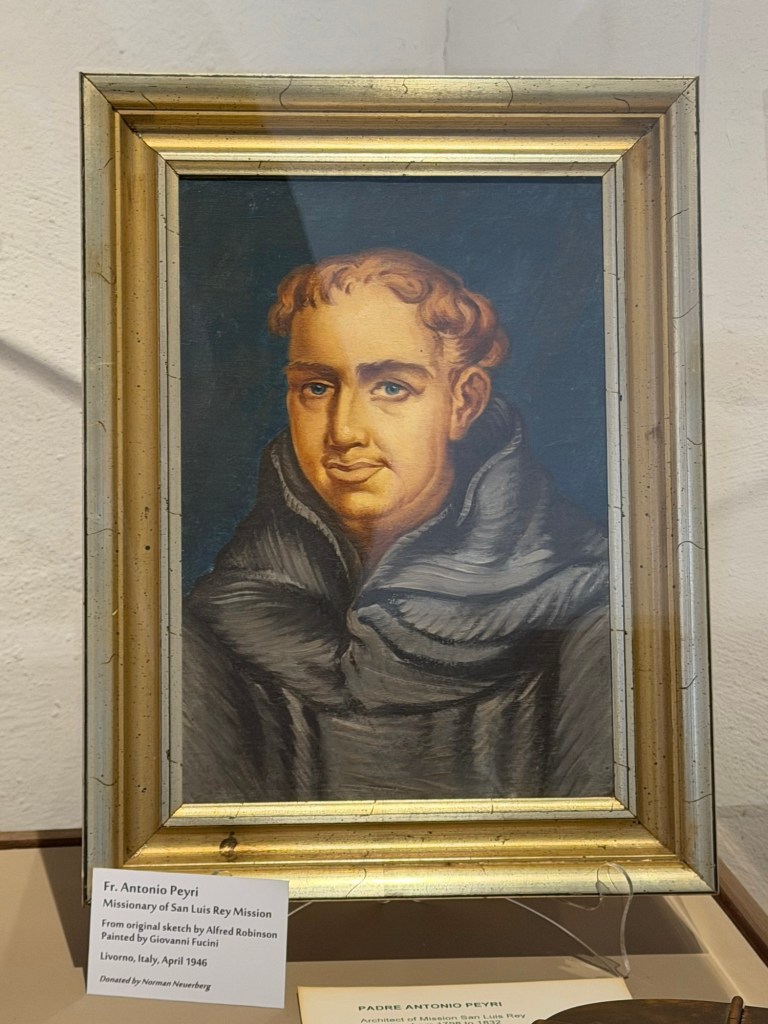
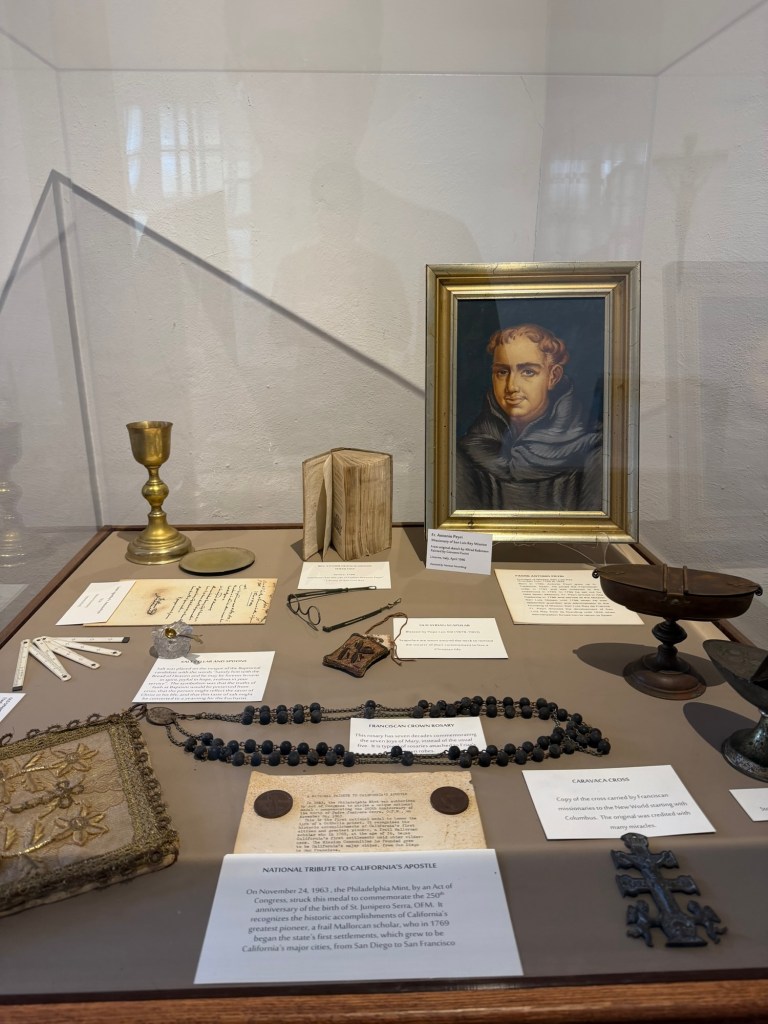
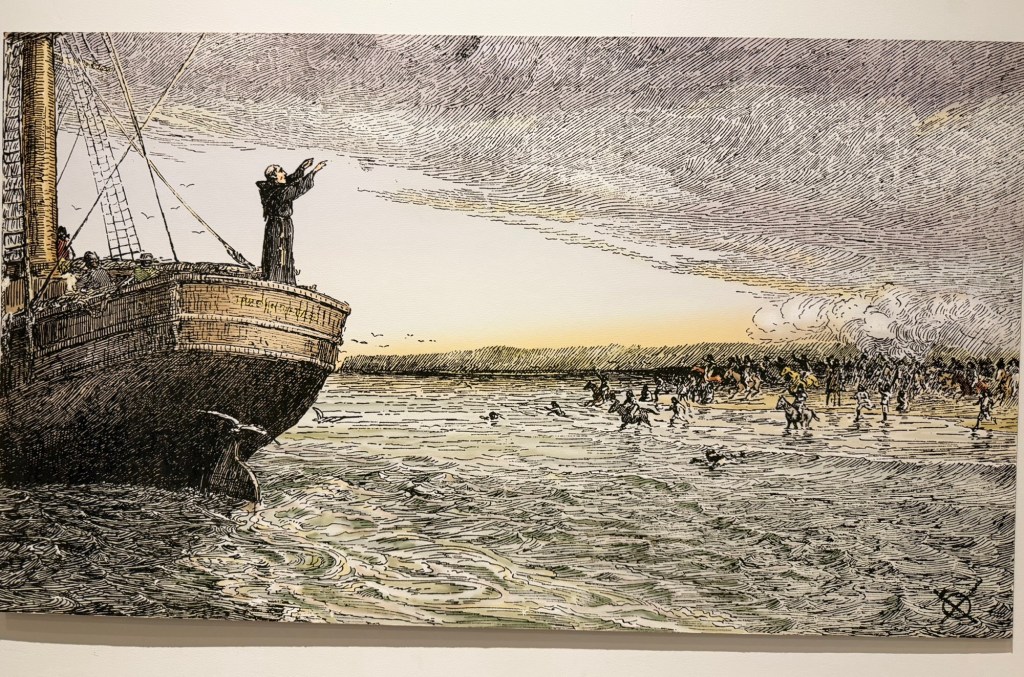
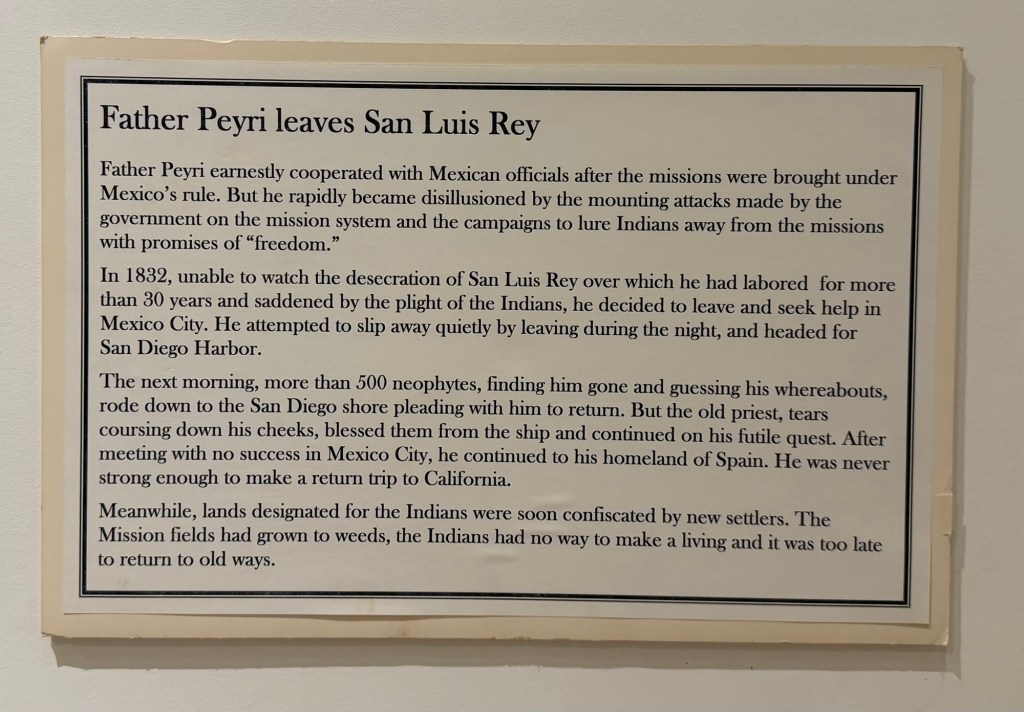
Mission San Luis Rey was founded in 1798 by Fr. Fermín Francisco de Lasuén, but it was Fr. Antonio Peyri who transformed it into one of the most successful missions in Alta California. Father Peyri spent more than three decades here, overseeing the construction of many of the buildings that still stand today. He became closely connected with the Native community and, when he was forced to leave after Mexico secularized the missions, many Native people reportedly followed him for miles to say goodbye. It is one of the more emotional stories from California’s mission era.
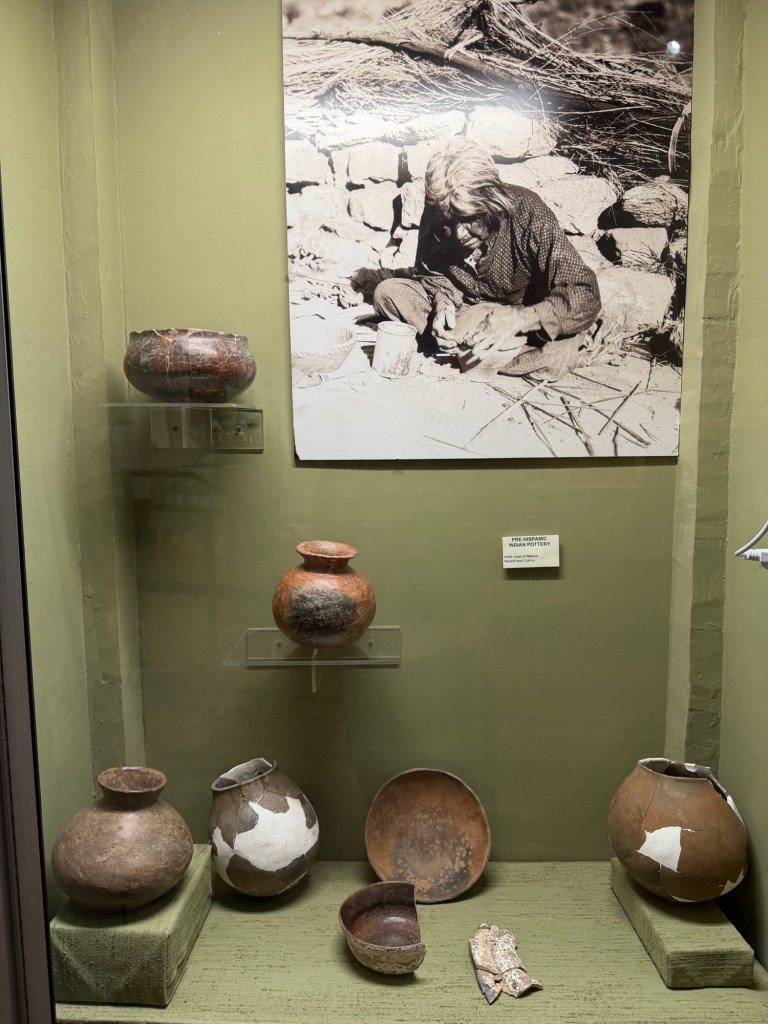
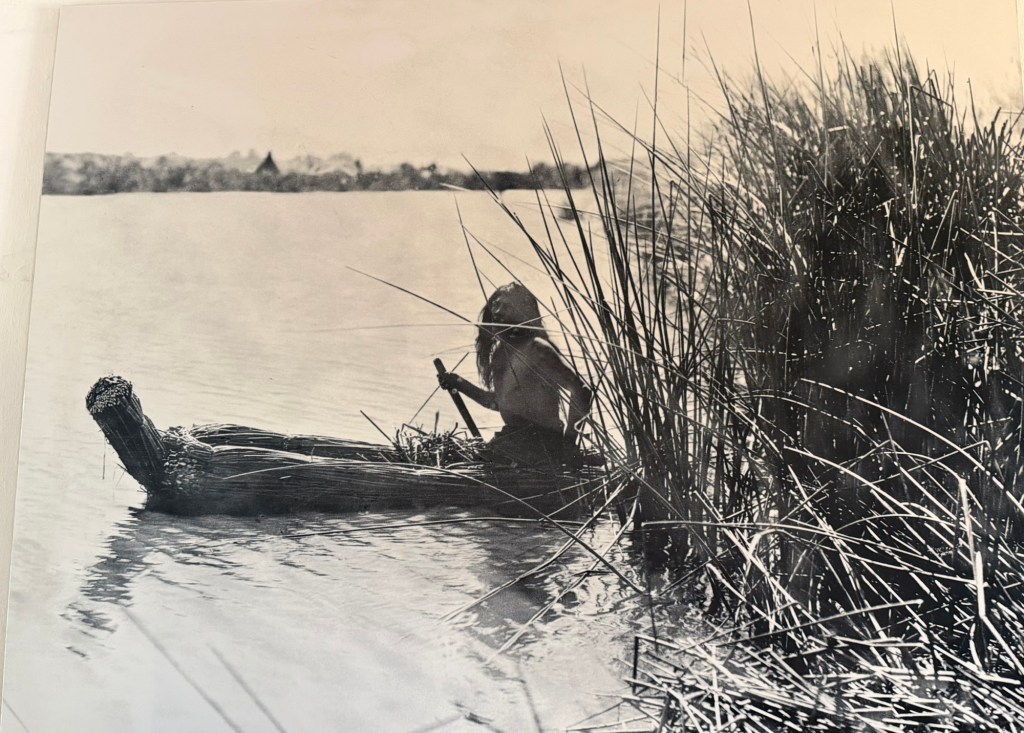
The mission was built on the homeland of the Payómkawichum people. Long before Spanish missionaries arrived, they had thriving villages, deep spiritual traditions, and a sophisticated understanding of the land. Visiting the museum reminded me that California’s history did not begin with the missions. The Payómkawichum had already called this place home for countless generations.
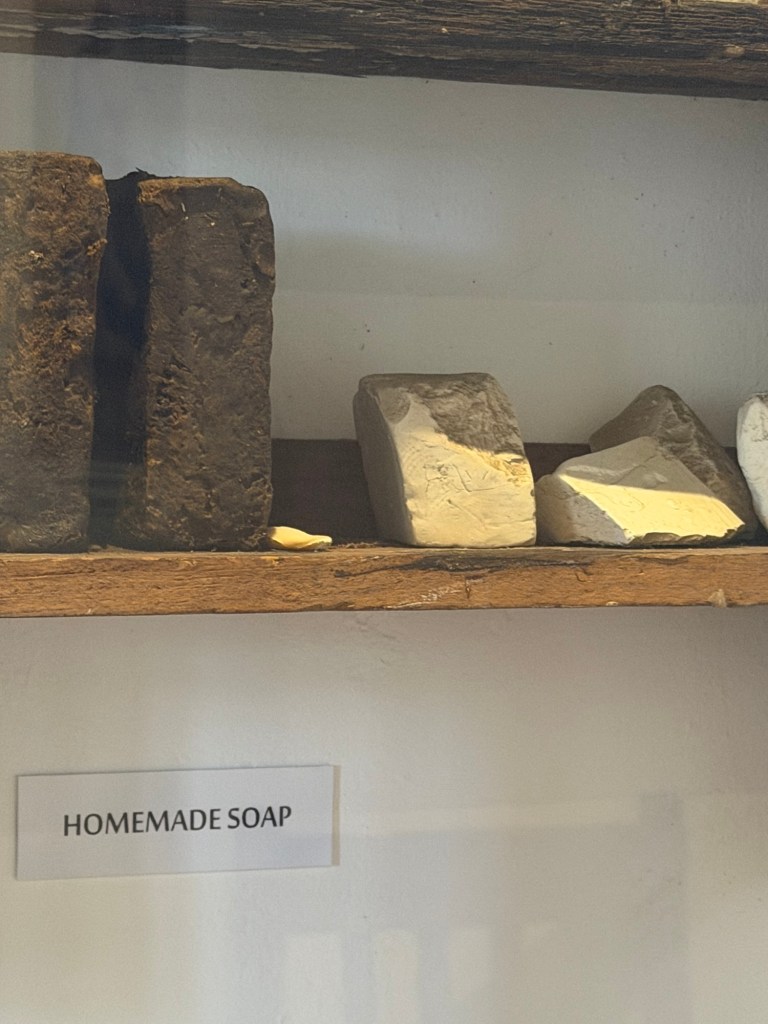
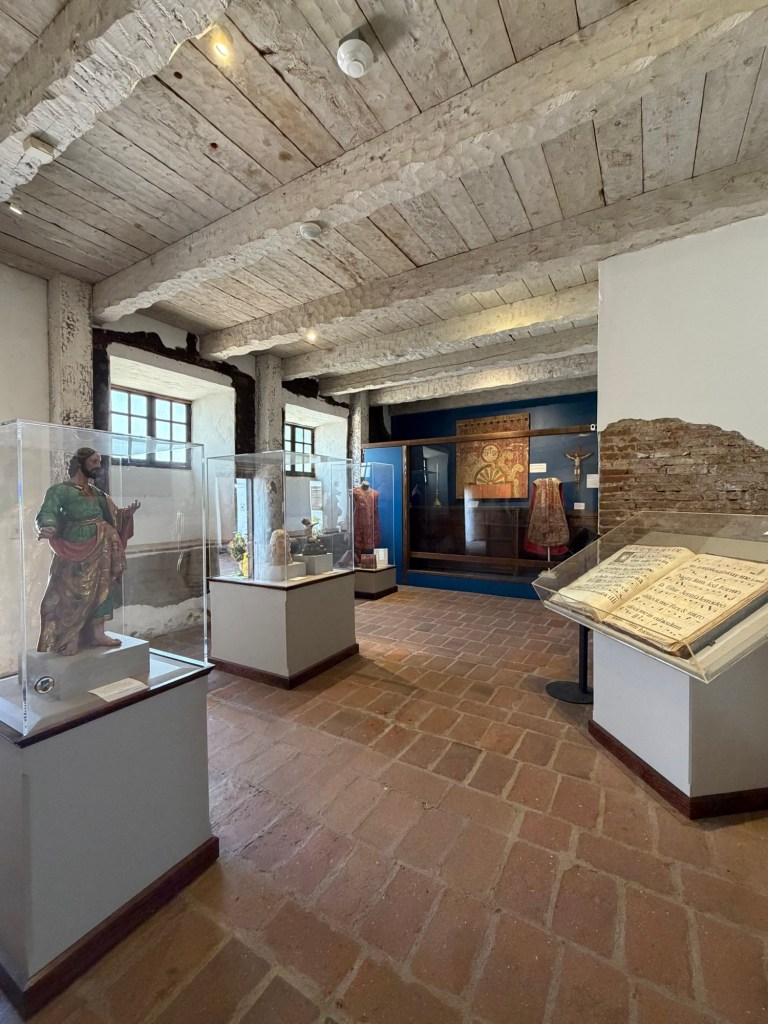
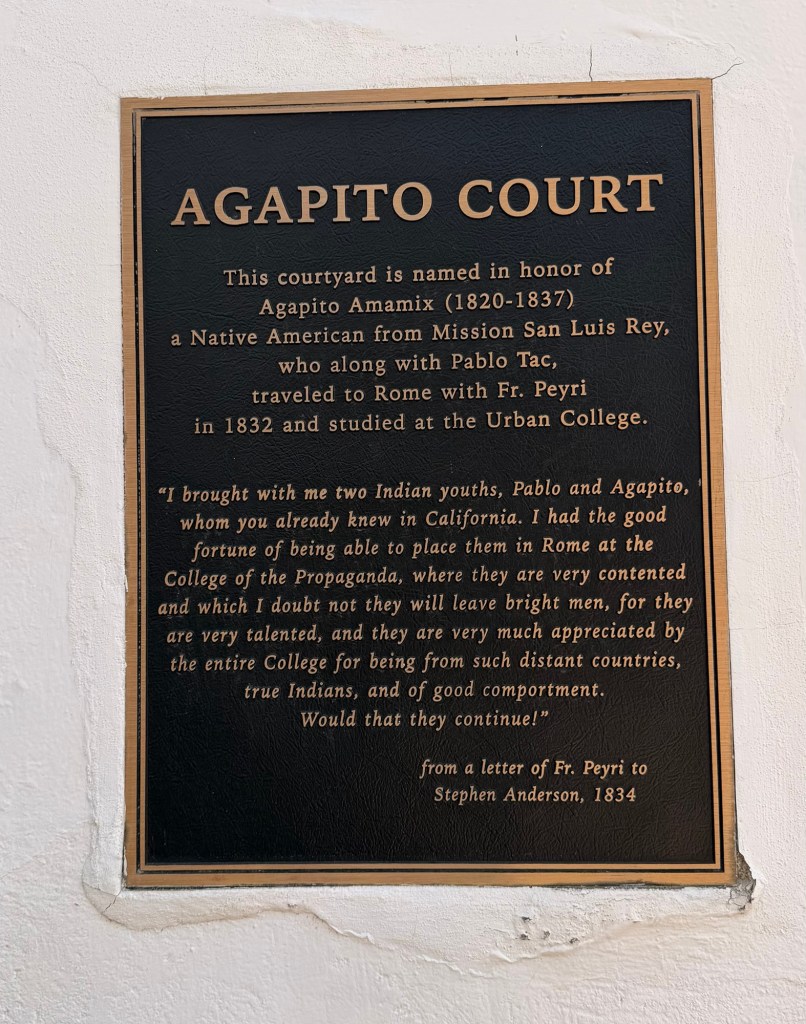
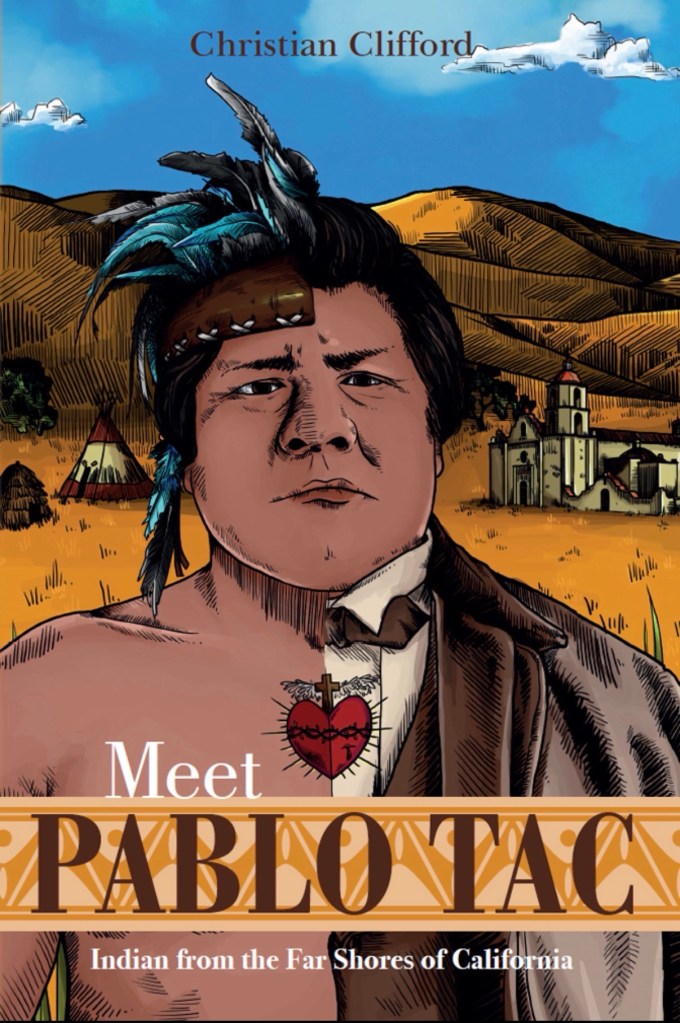
One thing I appreciate about Mission San Luis Rey is that it tells more than just the Spanish story. I learned about Agapito Amamix and Pablo Tac. After my visit, I spent more time reading about him because his story is extraordinary.
Born at Mission San Luis Rey, he later traveled to Mexico and then to Europe, where he studied for the priesthood. More importantly, he left behind one of the earliest first-hand accounts written by a California Native person. Through his writings, he described the experiences of his people living under the Spanish mission system. Reading Pablo Tac’s words feels different from reading history books because his voice comes directly from someone who lived through that era. It reminded me how valuable first-hand accounts are in helping us understand history beyond official records.
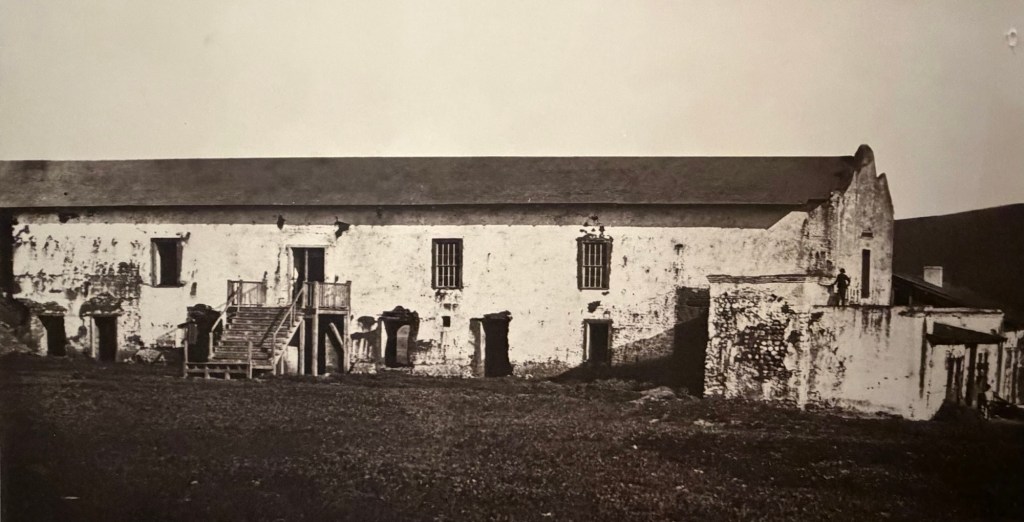
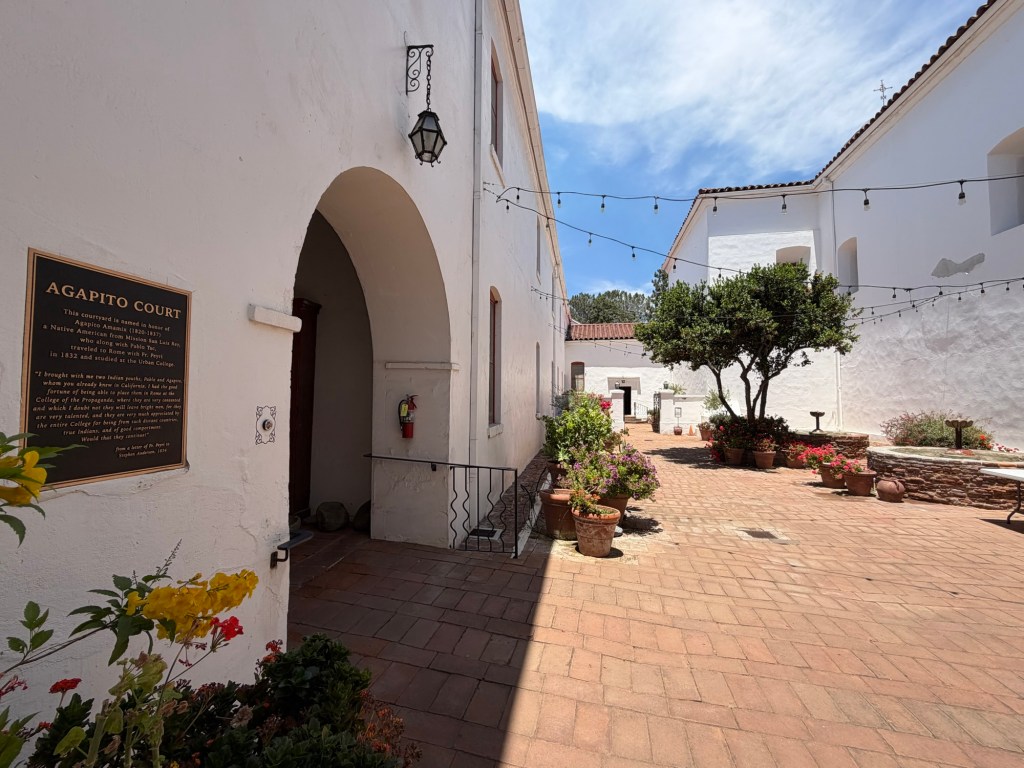
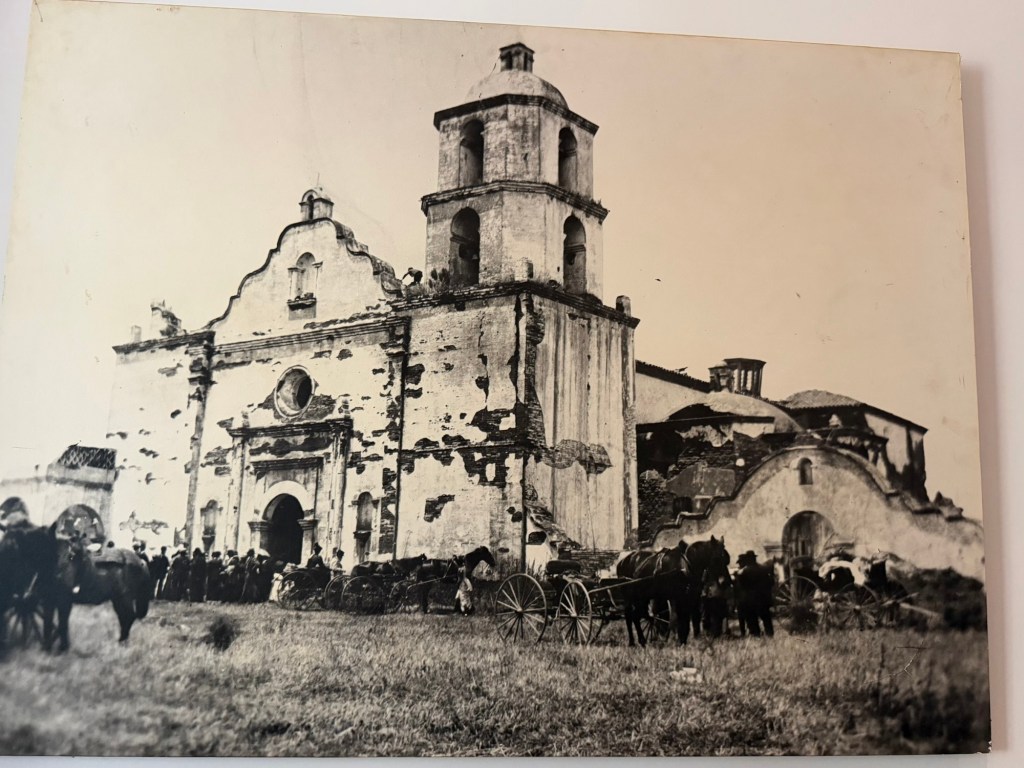
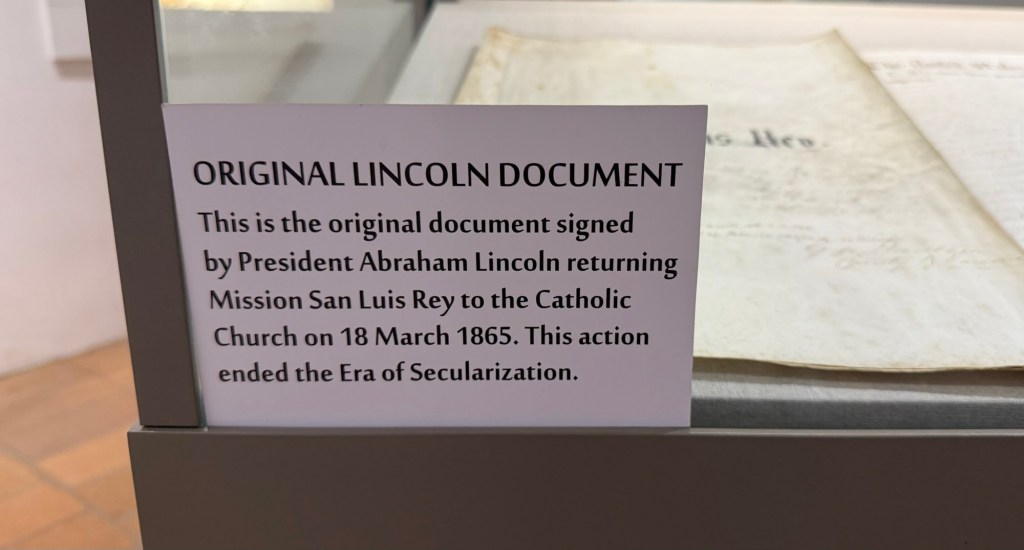
As I walked through the church, cemetery, and peaceful courtyards, I also learned what happened after the mission period. Following Mexico’s secularization of the missions, Mission San Luis Rey fell into neglect. Many buildings were damaged, valuable materials were removed, and parts of the property deteriorated over the years.
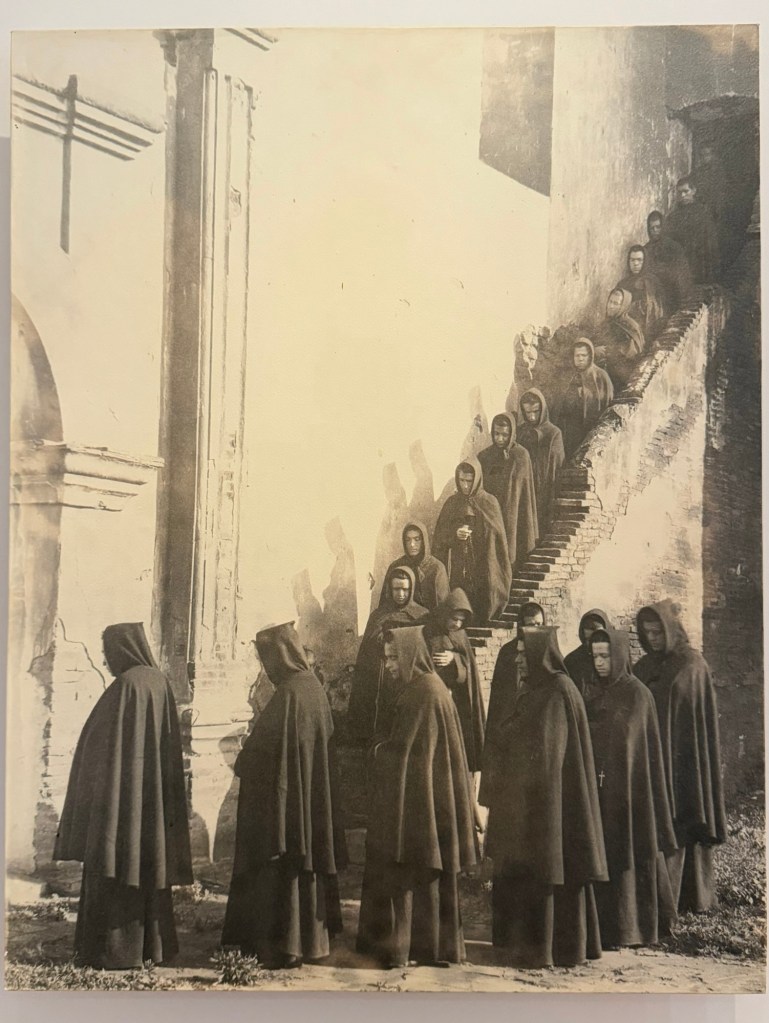
It was only after the Franciscan Order returned in the late nineteenth century that restoration began. Thanks to generations of Franciscan priests and dedicated preservationists, the mission was gradually brought back to life. Without those restoration efforts, much of what visitors enjoy today might have been lost forever.
Every California mission I visit teaches me something new. I admire the architecture, the faith, and the remarkable preservation of these historic places. At the same time, I leave with a deeper appreciation for the resilience of California’s Indigenous peoples, whose stories are finally receiving the attention they have always deserved.
I’ve visited 7 California missions so far, and out of all of them, Mission San Juan Capistrano is easily my favorite.
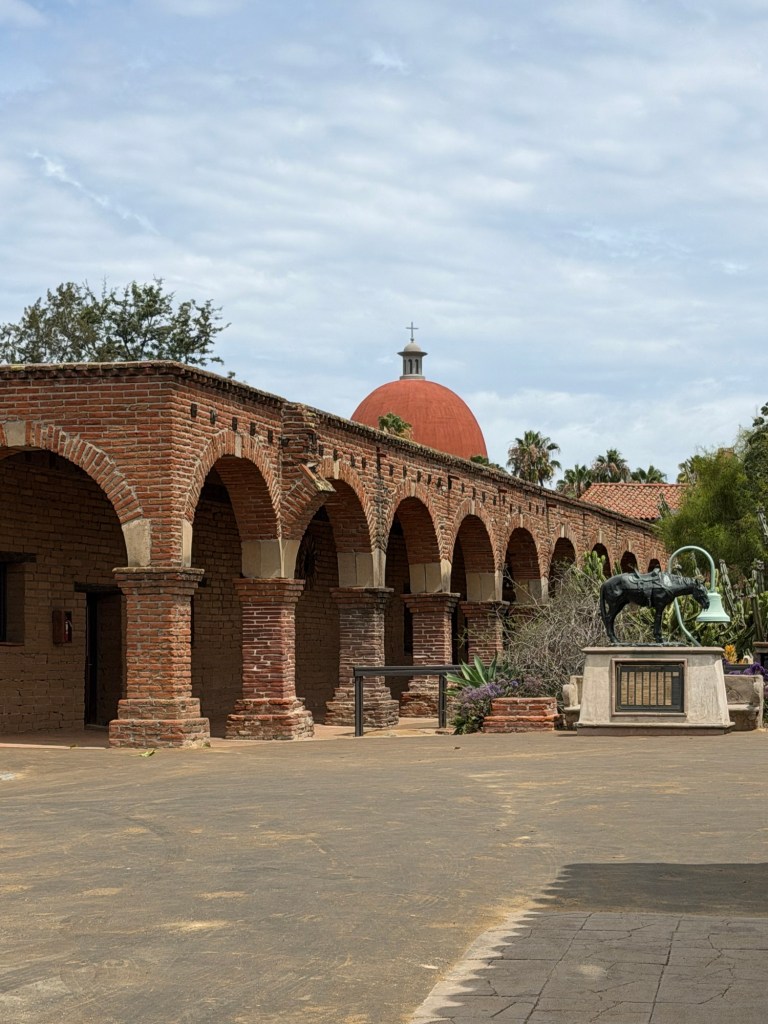
I actually visited two other missions—San Diego de Alcalá and San Luis Rey—before coming here. But this place left such an impression on me that I couldn’t wait to write about it and share the photos I took.
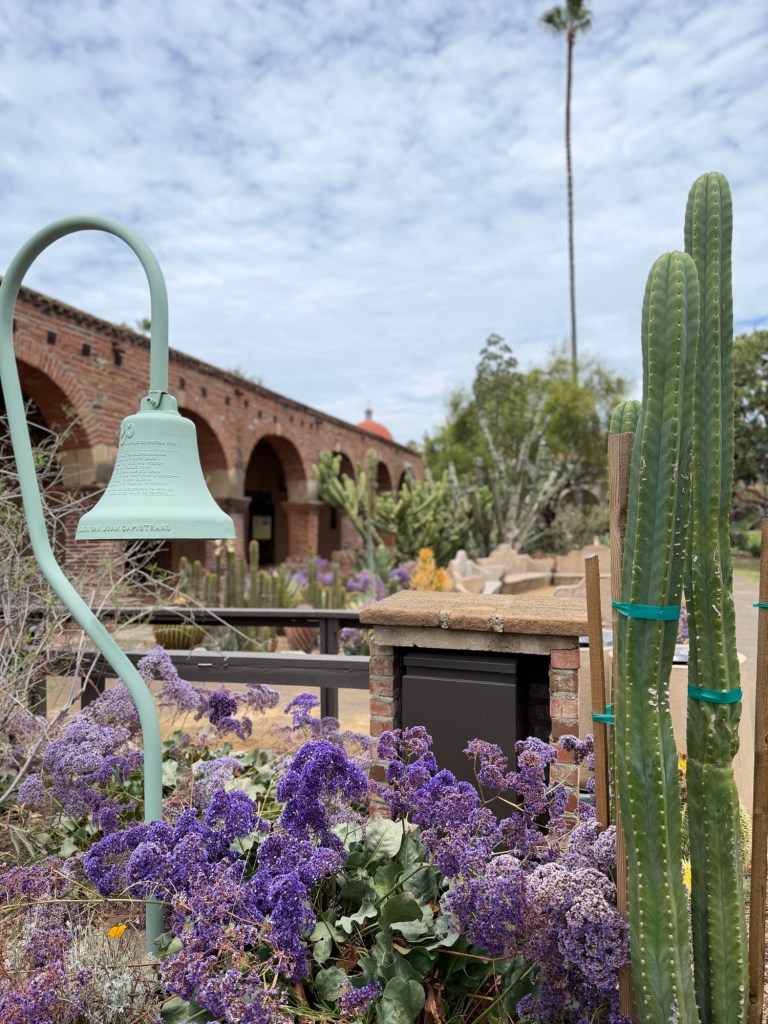
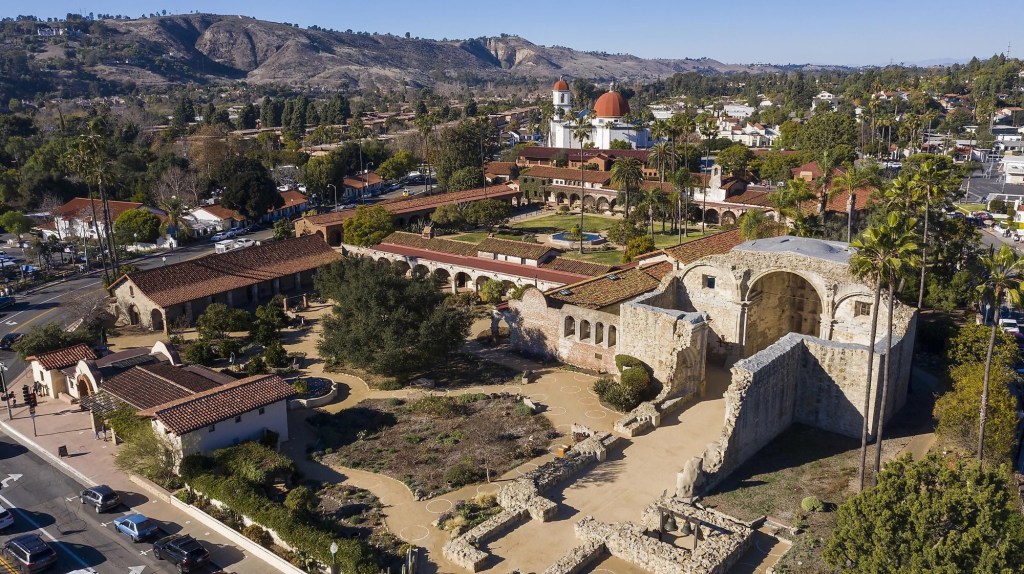
One of the things I love most about Mission San Juan Capistrano is its location. It’s right in the heart of the historic downtown, surrounded by museums, old buildings, restaurants, and charming streets. The entire area feels like an open-air history museum.
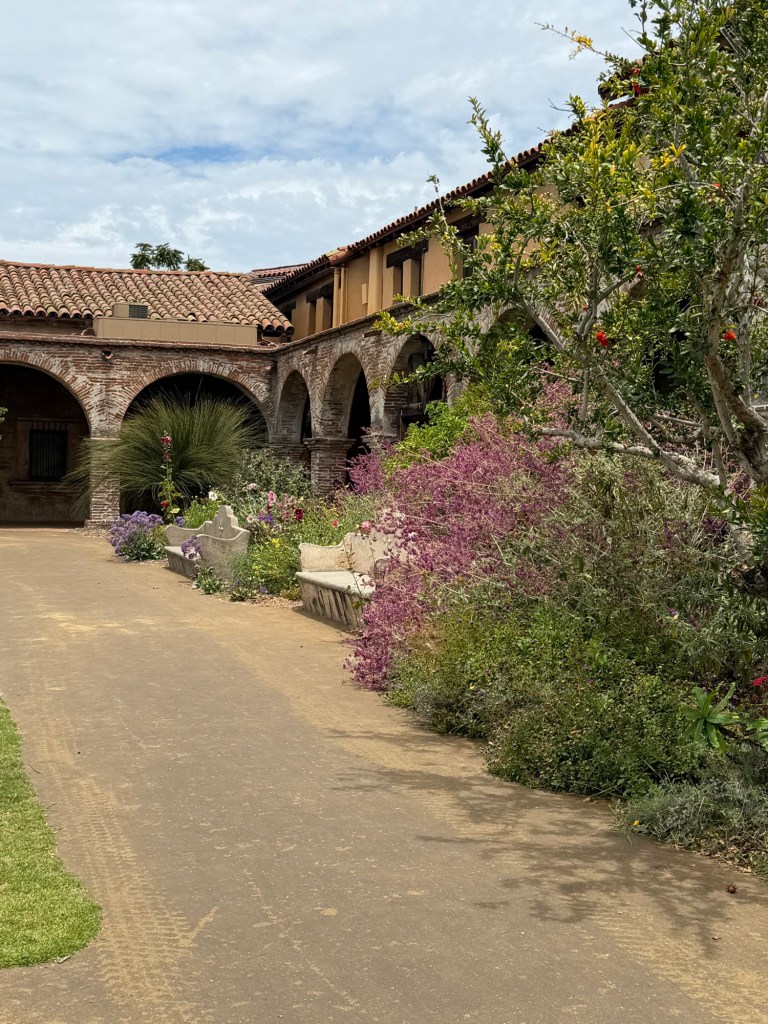
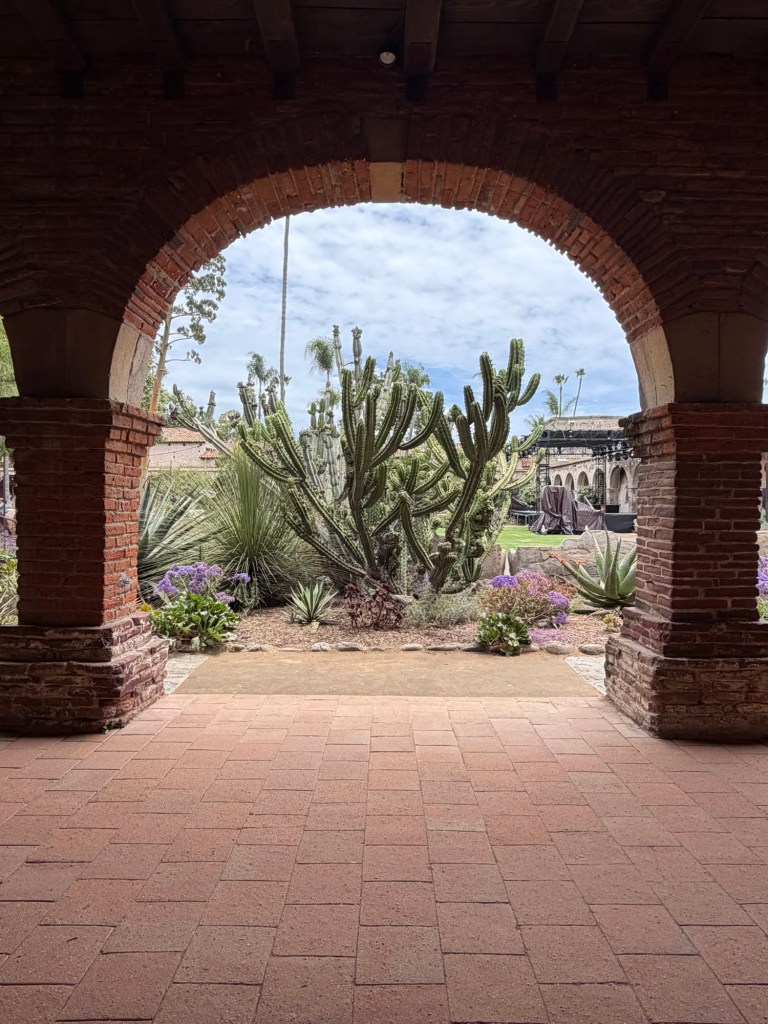
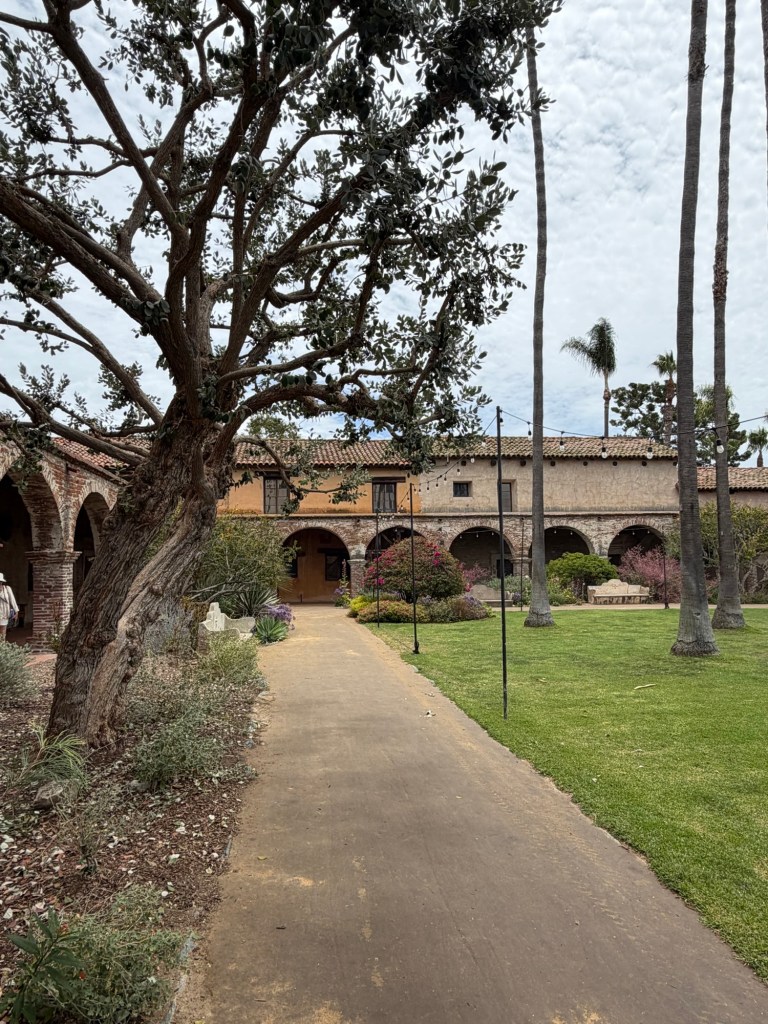
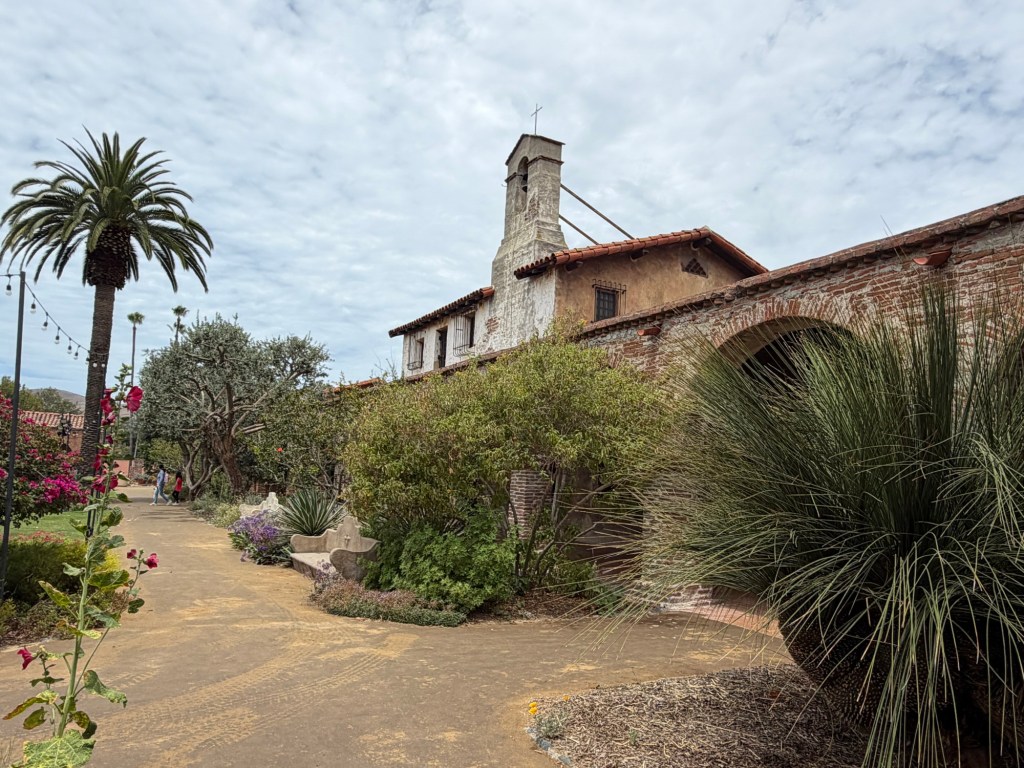
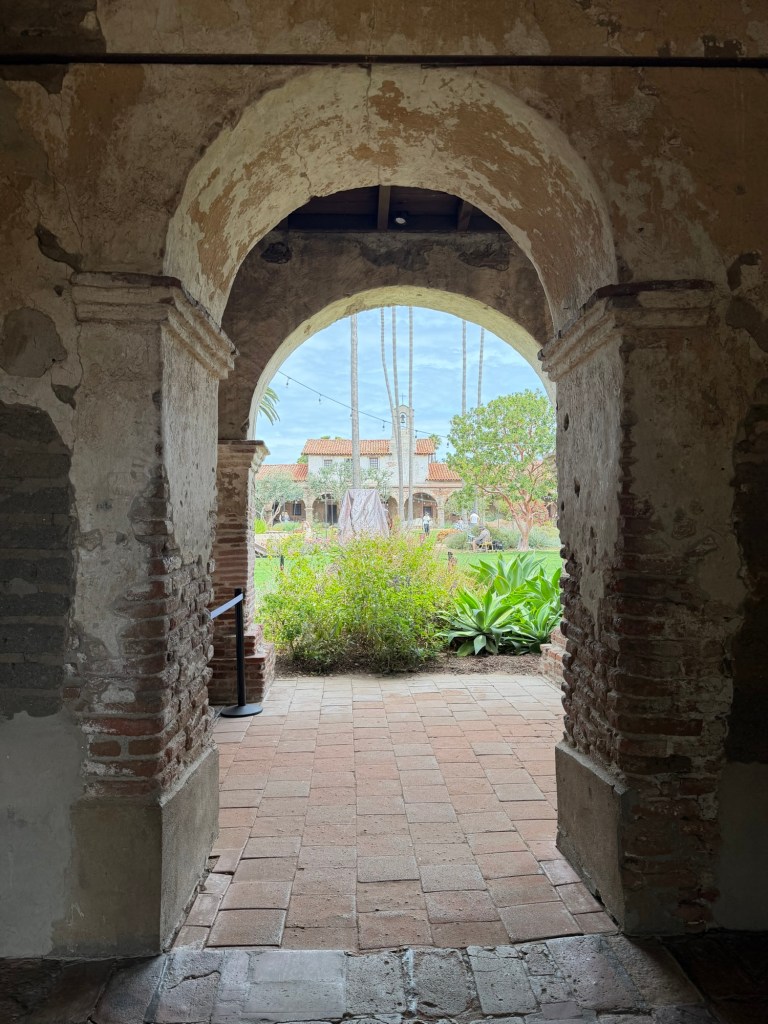
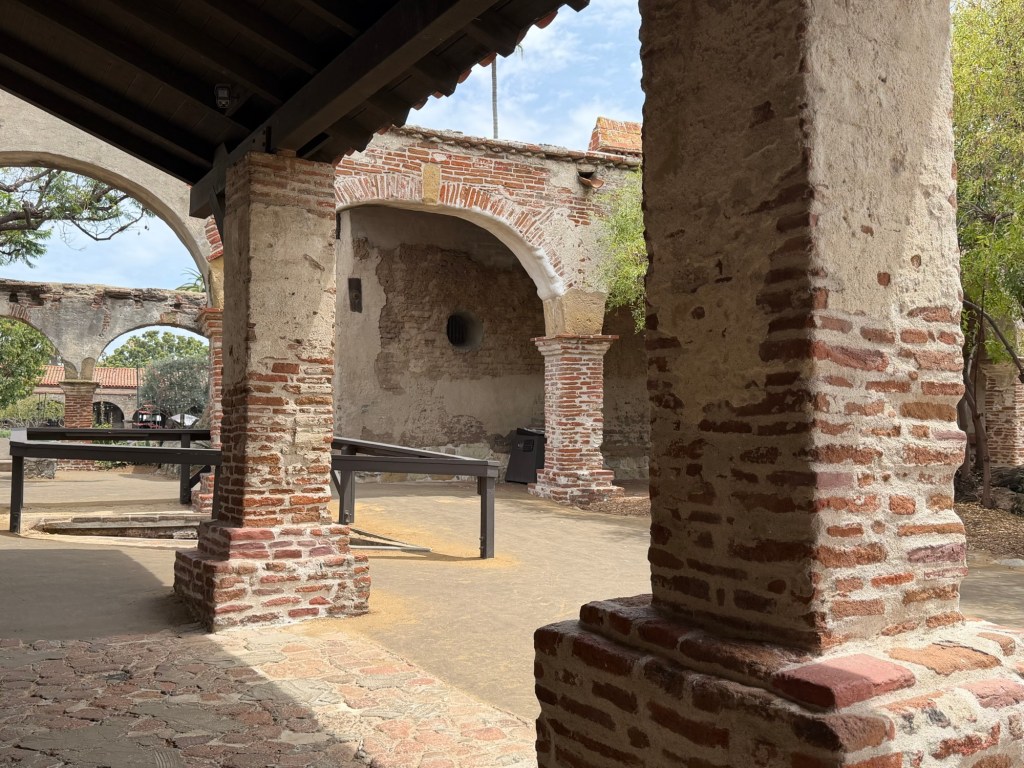
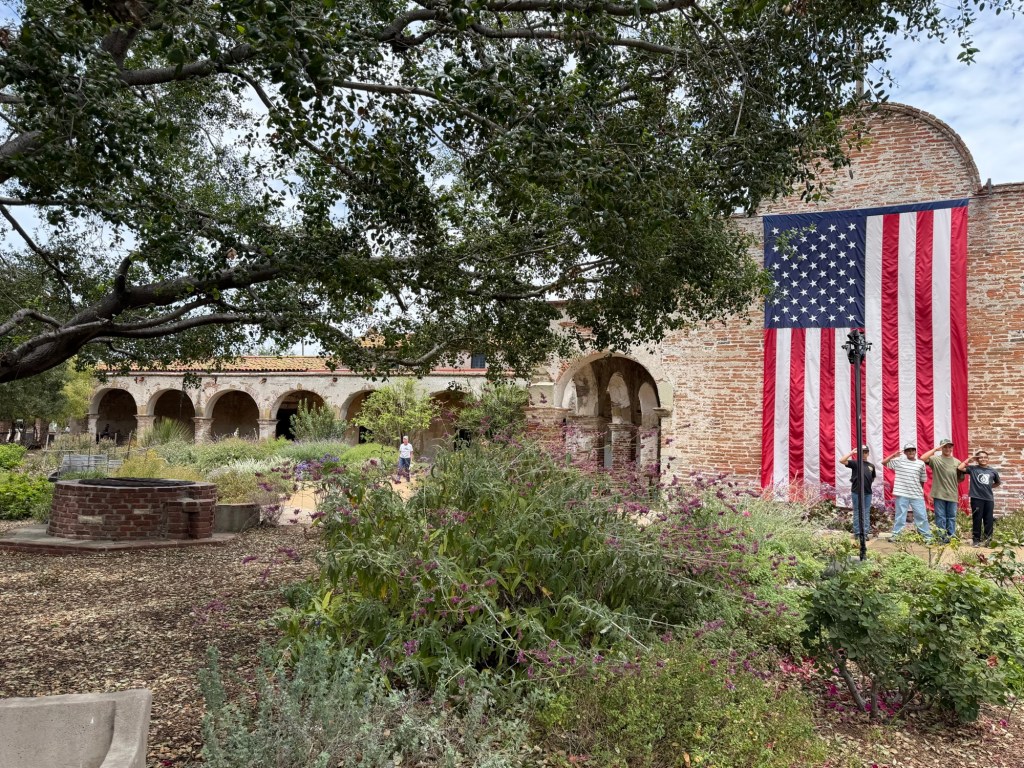
The moment I stepped inside the mission grounds, I immediately felt a sense of peace and calm. The gardens are absolutely stunning, with flowers, fountains, and beautiful courtyards everywhere you look. It’s one of those places where every corner feels picture-perfect and every path leads to another Instagram-worthy view.
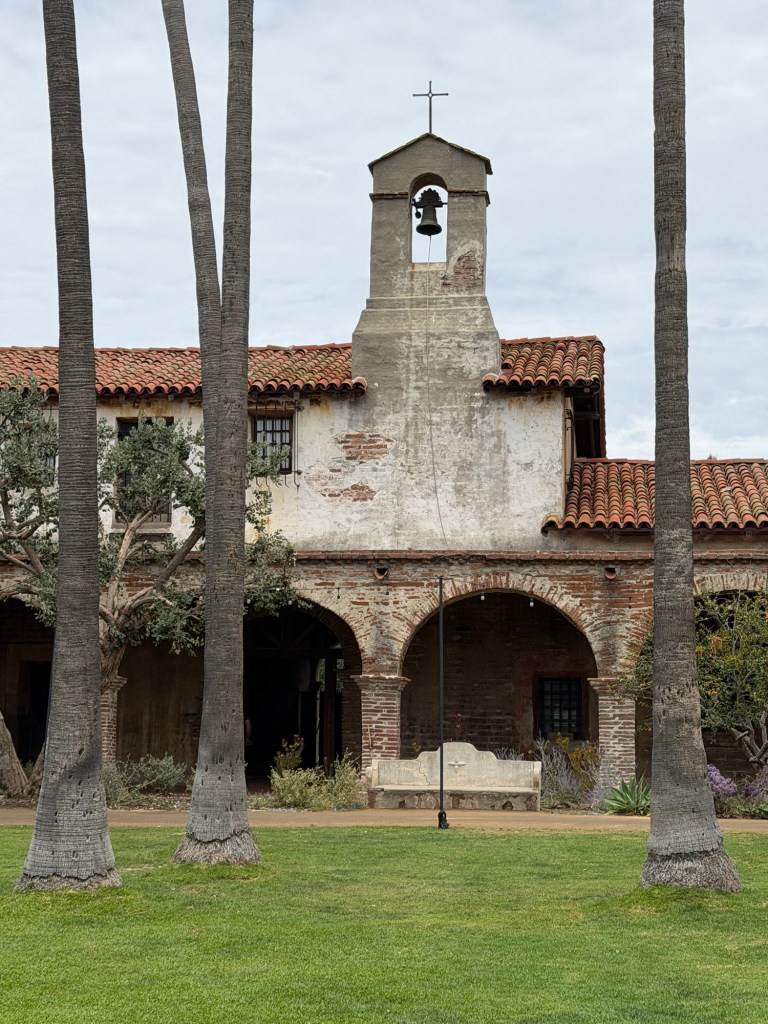
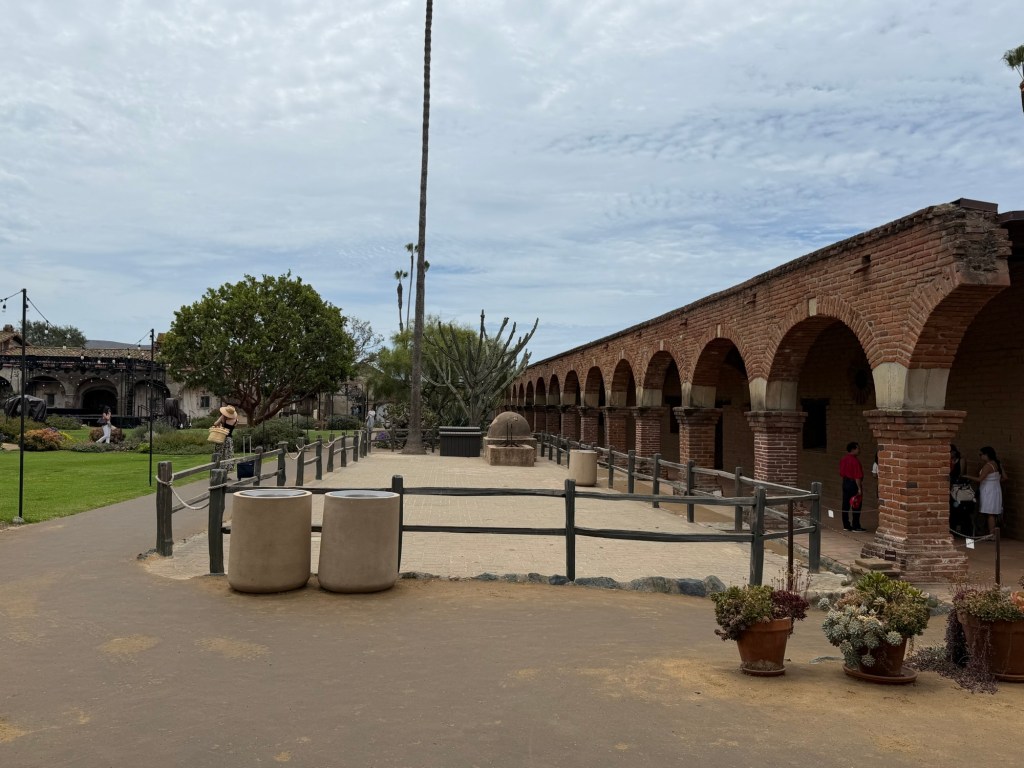
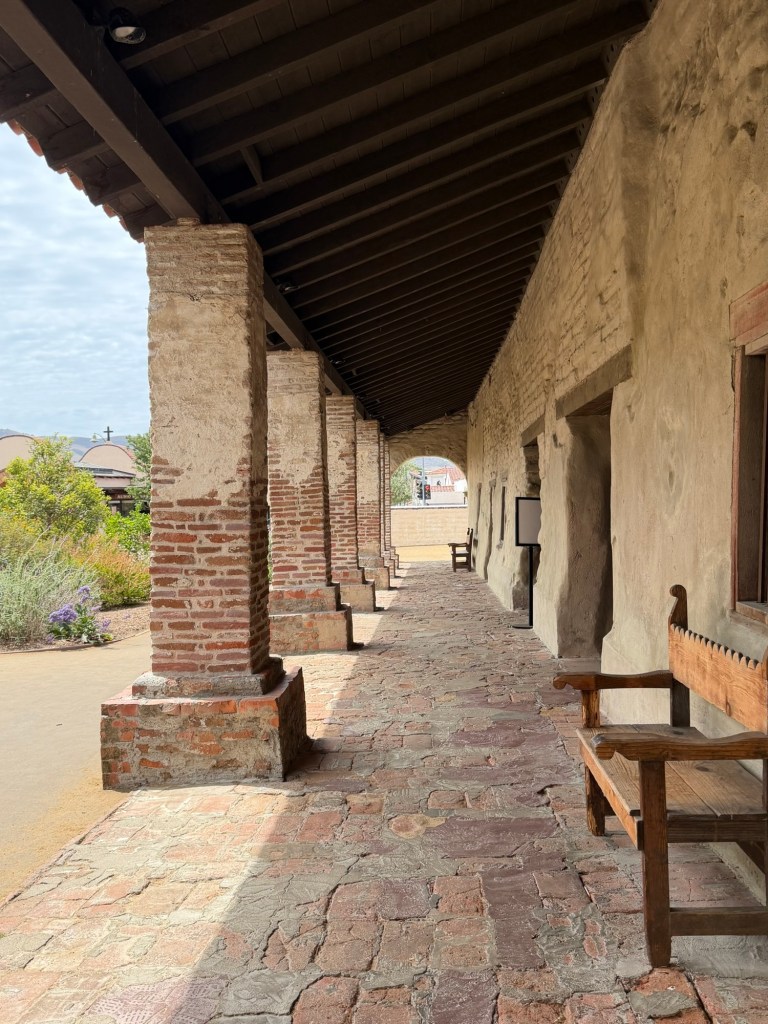
The quadrangle is lined with rooms that have been turned into museums and exhibits. Everything is thoughtfully organized, making it easy to learn about California’s history while also providing quiet spaces for prayer and reflection. Whether you’re a history lover, a photographer, or someone simply looking for a peaceful place to visit, this mission has something for everyone.
Two places stood out to me the most.
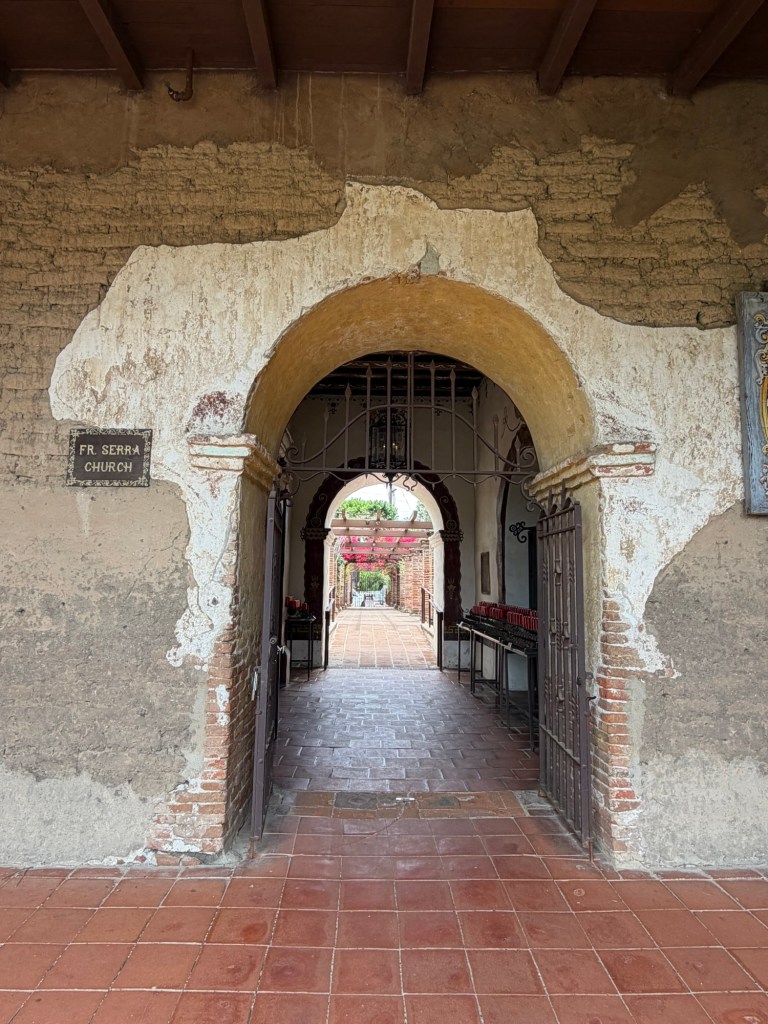
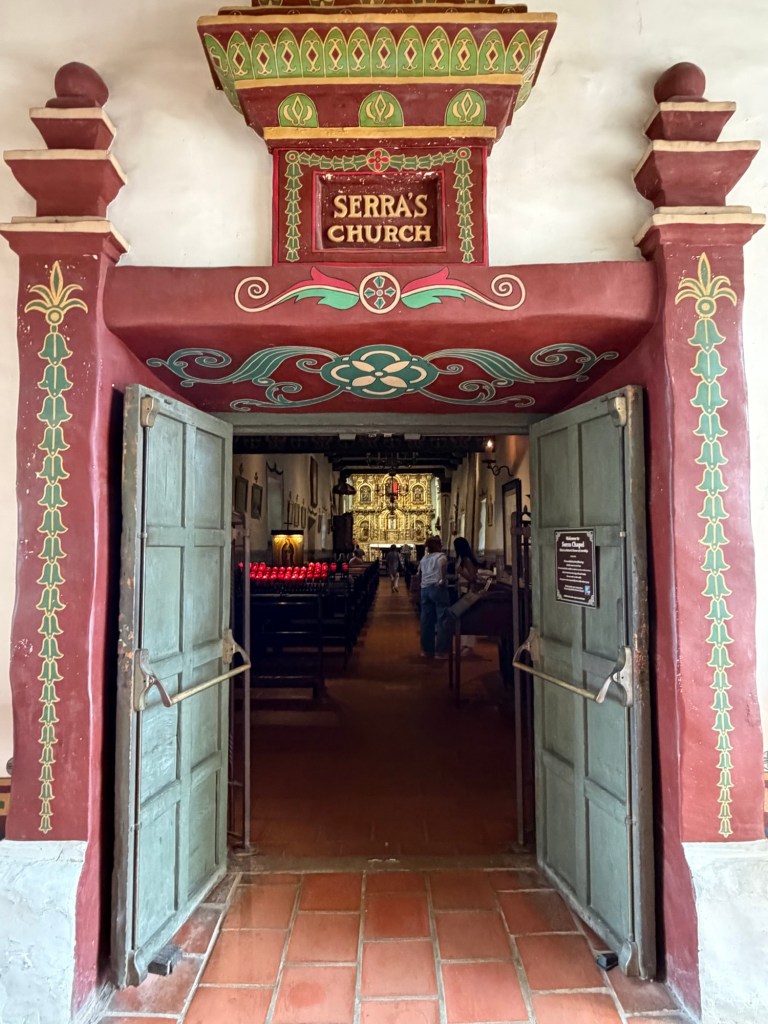
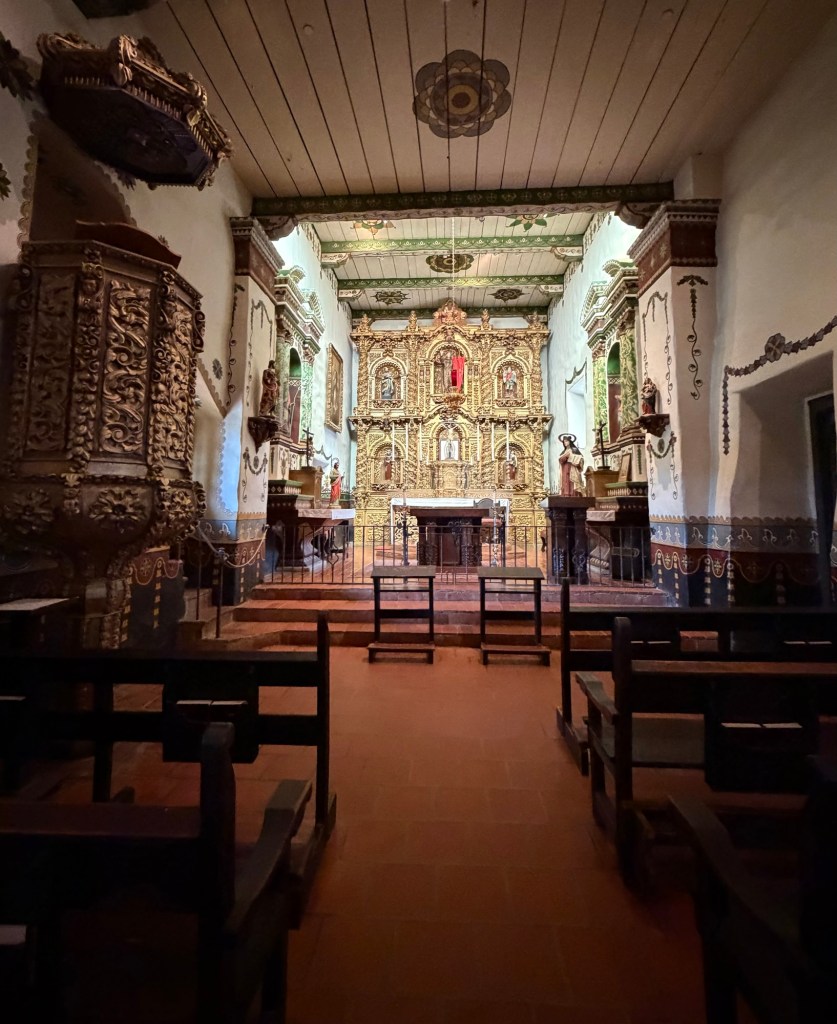
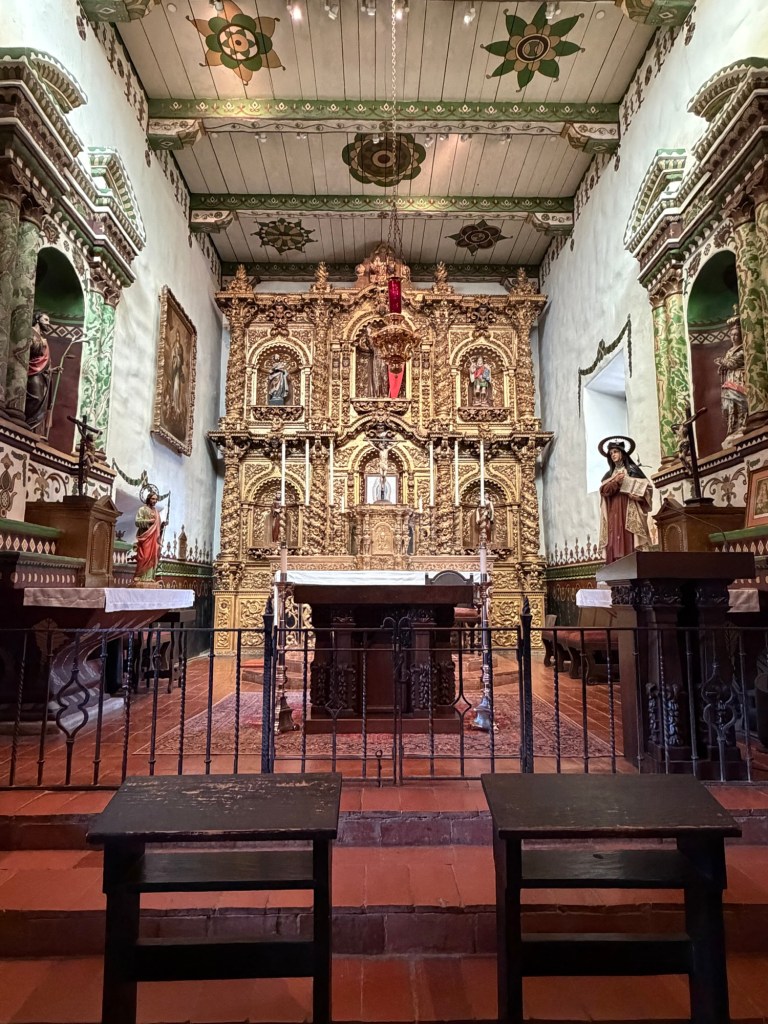
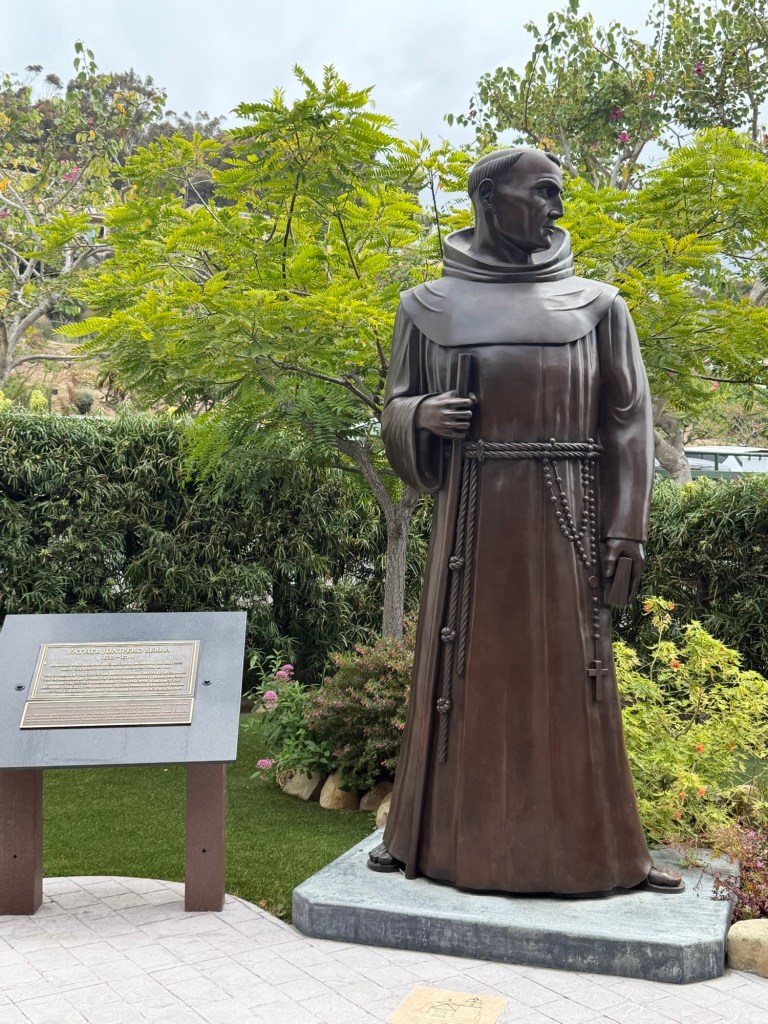
The first is Serra Church, the oldest church in California that is still in use. Built shortly after the mission was founded in 1776, it was here that Fr. Junípero Serra (Founder of California missions) himself celebrated Mass. Standing inside such a historic place was a special experience.
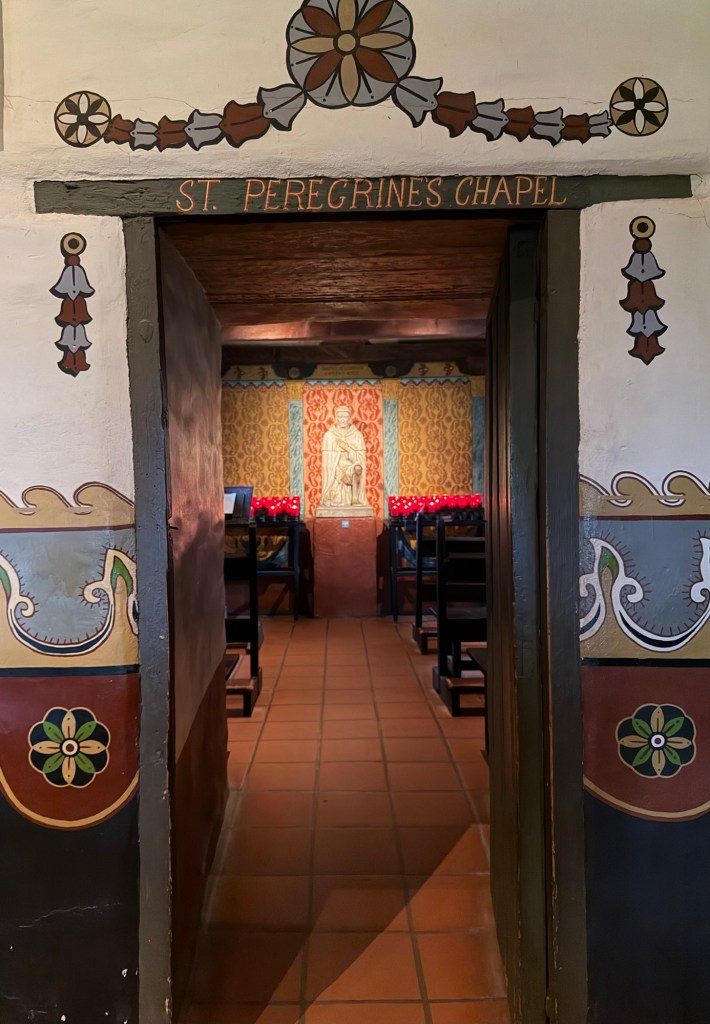
Visitors from near and far come to this small chapel of St. Peregrine to offer prayers for people living with HIV/AIDS, cancer, and other incurable illnesses.
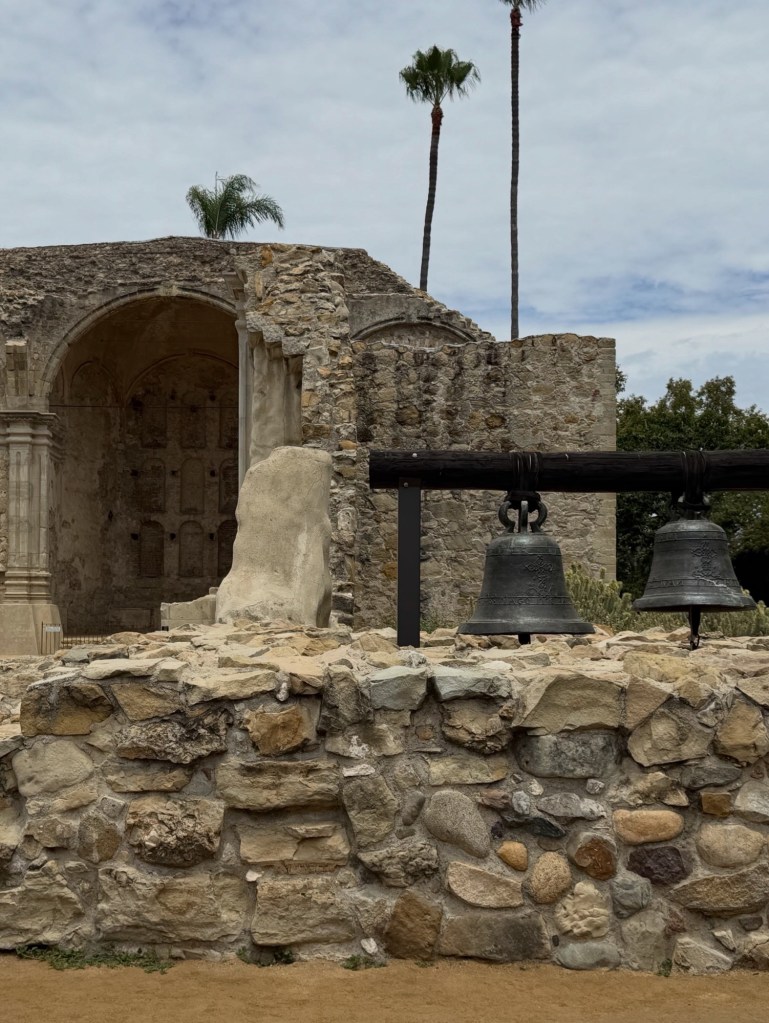
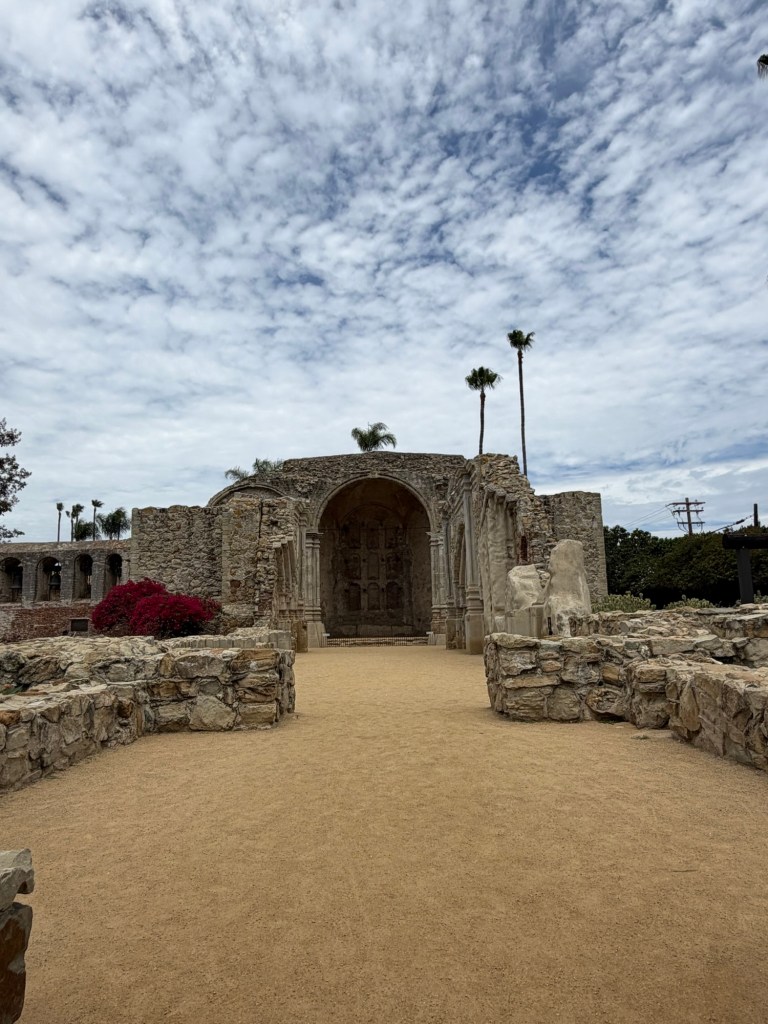
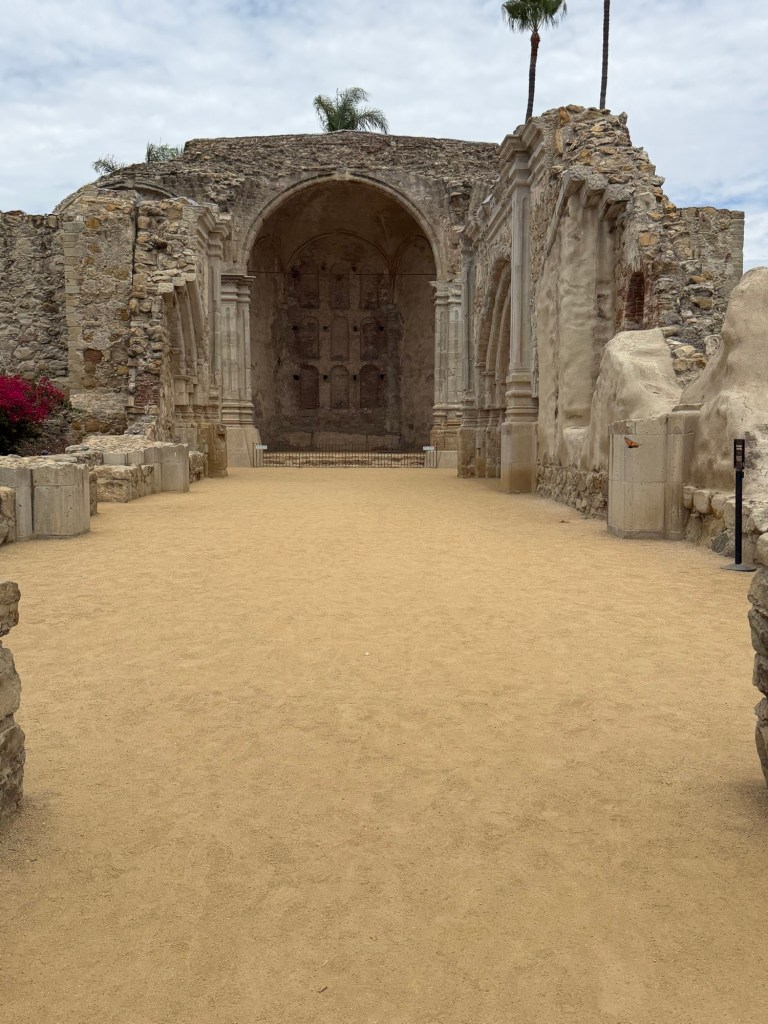
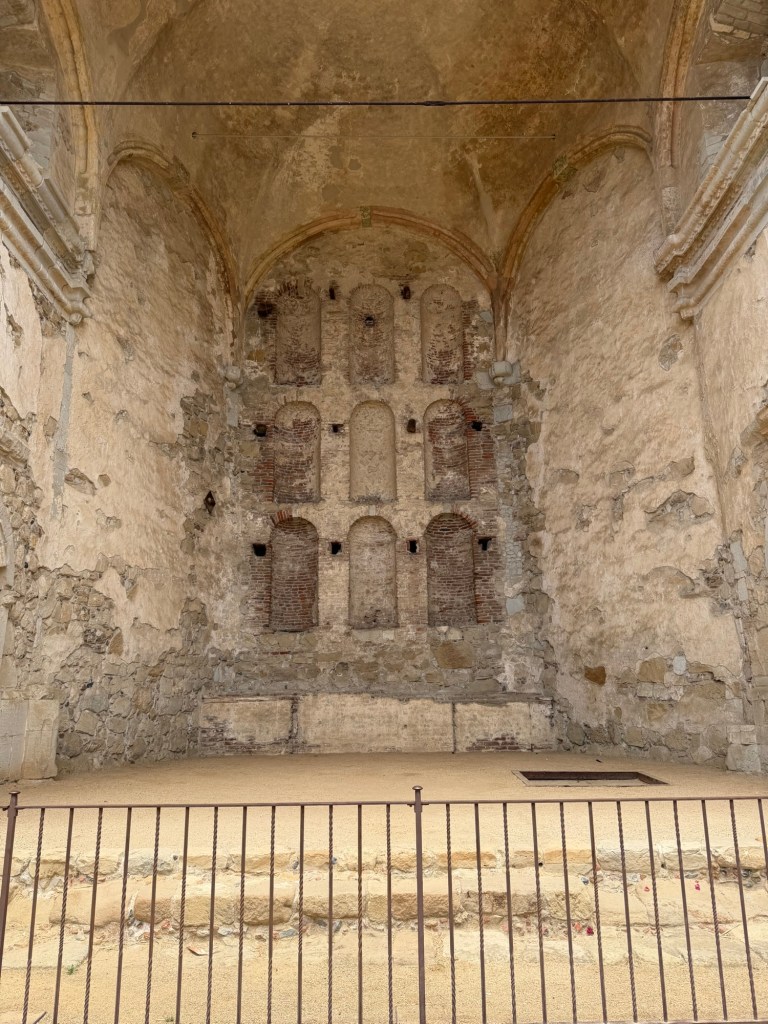
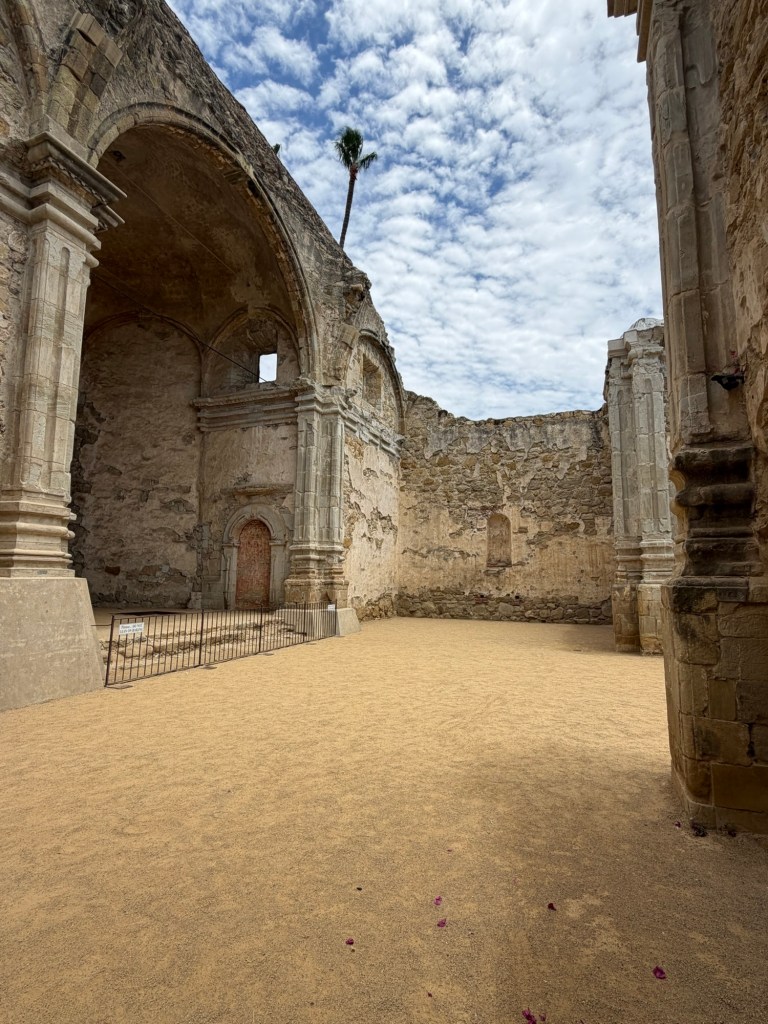
The second is the Great Stone Church Ruins, which completely took my breath away. It’s hard not to imagine how magnificent the church must have looked when it was still standing. Built between 1797 and 1806, it took nine years to complete. The massive stones were carved by local Native Americans and assembled using an ancient limestone-based mortar. Tragically, on December 8, 1812, a powerful 6.9-magnitude earthquake caused the church to collapse during the Feast of the Immaculate Conception, killing 40 people. After taking nearly a decade to build, it was only used for six years.
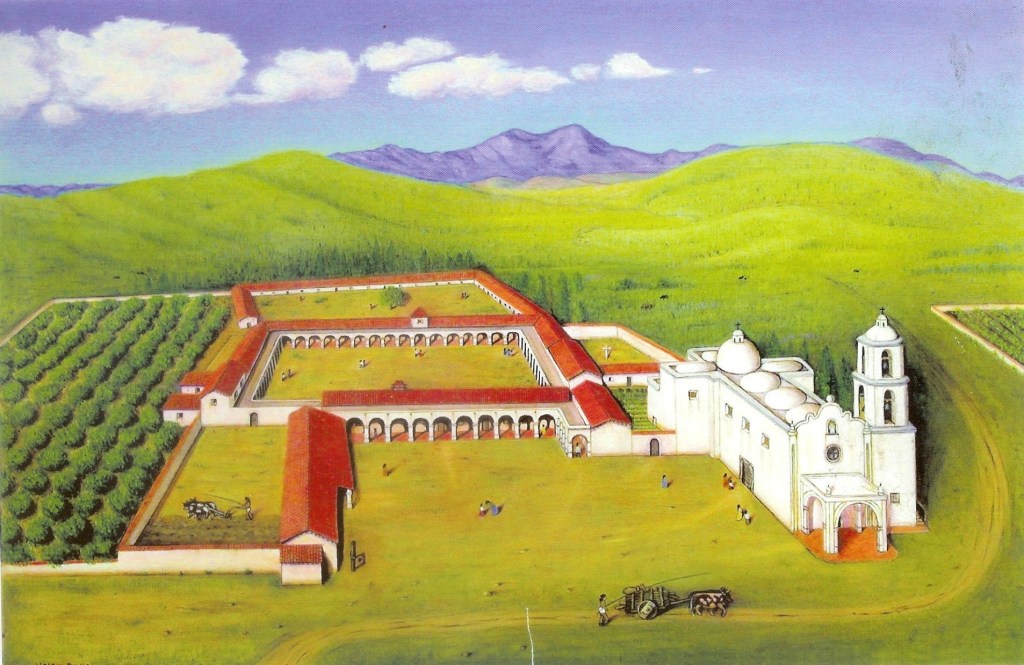
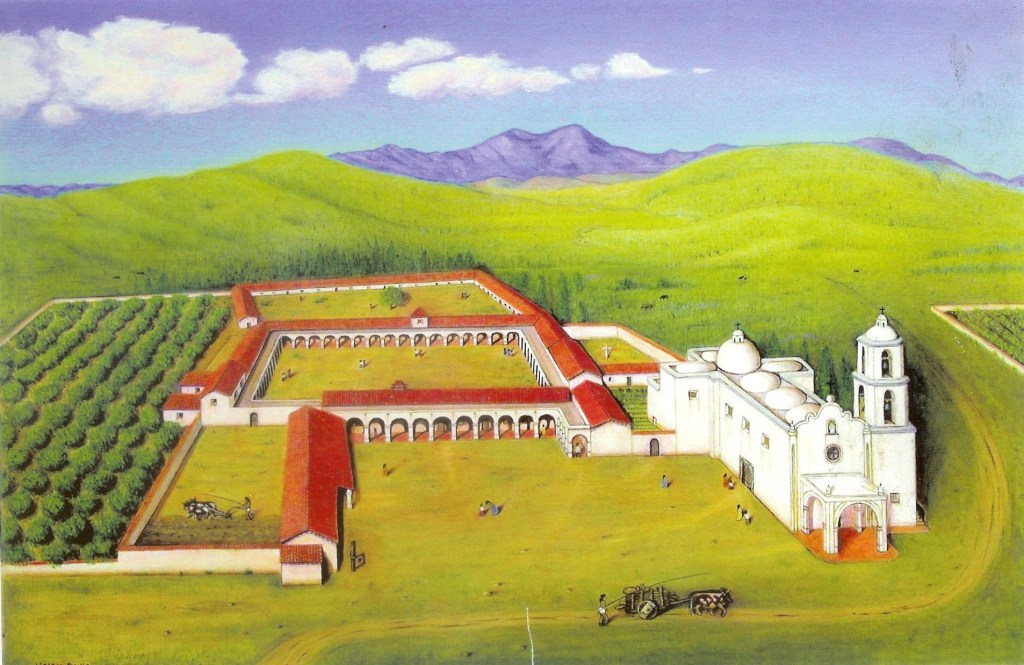
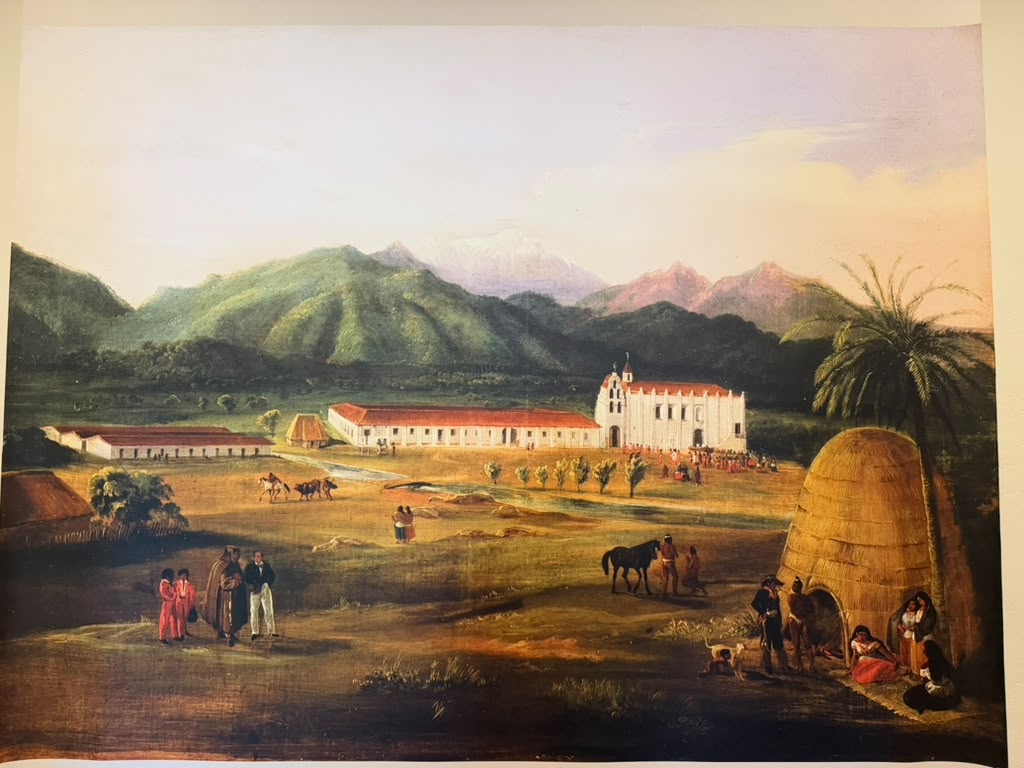
A glimpse into the past—the Great Stone Church still stands on the right in this early painting of the mission.Founded on November 1, 1776, Mission San Juan Capistrano celebrates its 250th anniversary alongside the 250th anniversary of America’s independence.
As I walked through the ruins, I couldn’t help but imagine the beauty and grandeur of the church in its prime. It also reminded me of the countless Native people whose labor, craftsmanship, and lives became part of this history. Their contributions deserve to be remembered alongside the beauty of the mission itself.
Out of the seven missions I’ve visited so far, Mission San Juan Capistrano has been the most memorable. It’s a place where history, faith, architecture, and nature come together beautifully. I already know I’ll be coming back.
Five years ago, on the Fourth of July, I arrived in California. While fireworks filled the sky, I was beginning a new chapter of my own, not knowing how much my life would change.
If California has taught me anything, it’s that growth comes from stepping outside your comfort zone.
When I first arrived, I was incredibly shy and lacked confidence. Living in Los Angeles changed that. This city has a way of pushing you to adapt, speak up, and become stronger.
Driving is the perfect example. I used to be terrified of freeways and would take surface streets whenever I could. Today, I actually prefer driving on the freeway because I find it safer and more predictable. Ironically, I was rear-ended in a car accident earlier this year. It shook me, but it also reminded me that setbacks don’t have to define us.
April 9, 2026 @ 8:30pm – The date and time I will never forget.
My relationship with California is complicated. I love its coastline, diversity, road trips, and endless places to explore. At the same time, I don’t love the traffic, the cost of living, or the fast pace. But maybe that’s why I appreciate it so much—the places that challenge us often shape us the most.
Over the past five years, I’ve also fallen in love with learning. Visiting missions, museums, historic landmarks, and Indigenous sites has given me a much deeper understanding of California. That curiosity led me to explore the history of the United States as well. The more I learn, the more I realize that history is complex, and understanding it has changed the way I see this country.
Mission San Diego de Alcala
As a Filipino, I’ve learned that appreciating a place means learning its story, not just admiring its beauty.
Every Fourth of July now has a special meaning for me. It’s not only America’s Independence Day—it’s also the anniversary of the day my California journey began.
If I could give one piece of advice to the person who arrived here five years ago, it would be this:
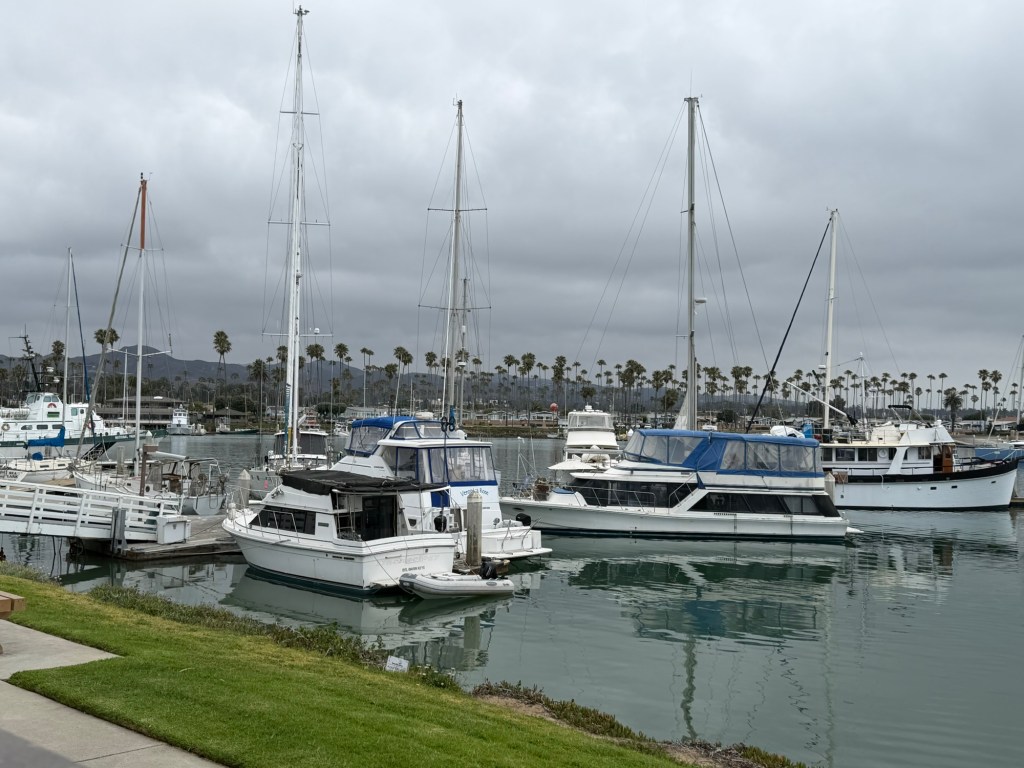
I left Los Angeles at 8:00 a.m. on a Saturday, hoping to beat the usual traffic. It turned out to be a great decision. The drive to Ventura took only about 1 hour and 10 minutes.
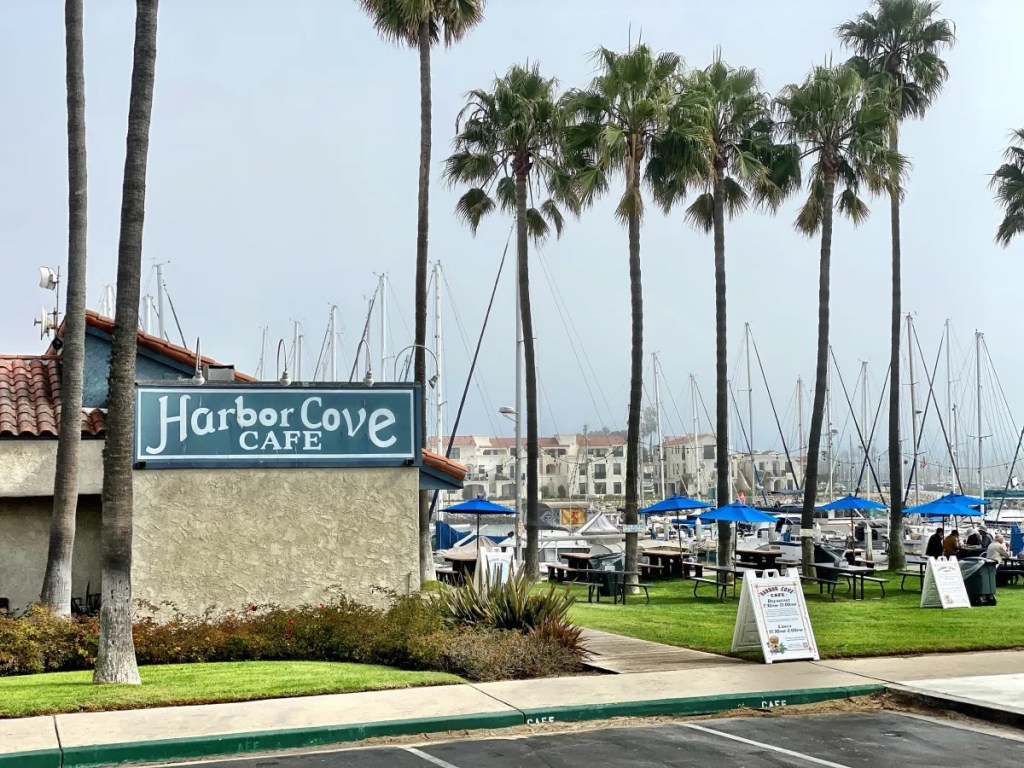
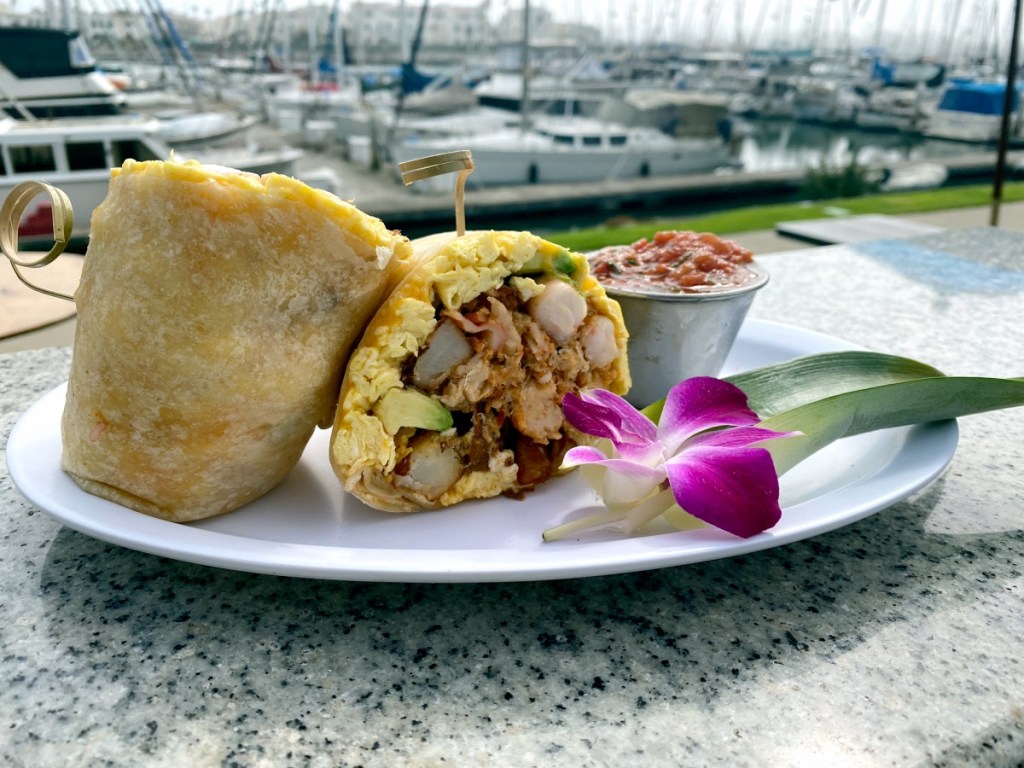
Before beginning my visit, I stopped by Harbor Cove Café for breakfast. I ordered their breakfast burrito, and it was easily one of the best I’ve ever had. It was the perfect way to start the day before exploring another chapter of California’s history.
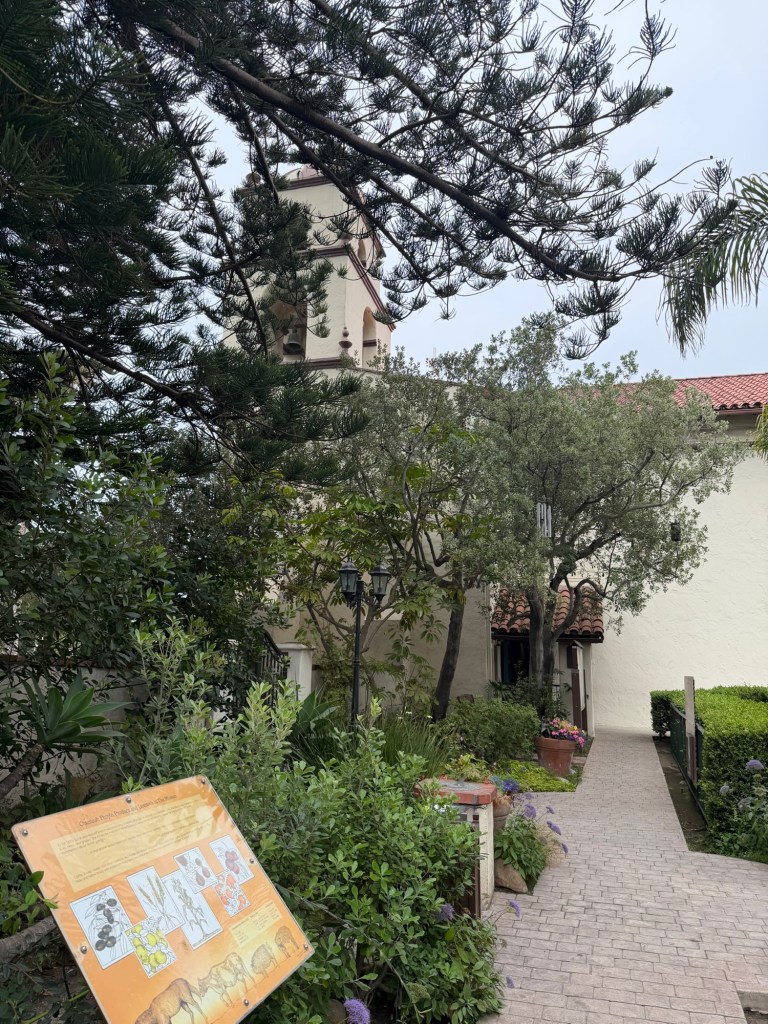
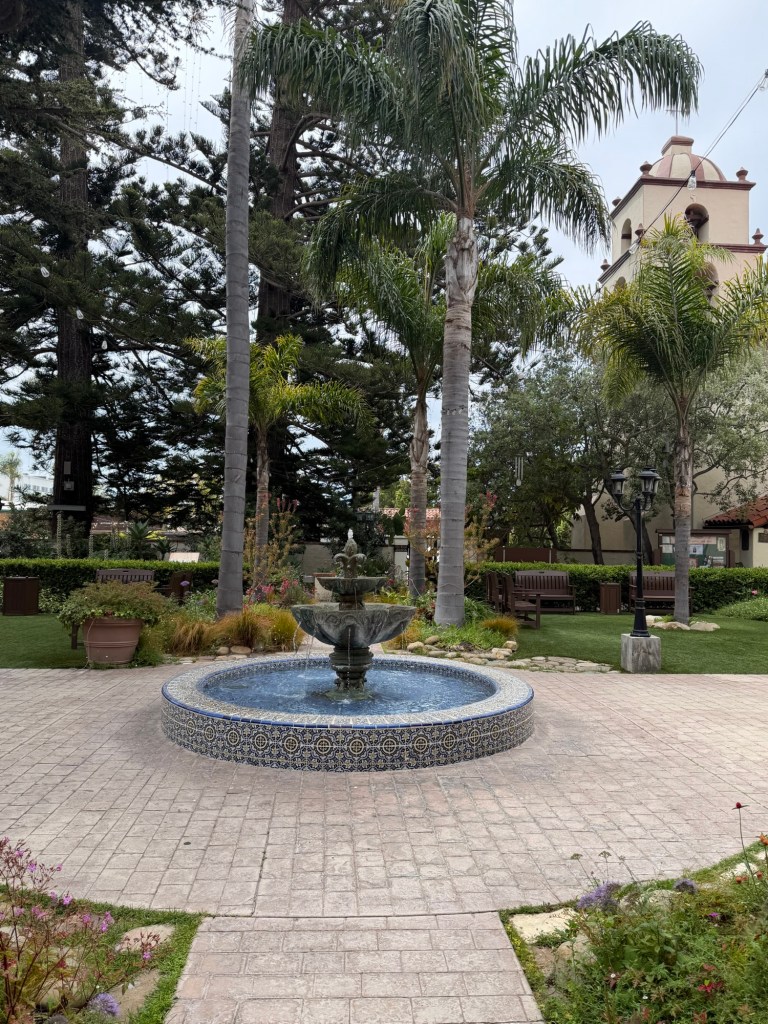
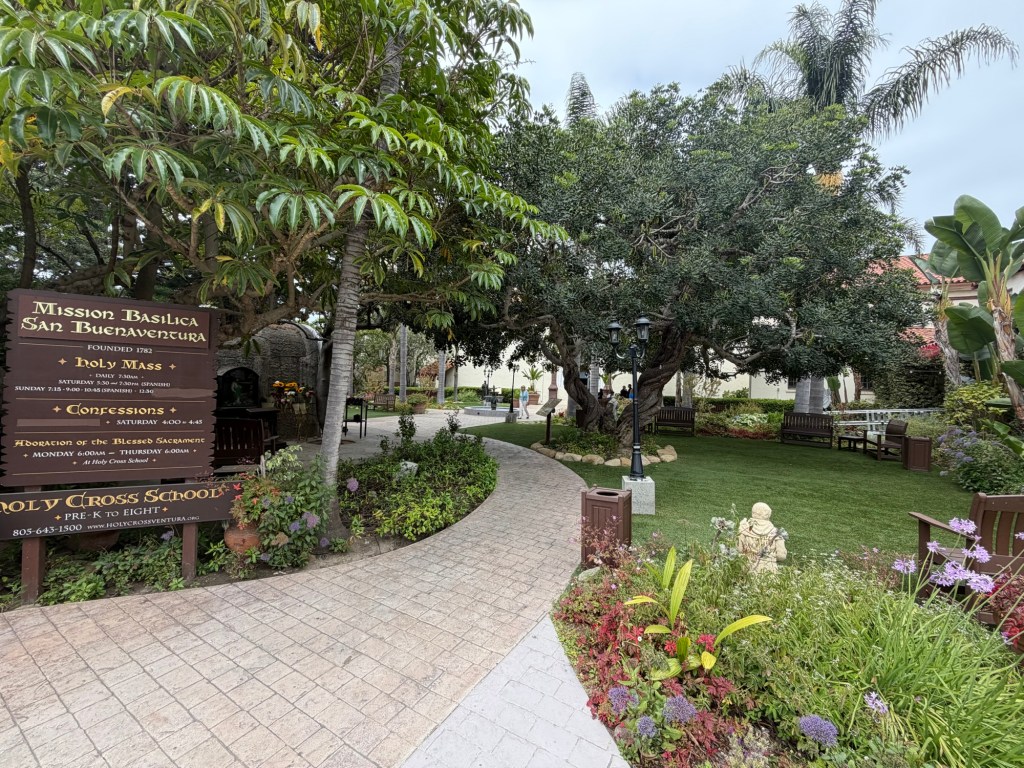
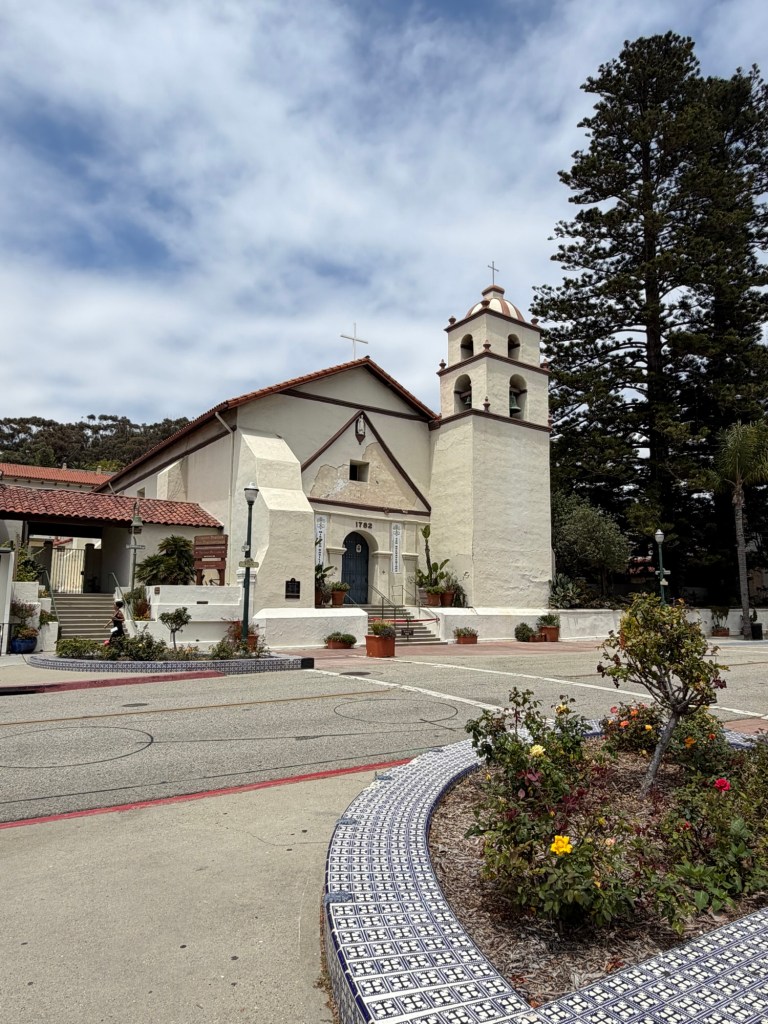
From there, I drove straight to Mission San Buenaventura, conveniently located in the heart of Downtown Ventura. The mission is easy to find, and one thing I immediately appreciated was the abundance of free public parking nearby.
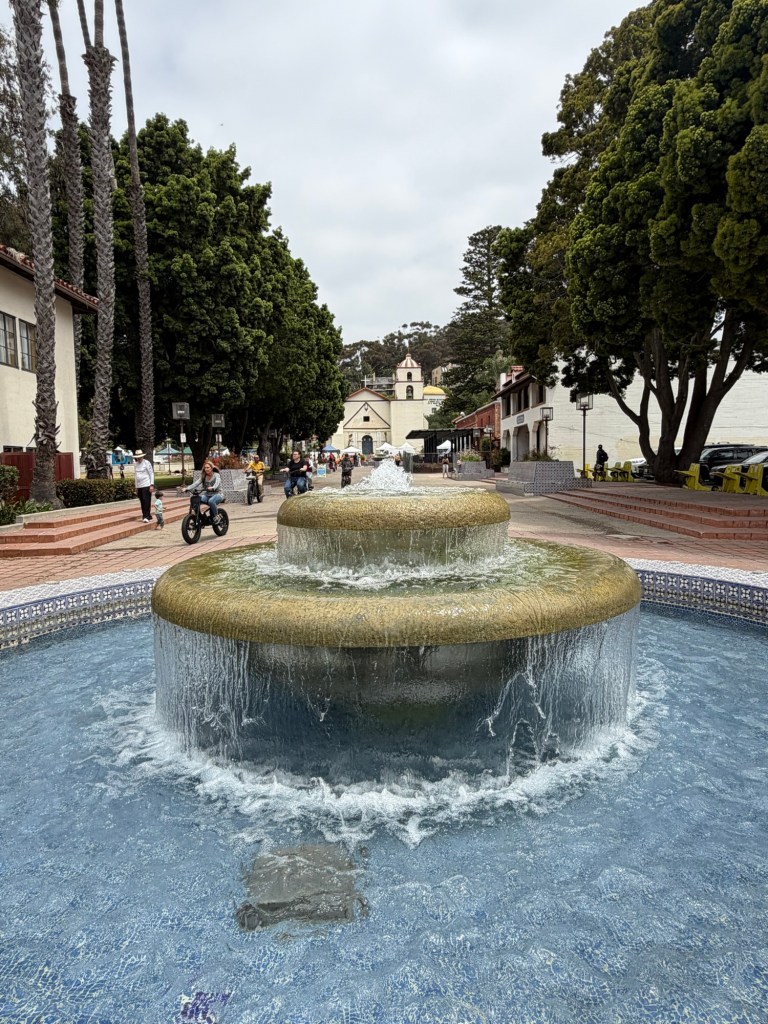
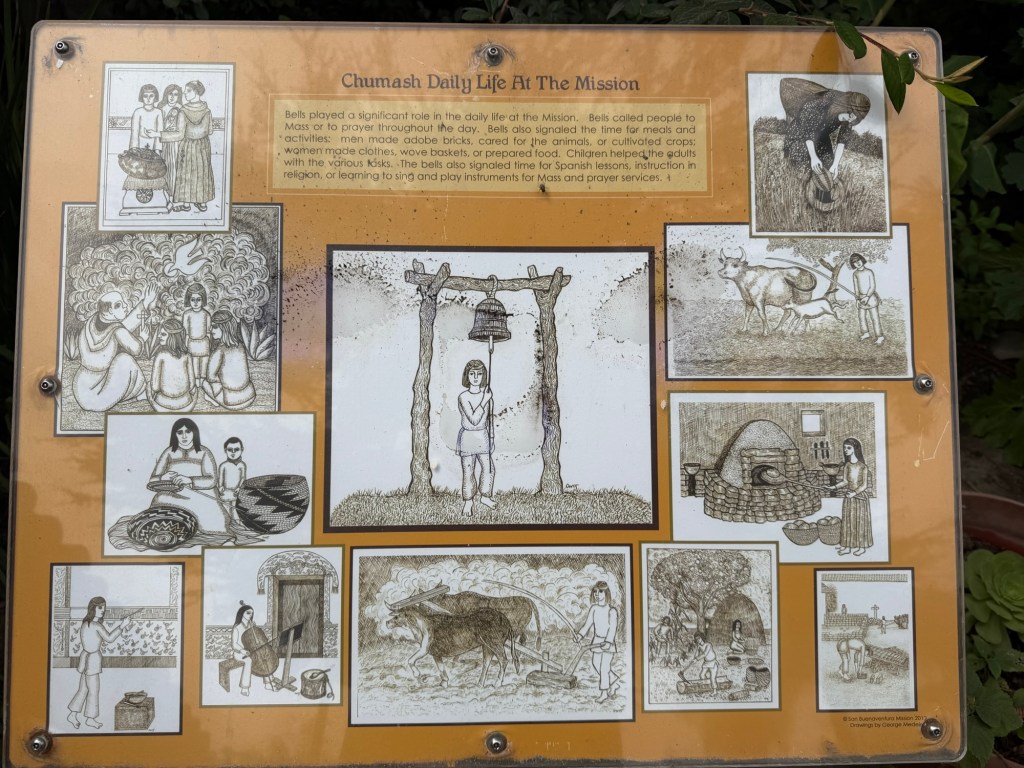
The exterior of the mission is beautiful and welcoming. Standing in front of the church are two elegant fountains connected by flowing water. As I learned more about the mission, I discovered that Mission San Buenaventura was once supplied by an impressive seven-mile aqueduct system built largely through the labor and engineering of the Chumash (Native Californians). Seeing the fountains made me wonder if they are connected to that remarkable water system or inspired by it. It’s a reminder that behind these beautiful structures were Native people whose knowledge, labor, and resilience made them possible.
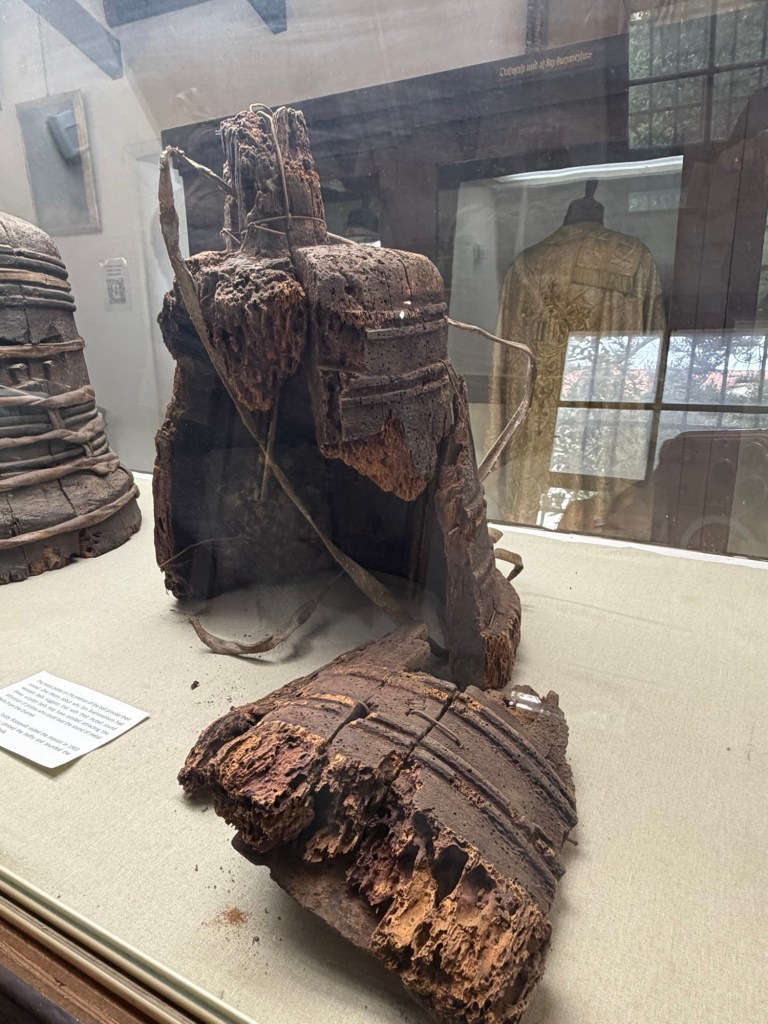
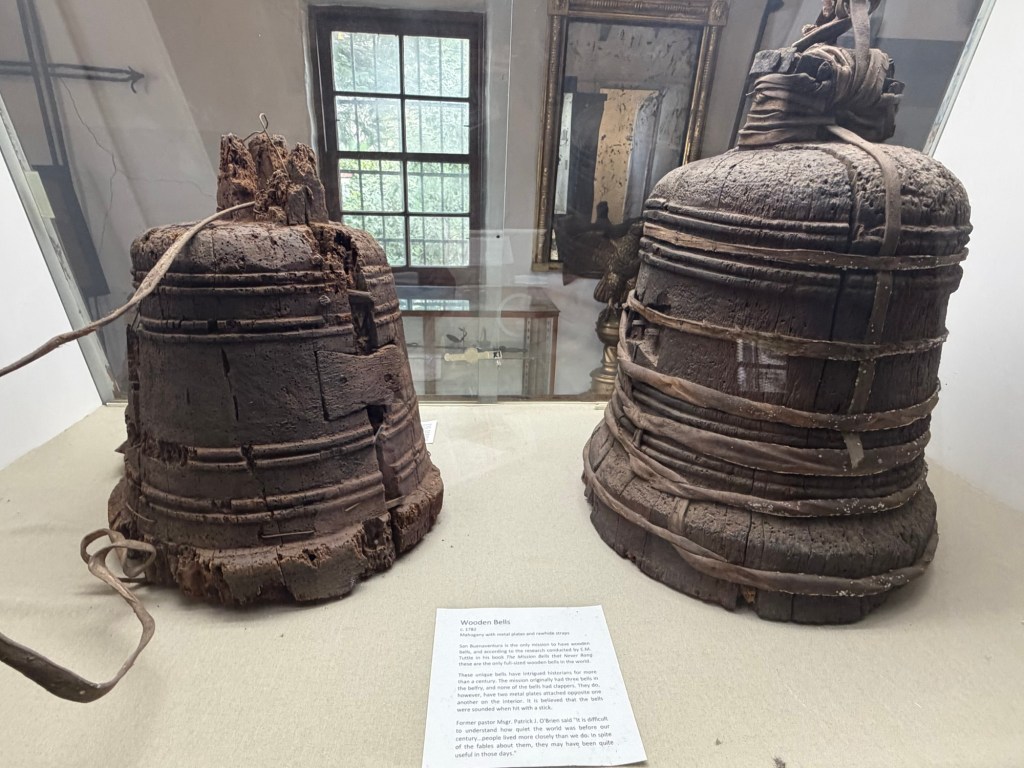
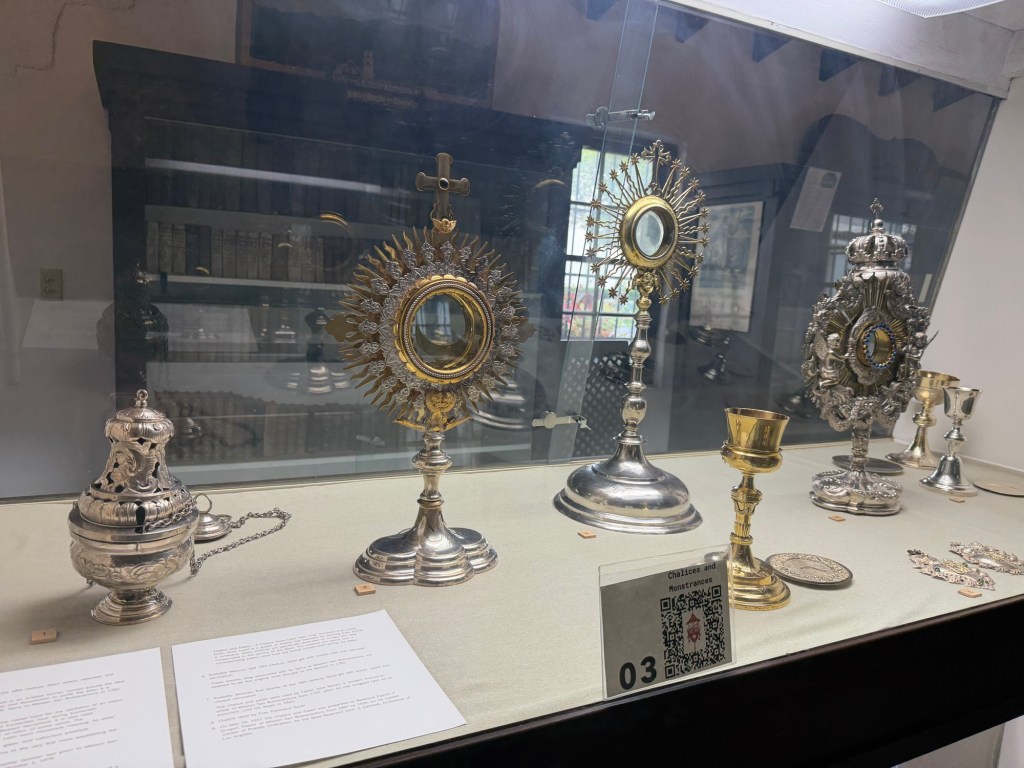
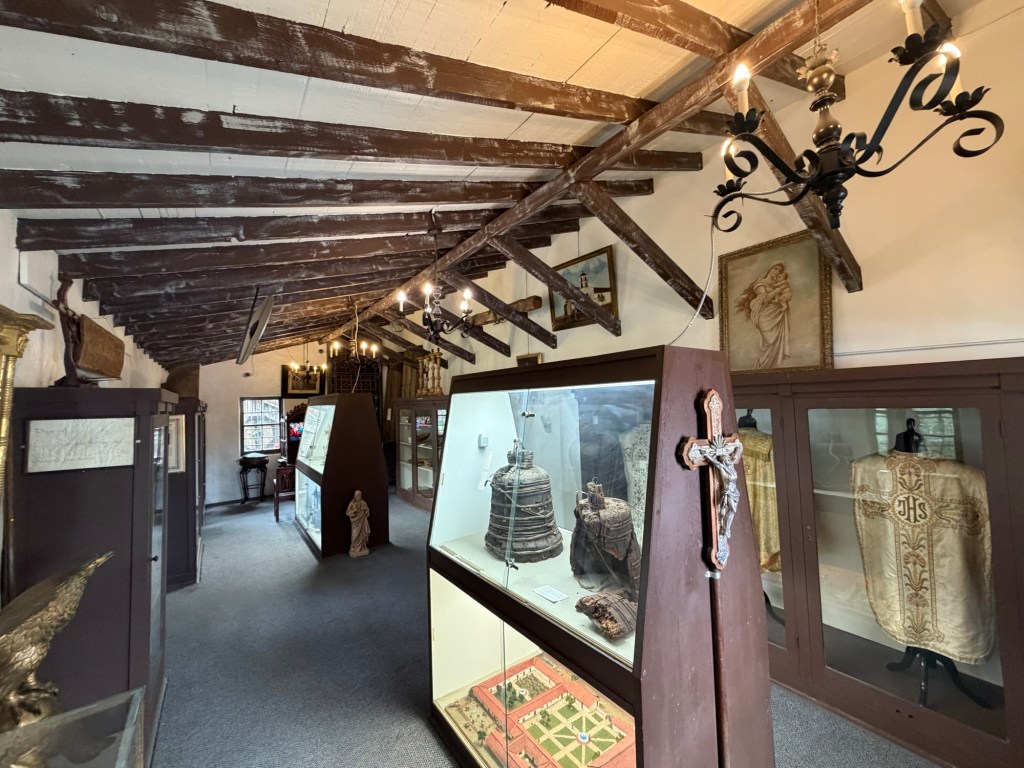
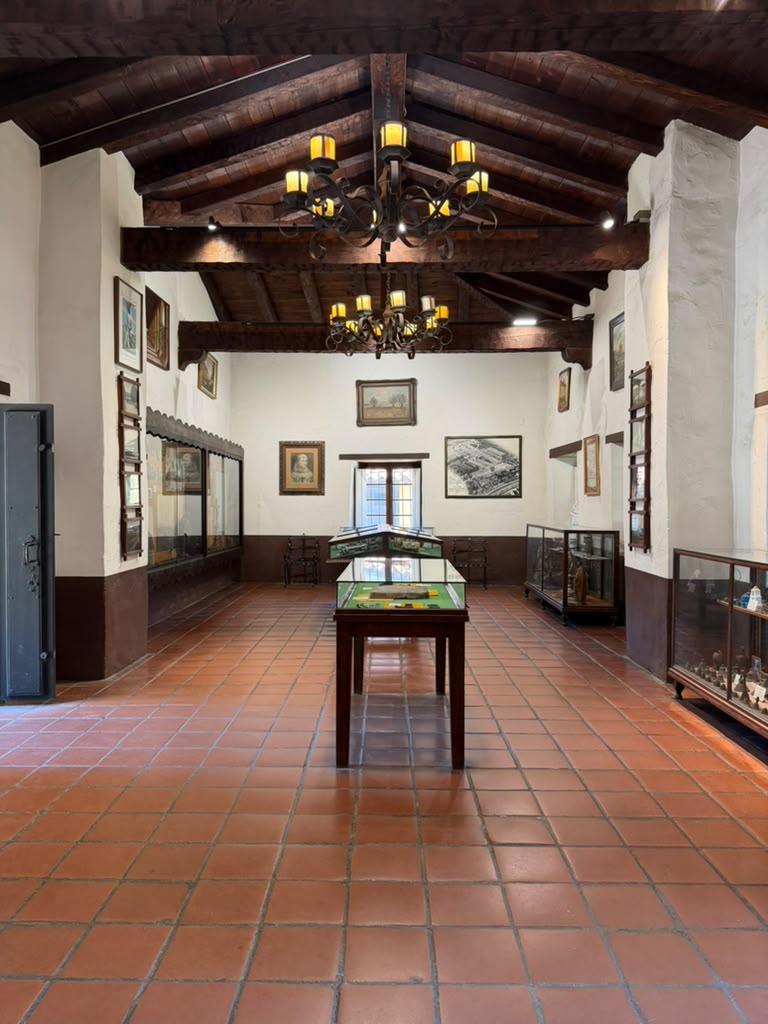
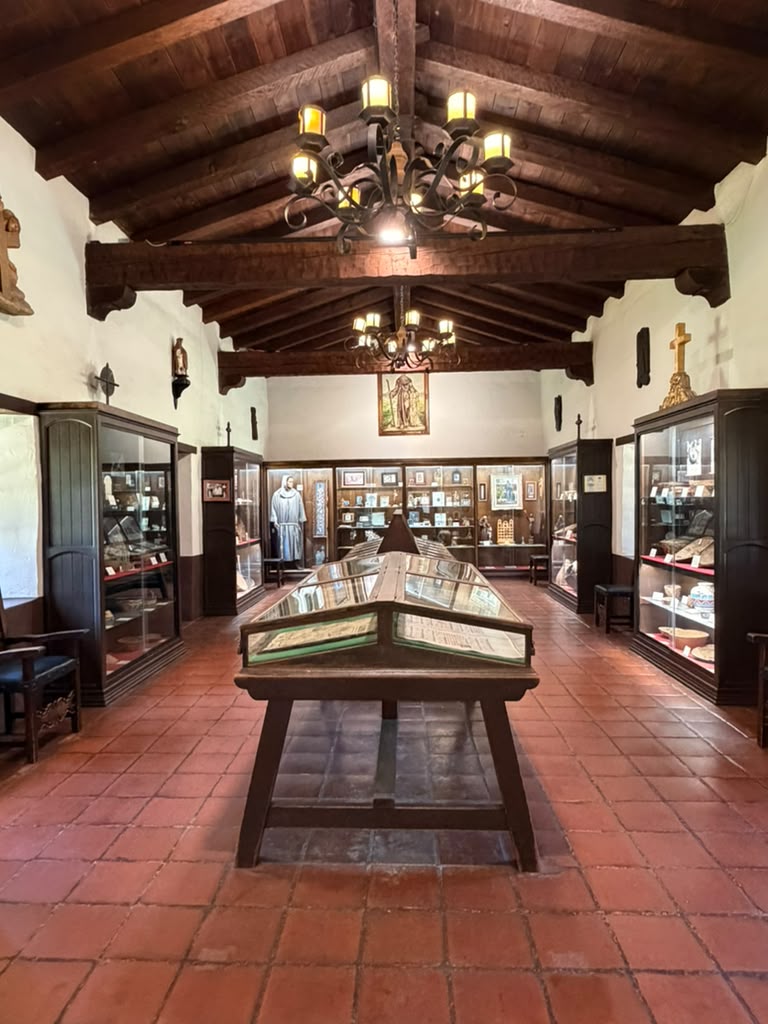
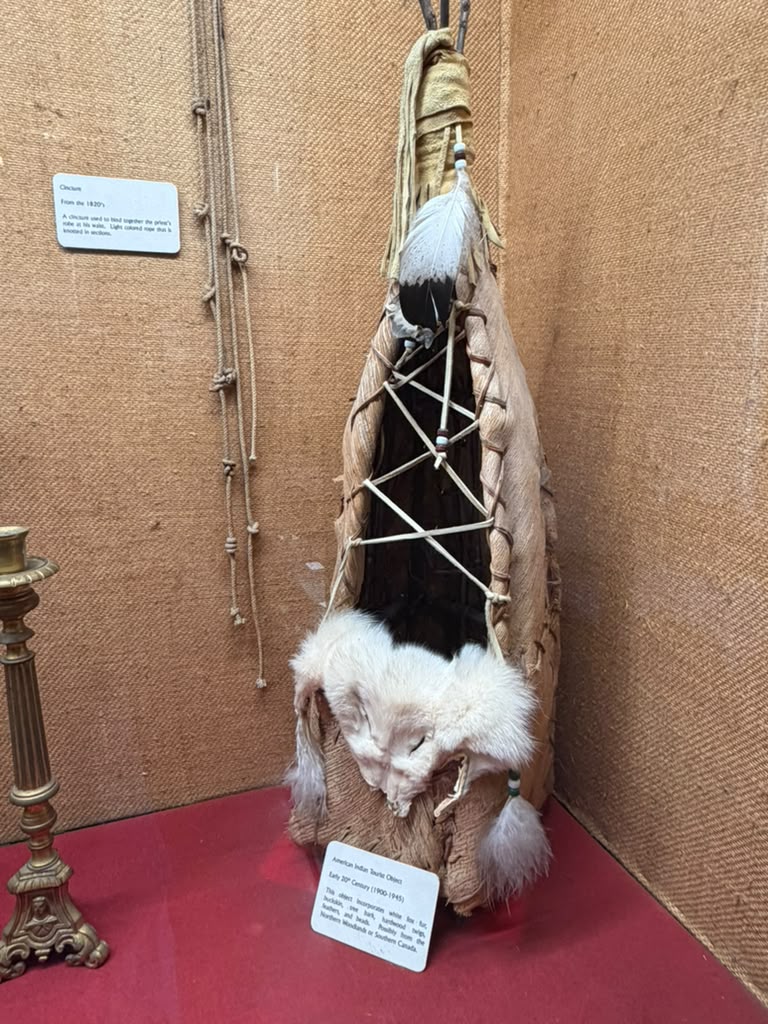
Before entering the church, I visited the small museum next door. Though modest in size, it contains a fascinating collection of artifacts that help tell the story of the mission. One item that especially caught my attention was the beautifully crafted wooden bell, a unique piece that stood out among the exhibits.
The museum also features a short video acknowledging the painful history of California’s missions. Rather than presenting only a romanticized version of the past, it speaks about learning from past mistakes and the importance of reconciliation with Native Americans. I found that especially meaningful, and I plan to write a separate blog dedicated to that subject.
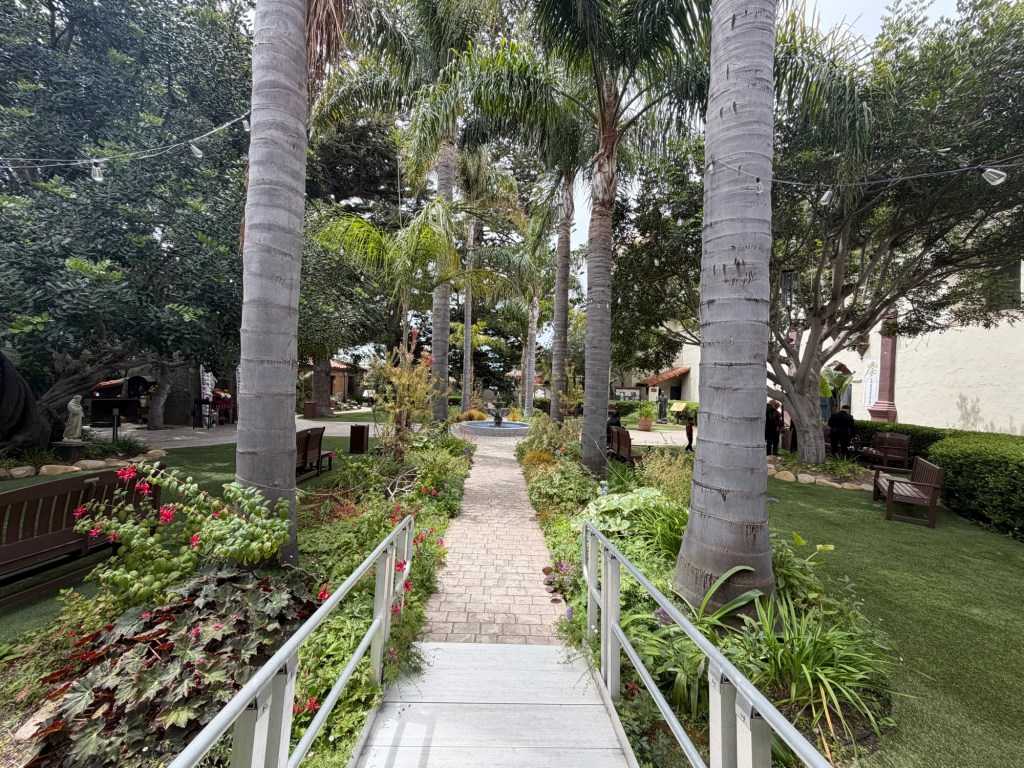
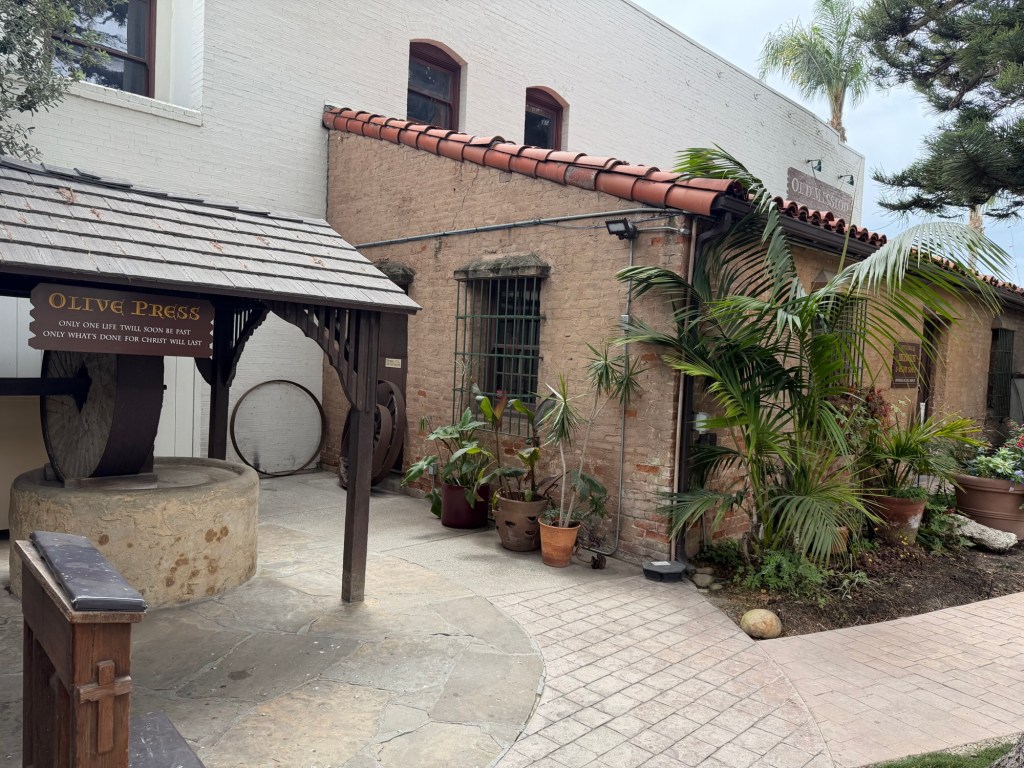
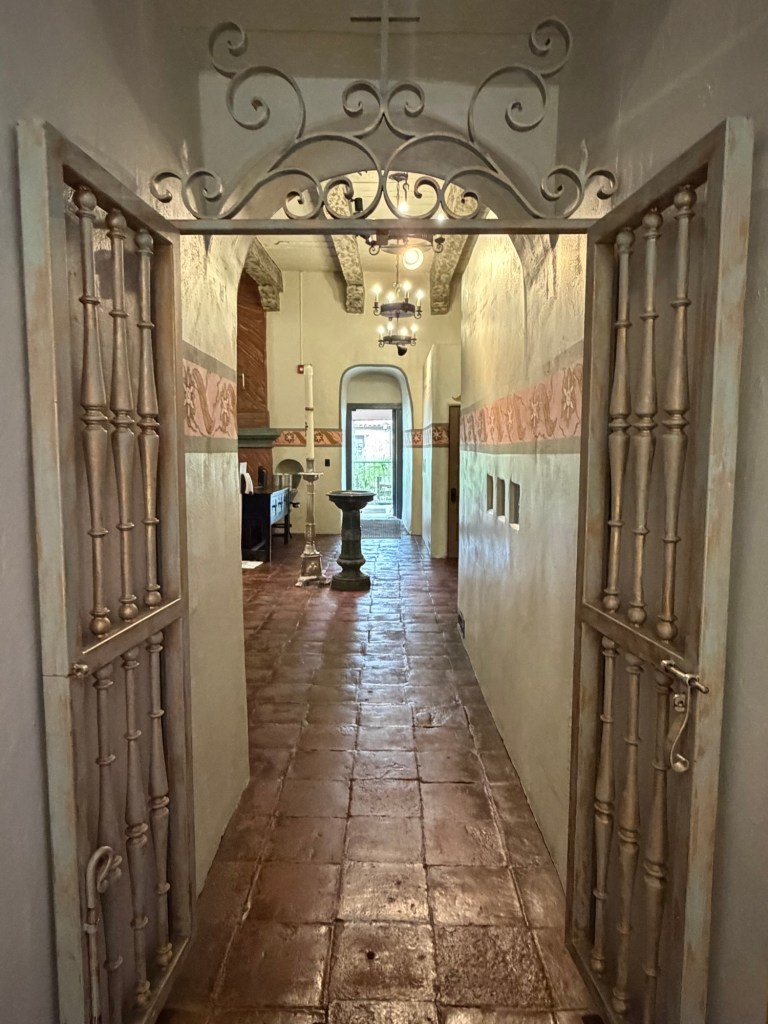
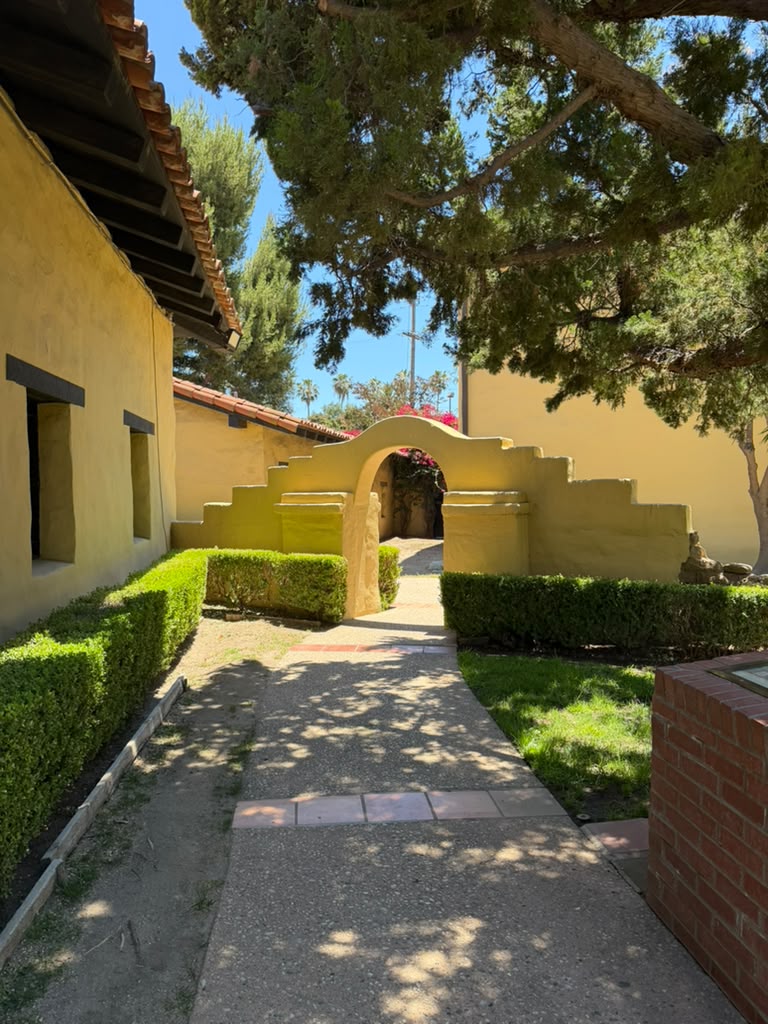
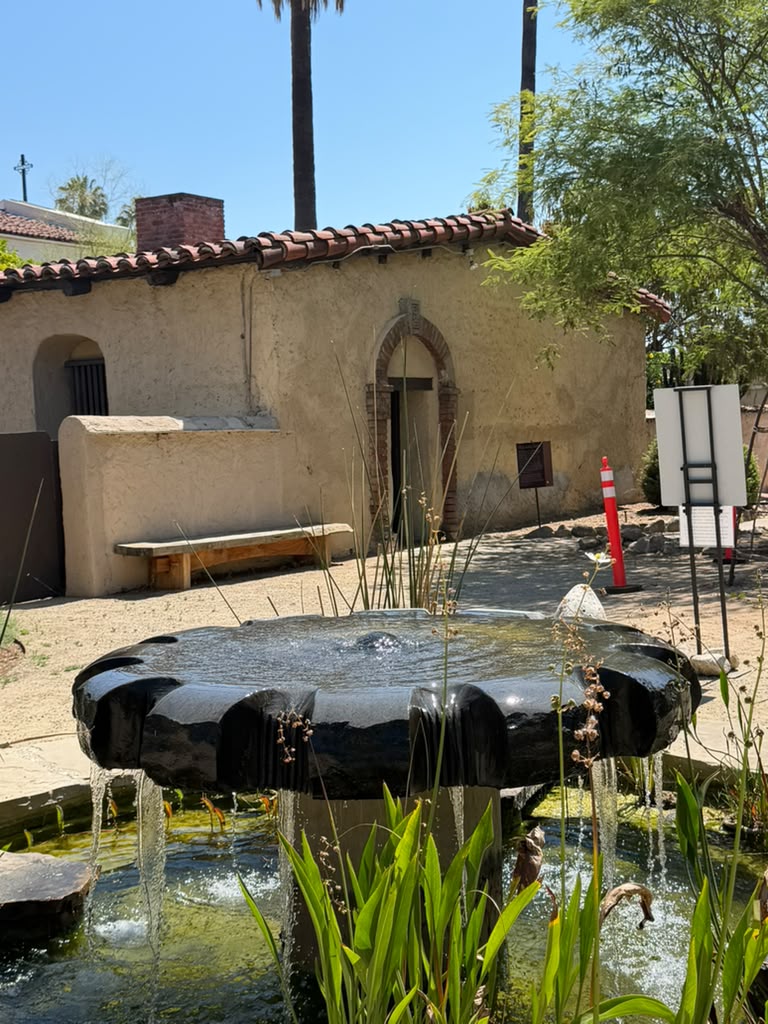
After spending time inside the museum, I wandered into the mission’s peaceful courtyard. It felt like stepping away from the busy streets of downtown Ventura into a quiet sanctuary. The garden is beautifully maintained, with colorful flowers, mature trees, and shaded walkways that invite visitors to slow down and reflect.
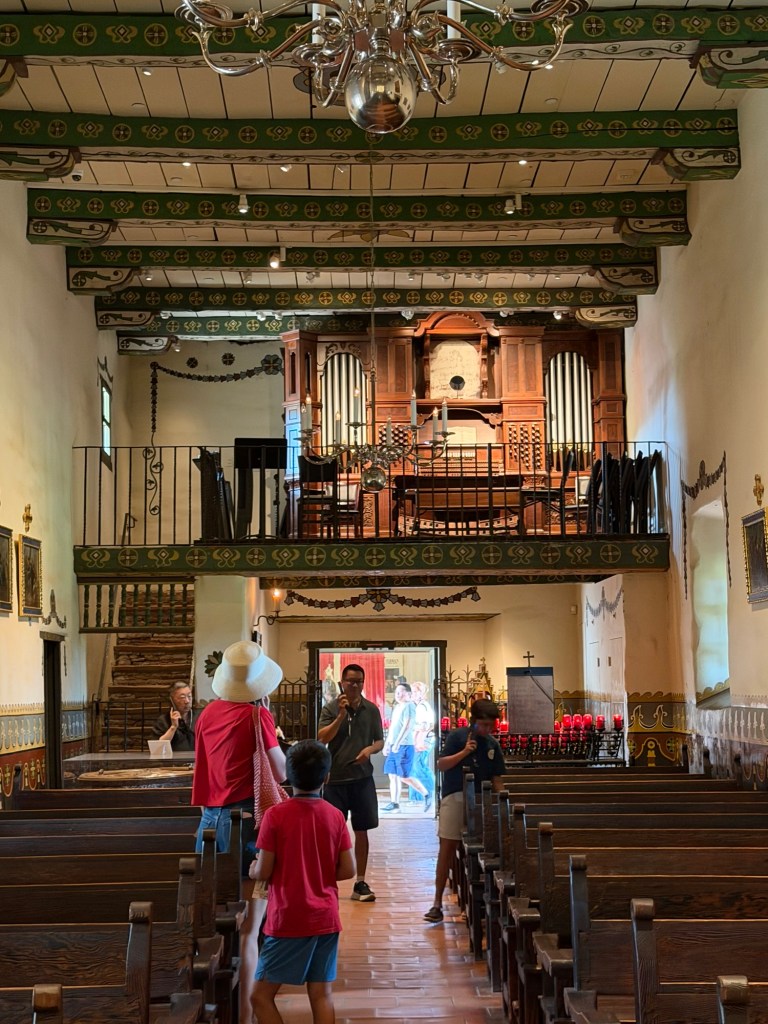
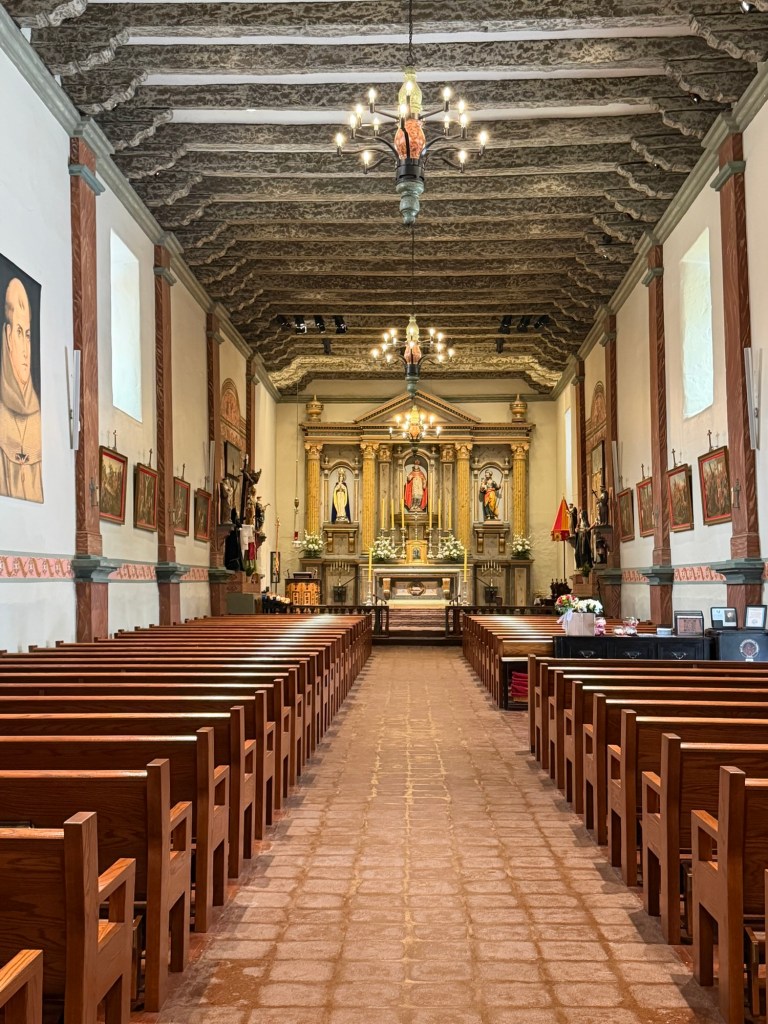
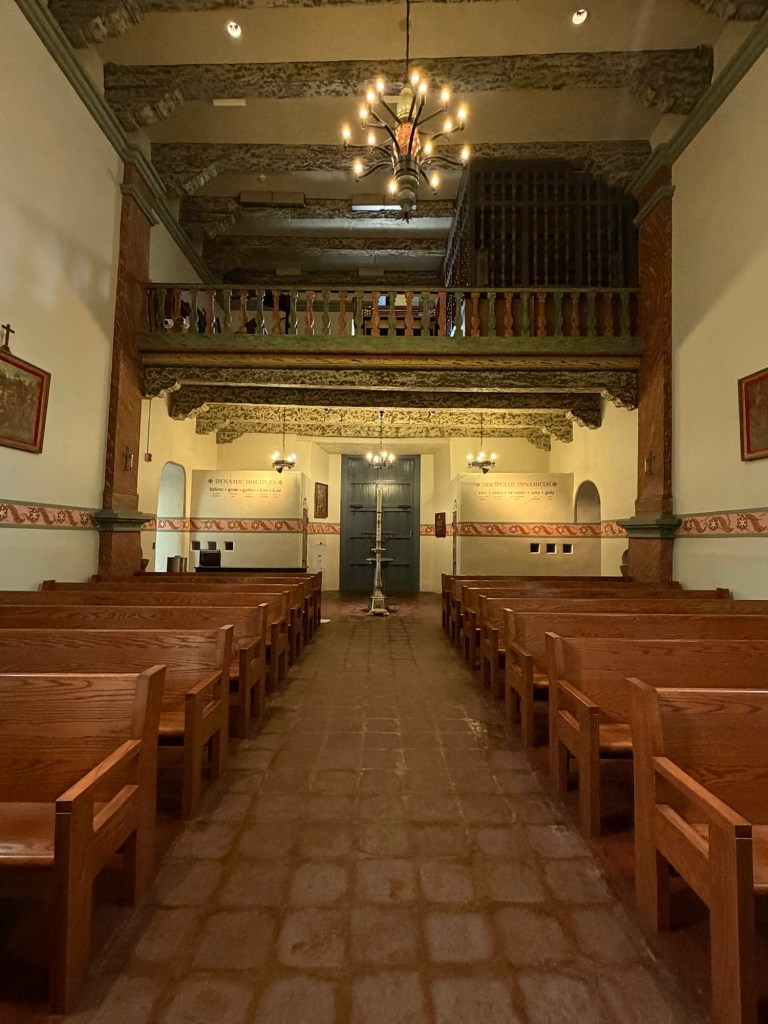
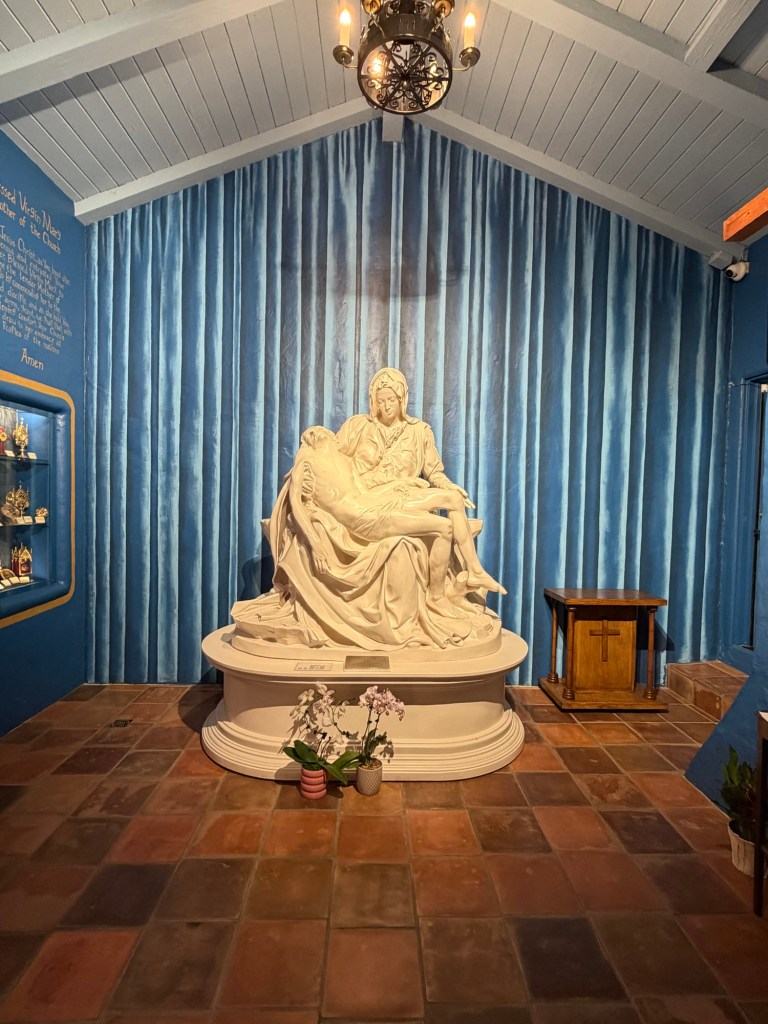
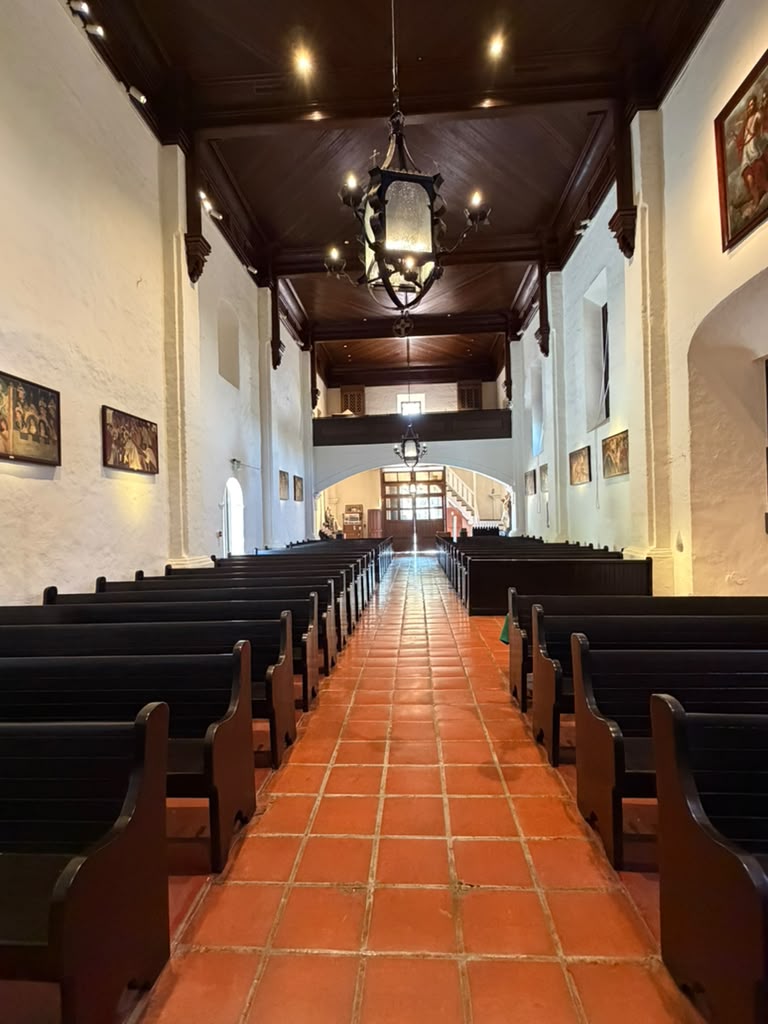
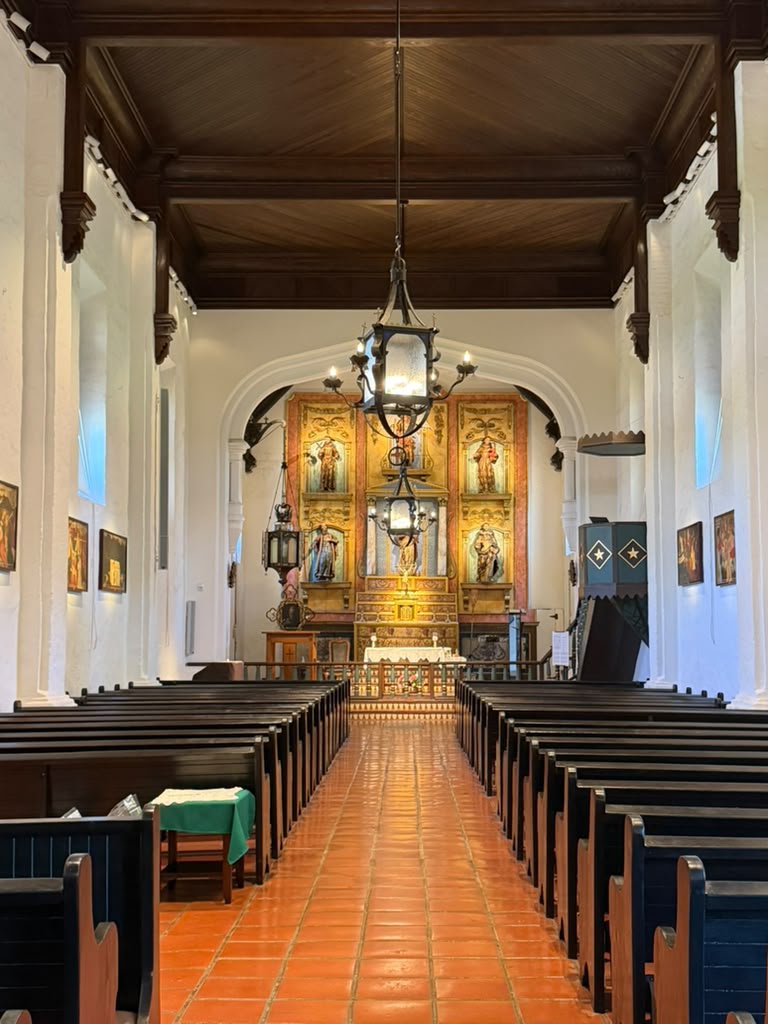
Stepping inside the church was a peaceful experience. The sanctuary is simple yet breathtaking, filled with natural light that highlights its white walls and historic architecture. Despite being one of California’s oldest missions, the church feels alive, continuing to serve both as a place of worship and as a living piece of history.
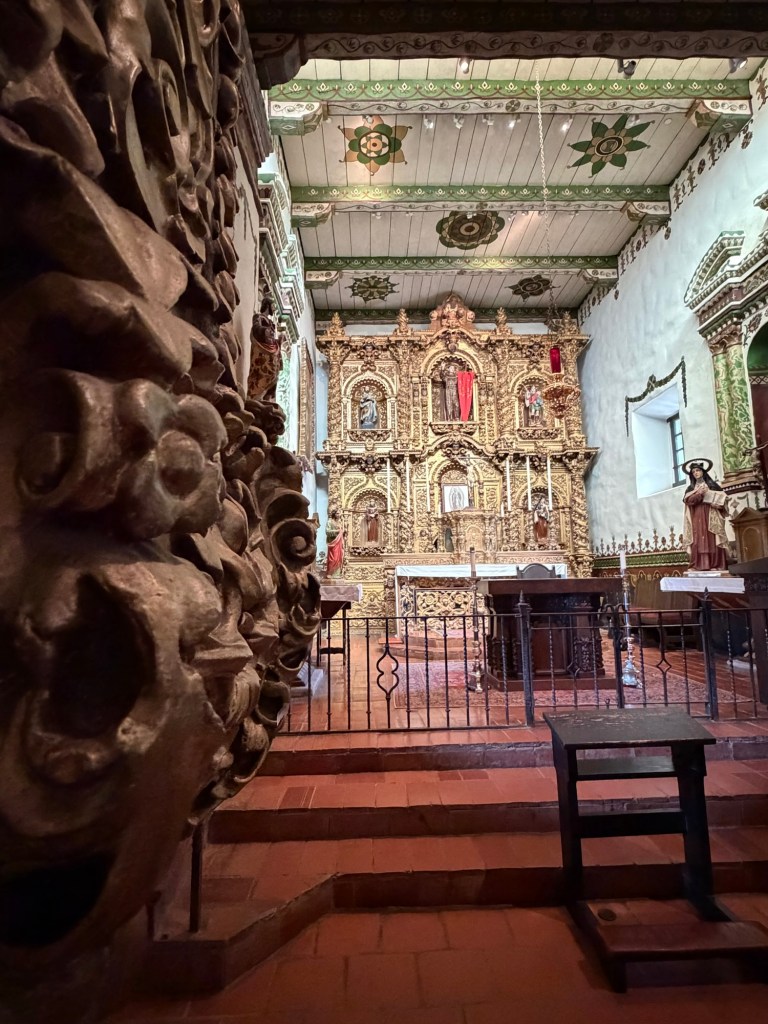
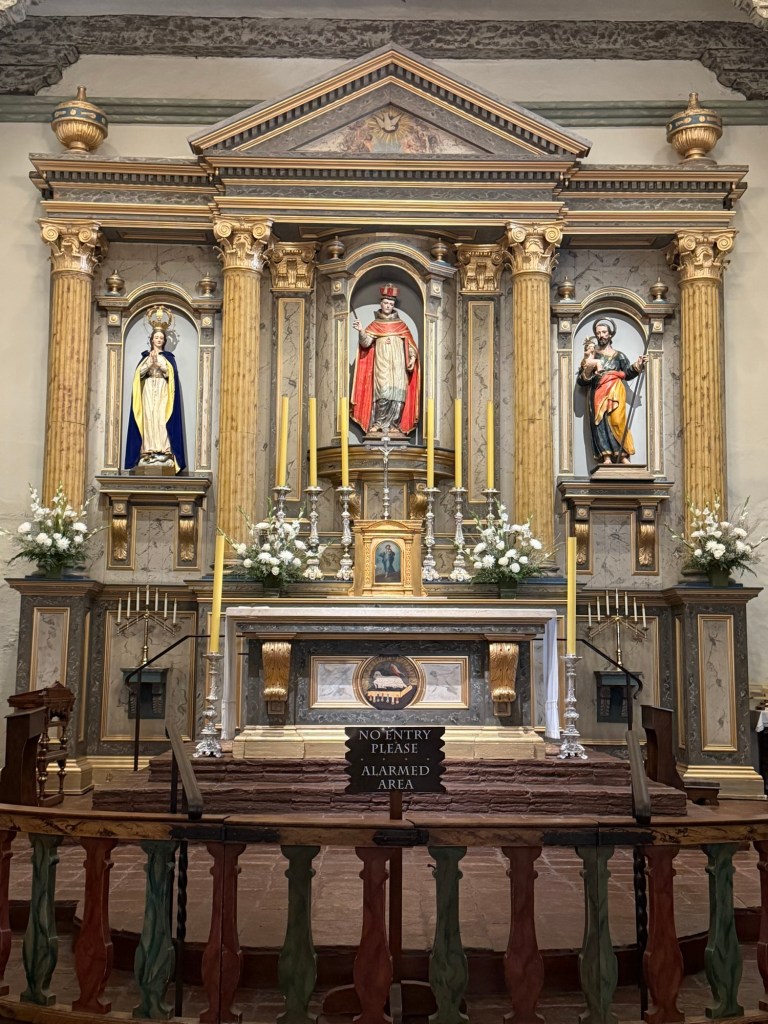
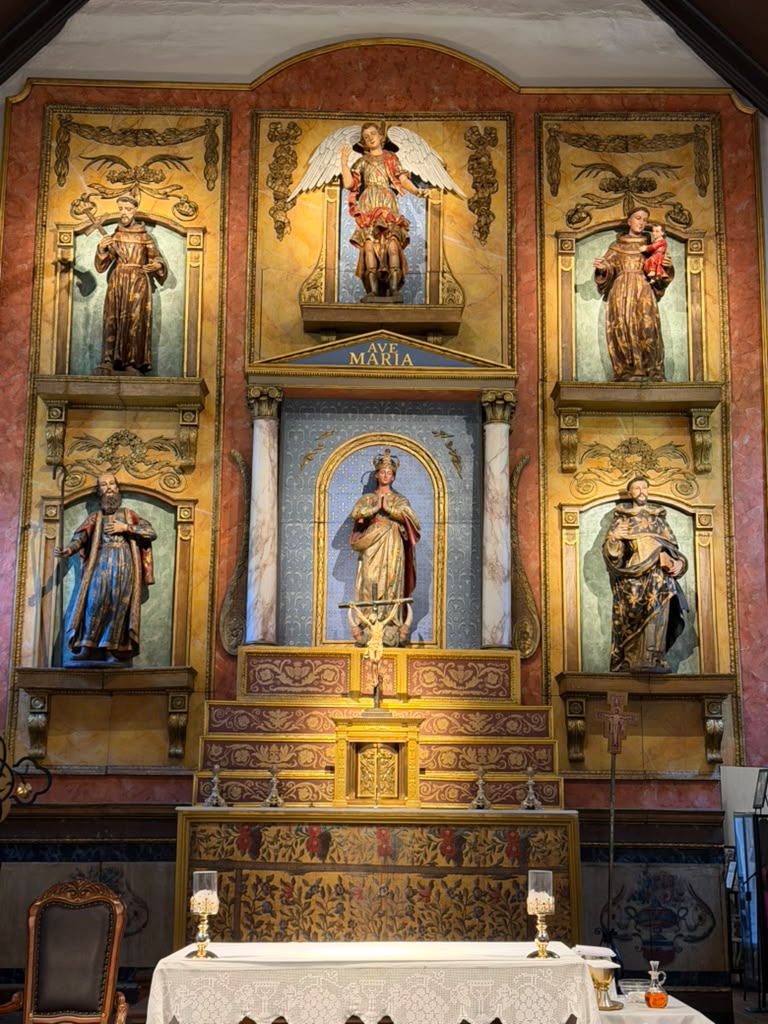
The altar immediately draws your attention. Beautifully designed and rich in detail, it reflects the Spanish colonial style while creating a sense of reverence and quiet reflection. Whether you’re religious or simply interested in history, it’s difficult not to appreciate the artistry and craftsmanship that have been preserved for generations.
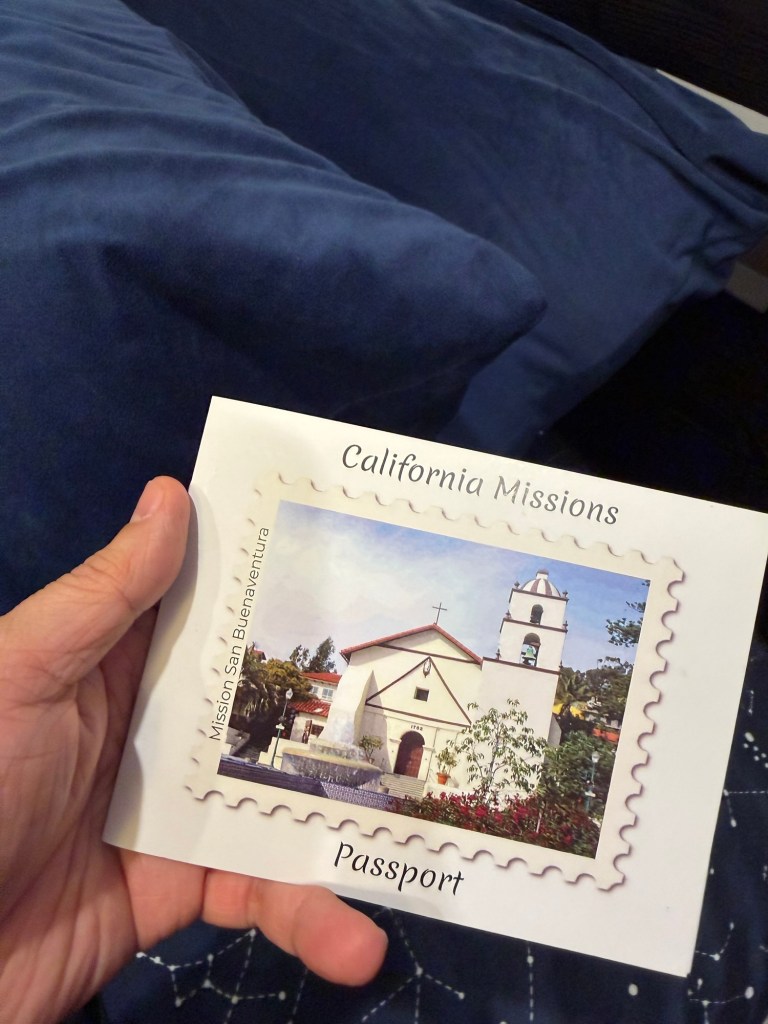
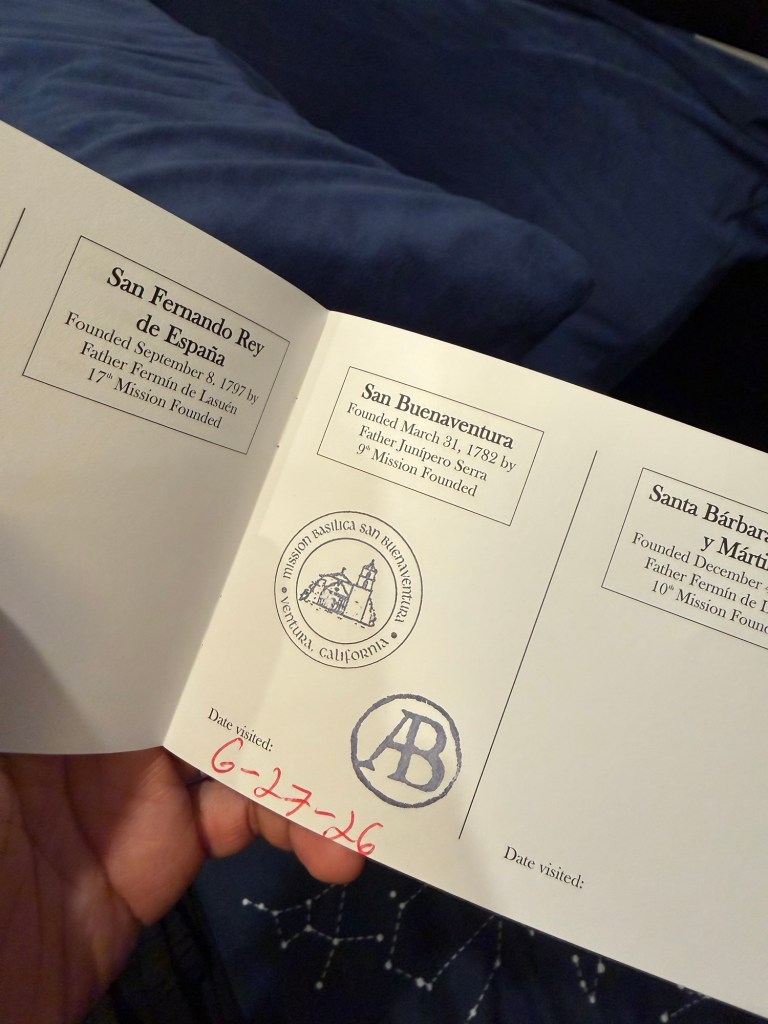
One tradition I’ve started on this mission journey is carrying my California Missions Passport. At every mission I visit, I look forward to getting it stamped. It’s a simple keepsake, but with every stamp it reminds me that I’m not just collecting destinations—I’m learning the stories behind each mission and deepening my understanding of California’s history, one visit at a time.
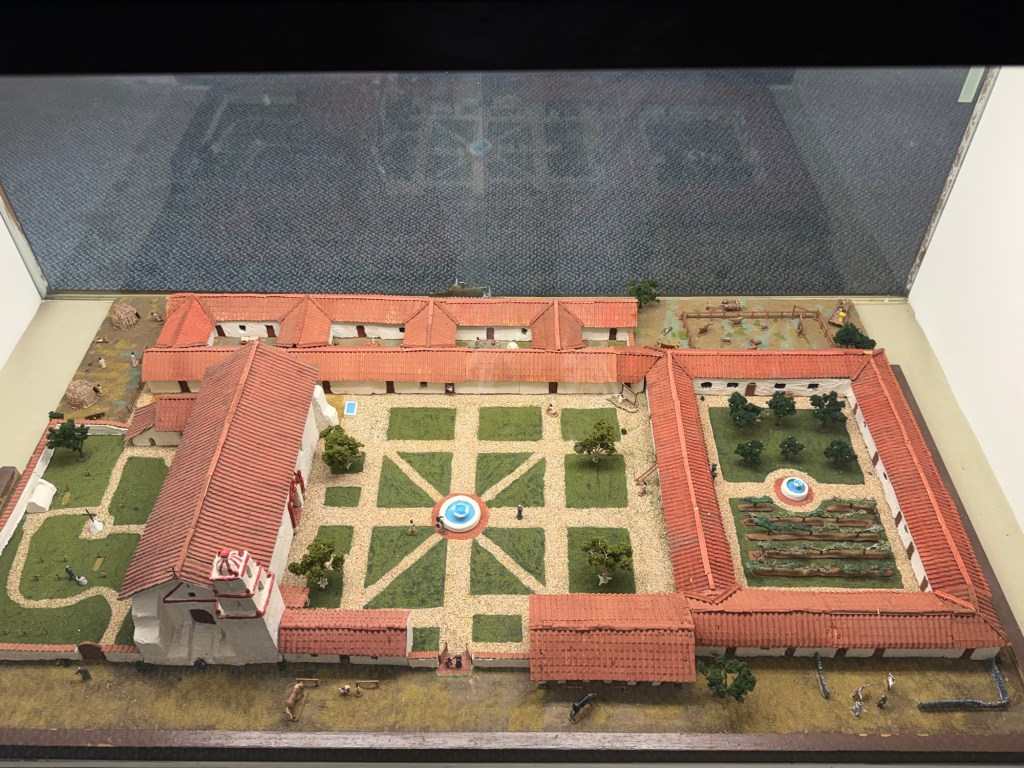
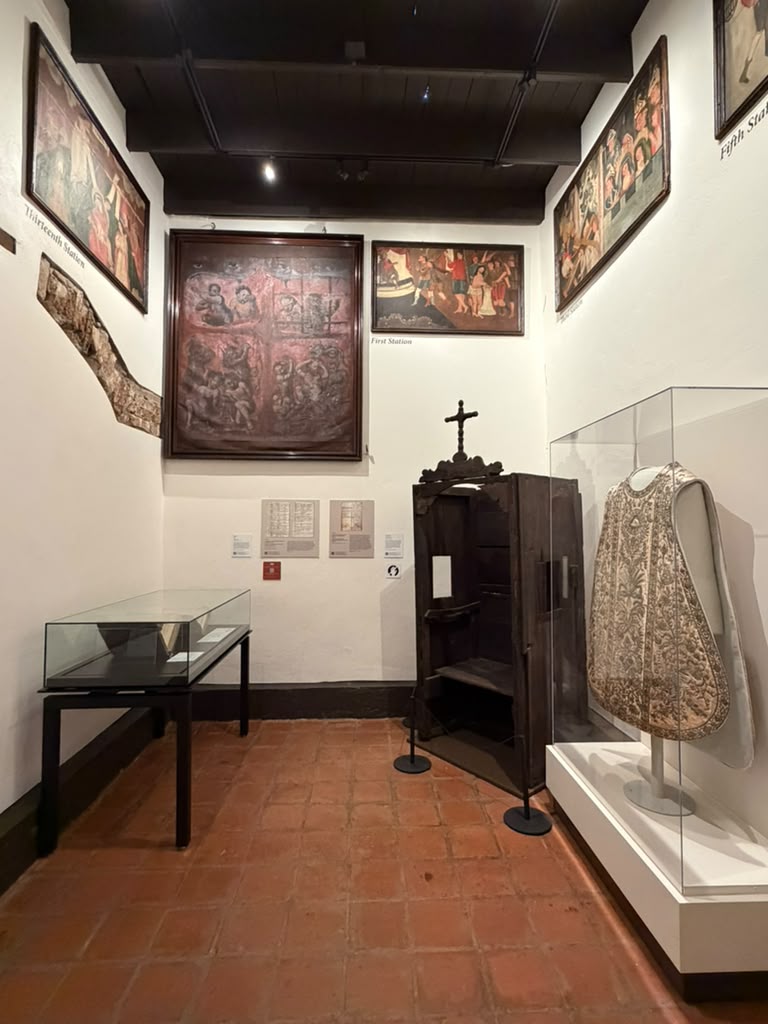
I took these photos in the museum next to the mission. I’ll share more about it in a separate blog.
I also make it a point to pause for a quiet prayer—not only inside the church, but especially for the Native people who built these missions. I pray for the countless men, women, and children whose blood, sweat, and tears made these structures possible. I remember those who suffered, those who died, and those whose voices were silenced. Their lives and sacrifices must never be forgotten. They are not a footnote in California’s history—they are an essential part of it.
Mission San Buenaventura is more than just another stop on the California Mission Trail. It is a place where beauty, faith, history, and difficult truths exist together. Visiting with an open mind allows us to admire the beauty of the church while also honoring the Native communities whose labor, culture, and lives became intertwined with its story.
As I continue my journey to all 21 California missions, I hope each visit reminds me that understanding history means embracing both its beauty and its complexities. Only then can we truly appreciate the past and ensure that every part of the story—including those who have too often been overlooked—is remembered.
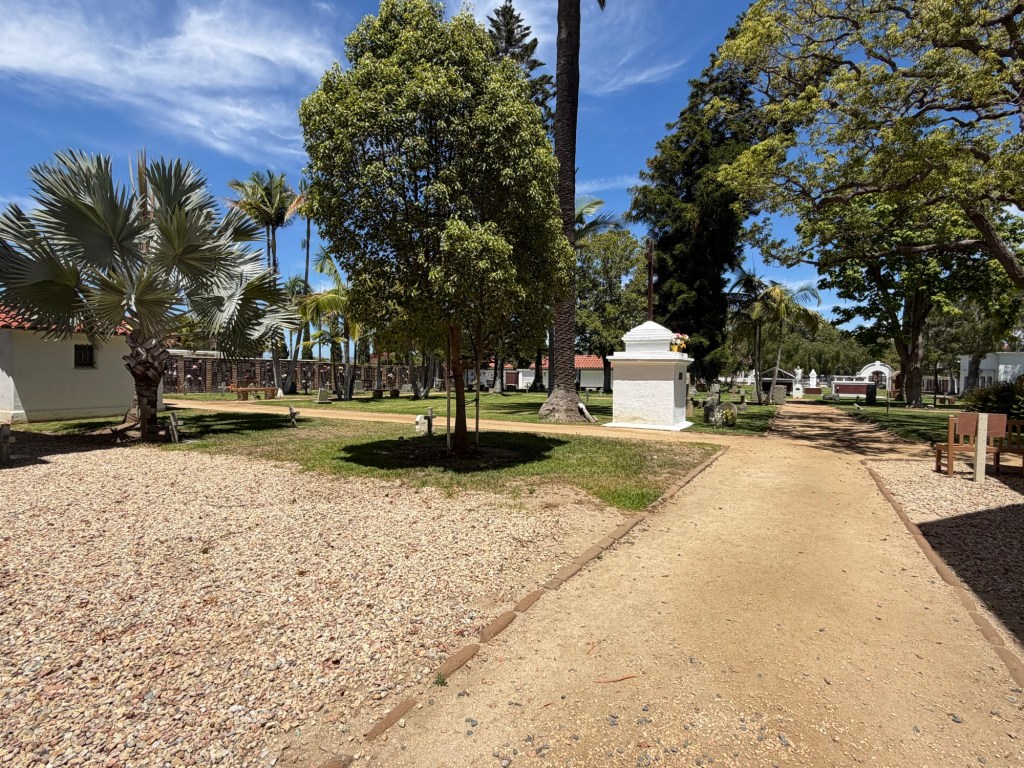
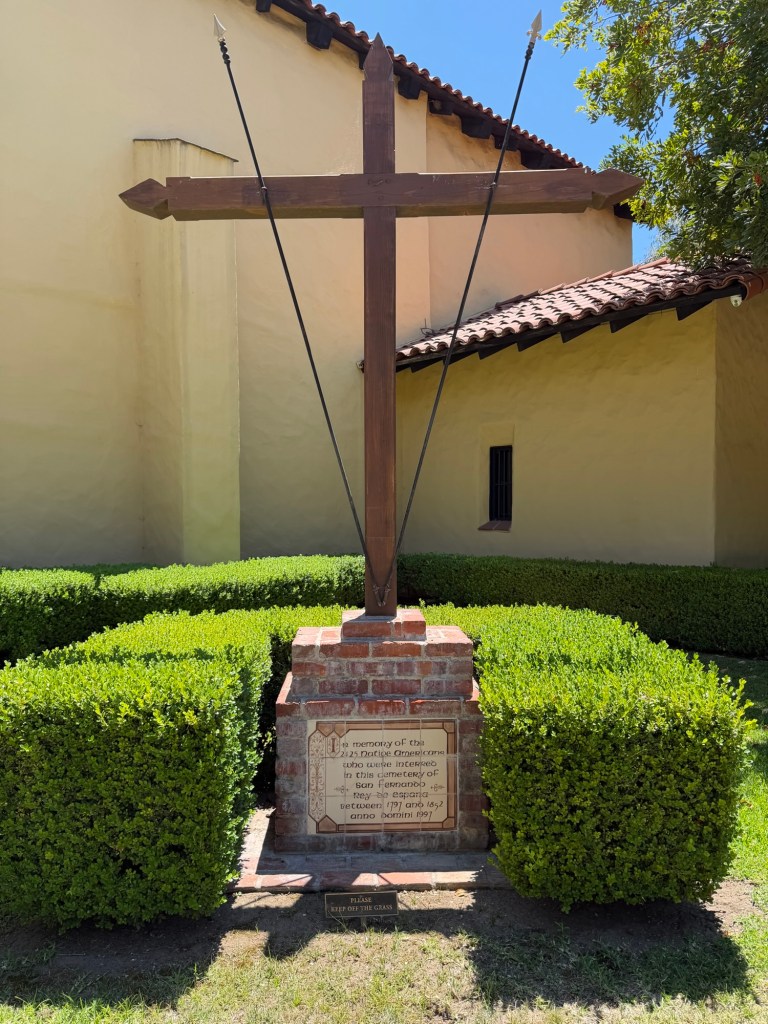
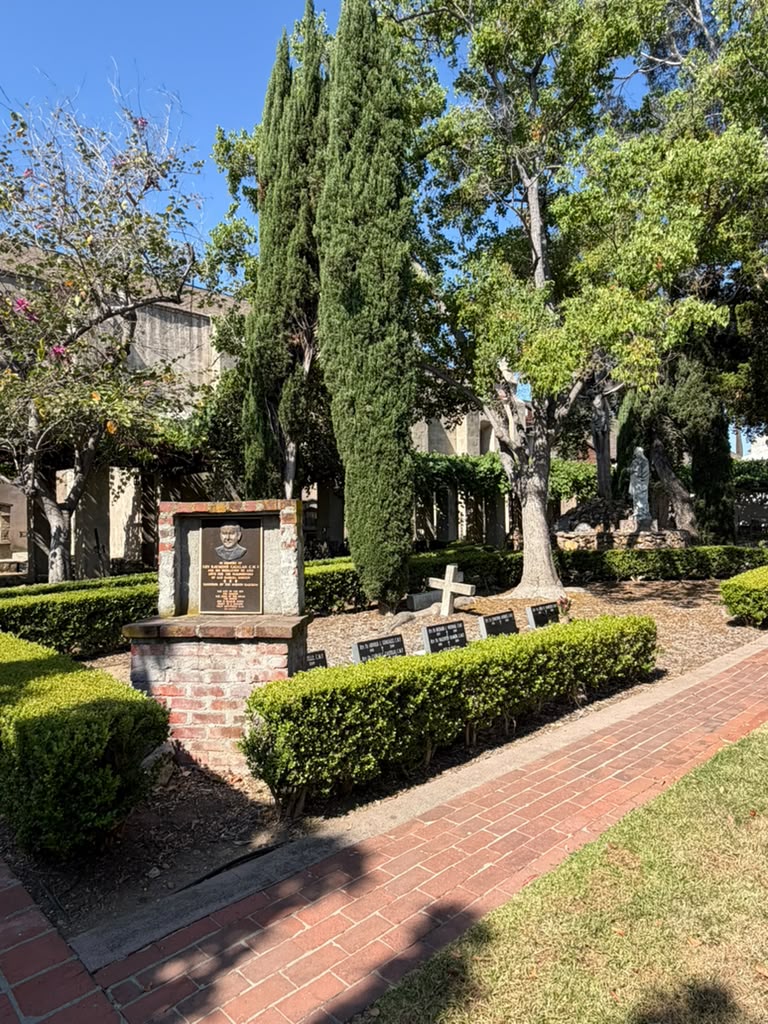
The memorial, erected in 1997, honors those buried at the site between 1791 and 1852.
Most people living in California—whether they grew up here or just moved here—don’t really know the story behind these places.
If the East Coast was shaped by colonization, the West Coast was shaped by missionization. The Spanish brought Christianity, especially Catholicism, and that became a huge part of California’s identity.
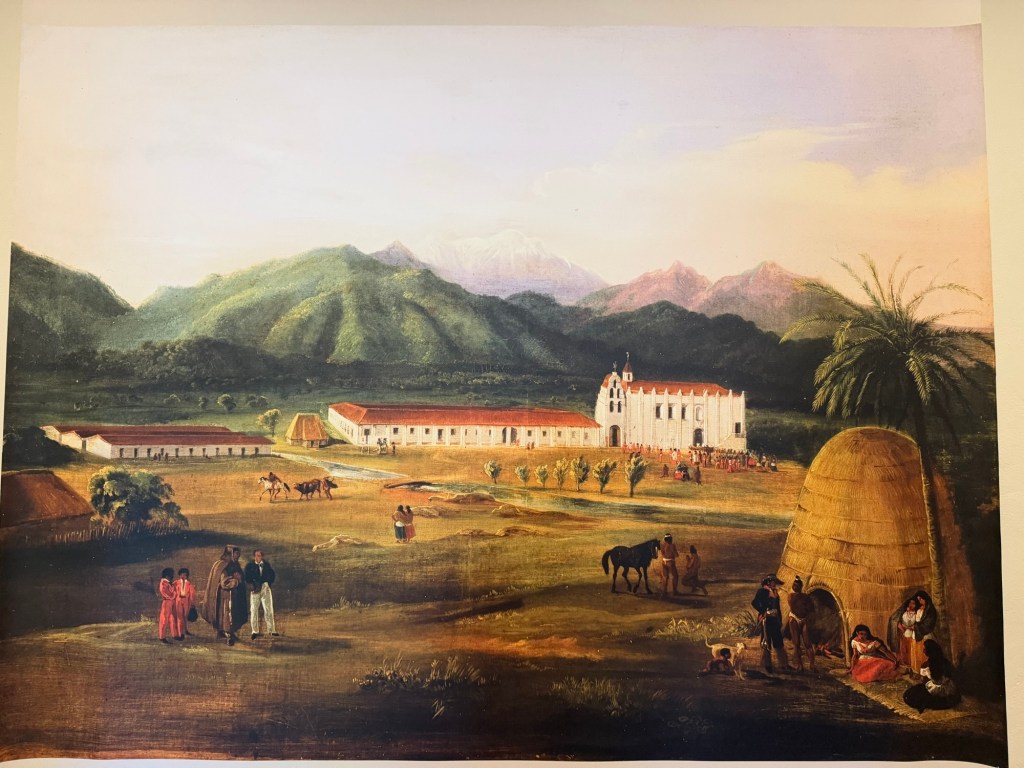
The image shows a pastoral scene from the early 19th century, highlighting the interaction between the Spanish mission and the native landscape and inhabitants.
But here’s the thing—we shouldn’t romanticize it.
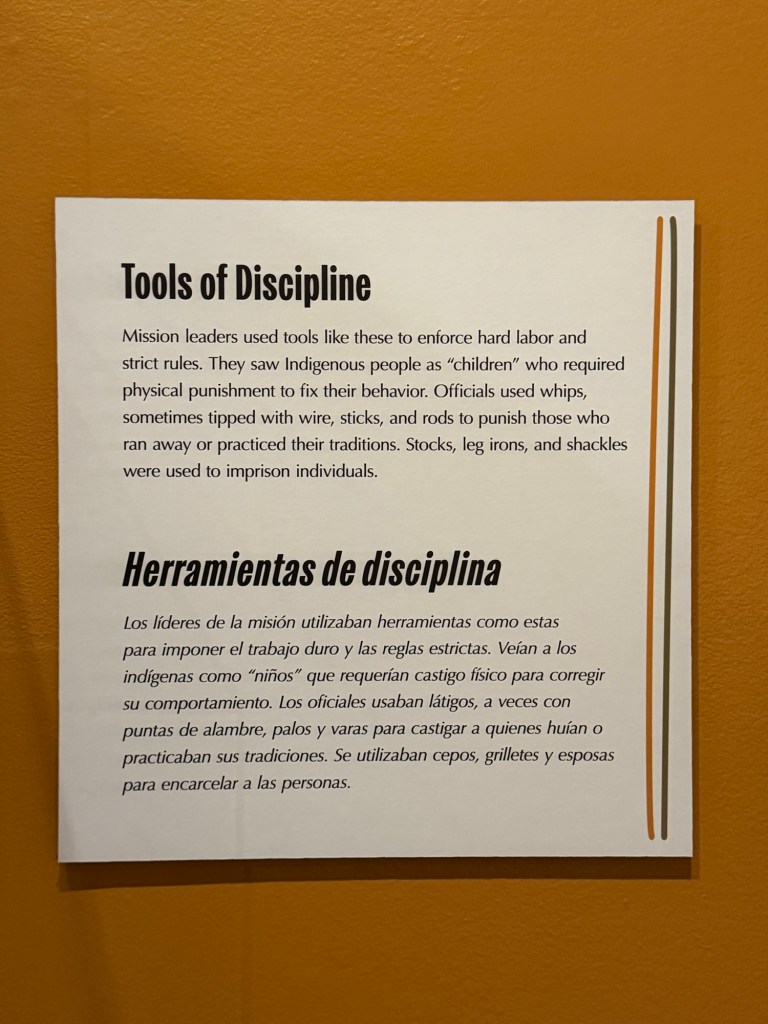
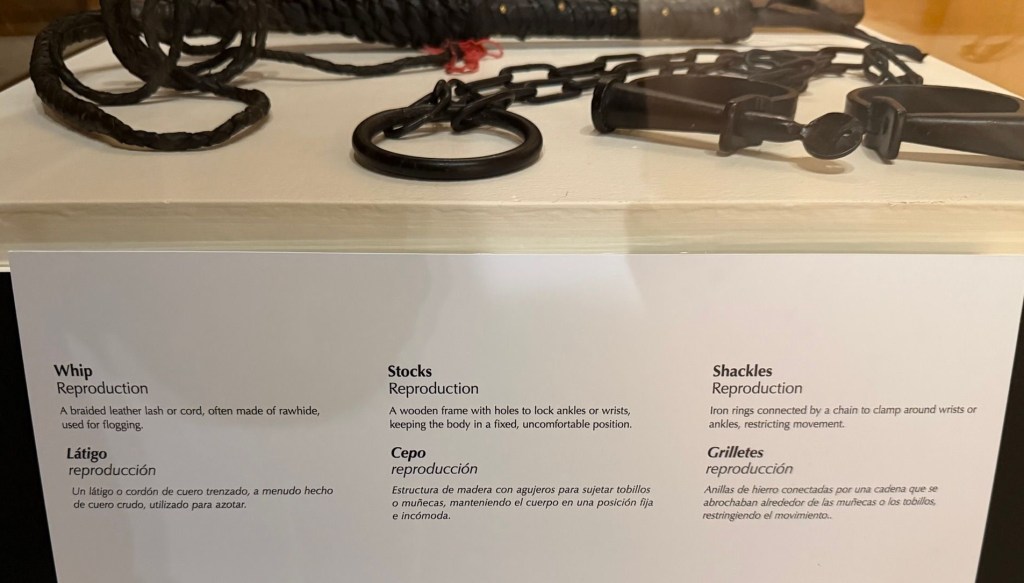
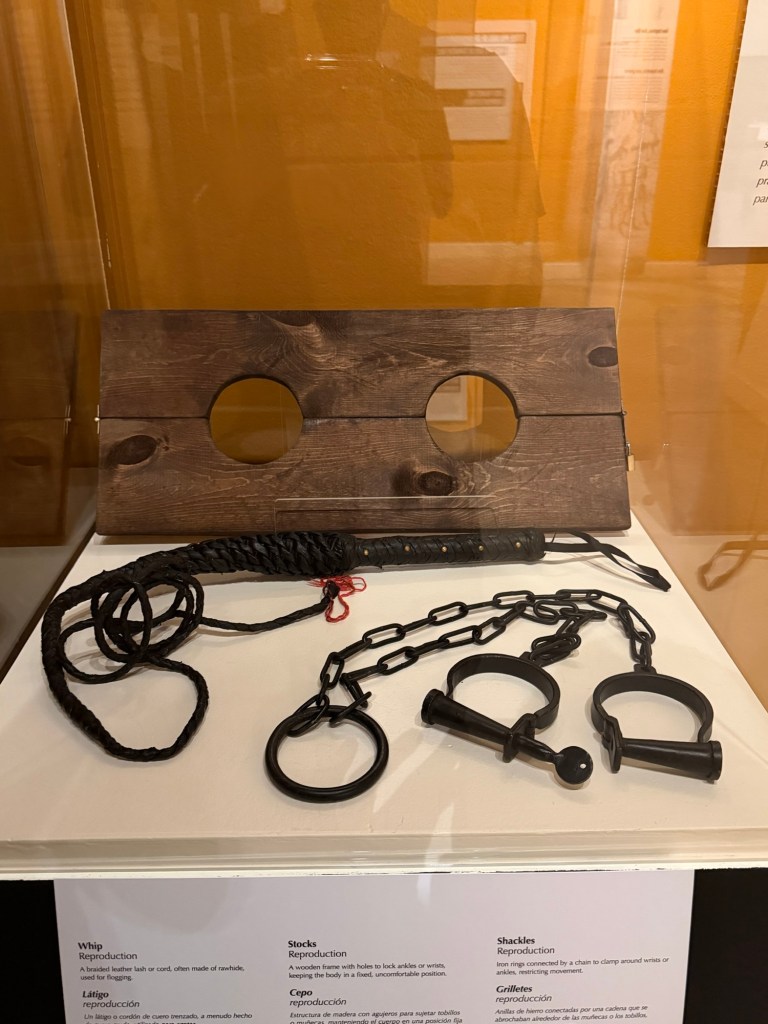
These beautiful missions weren’t built by miracles. They were built by the blood, sweat, and forced labor of Native Americans whose stories deserve to be remembered too.
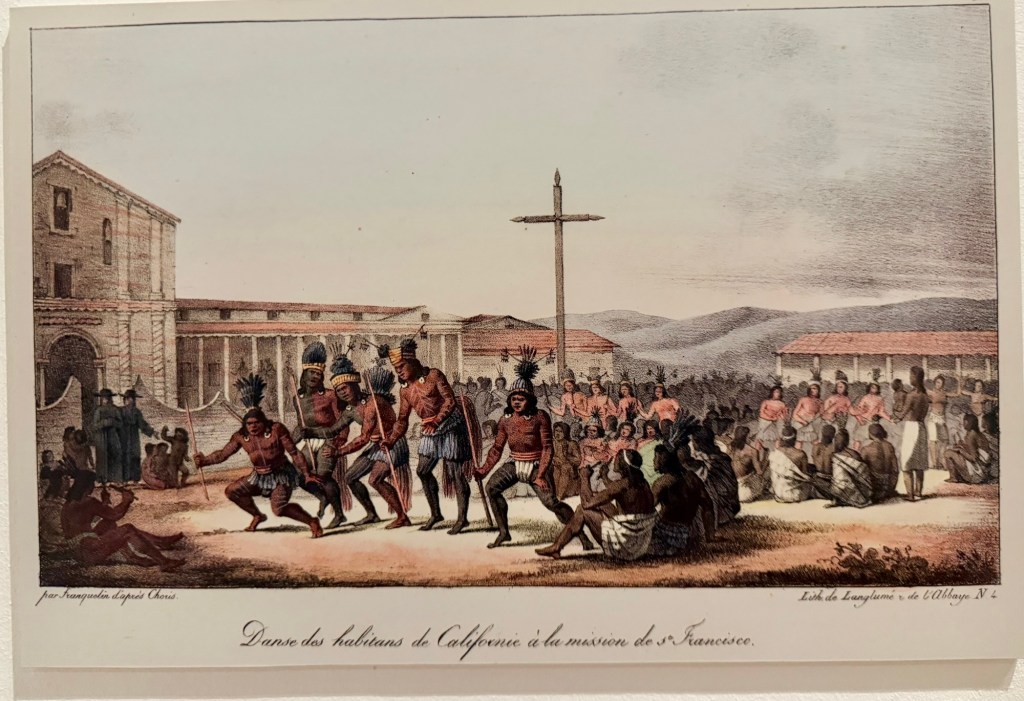
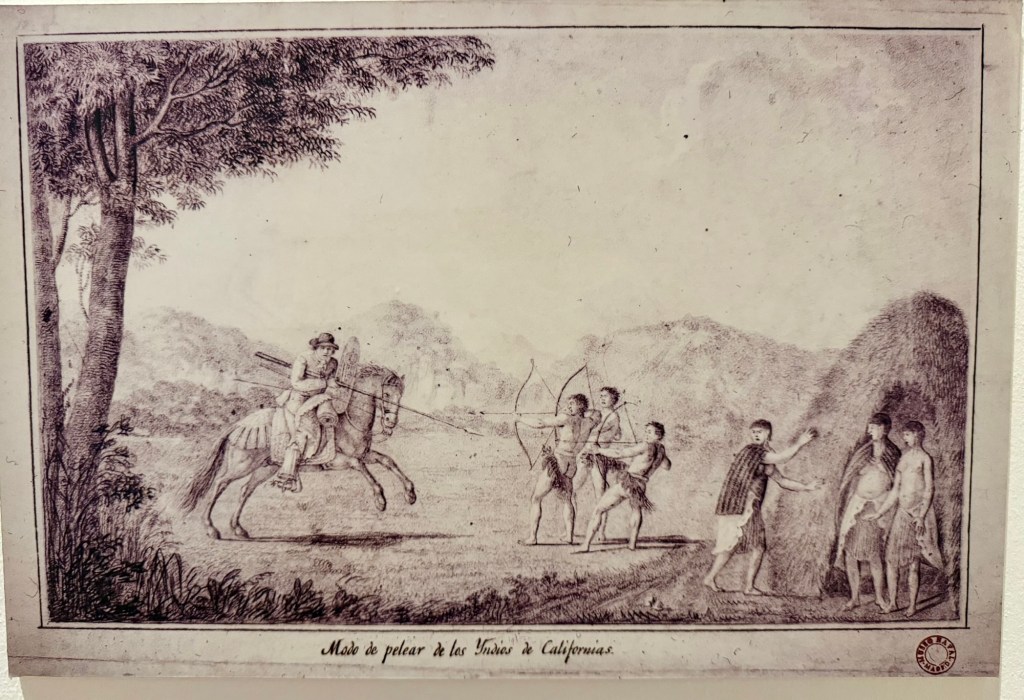
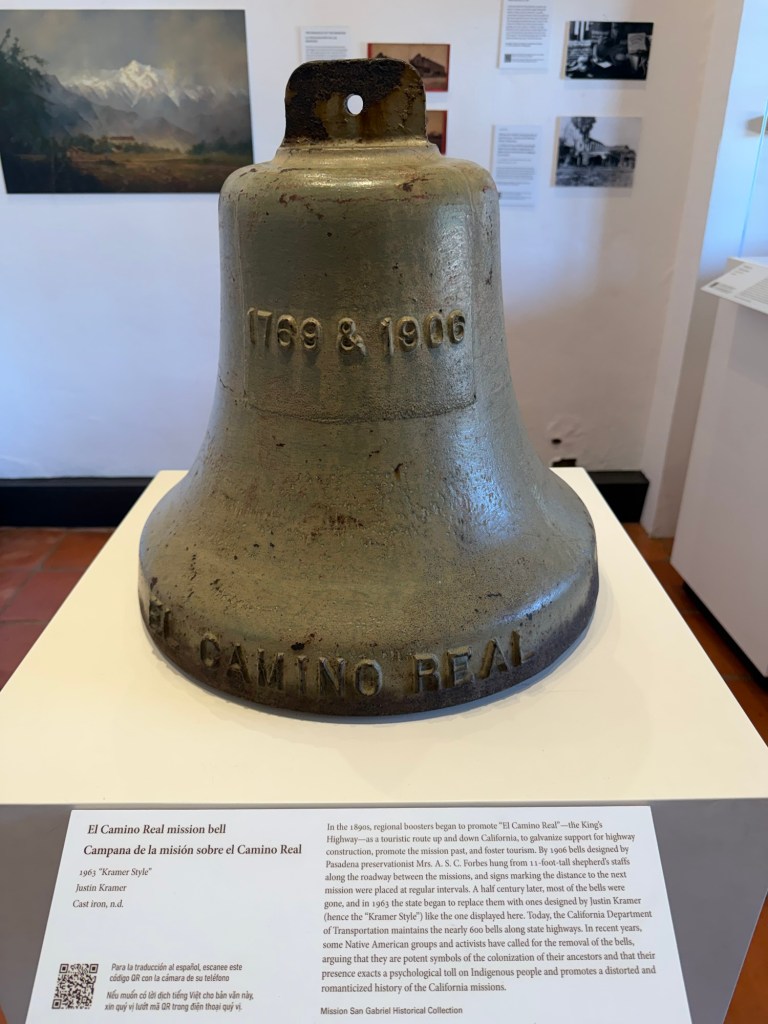
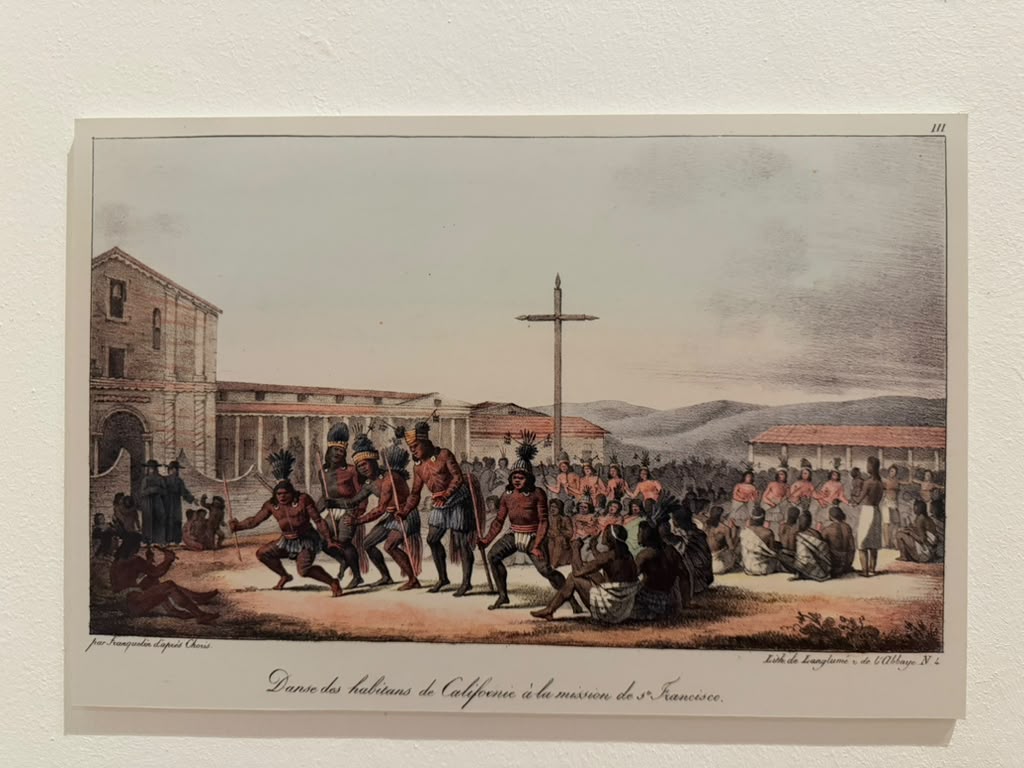
The scene shows Ohlone men performing a traditional dance with feathered headdresses and body paint in front of the Mission San Francisco de Asís (Mission Dolores).The scene depicts Costanoan (Ohlone) people defending against a Spanish dragoon soldier in Monterey, California.For many, a church bell calls people to worship. For many Native Americans, it also echoes a painful history of forced conversion, cultural erasure, and loss. The ugliest sound isn’t the bell itself—it’s the history it represents.
That’s why every time I visit a mission, I don’t just admire the architecture or attend Mass. I also take a moment to say a prayer for the Indigenous people who suffered and sacrificed here.
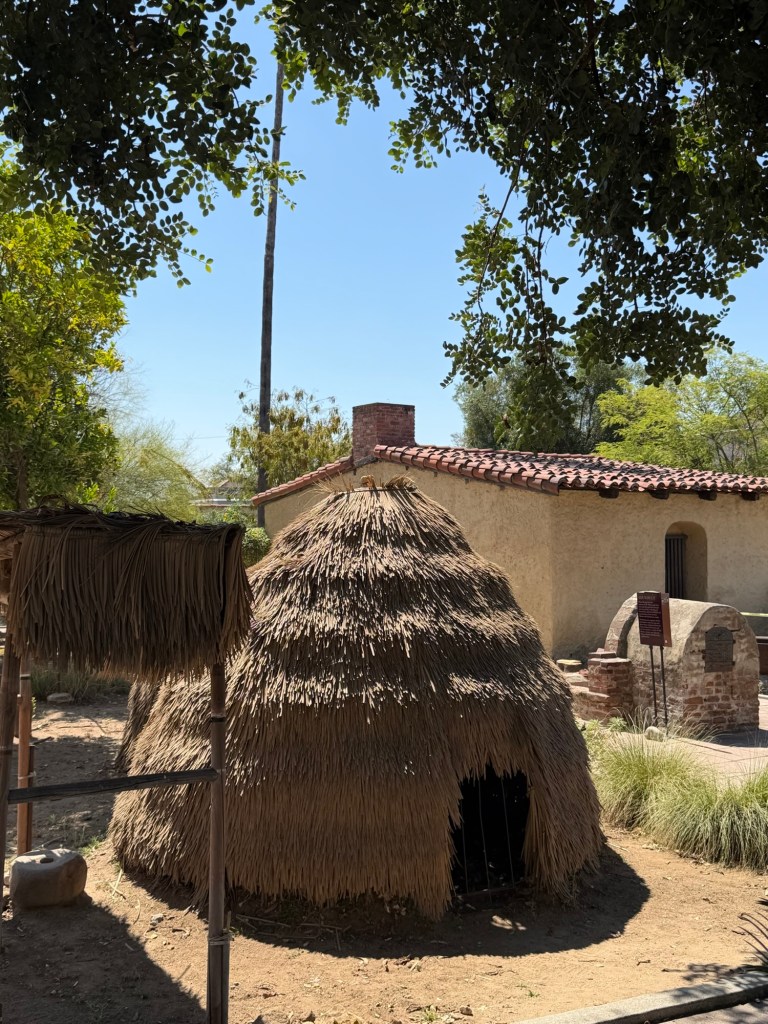
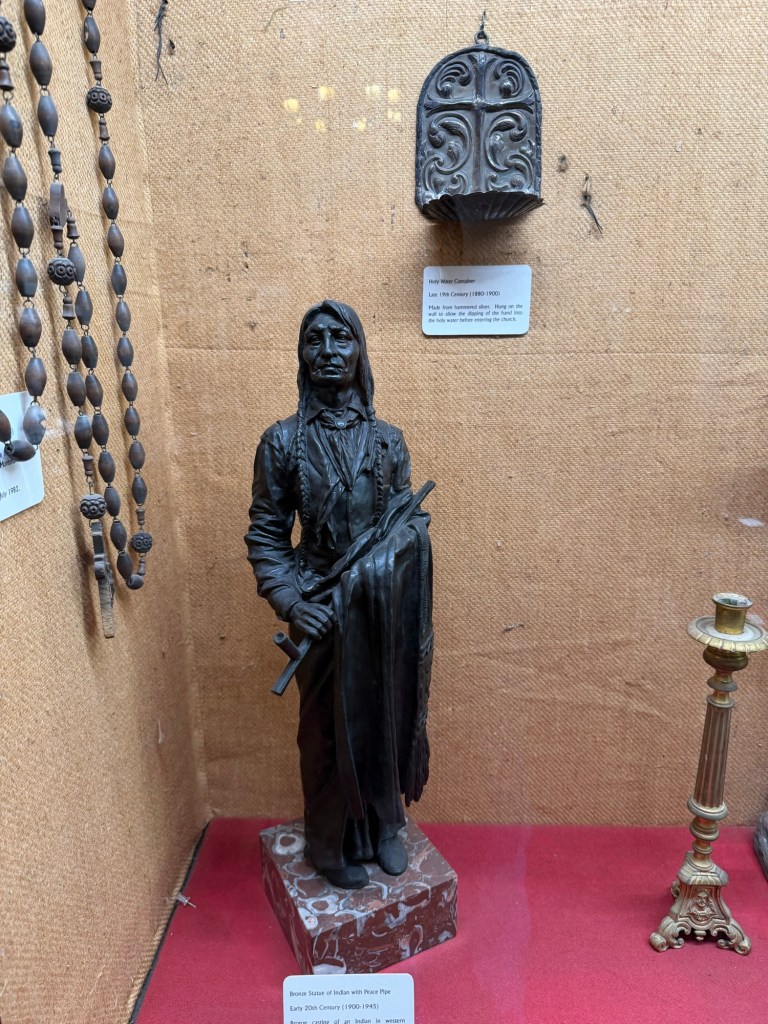
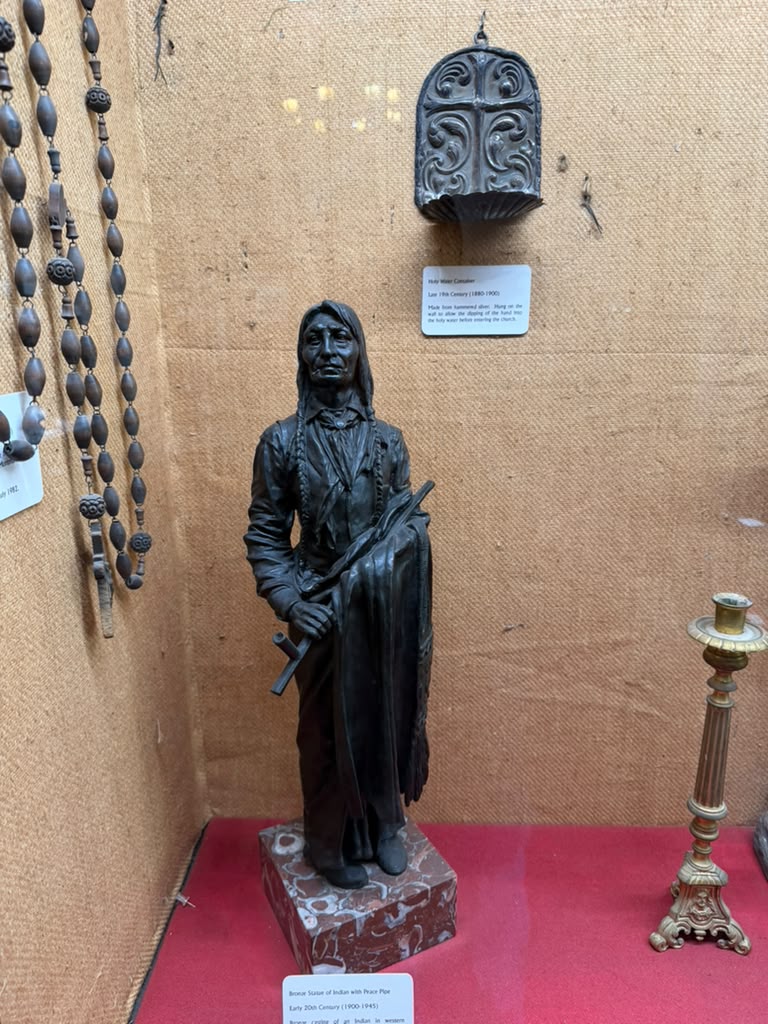
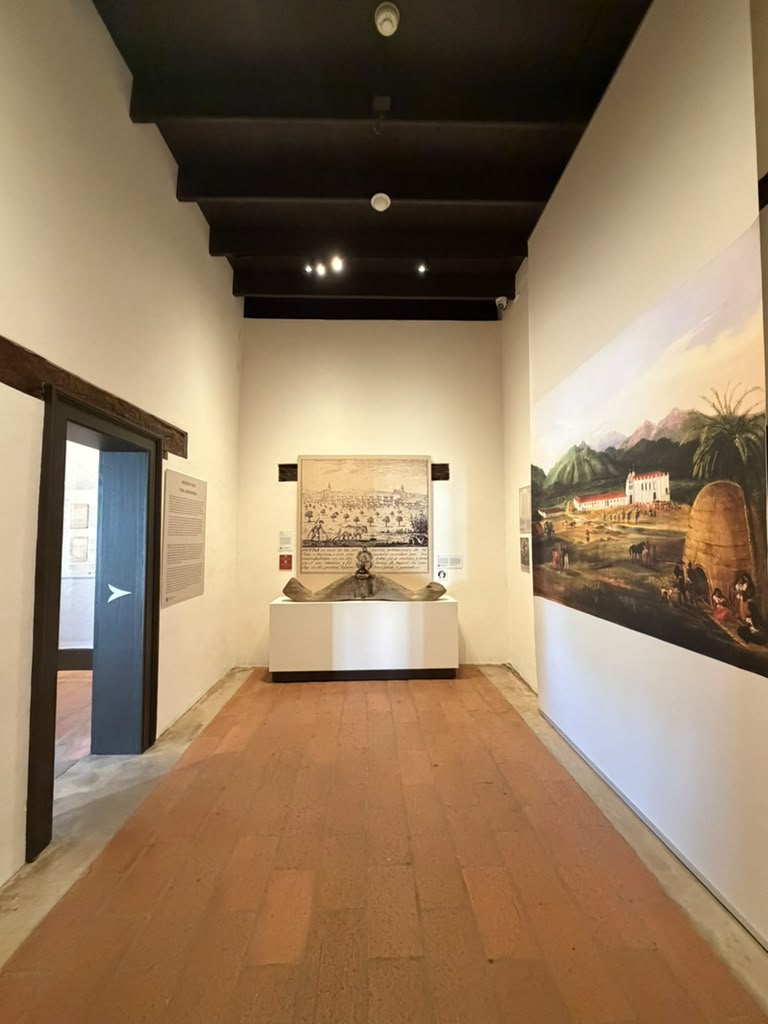
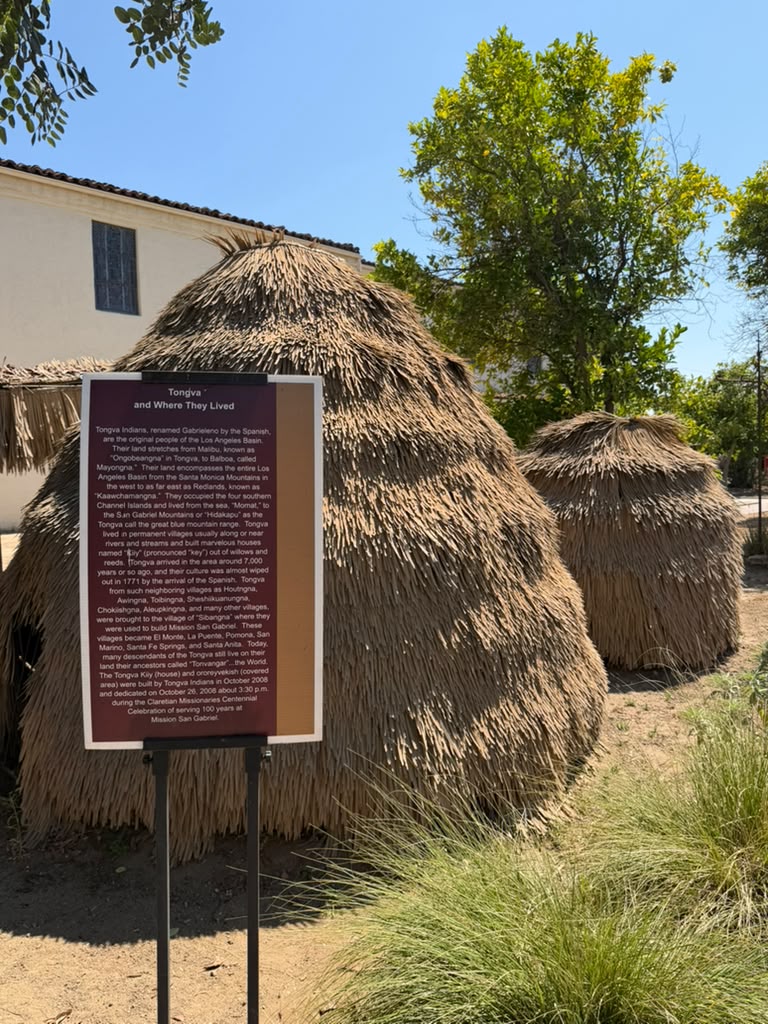
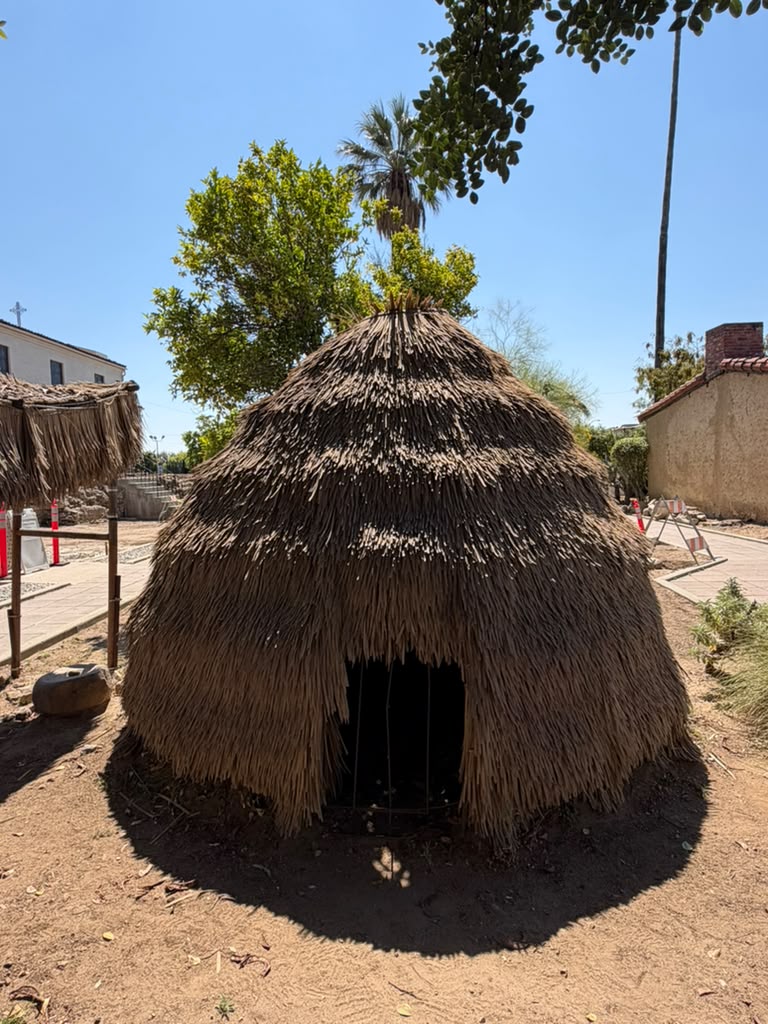
This is a kiiy, the traditional dome-shaped dwelling of the Tongva (Gabrielino) people.This bronze sculpture is recognized as “Chief Wolf Robe” or “Standing Bear” by the Austrian artist Carl Kauba. It depicts a Native American chief holding a peace pipe and a blanket, typically mounted on a marble or slate base.
History isn’t just about celebrating the beautiful parts—it’s about remembering the hard truths too.
21 missions. One journey. Countless stories worth telling. 🤍
After my visit to Mission San Gabriel Arcángel, I felt inspired to continue my journey and visit another nearby mission. My next stop was Mission San Fernando Rey de España, located about a 45-minute drive from San Gabriel.
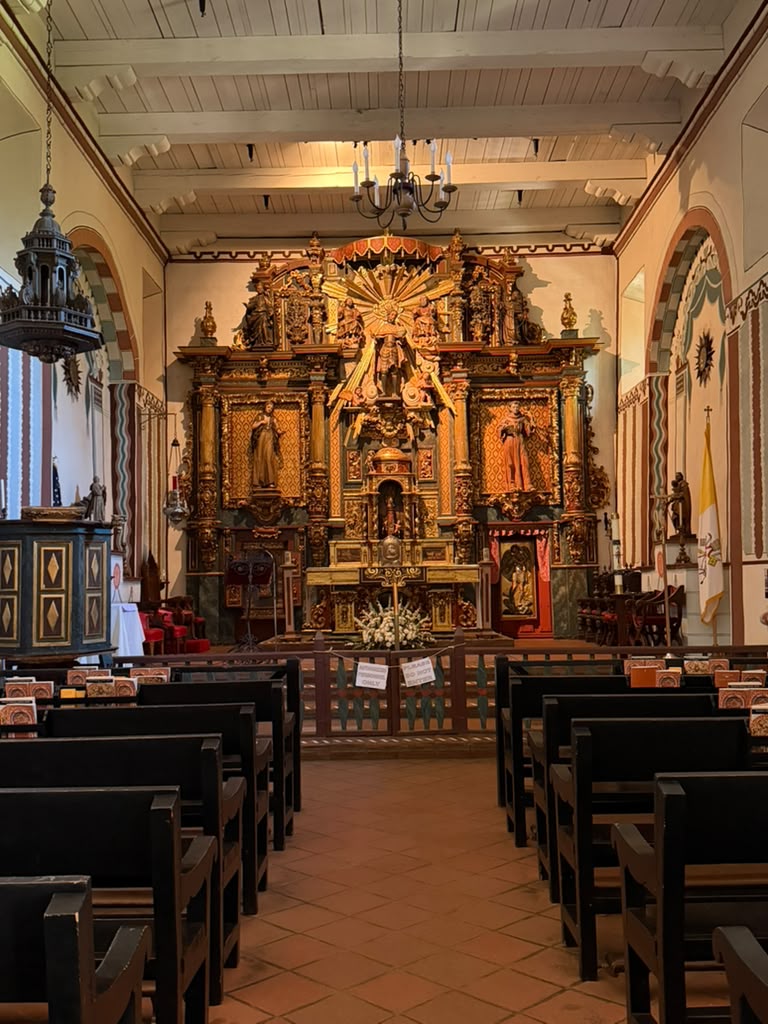
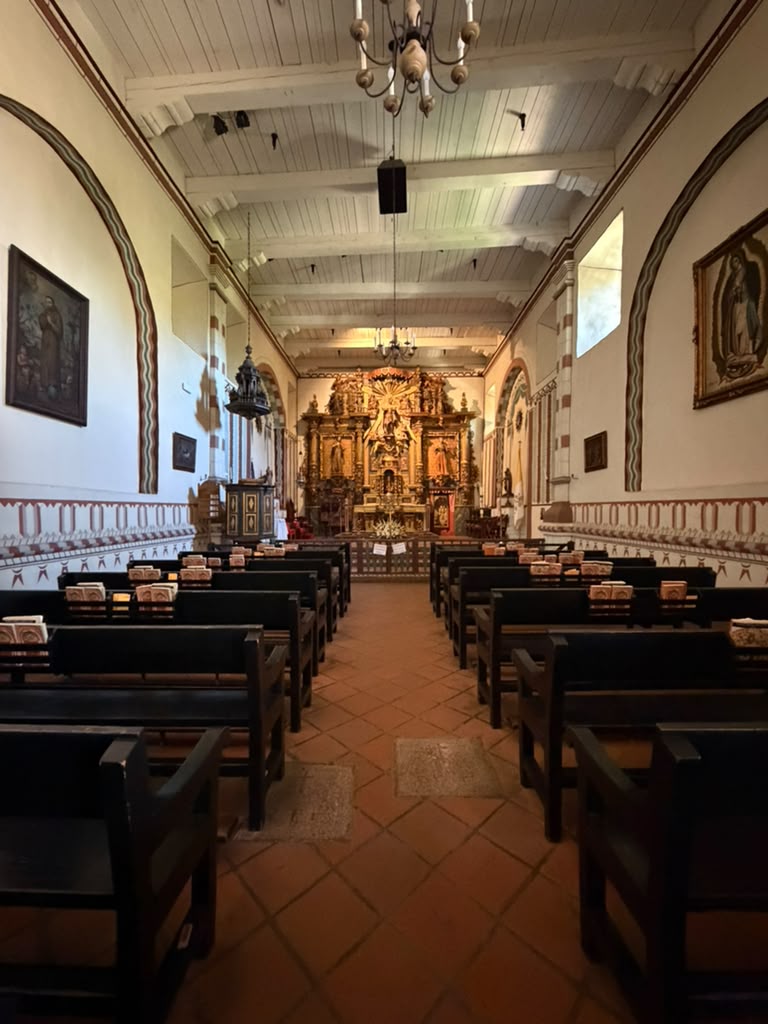
The interior of the church felt quite similar to the other missions I had visited. In a way, I actually appreciated that familiarity. Having grown up in the Philippines, I have seen many churches like these—some even larger and more elaborate. Walking inside brought a sense of familiarity and, unexpectedly, a feeling of home.
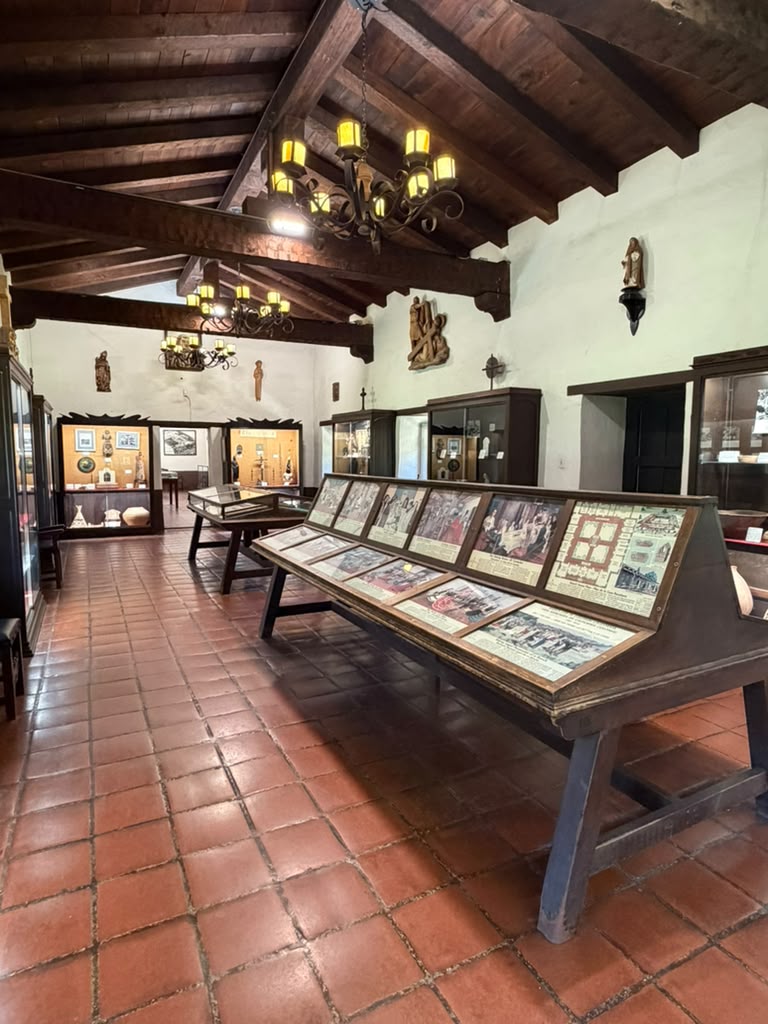
I was somewhat disappointed with the museum, as there was no clear guide on where to begin or how to follow a chronological flow through the exhibits. There were limited written explanations to help visitors fully understand the context. While there were still interesting artifacts and pieces of memorabilia on display, the overall experience felt less structured and less engaging than I had expected.
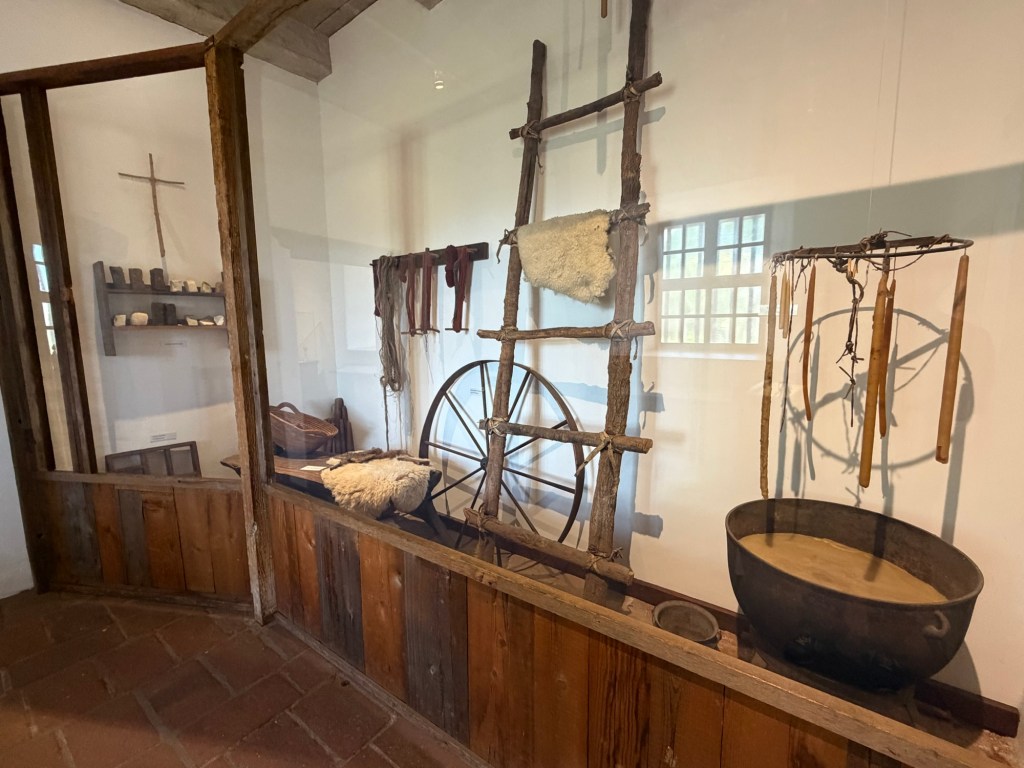
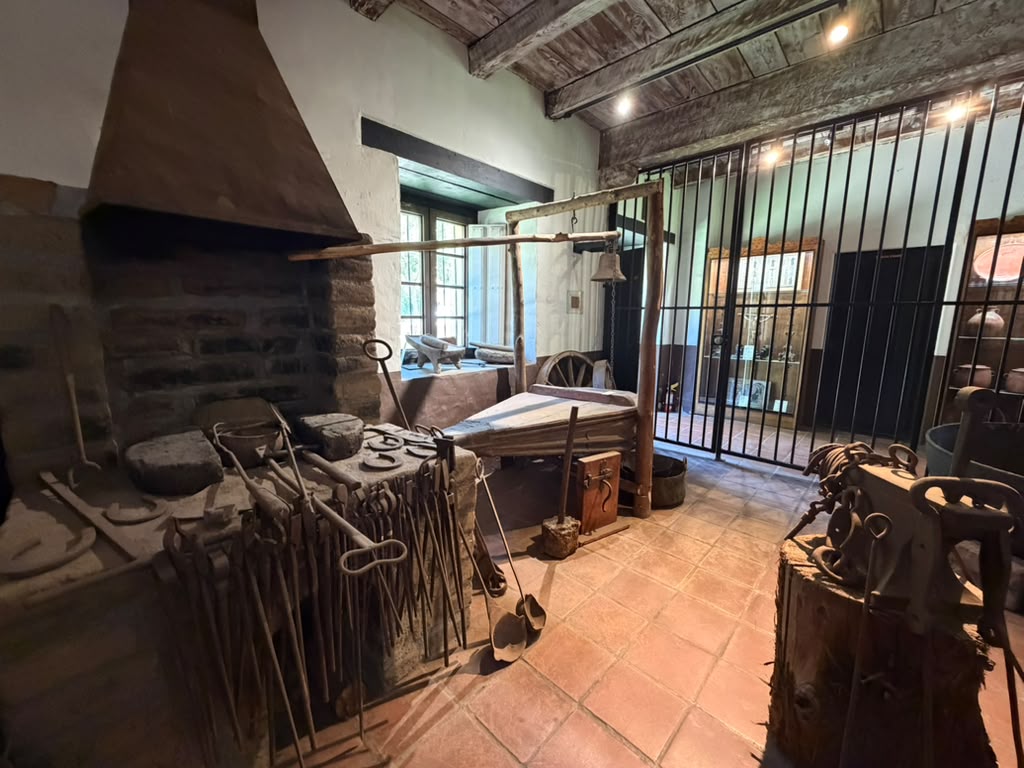
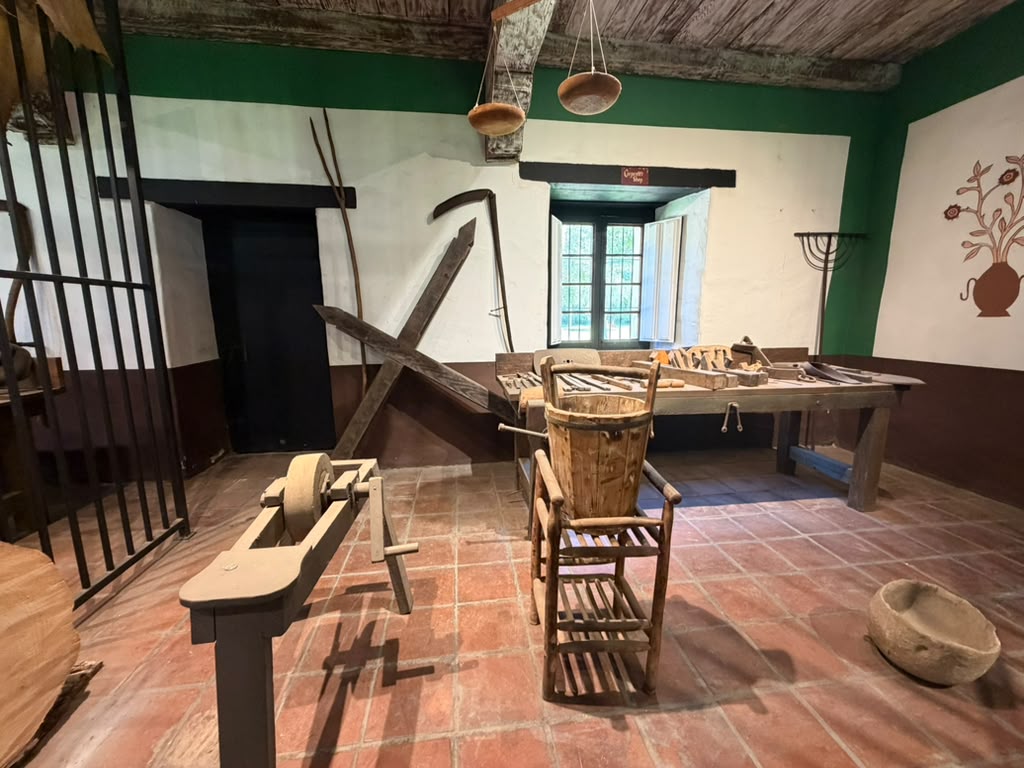
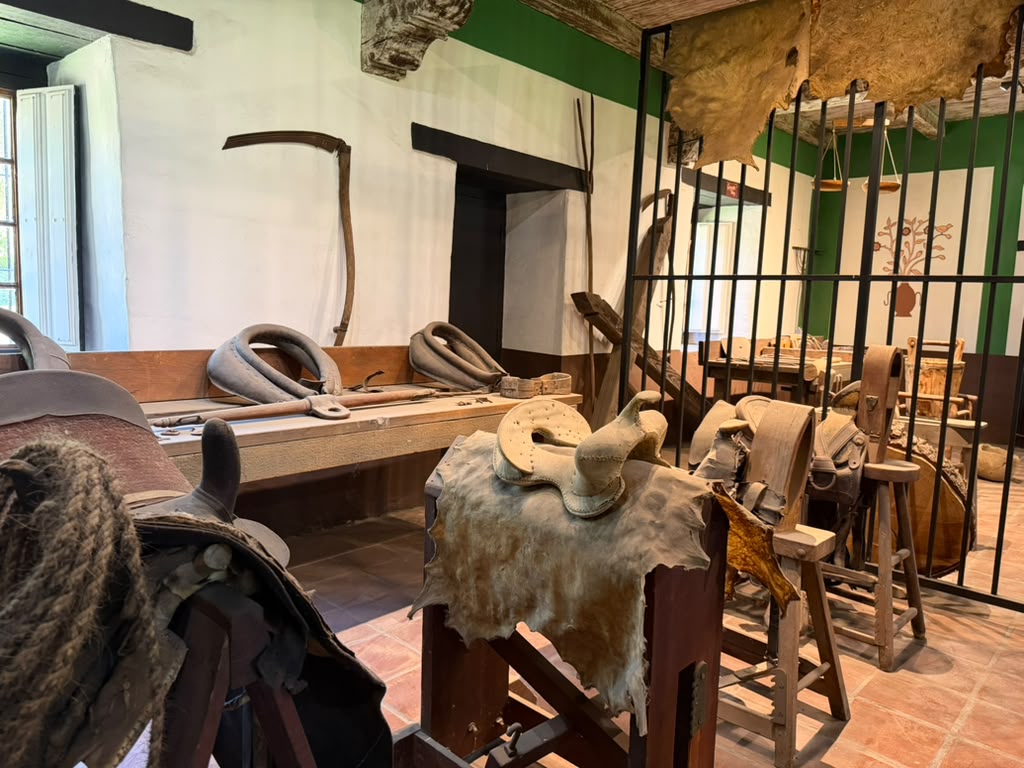
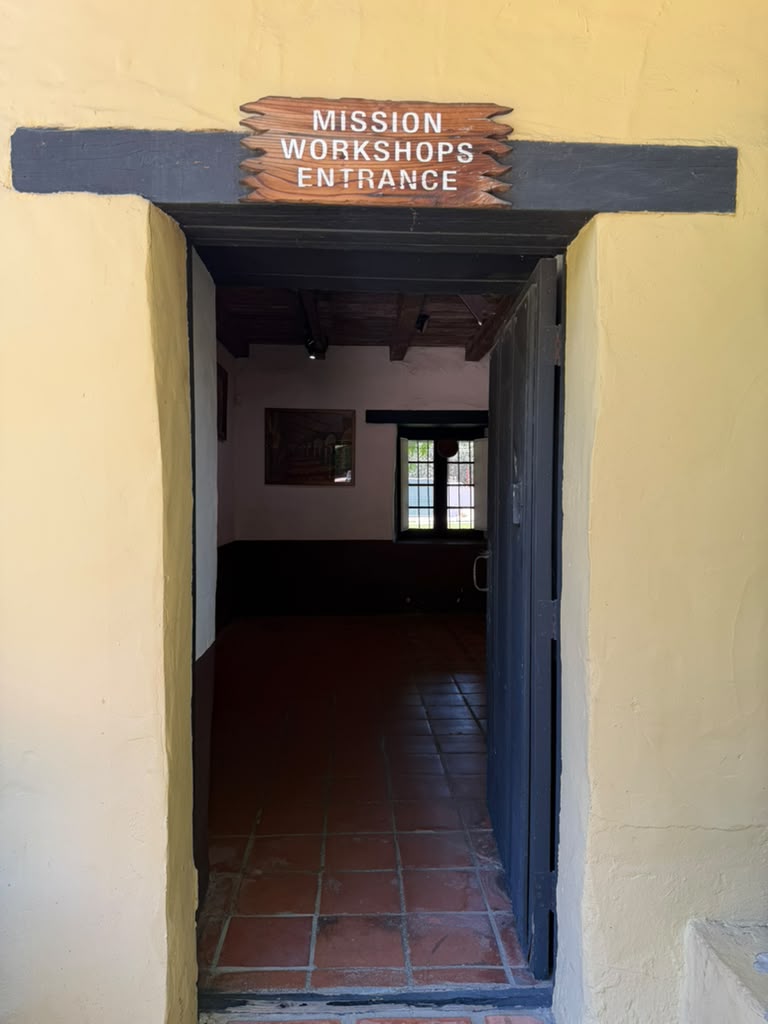
They also have a Workshop Museum, which I found particularly interesting. It offered a glimpse into how the Native people, under the guidance of the missionaries, carried out their daily work during the mission era. Seeing the tools, setups, and reconstructed workspaces helped me better imagine how life and labor were organized in those times.
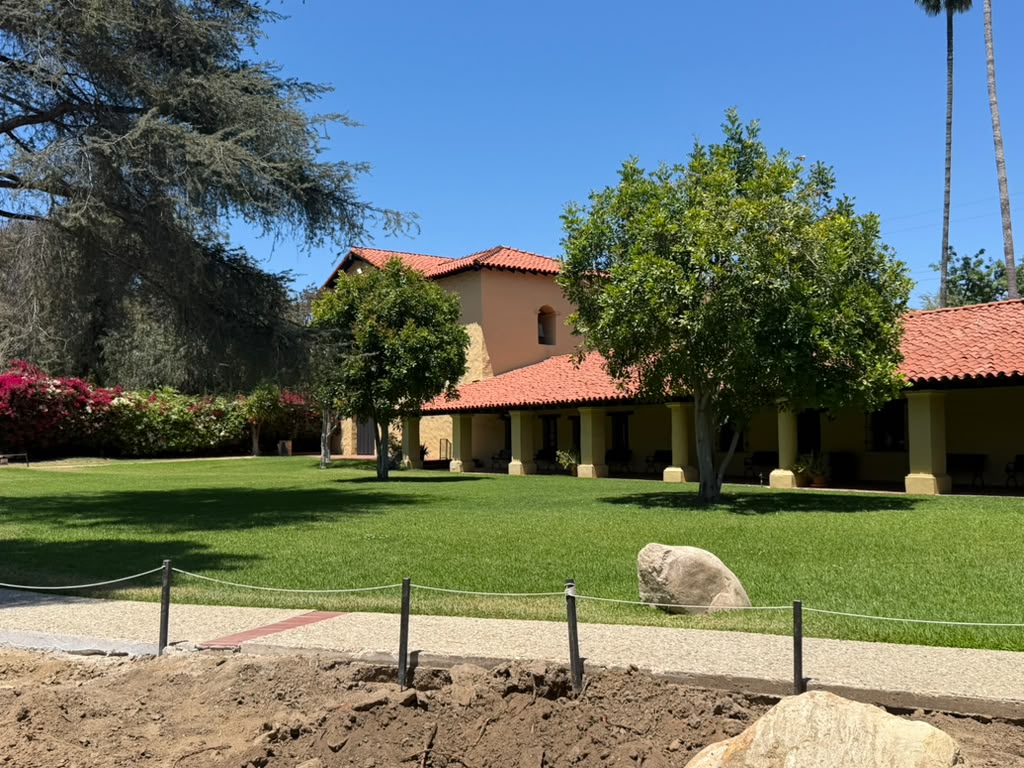
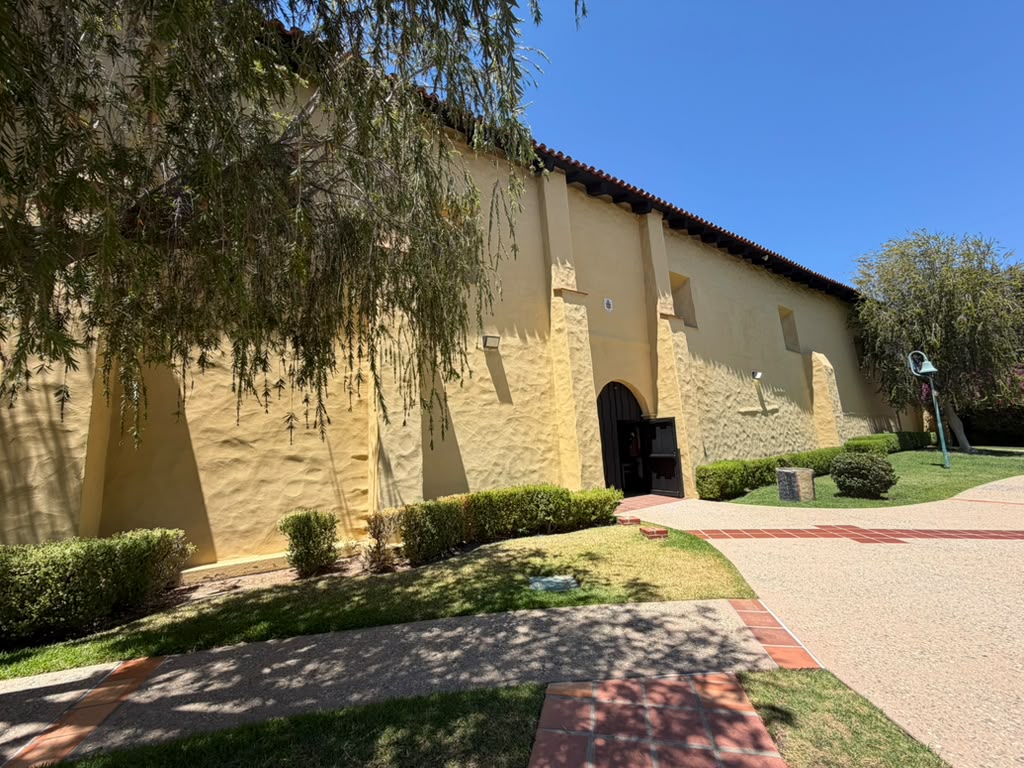
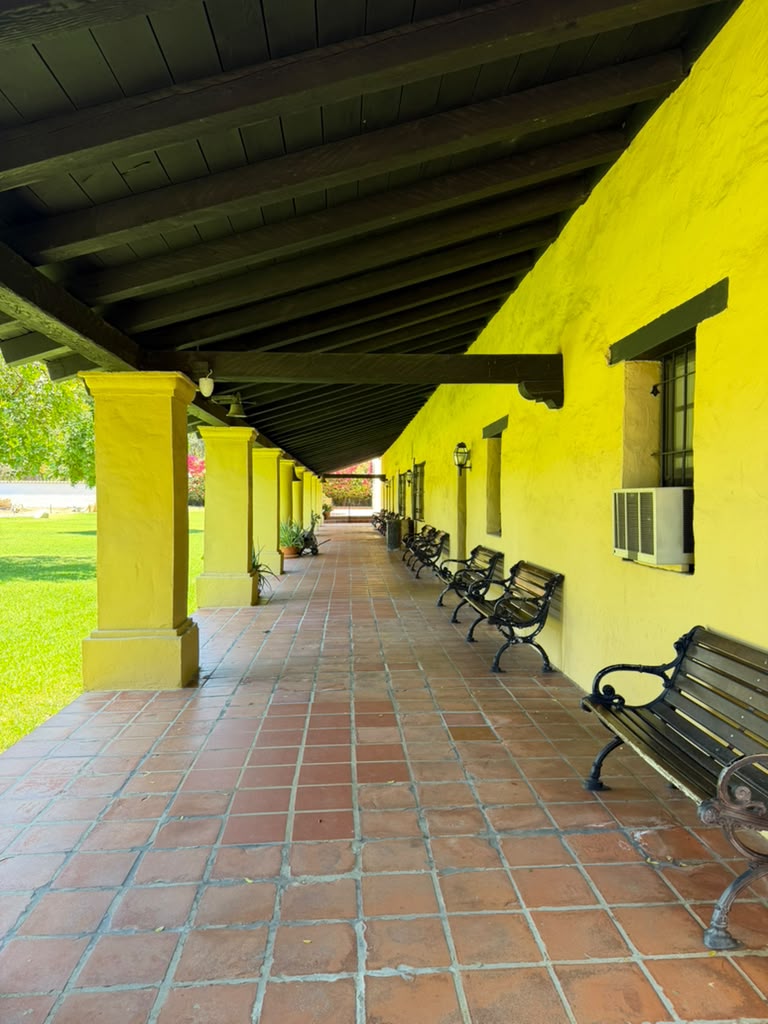
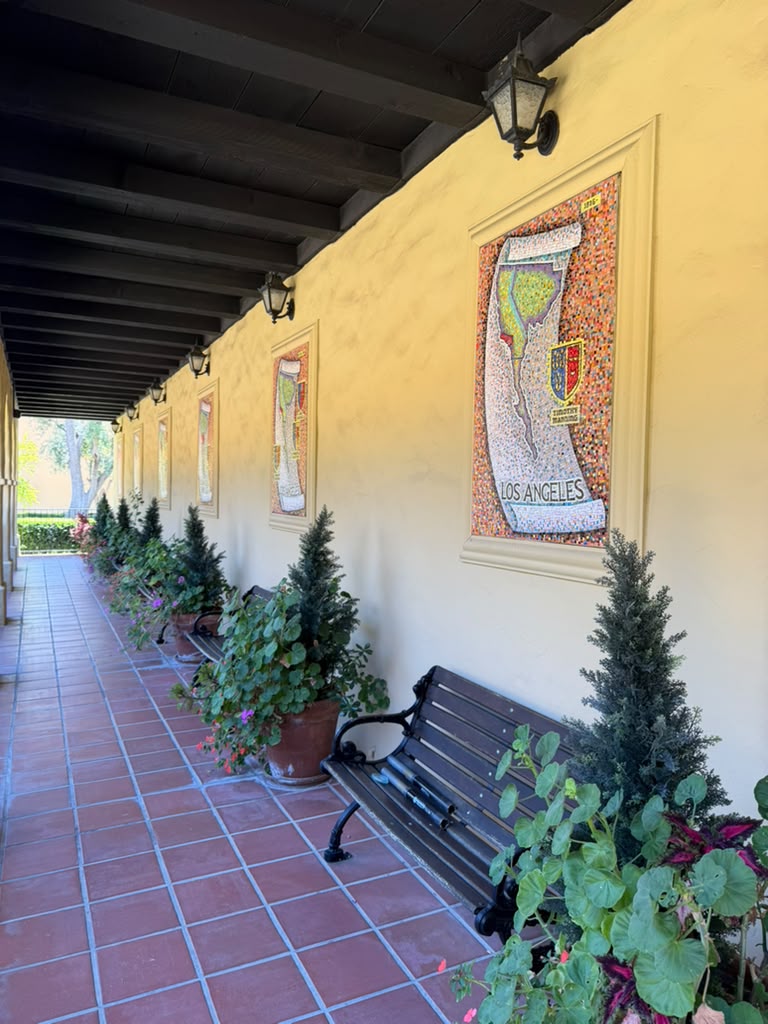
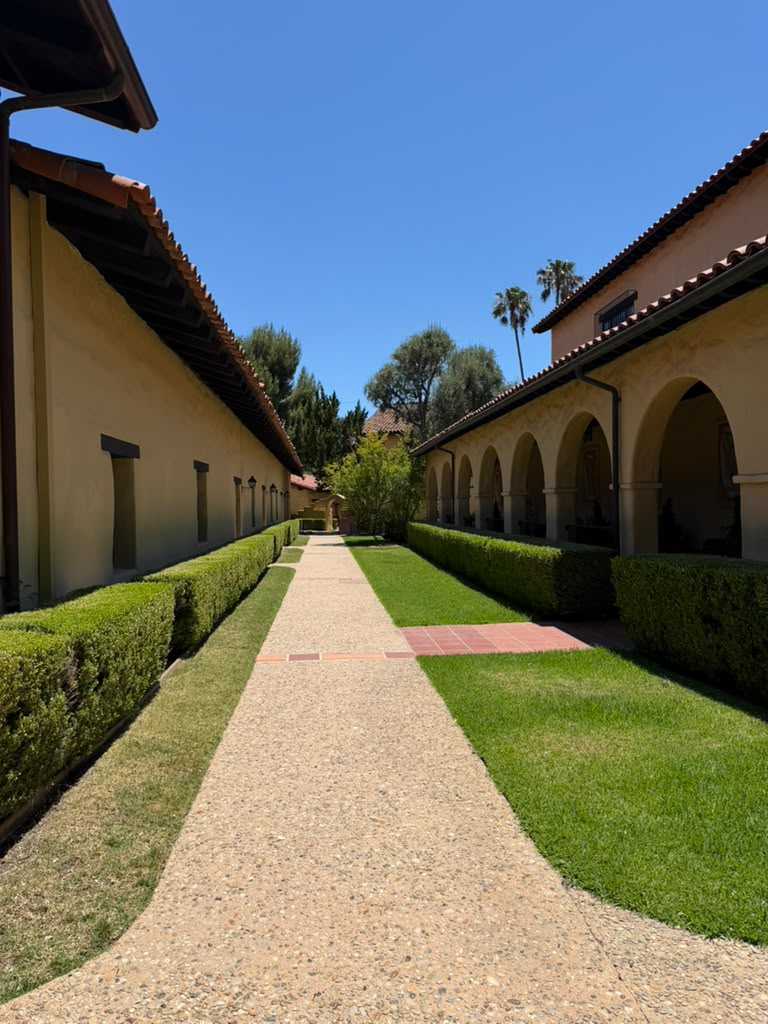
The mission also has beautiful gardens that add to its peaceful atmosphere. I would love to come back during the winter season, just to spend more time walking through the grounds, visiting again, and reflecting quietly on the experience, especially since it is just too hot right now.
My visit to Mission San Fernando Rey de España was a quiet and reflective continuation of my mission journey. While the interiors and museum felt familiar compared to the other missions I had visited, it still offered a meaningful space to pause and appreciate California’s layered history. The gardens added to the calm atmosphere, making it a place worth slowing down in, even briefly.
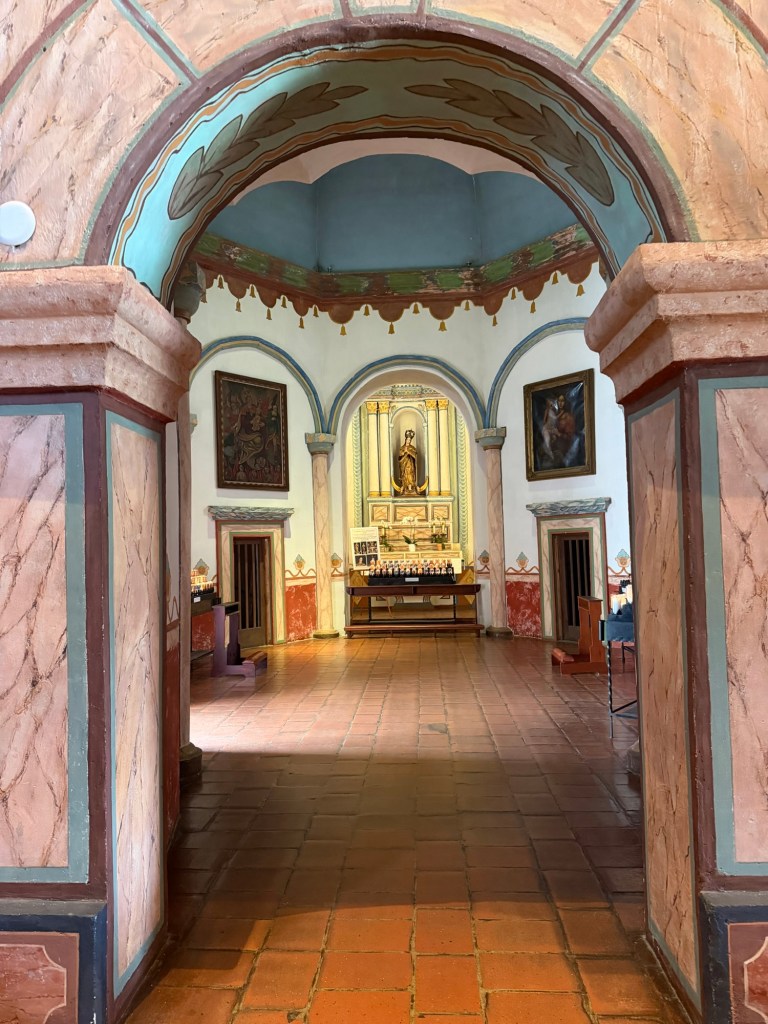
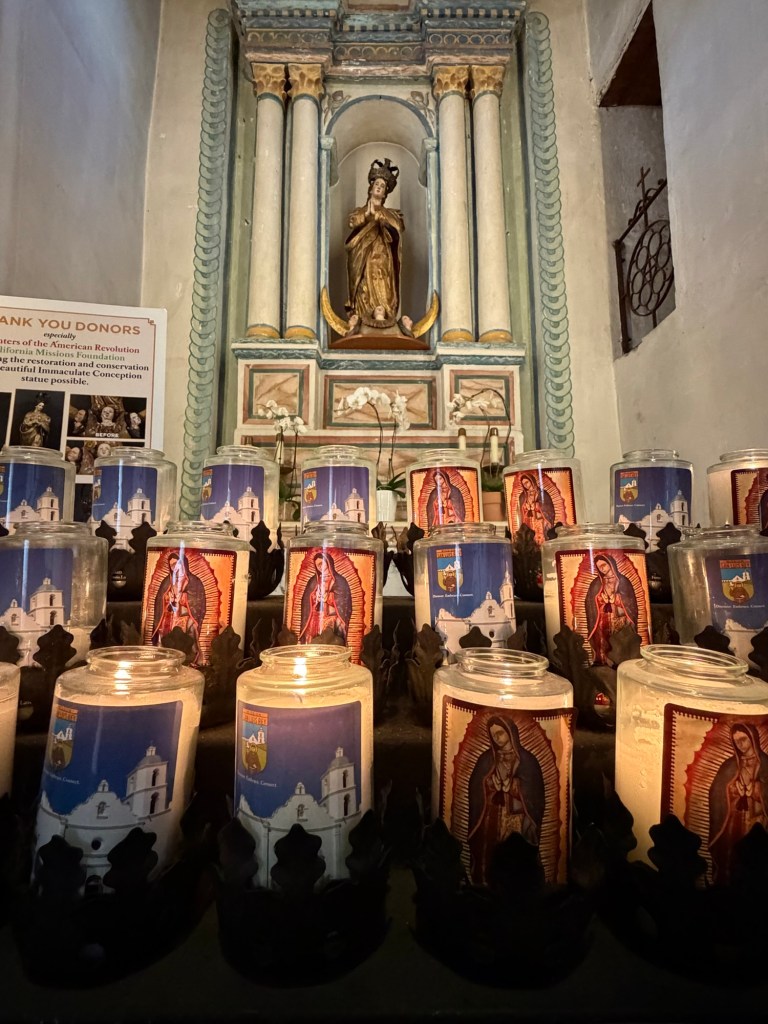
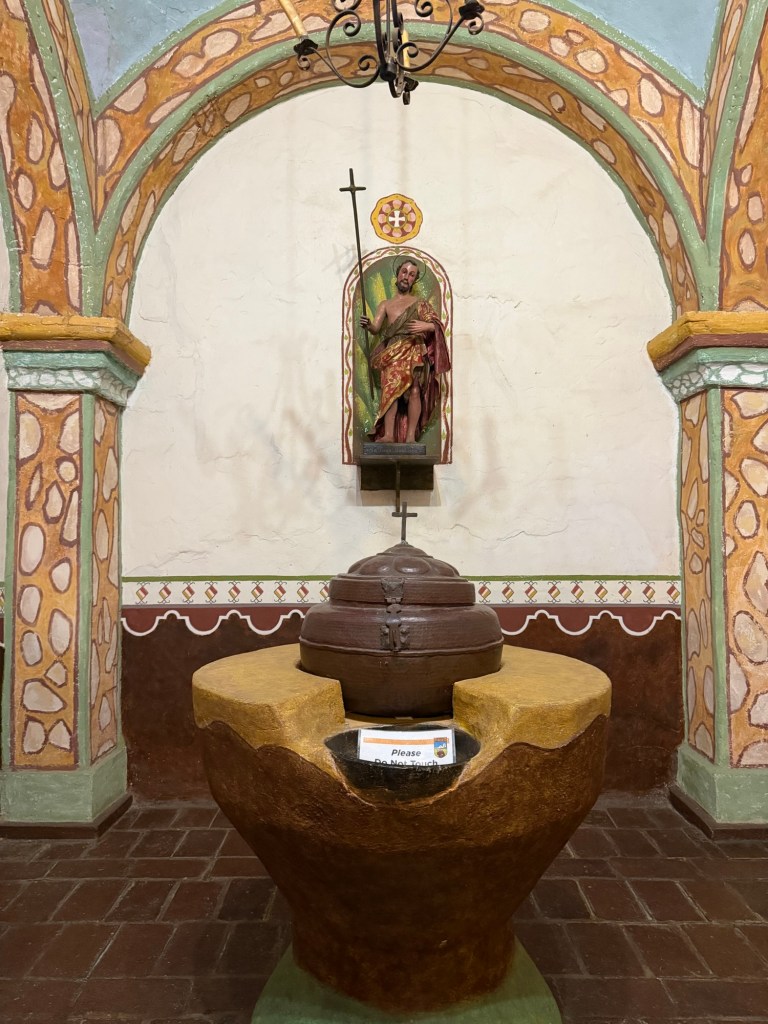
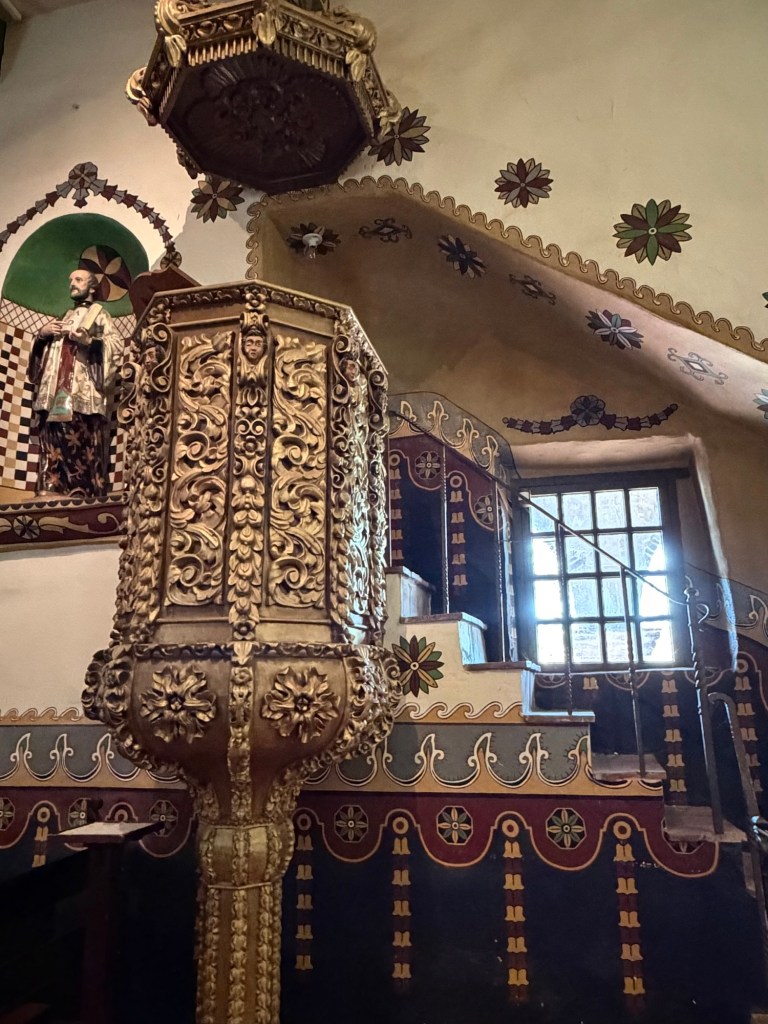
My interest in California’s missions began after my visit to Mission Santa Barbara. I arrived in Santa Barbara carrying a heavy heart, but I left with a renewed sense of purpose—a goal to visit all 21 California missions.
As a Filipino, I feel a special connection to these Spanish missions. The Philippines was under Spanish rule for more than three centuries, so the influence of Spanish Catholicism and mission life is familiar to me. As a Catholic living in California, I believe these missions are places worth visiting. And as an immigrant who now calls California home, I feel that learning about them is essential. Ignoring the history of the place where we live is a missed opportunity, because understanding the past helps us better understand the present and where we are headed.
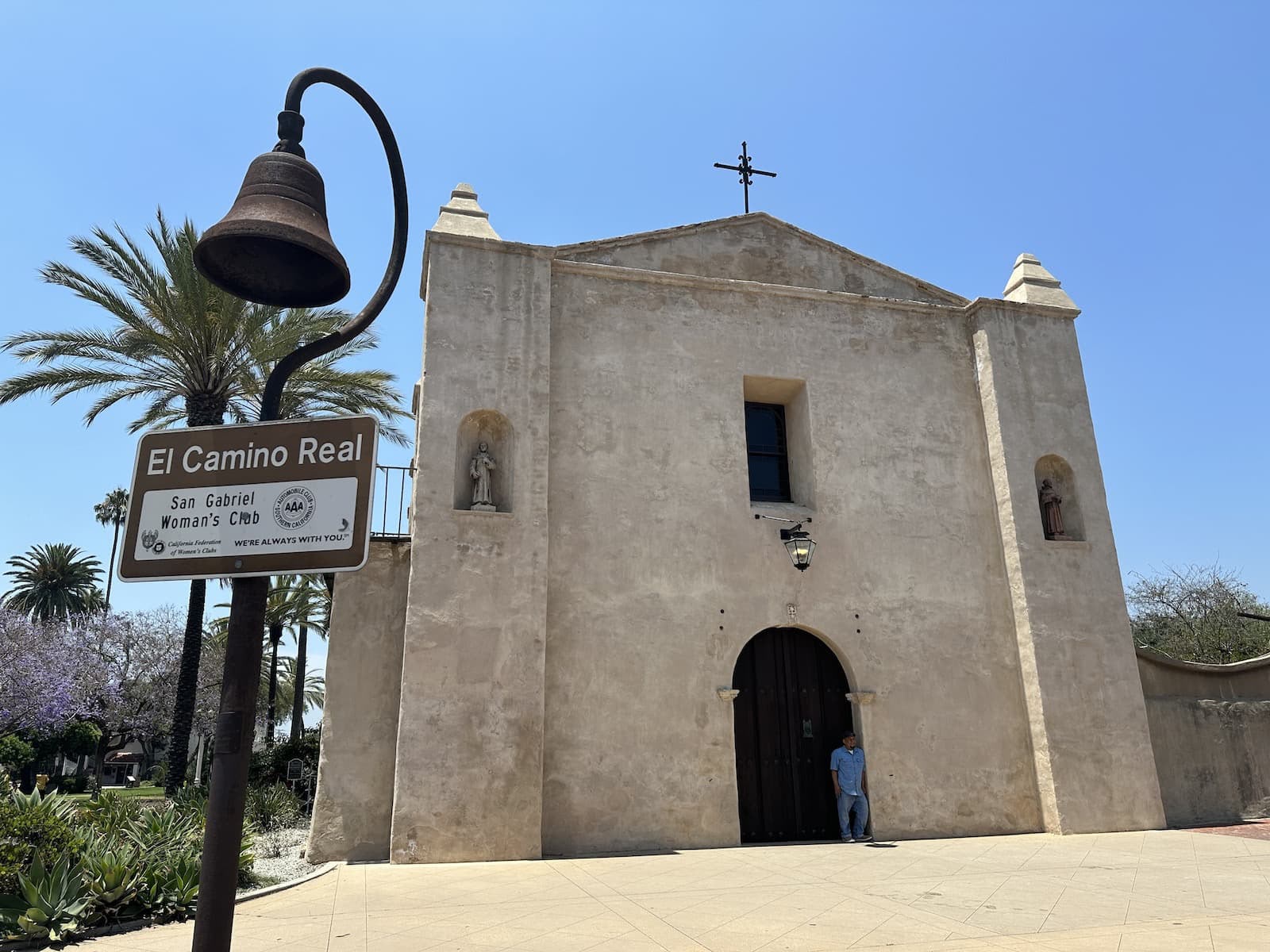
After returning from Santa Barbara, I decided to begin my journey to all 21 missions. Living in Los Angeles, the closest missions are Mission San Gabriel Arcángel and Mission San Fernando Rey de España. I chose to start with Mission San Gabriel, eager to learn more about California’s rich and complex history.
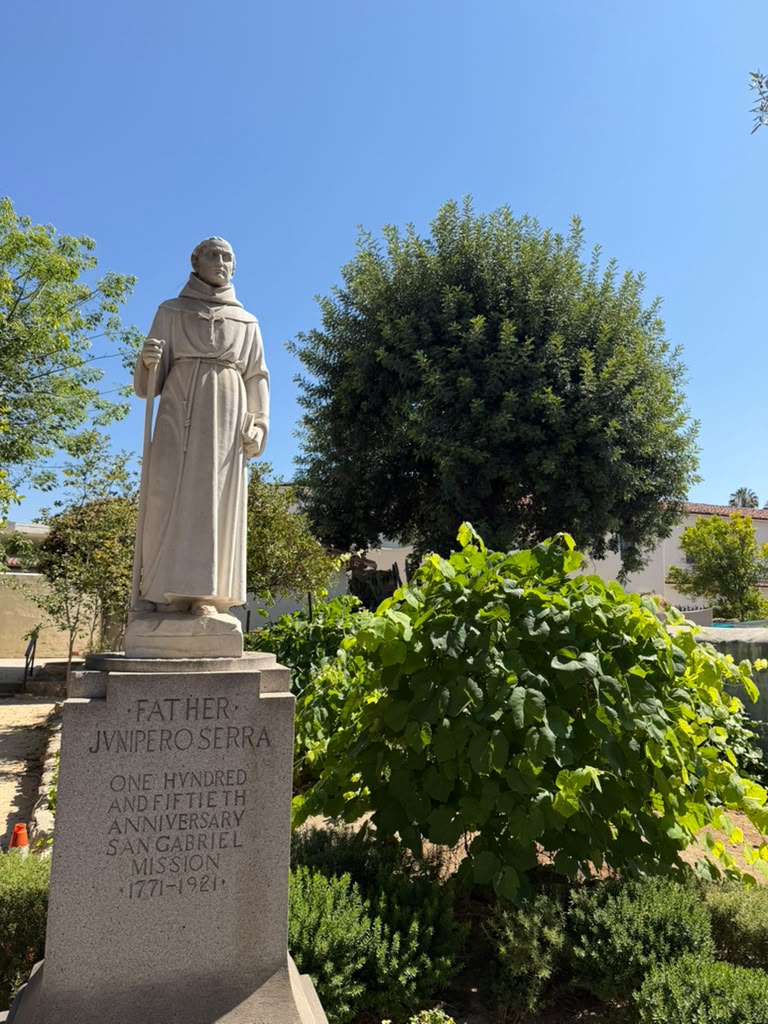
Mission San Gabriel Arcángel was the fourth mission founded by Father Junípero Serra, who was later canonized as Saint Junípero Serra. As I explored the museum and read about its history, I learned that San Gabriel was one of the most prosperous missions in California. It thrived economically and played a significant role in converting Indigenous peoples to Catholicism.
Of course, the story of the mission system is not without controversy. There is a darker side to this history, particularly in its impact on Native communities. While that important subject deserves attention, I will discuss it in a separate section. For now, I want to focus on understanding the mission’s role in shaping early California and the legacy it left behind.
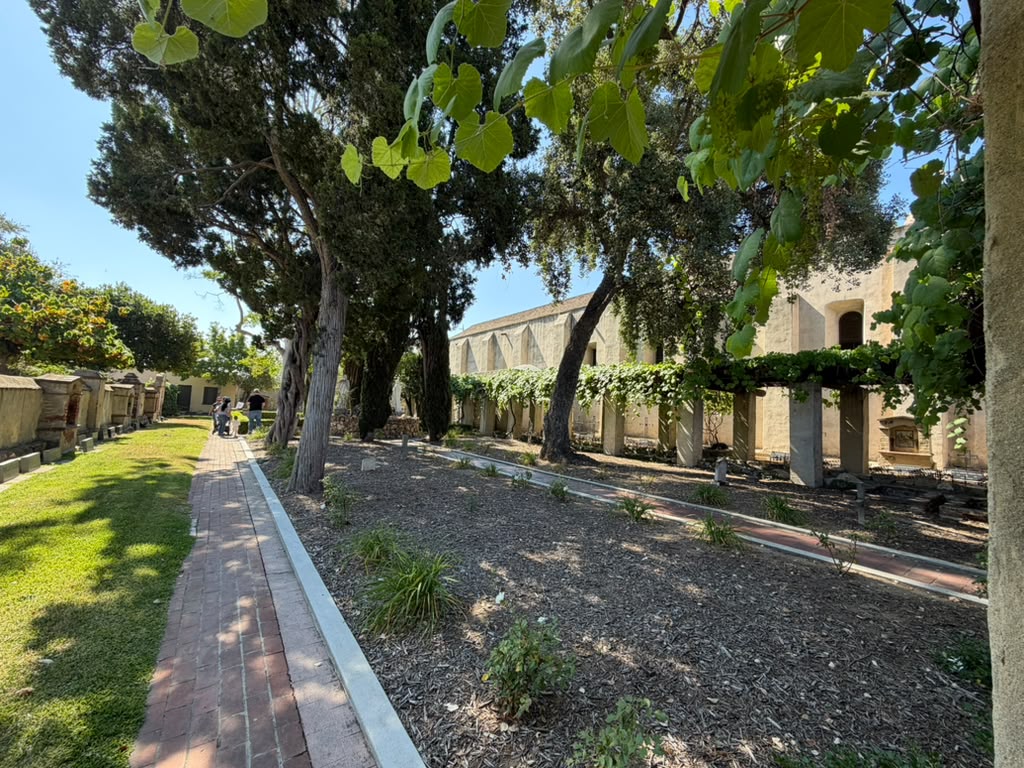
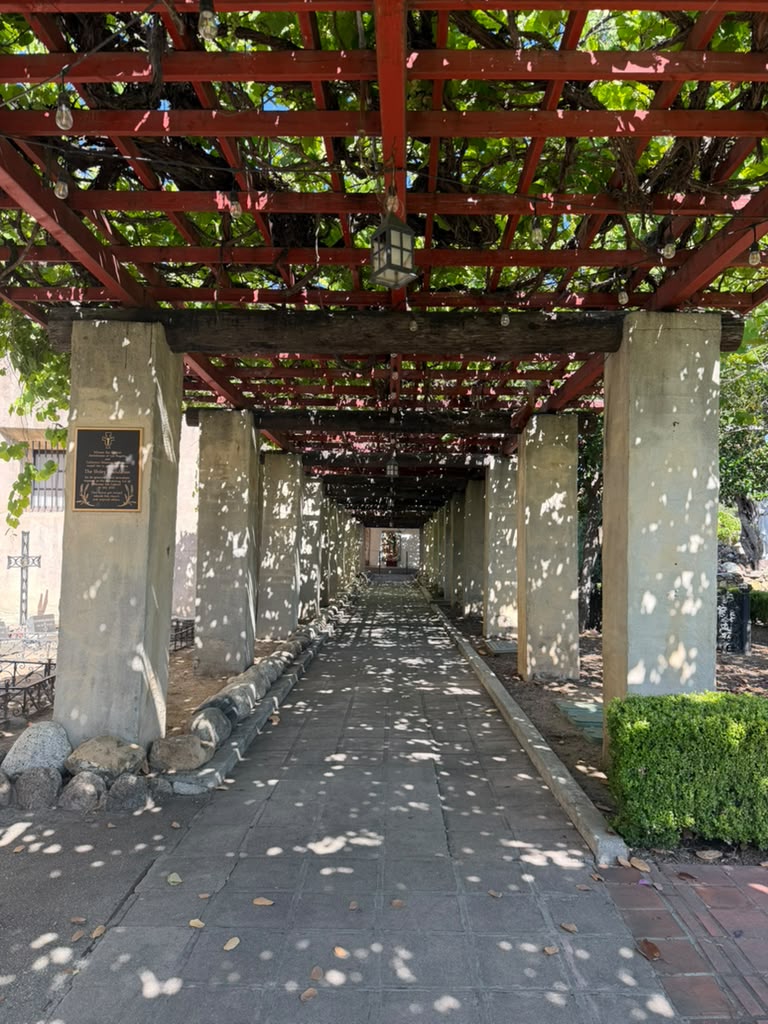
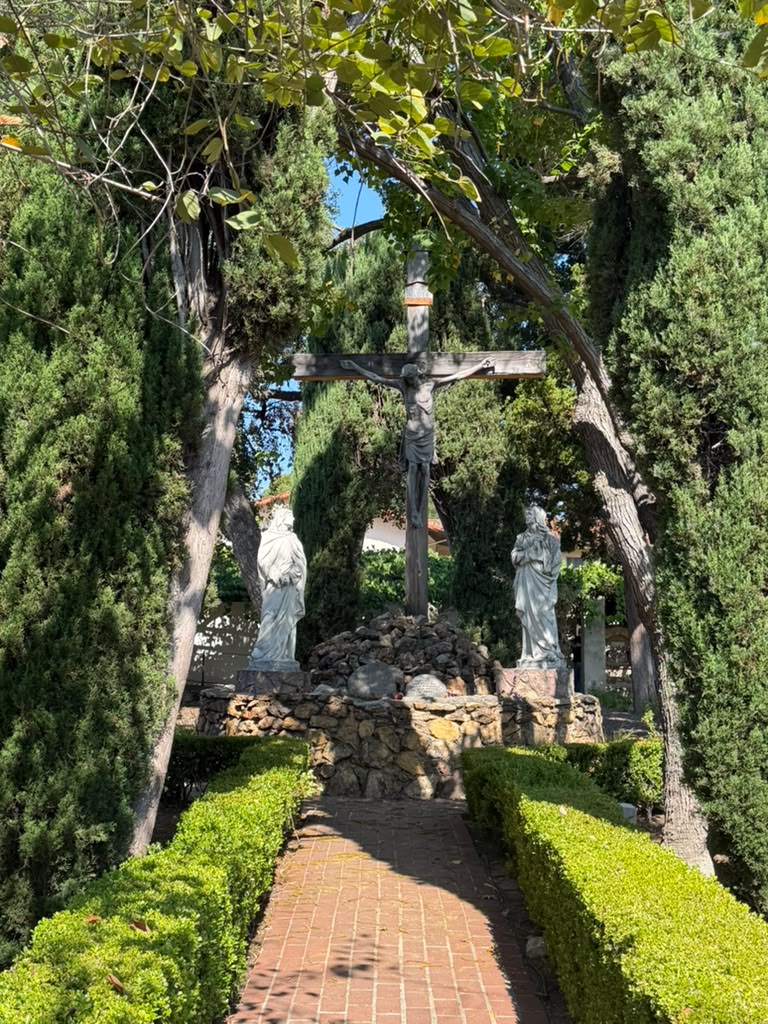
One thing I have noticed is that many of the mission churches have cemeteries located beside them. I have not yet visited all 21 missions, so I cannot say this with certainty, but it is a pattern I have observed in the missions I have explored so far.
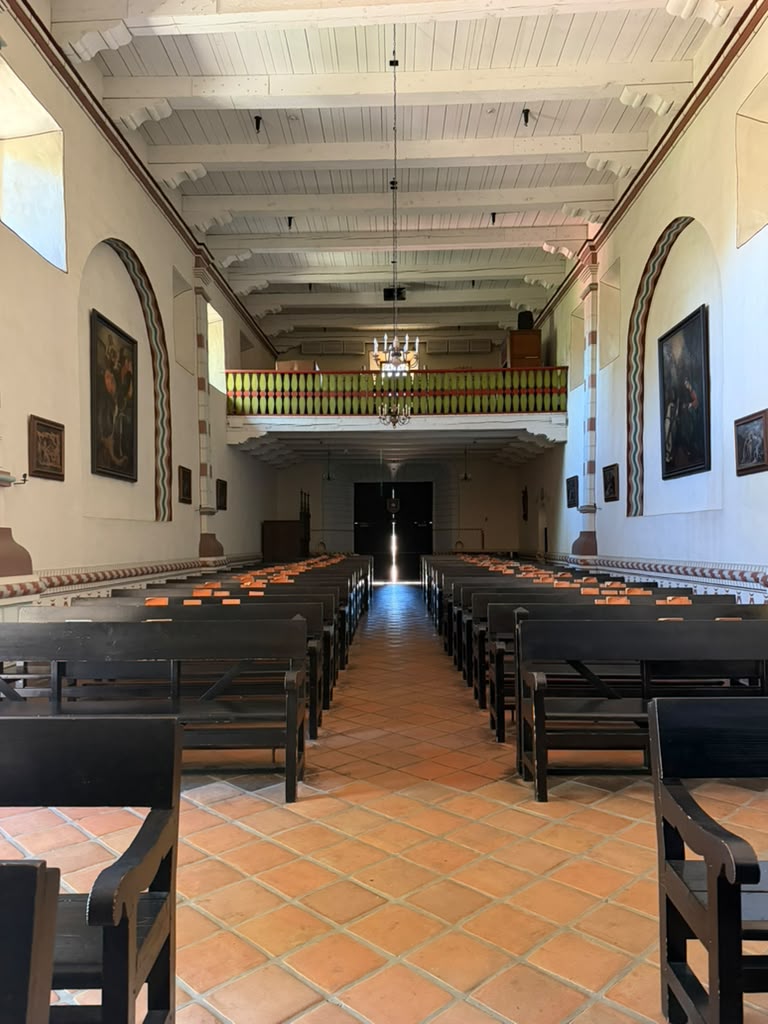
Inside the church, visitors are greeted by a beautiful and ornate altar. Six statues, originally brought from Spain, stand as reminders of the mission’s deep Spanish roots and religious heritage. As I admired the sanctuary, I couldn’t help but imagine that this was what many churches looked like during the Spanish colonial era—rich in symbolism, artistry, and devotion.
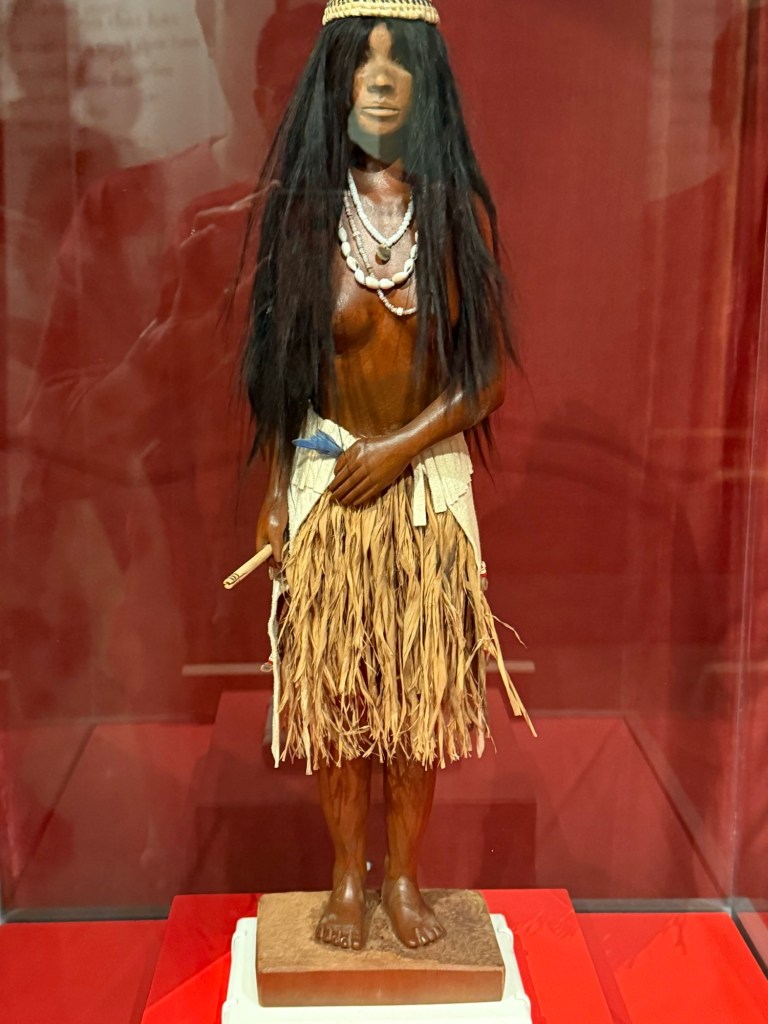
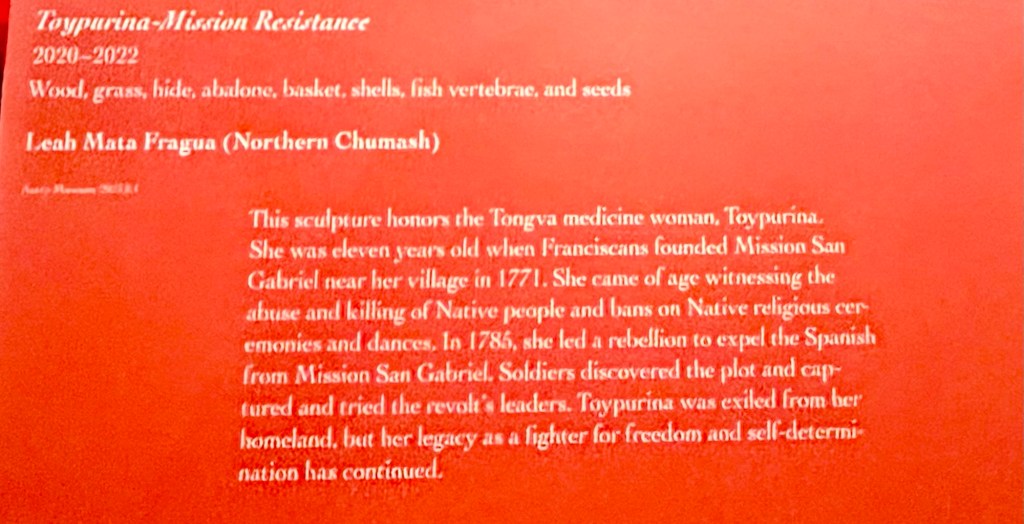
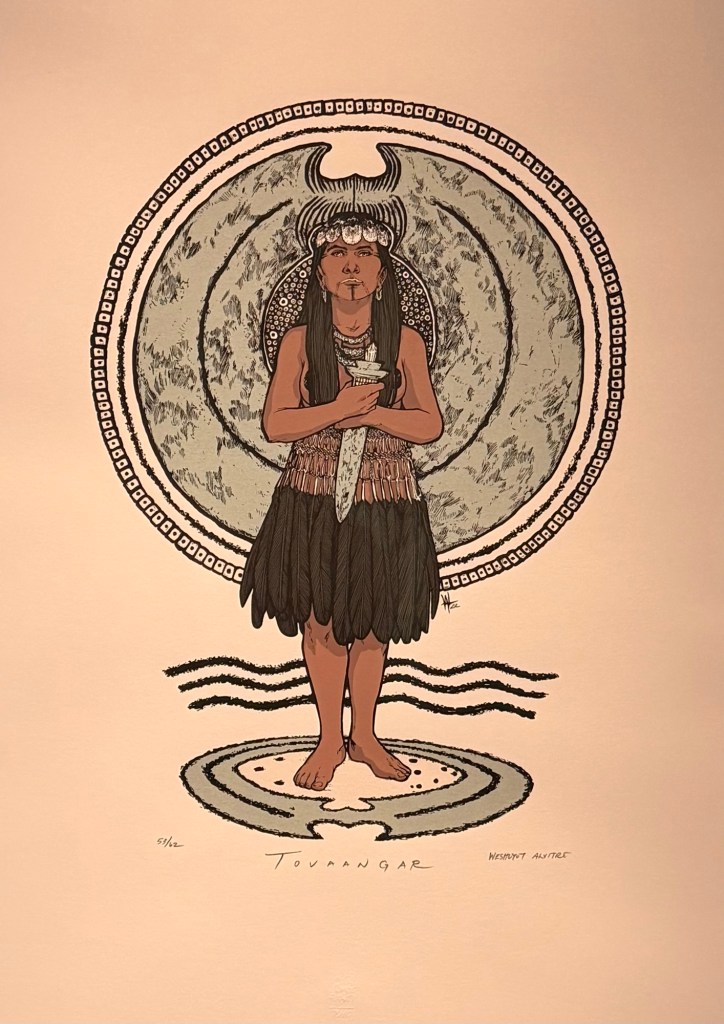
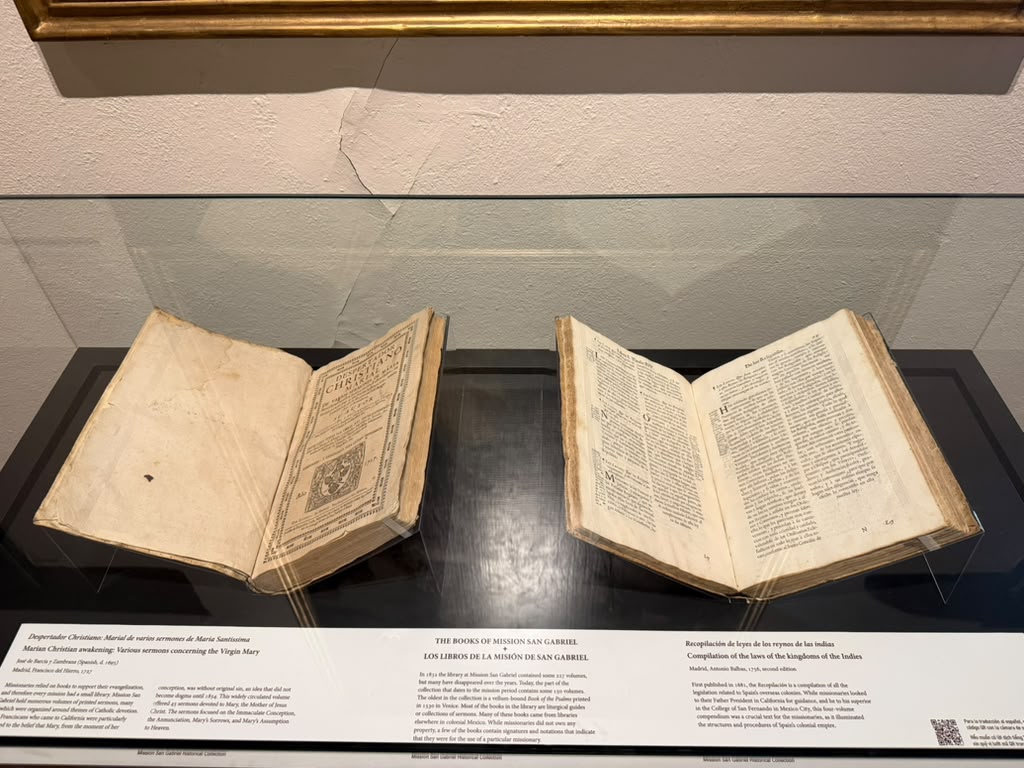
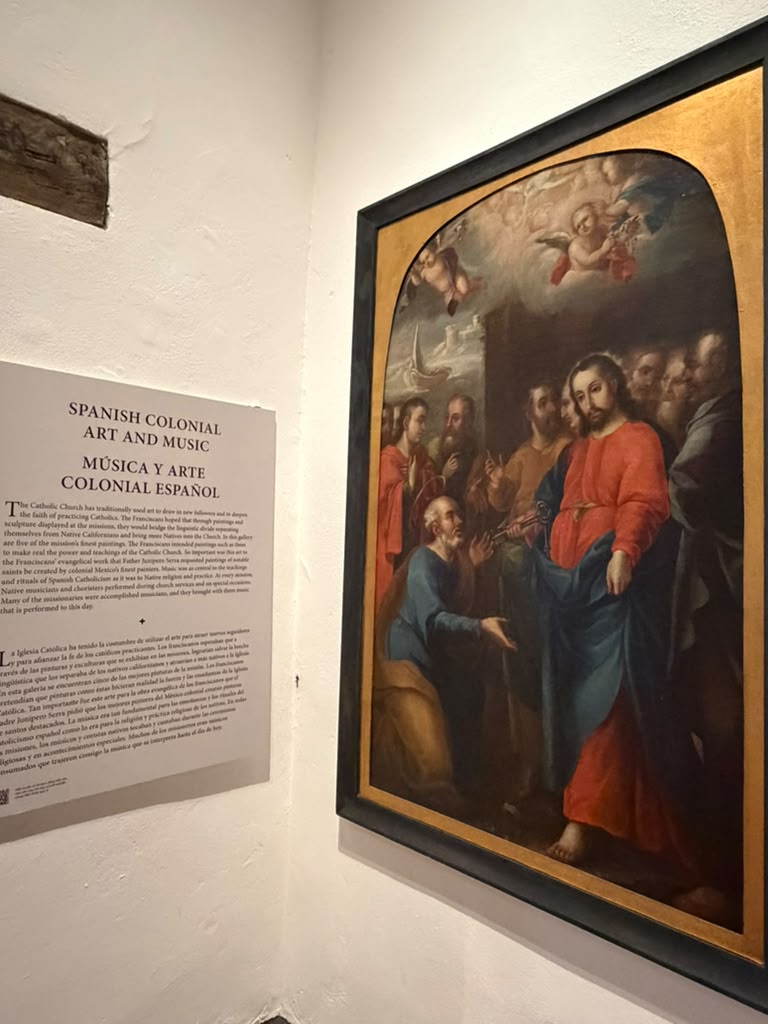
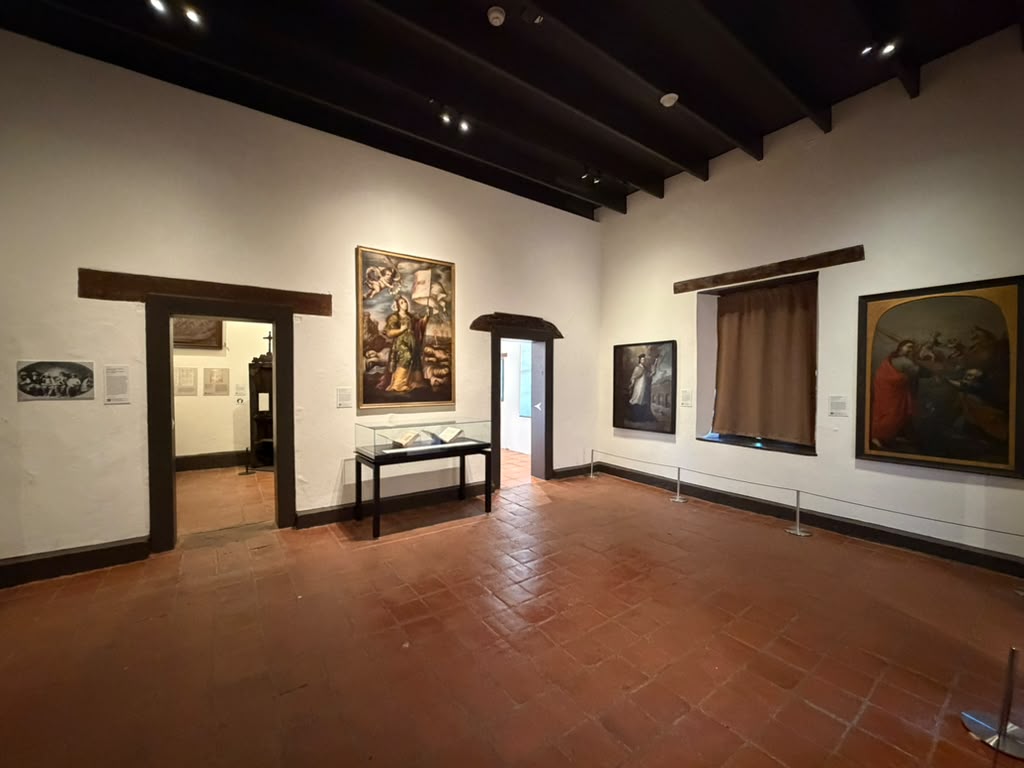
One thing I truly appreciate about these missions is that they all seem to have museums. As someone who loves history, I make it a point to read every exhibit and historical panel. During my visit, I learned about Toypurina, a Tongva medicine woman and leader who became known for her resistance to Spanish rule. Her story added another layer to my understanding of the mission’s complex history.
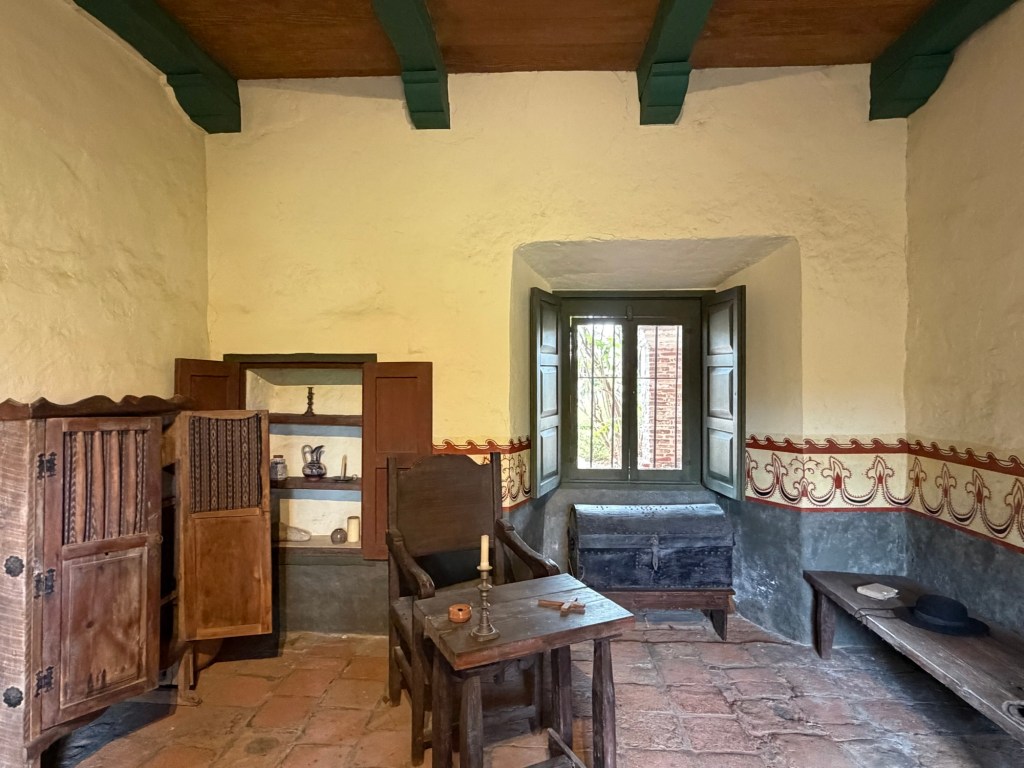
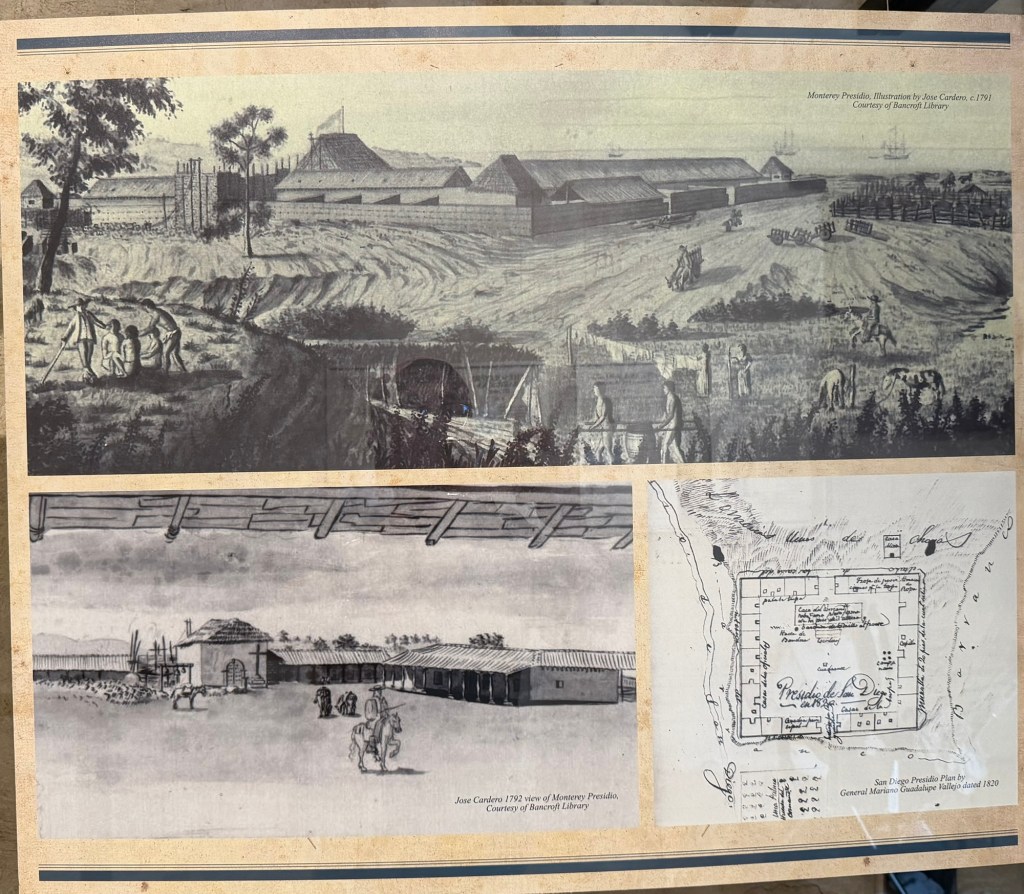
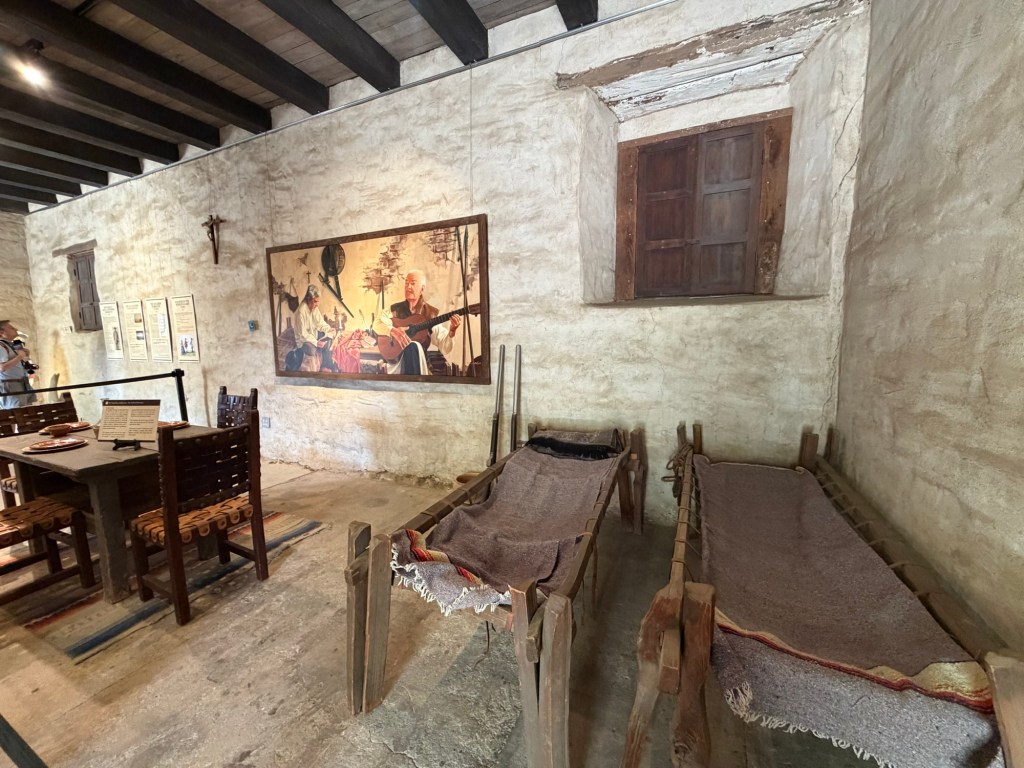
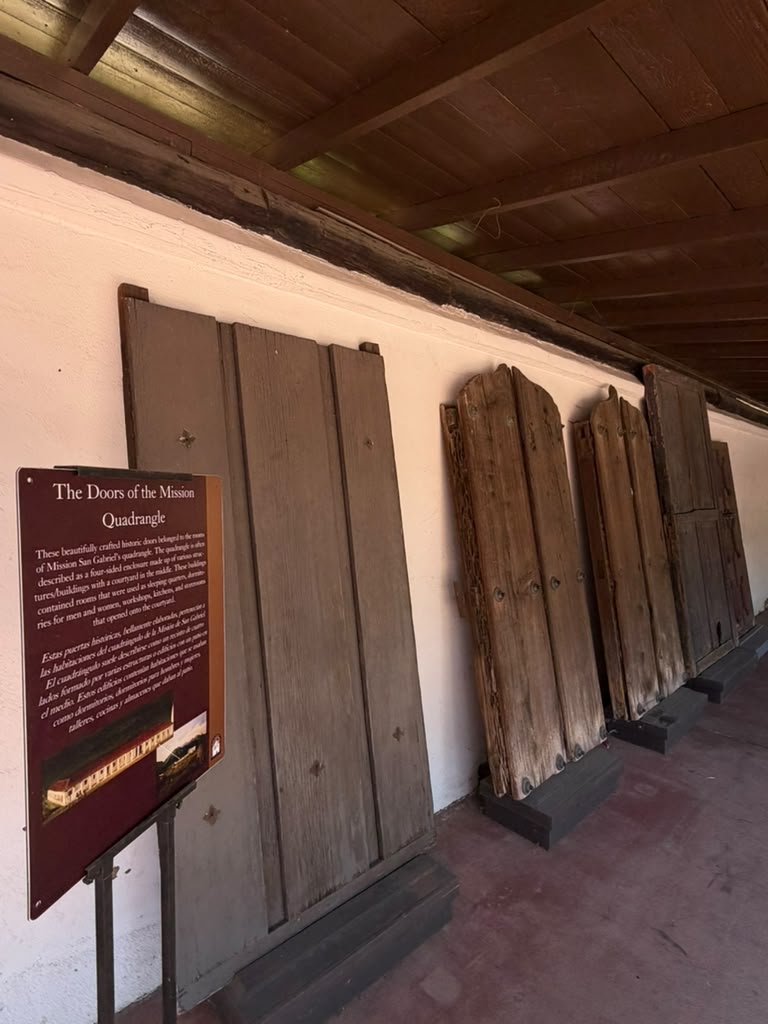
The layout of the mission resembles that of a presidio, or fortified settlement. Its design provided protection from outside threats, including wild animals, potential attacks, and conflicts with rival groups. Like many Spanish colonial establishments, the mission served not only as a religious center but also as a place of security and defense.
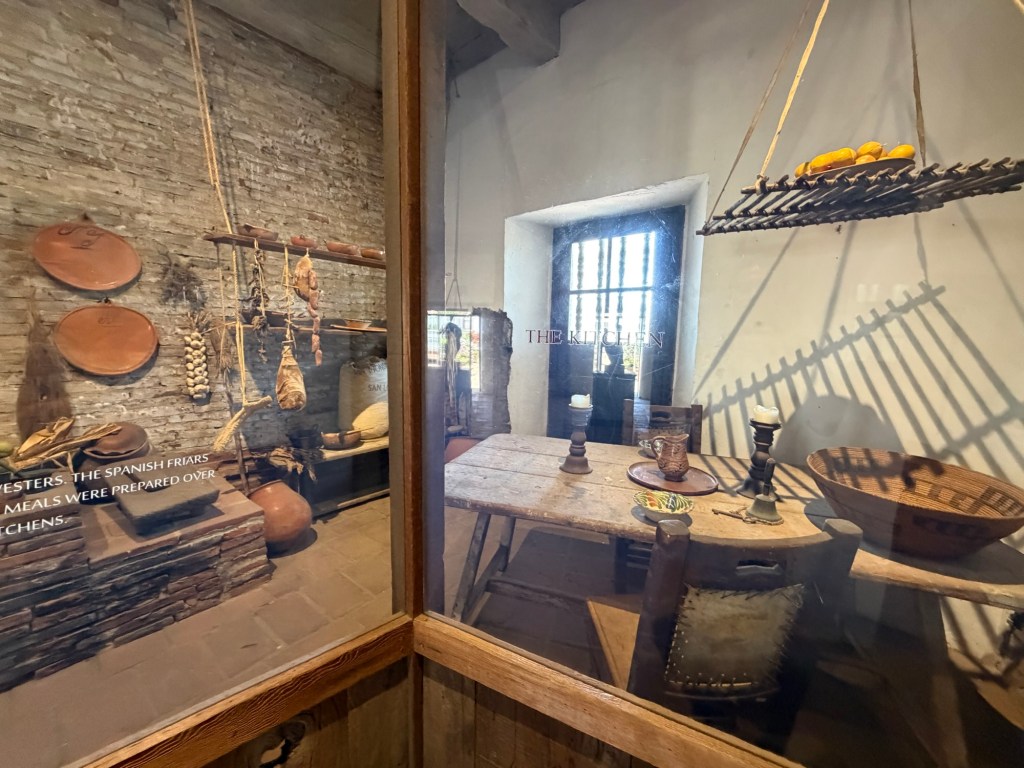
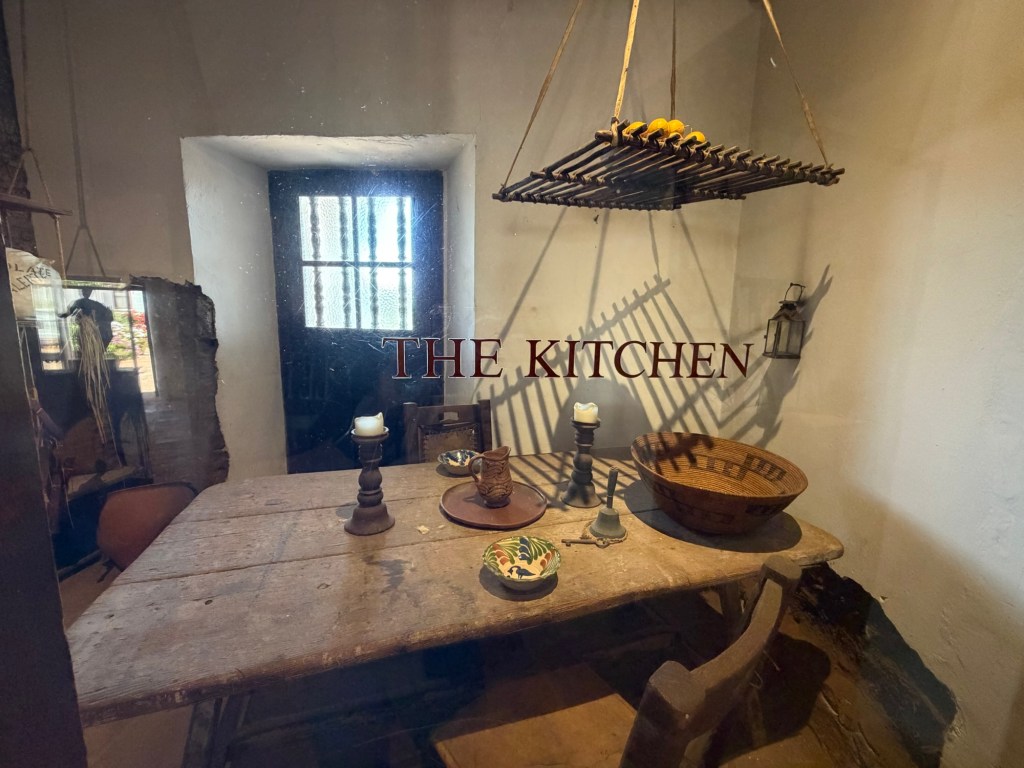
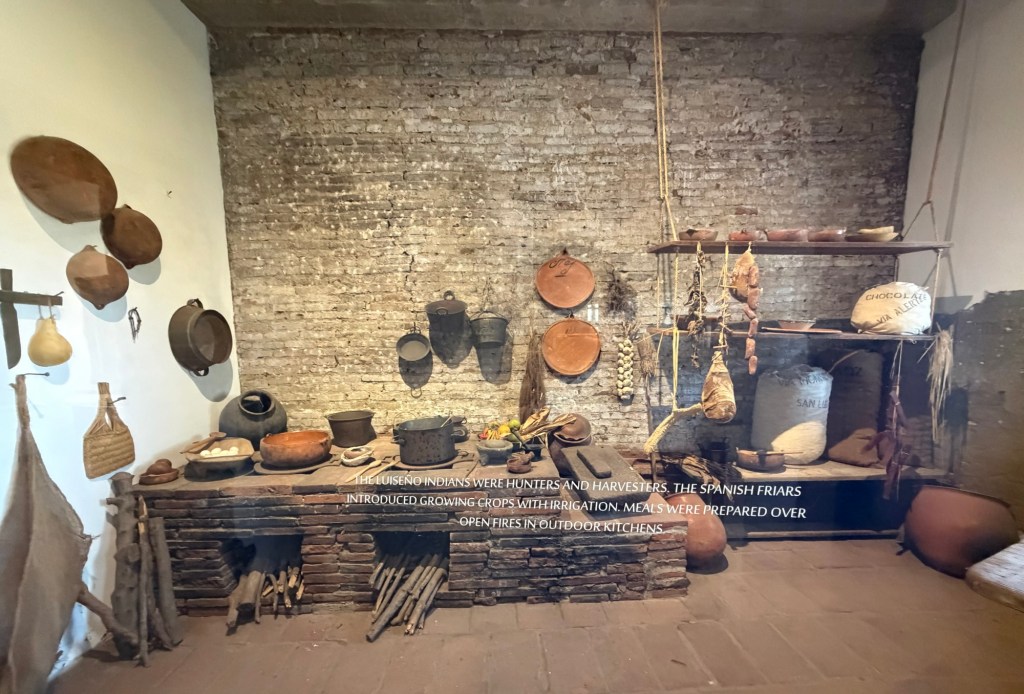
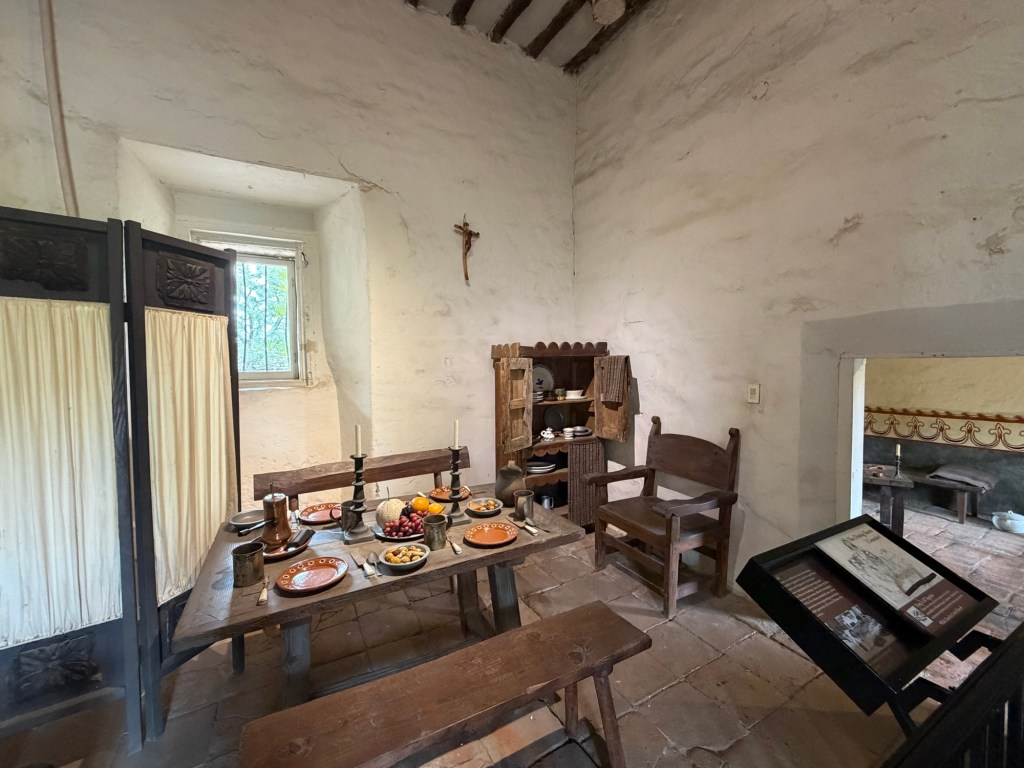
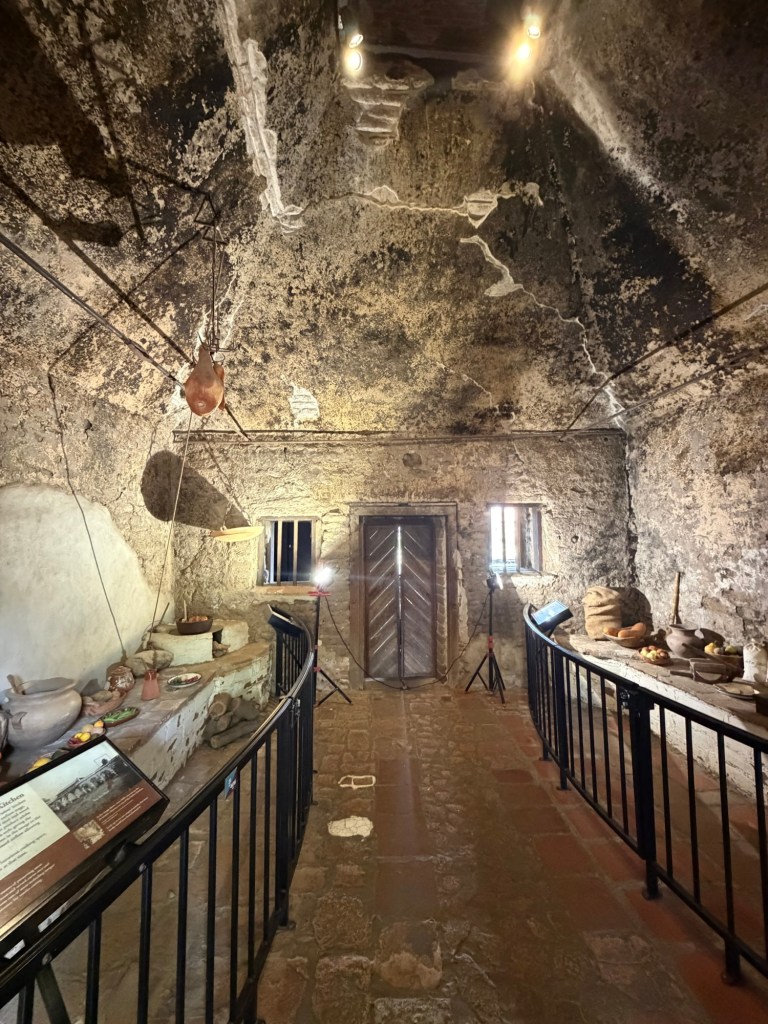
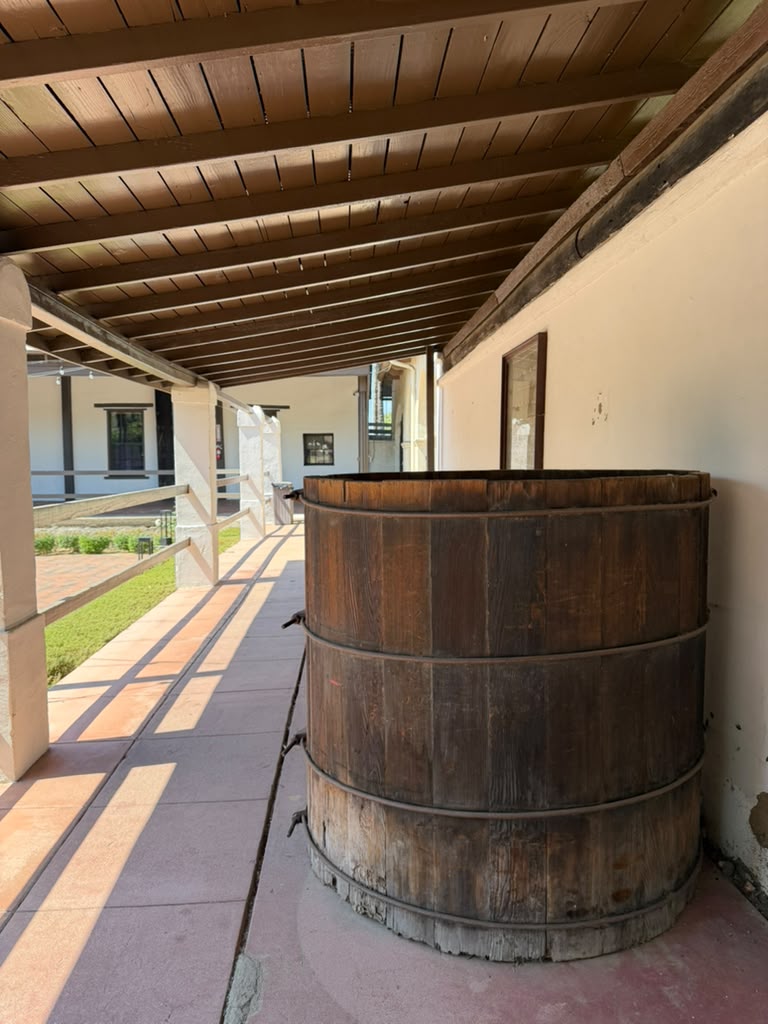
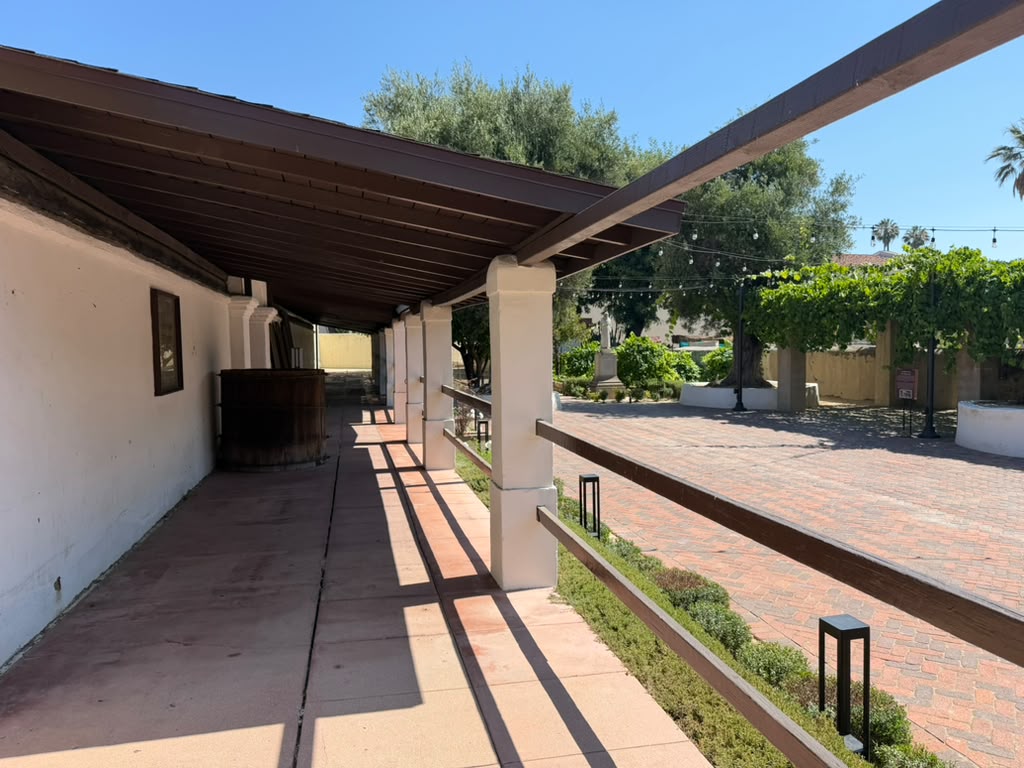
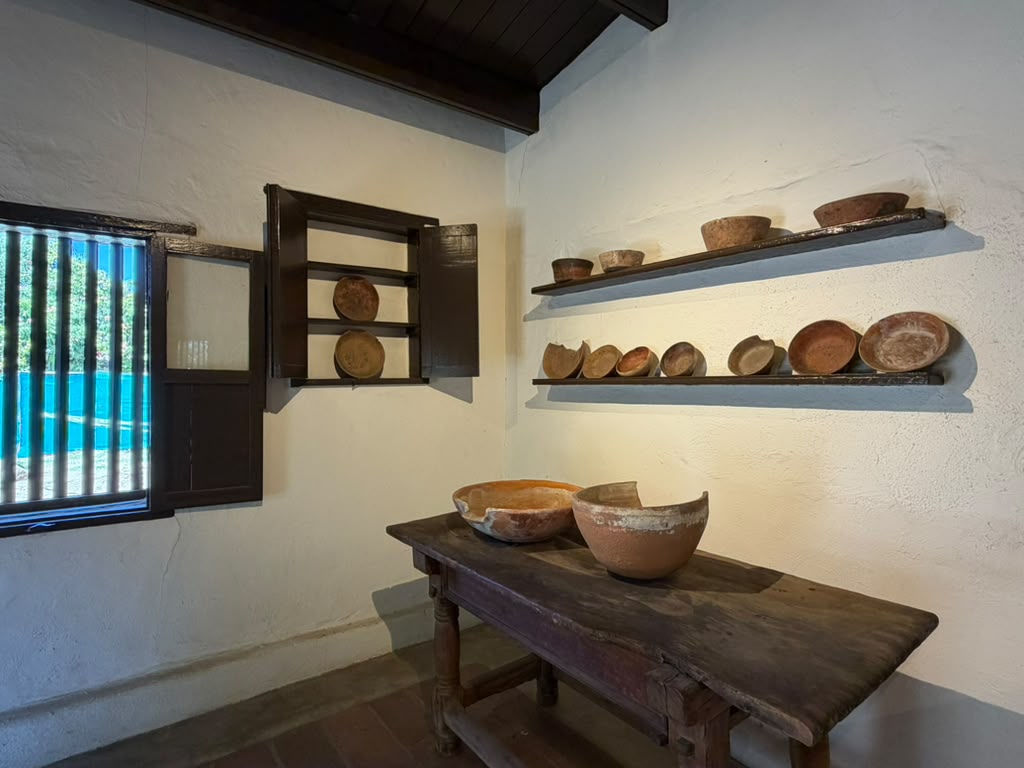
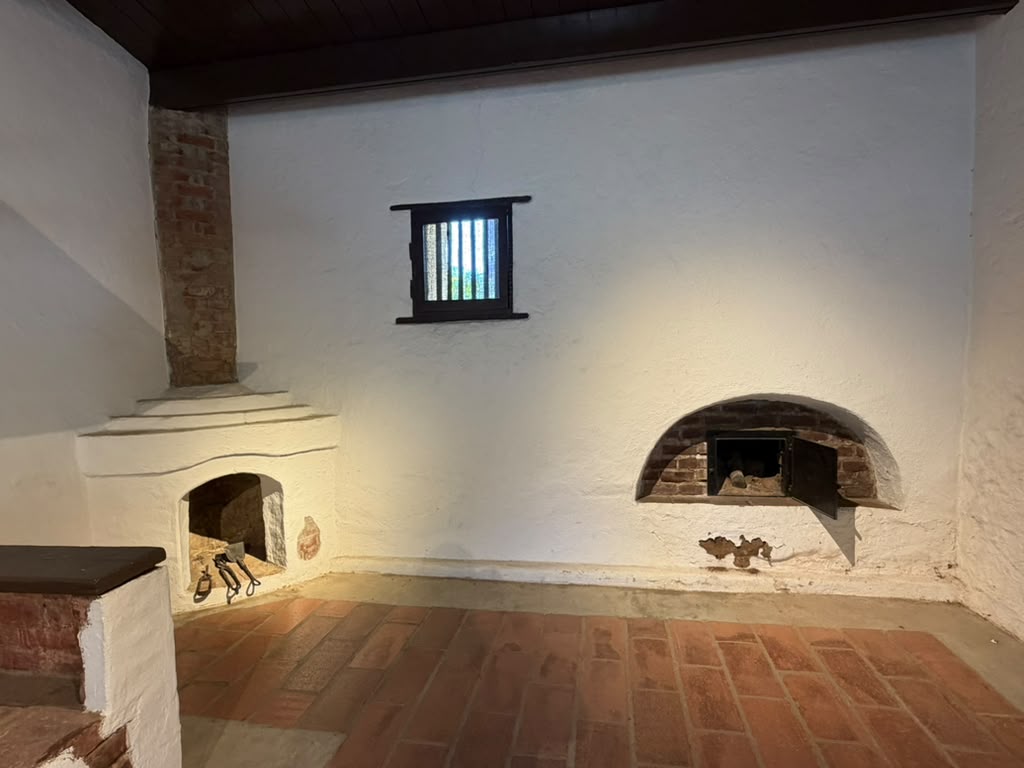
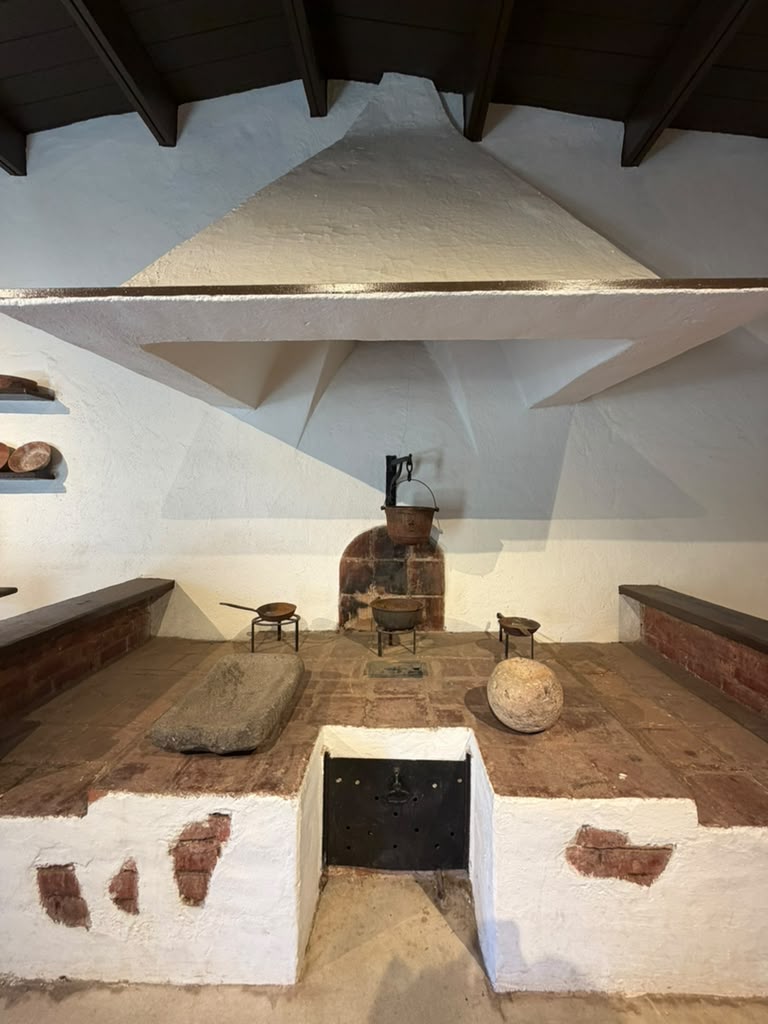
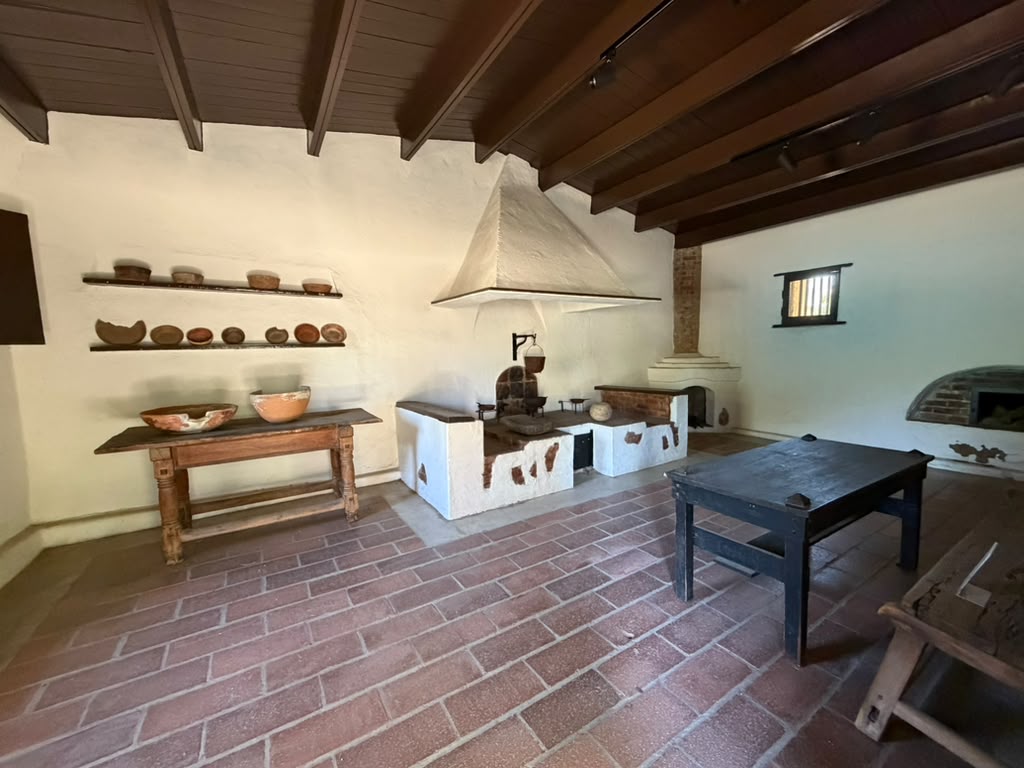
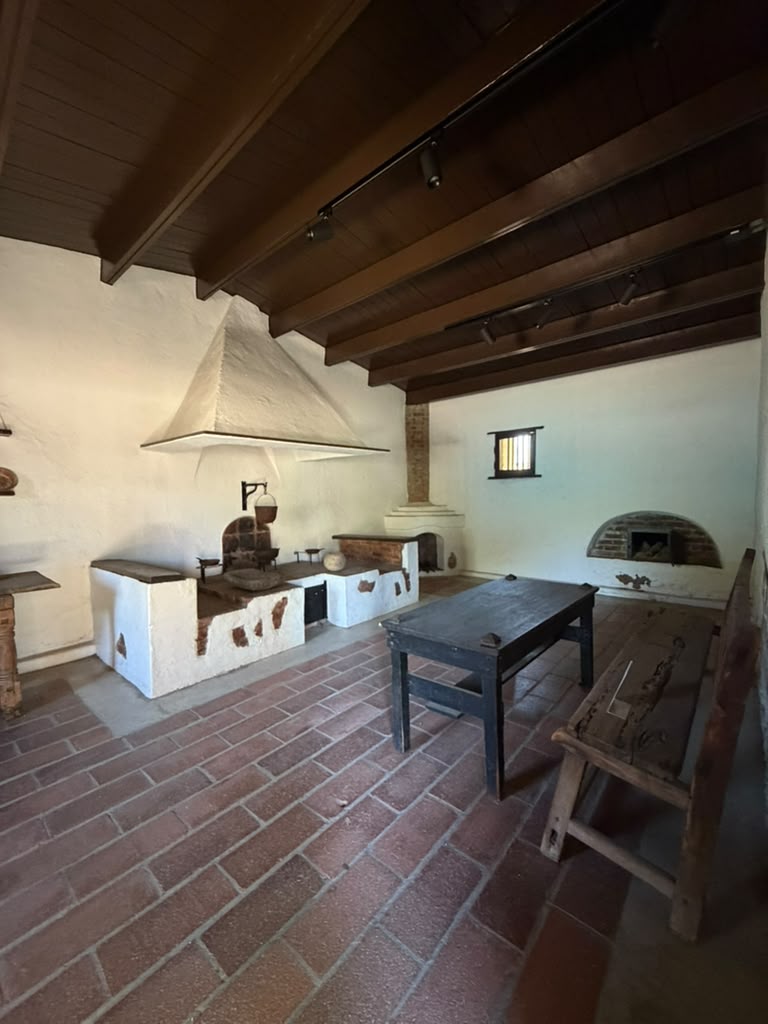
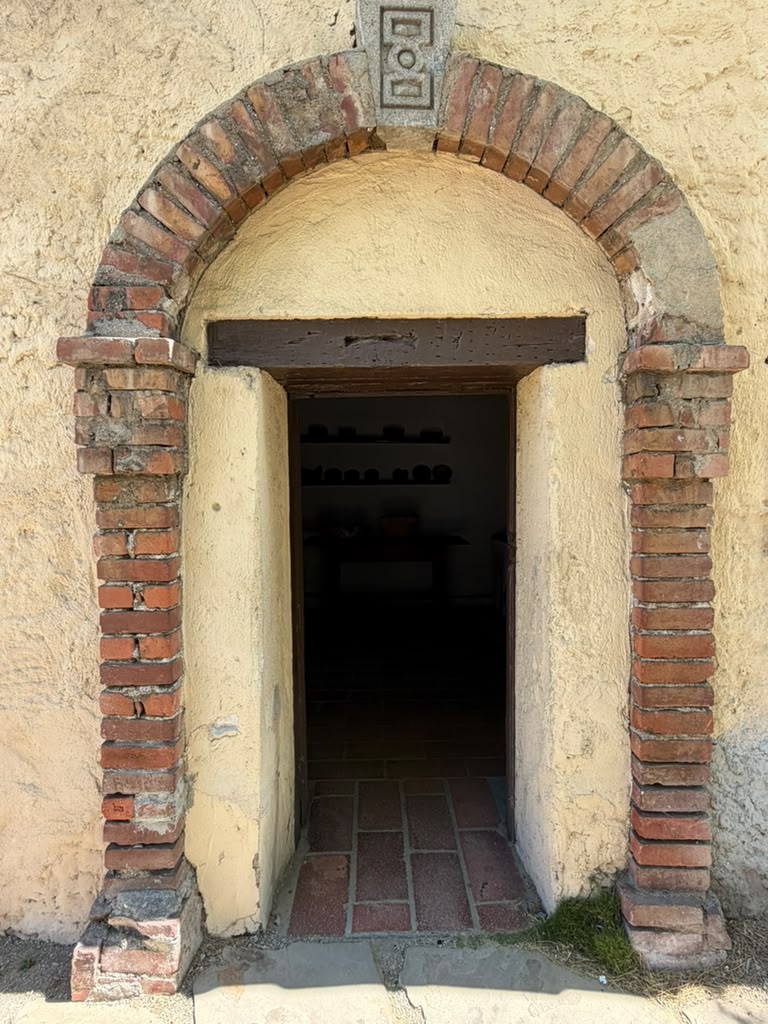
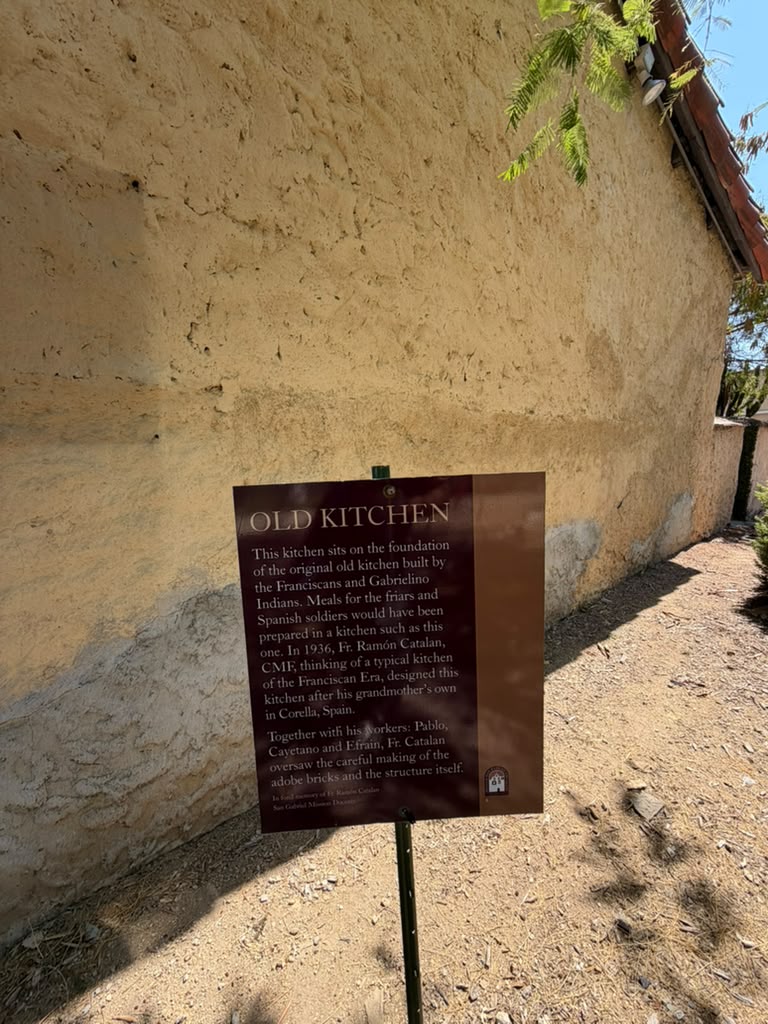
One exhibit that particularly fascinated me was the old kitchen. Standing there, I couldn’t help but imagine how difficult it must have been to prepare meals in those days. There were no refrigerators, microwaves, electricity, or gas stoves—everything had to be done by hand and over an open fire. It gave me a new appreciation for the daily work and resourcefulness of the people who lived at the mission. Below are photos of the historic kitchen.
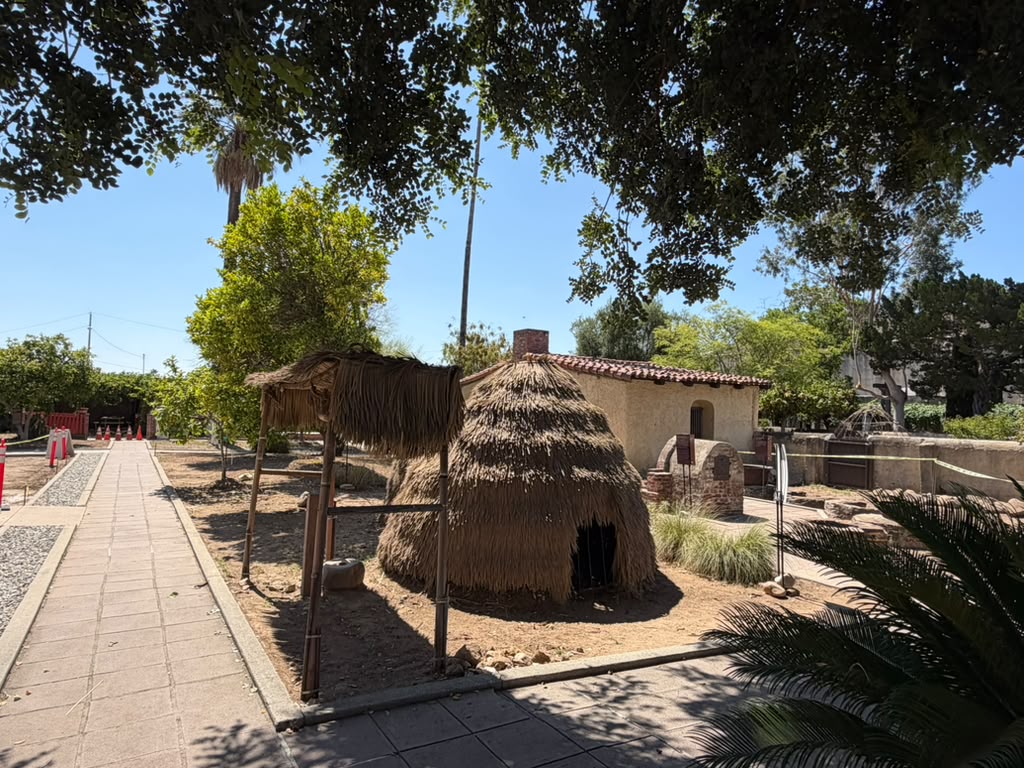
Another exhibit that caught my attention was the reconstruction of the homes where the Tongva people lived. Seeing these traditional dwellings gave me a glimpse into their daily lives and culture long before the arrival of the Spanish. It was a reminder that the history of the mission is also the history of the Indigenous communities who called this land home for thousands of years.
My visit to Mission San Gabriel Arcángel was more than just a tour of a historic site—it was a journey into California’s past. From the beautiful church and museum exhibits to learning about the Tongva people and figures like Toypurina, I gained a deeper appreciation for the mission’s rich and complex history. As I continue my goal of visiting all 21 California missions, this stop has only strengthened my desire to learn more about the people, cultures, and stories that shaped the state I now call home.